 Follow Us on Google News
 Follow Us on Google Discover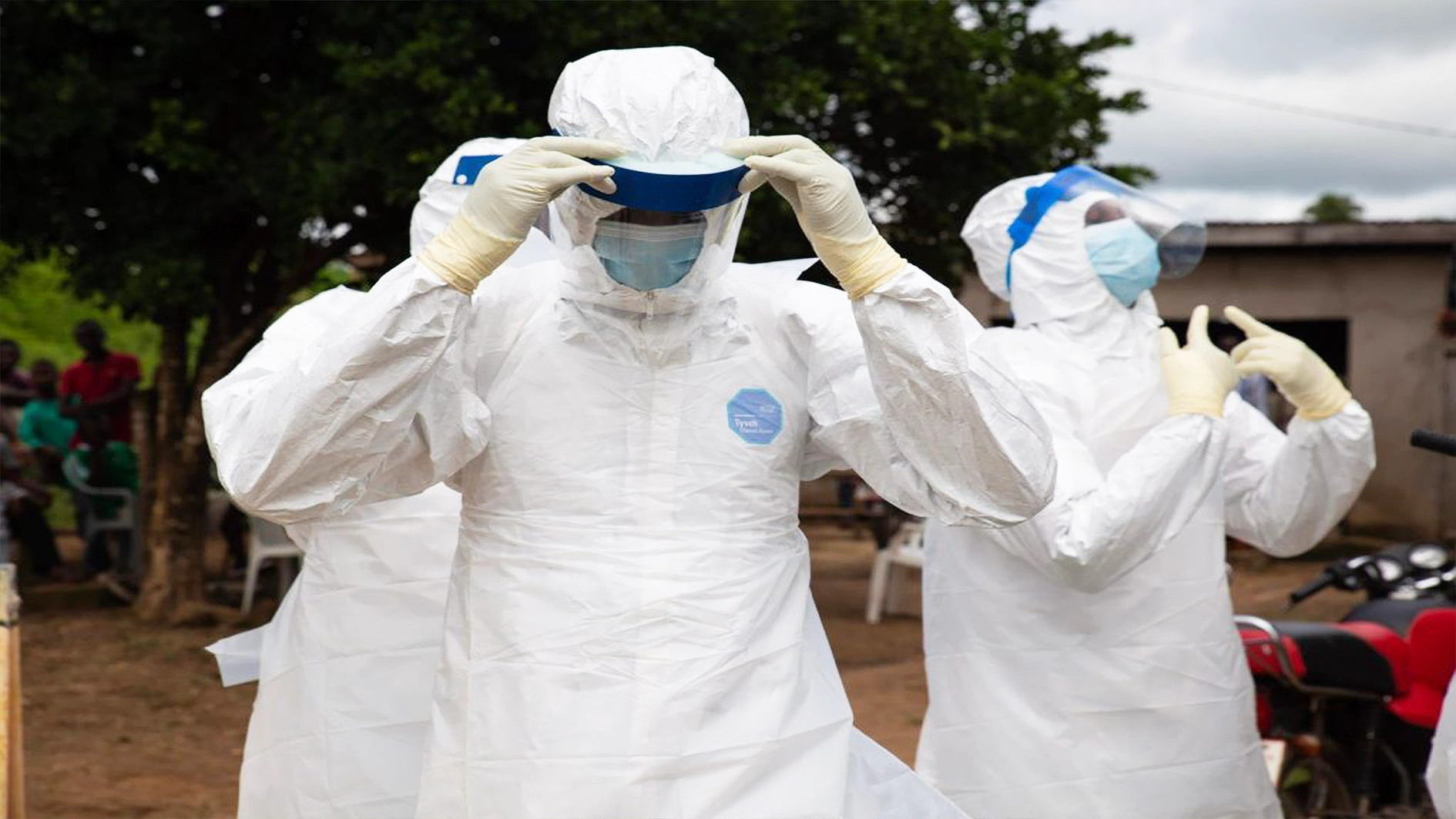
America has announced an additional $20 million in funding to support Ebola preparedness efforts in countries surrounding the current outbreak, bringing the Department of State’s direct contribution to Ebola response and preparedness activities to more than $220 million.
In a media note issued yesterday, the United States Department of State said the new funding would support preparedness measures in Burundi, Kenya, Rwanda and South Sudan as authorities work to prevent the spread of the disease beyond the affected areas.
The funding is separate from the $350 million already allocated for Ebola response and other humanitarian assistance in the Democratic Republic of the Congo (DRC), South Sudan and Uganda as part of broader United States humanitarian support announced in May.
The State Department said the United States remains the largest financial contributor to the Ebola response and is working closely with the United States Centers for Disease Control and Prevention (CDC), governments in the region and other international partners to contain the outbreak.
According to the statement, the additional funding will strengthen national emergency operations centres, improve disease surveillance and laboratory testing, enhance border screening and infection prevention measures, and support the procurement and distribution of critical medical supplies.
The programme will also help neighbouring countries prepare health systems to identify and manage potential Ebola cases.

The United States government said protecting American citizens remained a top priority and noted that guidance had been issued for a voluntary process to assist American citizens who may have been exposed to Ebola or who request assistance departing the DRC, South Sudan or Uganda during the outbreak.
United States embassies in affected countries are also continuing to provide travel, safety and health information to citizens in the region.
The State Department highlighted several recent United States-funded response activities across affected countries.
In the DRC, UNICEF delivered 150 metric tonnes of water, sanitation and infection prevention supplies to frontline health facilities in Bunia, enough to meet the needs of about 100,000 people for six months.
Efforts to strengthen surveillance and border monitoring have also expanded.
In Uganda, the International Organisation for Migration (IOM) trained about 1,000 Village Health Team members to improve community-based disease surveillance, while in South Sudan more than 30,000 traveller screenings have been conducted to boost early detection of possible Ebola cases.
The statement further noted that response partners continue to support contact tracing and public awareness campaigns. In the DRC, UNICEF trained 24 local decontamination teams to rapidly disinfect homes and public spaces following confirmed or suspected Ebola cases, while FHI 360 reached more than 1,200 people through community engagement programmes aimed at combating misinformation and promoting preventive measures.
To improve diagnostic capacity, IOM deployed a mobile laboratory to the outbreak zone in Beni, while FHI 360 supplied fuel and transportation support to laboratories to prevent disruptions caused by power outages and logistical challenges.
The State Department also said United States-supported organisations, including MedAir and International Medical Corps, are assisting 100 health facilities in Ebola-affected areas, comprising six specialised Ebola treatment centres and 94 health centres providing screening, treatment and referral services.
In addition, the United States is leveraging private-sector partnerships through Airlink to transport critical Ebola response supplies, including safe burial kits and infection prevention materials, to Bunia in eastern DRC using donated cargo space from commercial airline partners.

