 Follow Us on Google News


 Follow Us on Google Discover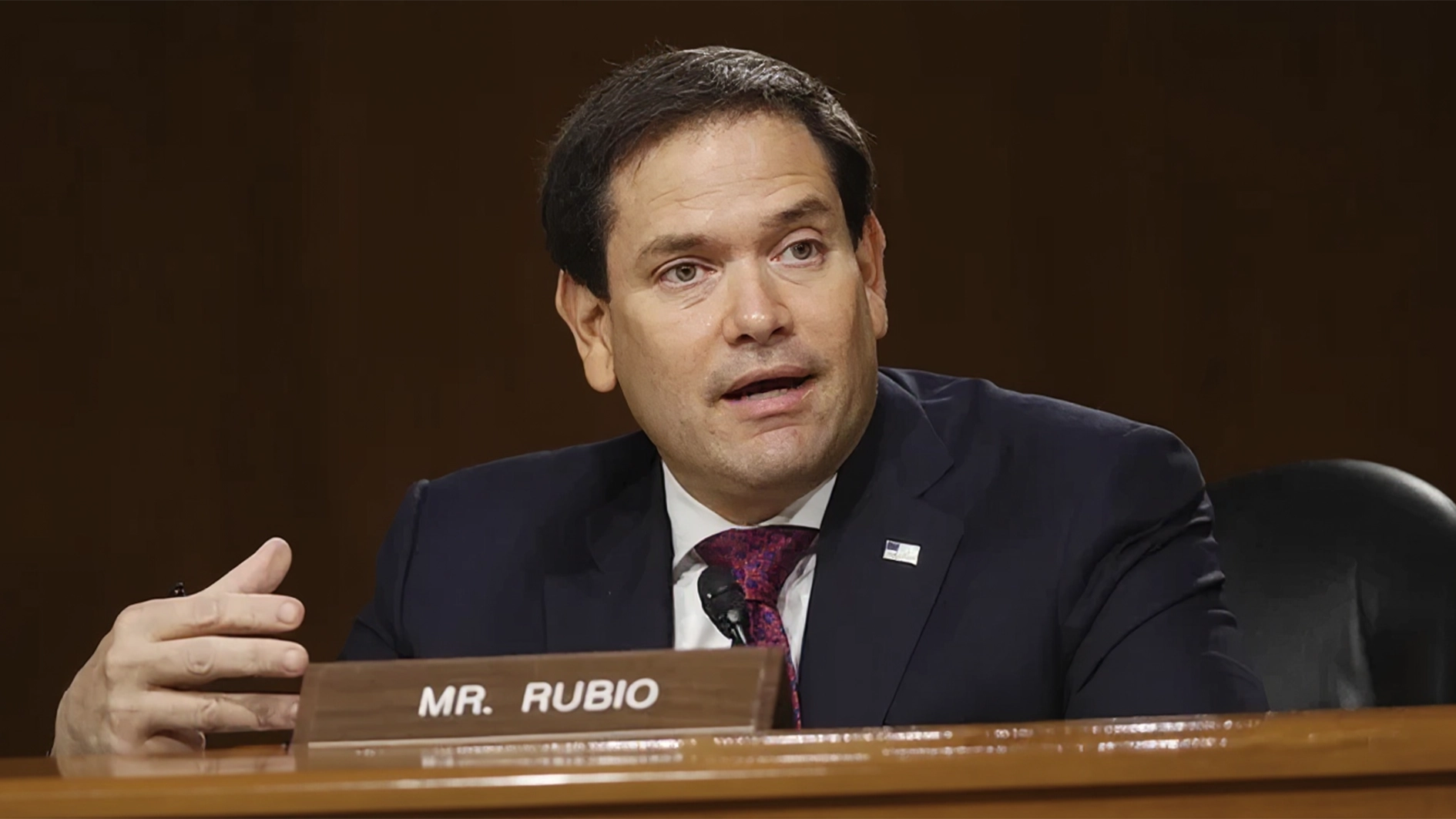
The United States has announced targeted visa restrictions against hardline members of the Tigray People’s Liberation Front (TPLF) and their immediate family members over actions deemed to be undermining peace efforts in northern Ethiopia.
In a statement, United States State Department spokesperson, Thomas Pigott said rising tensions between TPLF hardliners and the Ethiopian government were threatening to reignite conflict in the Tigray region and destabilize the wider Horn of Africa.
According to the statement, America Secretary of State, Marco Rubio invoked his authority under Section 212(a)(3)(C) of the Immigration and Nationality Act to impose the restrictions on individuals found to be responsible for, or complicit in, obstructing efforts to resolve the crisis in Tigray.
The United States government expressed concern over recent clashes between members of the Tigray Security Forces (TSF) and the Ethiopian National Defense Forces (ENDF), describing them as the first direct engagement between the two sides since the end of the 2020-2022 conflict.
Washington noted that the previous conflict claimed an estimated 600,000 lives and pushed the region to the brink of famine. It added that renewed tensions have already forced hundreds of thousands of civilians in northern Ethiopia to flee their homes amid fears of another war.
Pigott said the visa restriction policy was specifically designed to hold accountable those whose actions threaten peace and stability in the region.
”The United States will continue to stand with the Ethiopian people, including the people of Tigray, who want to live in peace and dignity,” the statement said.
The United States also pledged to continue using diplomatic and other available measures to expose and promote accountability for TPLF officials and other individuals accused of threatening regional peace and security.
The latest move underscores growing international concern over the fragile security situation in northern Ethiopia and the potential consequences of a renewed conflict for civilians and regional stability.

