
• Steeper reciprocal tariffs coming, says U.S. official
• ‘More than 50 countries reaching out to negotiate’
The Federal Government has acknowledged the adverse impact of the newly imposed tariffs by United States President Donald Trump on Nigeria’s oil and non-oil exports, which could potentially disrupt trade relations and affect the competitiveness of Nigerian products in the U.S. market.
Even as the U.S. government said steeper reciprocal tariffs are coming on April 9, 2025, more than 50 countries are reportedly reaching out to the White House for negation.
In a statement, yesterday, Nigeria’s Minister of Industry, Trade and Investment, Dr Jumoke Oduwole, noted, however, that Trump’s decision presents an opportunity for Nigeria to grow its non-oil exports.
She admitted that the policy would undermine the competitiveness of Nigerian goods, especially in sectors reliant on market access and price competitiveness.
According to the minister, Nigeria’s exports to the U.S. have averaged $5 billion to $6 billion yearly in the last two years. Oduwole said, “A significant portion (of Nigeria’s exports), over 90 per cent, comprises crude petroleum, mineral fuels, oils and gas products. The second-largest export category, accounting for approximately two to three per cent, includes fertilisers and urea, followed by lead, representing around one per cent of total exports (valued at approximately $82 million).
“Nigeria also exports smaller quantities of agricultural products such as live plants, flour and nuts, which account for less than two per cent of our total exports to the U.S.”
While oil has long dominated Nigeria’s exports to the U.S., non-oil products, many previously exempt under the African Growth and Opportunity Act (AGOA), now face potential disruption.
“A new 10 per cent tariff on key categories may impact the competitiveness of Nigerian goods in the U.S.,” she added. The minister also noted that smaller businesses, which rely on the AGOA exemptions, would feel the brunt of the new tariff, with rising costs and uncertain buyer commitments likely to make market access even more challenging.
“This development strengthens Nigeria’s resolve to boost its non-oil exports by strengthening quality assurance, control and traceability in Nigerian exports to meet global standards and improve market acceptance into more economies across the globe,” she enthused.
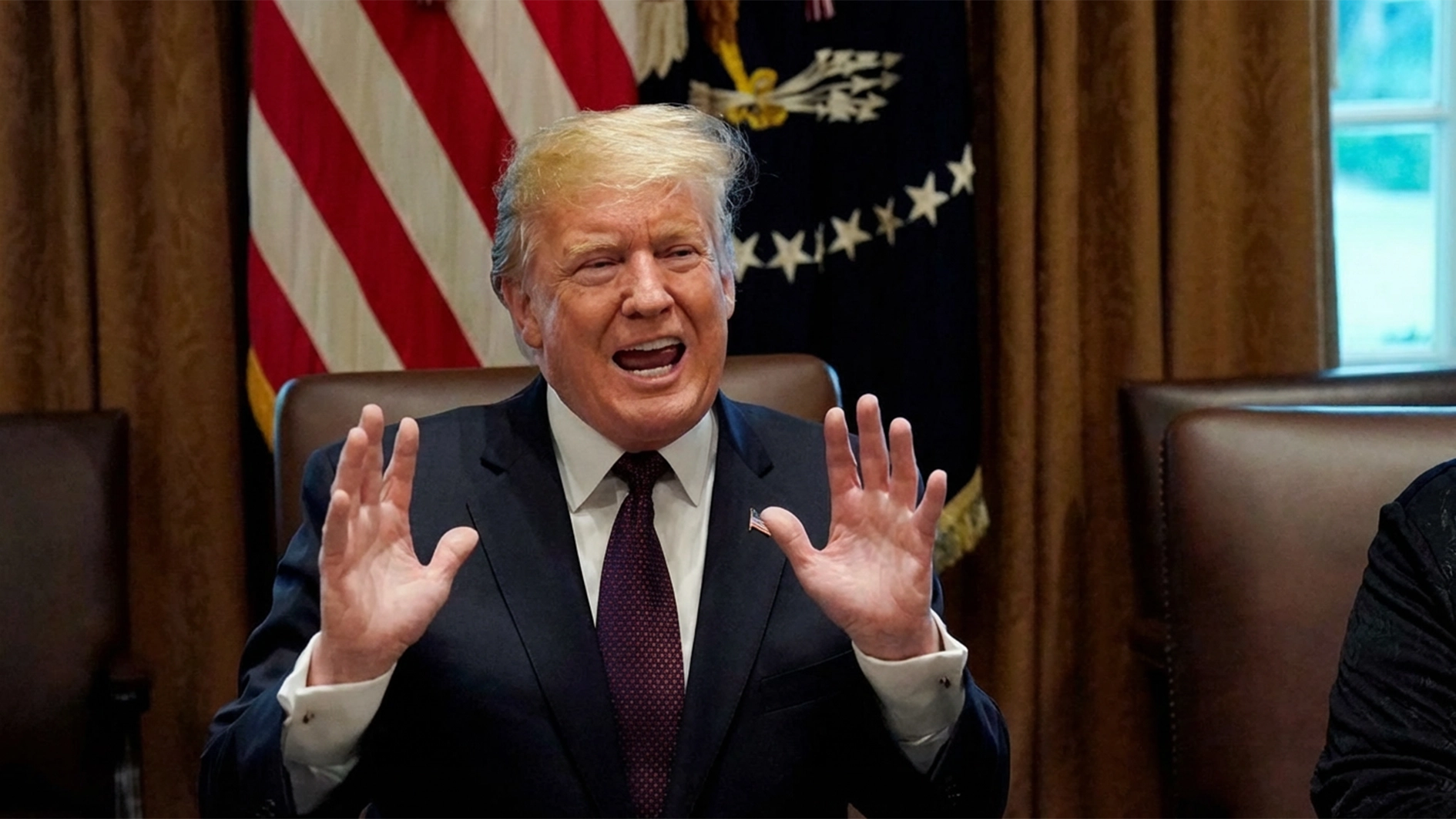
Trump’s decision, which has been heavily criticised by global trade experts, will impose tariffs of up to 50 per cent on foreign exports, including Nigerian goods. This policy shift marks a sharp departure from the global free-trade approach that had been in place for decades.
But amid the dust raised by the policy, Oduwole believes Nigeria still has an advantage over other countries affected. “The Federal Government considers the U.S. a valued trade and investment partner, bound by shared values and mutual economic interests.
The U.S. Ambassador’s visit to the Minister of Industry, Trade and Investment on March 26, 2025, reaffirmed our joint commitment to strengthening economic ties that benefit both economies.”
Meanwhile, U.S. Commerce Secretary, Howard Lutnick, maintained that the steeper tariffs due to be imposed on April 9 are “coming”.
The 10 per cent “baseline” tariff on all imports to the U.S. came into effect on April 5. Higher Custom tariffs on roughly 60 countries, dubbed the “worst offenders”, are due to berth on April 9.
“They are coming, he announced it and he wasn’t kidding. The tariffs are coming; of course they are,” he says. More than 50 countries have reached out to the White House to start trade talks and begin negotiations on tariffs since Trump’s announcement on Wednesday, according to the director of the White House’s National Economic Council, Kevin Hassett.
“They’re doing that because they understand that they bear a lot of the tariff. So, I don’t think you are going to see a big effect on the consumer in the U.S. because I think the reason we have a persistent long-run trade deficit is that these people have very inelastic supply. They have been dumping goods into the country to create jobs, say in China,” Hassett told ABC News on, yesterday.
He mentioned that while the U.S. trading partners were “angry and retaliating,” they are still “coming to the table” to discuss the new trade policies.