 Follow Us on Google News


 Follow Us on Google Discover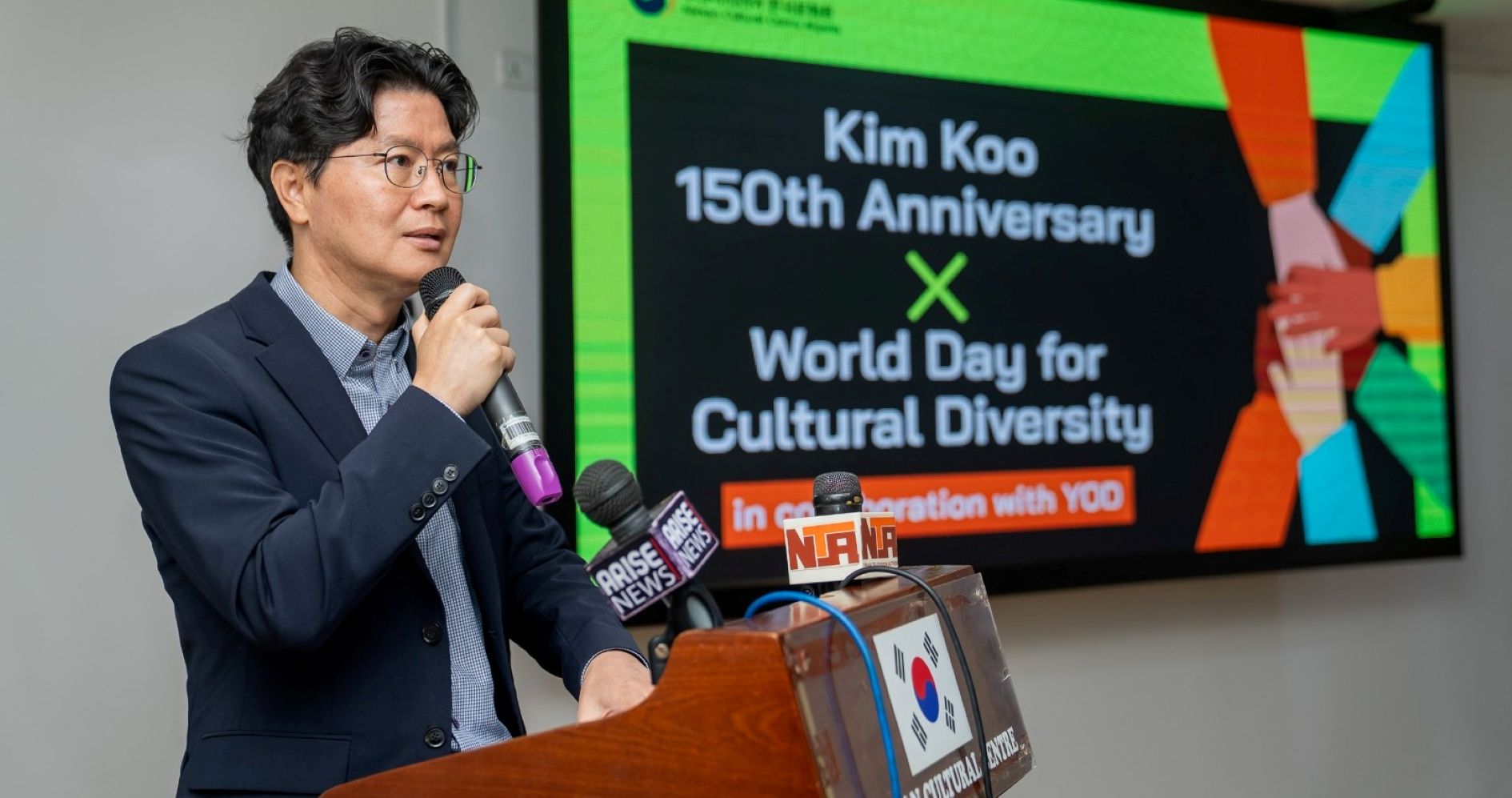
Stakeholders have urged young people to take the lead in preserving cultural heritage and promoting unity through intercultural dialogue and creative expression.
The call came during the 2026 celebration of the UNESCO World Day for Cultural Diversity for Dialogue and Development held in Abuja on Thursday.
Nigeria and South Korea also used the occasion to strengthen cultural cooperation through exchanges involving arts, education, youth engagement, and creative industries.
The event was organised in partnership with the Korean Cultural Centre Nigeria and attracted diplomats, students, cultural advocates, and development partners.
Speaking under the theme “Culture as Power: Shaping Nations through Creativity and Identity,” participants described culture as a vital instrument for diplomacy, peaceful coexistence, and national development.
Director of the Korean Cultural Centre Nigeria, Jeon Juho, said young people are already playing important roles in shaping global cultural exchange and should be encouraged to sustain the momentum.

“Young people are not only the future of cultural exchange; they are already active drivers of change,” he said, adding that their creativity helps bridge divides and deepen understanding among nations.
He noted that cultural cooperation between Nigeria and South Korea continues to expand through music, film, art and storytelling, which he described as important tools for building stronger international relationships.
Jeon added that culture remains a powerful force in shaping national identity and global connections. “Culture is not only a reflection of who we are, but also a powerful force that shapes nations and builds connections across borders,” he said.
President of Youth Orientation for Development (YOD), Emmanuel Ejiogu, said cultural diversity remains essential for peacebuilding and social inclusion in a world increasingly challenged by intolerance and division.
According to him, culture should unite people rather than separate them, while young people must be empowered to become active contributors to global conversations.
“Culture is identity. Culture is memory. Culture is the bridge that connects generations and nations,” he said.
Ejiogu also highlighted the legacy of Korean nationalist leader Kim Koo, noting that this year’s celebration marked the 150th anniversary of his birth.
The event also featured an essay and video competition designed to encourage intellectual and cultural engagement among youths.
Representing UNESCO, Peter Omale said cultural exchange programmes now go beyond traditional performances to include technology and knowledge sharing.
“We have cultural exchange programmes where we exchange not only culture, but also technology. That is part of the gain,” he said.
The event featured panel discussions, cultural performances and award presentations, including the Kim Koo Essay and Video Contest, where participants were recognised for their creativity and research.
Organisers said the programme was aimed at promoting tolerance, strengthening intercultural dialogue and encouraging collaboration among diverse communities.
Participants expressed optimism that stronger people-to-people relations between Nigeria and South Korea would further deepen diplomatic and economic ties between both countries.

