 Follow Us on Google News


 Follow Us on Google Discover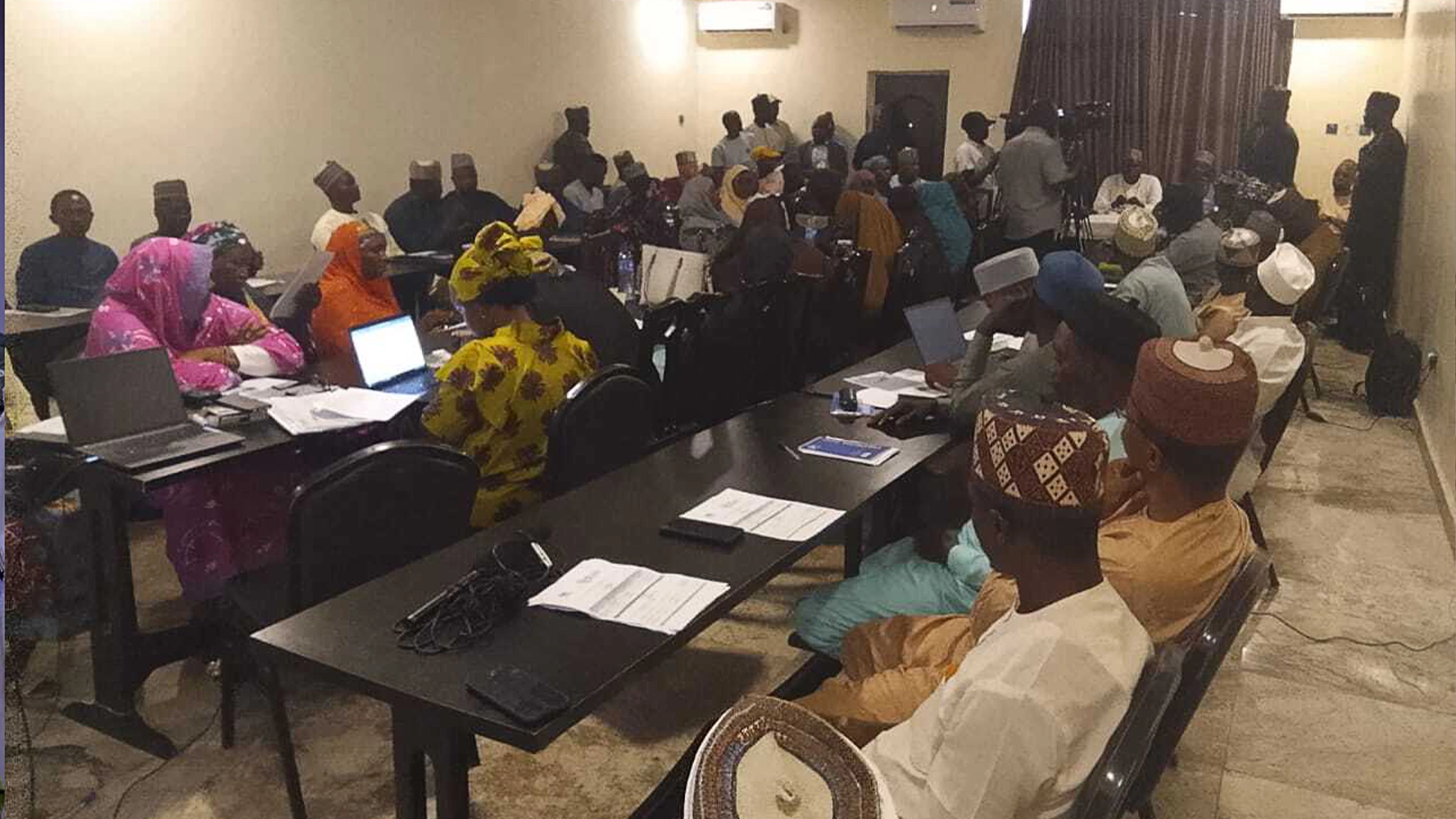
The United Nations Children’s Fund (UNICEF), in collaboration with media stakeholders, has urged journalists to refrain from sensational reporting and instead demonstrate empathy and restraint when covering stories involving children.
The call was made during a two-day workshop on ethical journalism and child rights reporting organised by UNICEF in Kano for media practitioners from Kano and Jigawa states.
Participants noted that the ongoing challenges in Northern Nigeria—particularly in conflict-affected communities—require more careful, accurate, and responsible media coverage of issues concerning children.
Speaking at the event, UNICEF Nutrition Manager, Dr Karanveer Singh, who also serves as Chief of Field Office in Kano, described the training as vital for strengthening professionalism in reporting children’s issues.
He warned journalists against revealing the identities of minors or publishing their photographs in sensitive cases, such as abduction or gender-based violence, noting that such actions could worsen trauma.
Singh emphasised the need for empathy in reporting, stressing that media coverage should not aggravate the suffering of affected children and their families.

Also speaking, Managing Director of Radio Kano, Comrade Abubakar Adamu Rano—represented by the station’s UNICEF Focal Person, Aishatu Usman—highlighted the strong influence of media reports on public opinion and policy decisions.
Usman cautioned that irresponsible reporting could expose children to stigma and harm, while ethical journalism would help protect their dignity and promote their rights.
“As journalists, what we report, how we report it, and the words we use can influence people and even government decisions,” she said.
In her remarks, Chairperson of the Nigeria Association of Women Journalists (NAWOJ), Lagos State chapter, Mrs Jumoke Falayi, stressed the need to safeguard children, describing them as the future generation.
Falayi warned that negative reporting involving children could have long-term consequences, including reputational damage.
Similarly, the Director of Special Programmes at the Nigerian Institute of Journalism, Lagos, Dr Jide Johnson, cautioned against sensational reporting on children, describing it as unethical and harmful to societal development. He urged journalists to prioritise the interests of minors, noting that they are vulnerable and require protection.
Columnist Mr Lekan Sote of The Punch also emphasised the need to safeguard children in all reports, stressing that they should be treated as vulnerable individuals.
The training featured UNICEF officials, including Communication Specialist Samuel Kaalu, alongside resource persons from media and academic institutions.
Participants are expected to acquire the skills and ethical standards required for child-sensitive reporting in line with global best practices.

