 Follow Us on Google News


 Follow Us on Google Discover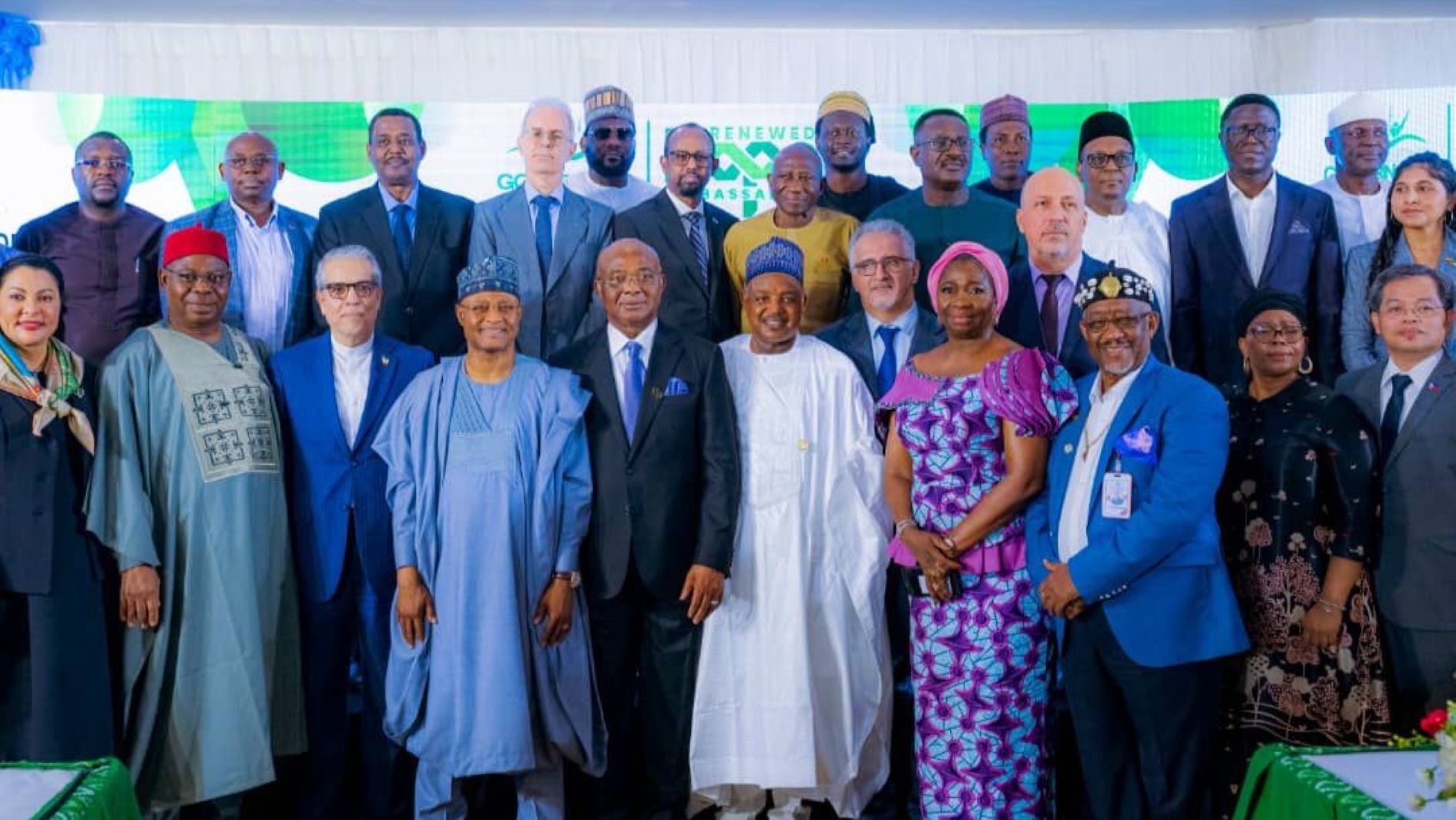
EU backs Tinubu’s Renewed Hope Agenda, urges impact on Nigerians
Chairman of the Progressive Governors’ Forum (PGF, Hope Uzodimma of Imo State, has declared that the economic reforms introduced under the Renewed Hope Agenda (RHA) of President Bola Tinubu have significantly strengthened Nigeria’s fiscal position, lifted foreign reserves to $49.4 billion, and increased monthly Federation Account Allocation Committee (FAAC) disbursements to between N1.8 trillion and N2.6 trillion.
This came as members of the diplomatic community in Nigeria expressed support for Tinubu’s RHA, describing it as a strategic framework capable of addressing poverty, insecurity, and the economic challenges confronting the country.
Uzodimma stated this yesterday during an engagement with members of the diplomatic corps accredited to Nigeria in Abuja, where he presented the economic trajectory of the Tinubu administration since May 2023.
The governor told the diplomats that the administration’s twin reforms — the removal of fuel subsidy and the unification of the foreign exchange market — had fundamentally altered the country’s fiscal outlook and restored investor confidence.
According to him, the reforms, though initially painful, have begun yielding measurable economic benefits across all tiers of government.
He described the removal of petrol subsidy as one of the most consequential anti-corruption measures ever undertaken in Nigeria, arguing that the previous subsidy regime had become a massive conduit for fraud and revenue leakages.

Uzodimma also disclosed that Diaspora remittances, which hovered around $200 million monthly in 2023, increased to an average of $600 million monthly, while foreign exchange market liquidity reached $10 billion in April 2026.
SPEAKING during an engagement with diplomats in Abuja, the European Union (EU) Ambassador to Nigeria and ECOWAS, Gautier Mignot, said the RHA aligned with the aspirations of Nigeria’s international partners and reflected a people-oriented governance approach capable of driving inclusive growth and democratic consolidation.
The interactive session with members of the diplomatic community formed part of ongoing efforts to strengthen collaboration between Nigeria’s state governments and international partners on governance, investment, development cooperation and democratic reforms.
The meeting, chaired by Uzodimma, provided a high-level platform for constructive engagement on issues of shared interest, including subnational governance, investment opportunities, security cooperation, climate resilience and partnerships aimed at deepening development across Nigerian states.
Mignot noted that the engagement was relevant to all stakeholders because it offered deeper insights into the Federal Government’s policy direction and the role subnational governments can play in complementingnational development efforts.
Delivering a goodwill message, the Ambassador of Liberia to Nigeria, John Ballout, expressed appreciation to Uzodimma for presenting what he described as a holistic picture of the RHA.
Similarly, the Ambassador of the Philippines, Mersole Mellejor, speaking on behalf of the Association of Southeast Asian Nations, described the forum as timely and relevant.
He said the engagement created an avenue for exchanging ideas and strengthened collaboration between Nigeria and countries in the Southeast Asian bloc.

