 Follow Us on Google News


 Follow Us on Google Discover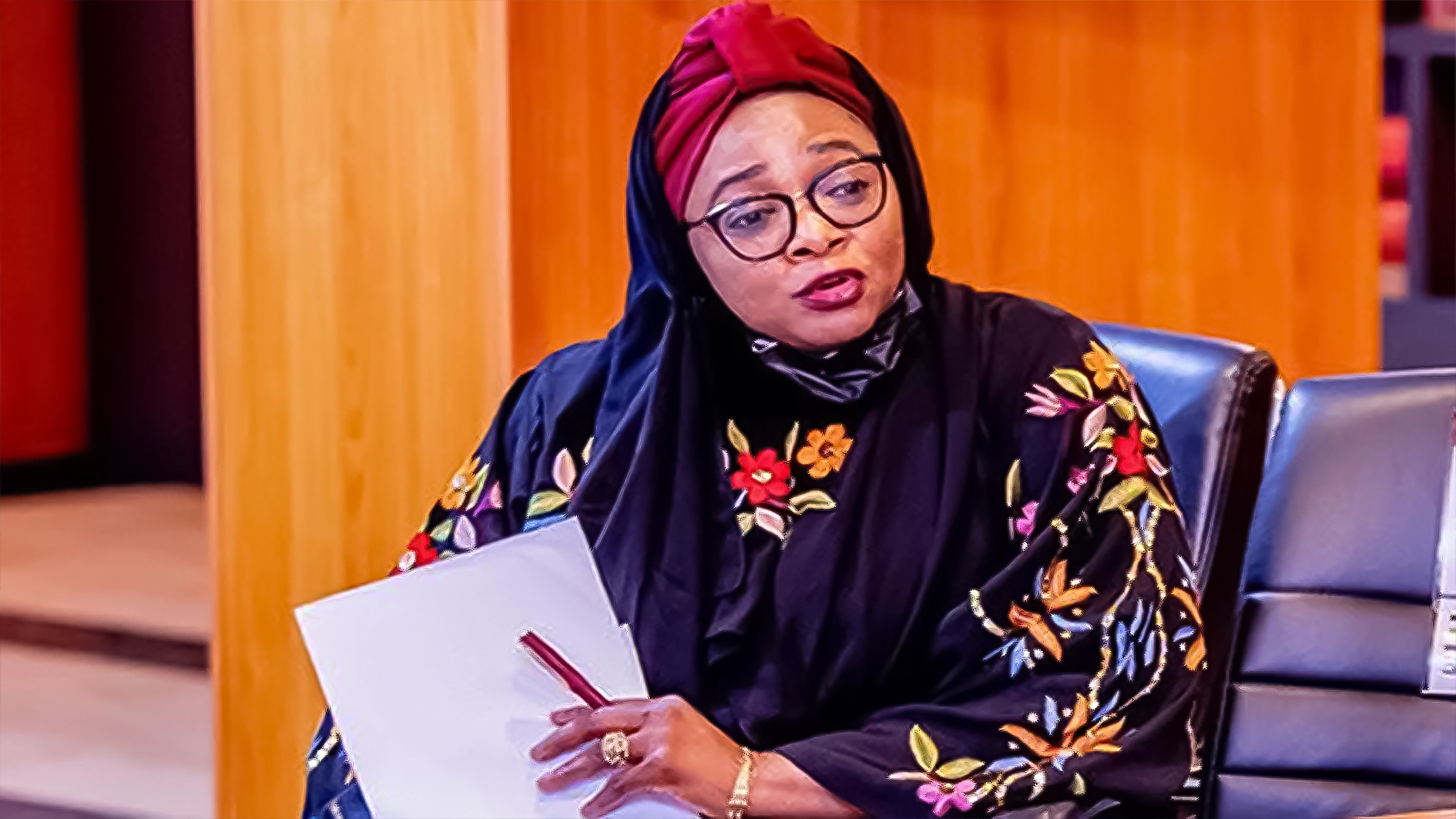
The Federal Government (FG) has warned that persistent violence against girls, rising child marriage cases, poor access to education and growing family instability are threatening Nigeria’s long-term social and economic development.
Speaking during a high-level inter-generational dialogue and press briefing in Abuja, the Minister of Women Affairs and Social Development, Imaan Sulaiman-Ibrahim, said millions of Nigerian children, particularly girls, continue to face systemic barriers that undermine their safety, wellbeing and future productivity.
“Our girls continue to bear a disproportionate brunt of abuse and systemic exclusion,” the minister said. “Approximately 30 per cent of Nigerian women aged 15 to 49 have experienced physical or sexual violence, while one in three girls is still married before the age of 18.”
She added that the situation is worse in rural communities where child marriage rates rise to nearly 48 per cent, while millions of girls remain trapped in the country’s out-of-school crisis.
“Girls remain the most significantly affected, particularly in conflict-prone regions where their vulnerability to exploitation and displacement is highest,” she stated.
Sulaiman-Ibrahim noted that despite existing legal and policy frameworks, abuse, exploitation and educational exclusion remain widespread across the country, especially in underserved communities.

Warning about the long-term implications, the minister said the consequences of child marriage, female genital mutilation and violence against children extend beyond individual trauma to national development concerns.
“When a girl is subjected to child marriage, when a child experiences Female Genital Mutilation, or when any young person is exposed to violence, the nation does not only lose a voice; it loses productivity, potential, and long-term economic value,” she said.
“These harms translate into measurable social and economic deficits, weakening national cohesion.”
She said the Federal Government was intensifying efforts to strengthen child protection systems, improve inclusion and expand access to education and social welfare services.
Part of the response, according to her, includes the ongoing review of the Child Rights Act to address emerging digital-age threats, alongside stronger implementation of the Violence Against Persons (Prohibition) Act across states.
Sulaiman-Ibrahim disclosed that the government had also developed national action plans on ending violence against children, ending child marriage and eliminating female genital mutilation.
Highlighting intervention programmes, the minister said the World Bank-supported AGILE project is being used to scale educational opportunities and digital literacy programmes to more than 8.6 million girls across 18 states.
“Our mission is to move from data to dignity,” she said, adding that government was acting “with the speed and precision required to protect the over 100 million Nigerian women and girls whose futures depend on our resolve.”
The minister further announced plans for a Universal Child Benefit targeting vulnerable children and households, alongside the expansion of the “Future Now Initiative” aimed at equipping children with digital literacy, STEM education and artificial intelligence awareness.
She also revealed that Nigeria’s first National Menstrual Health and Hygiene Policy is awaiting approval, describing period poverty as another major barrier affecting girls’ school attendance and dignity.
Declaring 2026 as the “Year of Families and Social Development,” President Bola Ahmed Tinubu, according to the minister, is placing renewed attention on the role of families in child protection, moral development and national stability.
The government also unveiled the theme for the 2026 National Children’s Day celebration as “Future Now: Promoting Inclusion for Every Nigerian Child.”
Sulaiman-Ibrahim stressed that children must no longer be treated merely as beneficiaries of government interventions but as active participants in national development.
“When we deliberately listen to children, when we give them space, trust, and dignity of expression, we nurture confidence, identity, and agency,” she stated.
She added that platforms such as the proposed “FutureNow” podcast would give children and adolescents opportunities to share their experiences and contribute to national discourse.
Permanent Secretary of the ministry, Esuabana Nko Asanye, called for stronger collaboration among government agencies, development partners, civil society groups and the media to advance child welfare and protection.
“We reaffirm our collective resolve and therefore call for all hands to be on deck for the sake of our children,” Asanye said.
She noted that safeguarding children requires collective responsibility from families, schools, communities and institutions.
Development partners including UNICEF, Save the Children and SOS Children’s Villages were commended for supporting Nigeria’s child protection and family strengthening programmes.

