 Follow Us on Google News


 Follow Us on Google Discover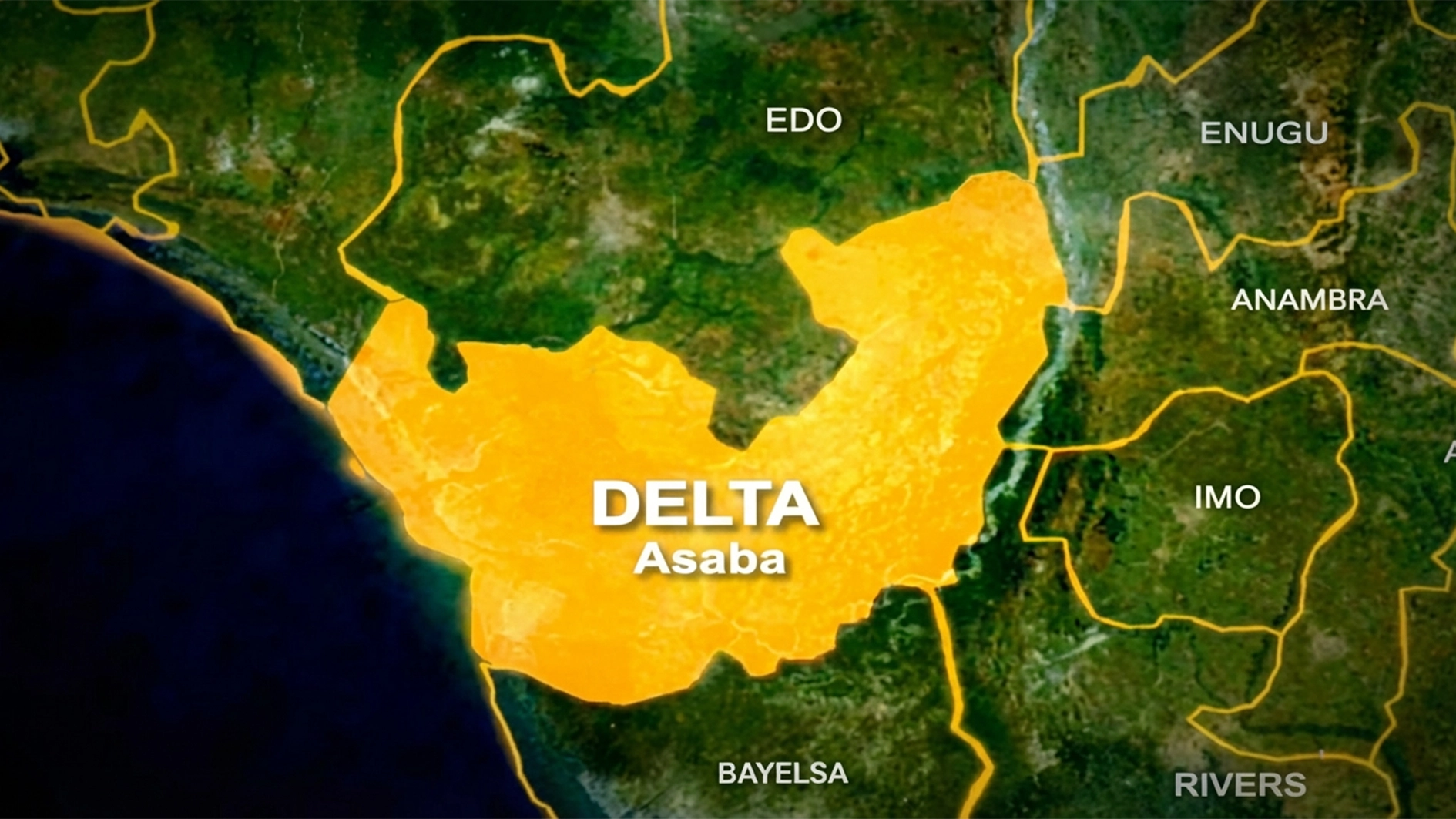
…Cite historical records, court judgments
The controversy surrounding the recent ward and polling unit delineation exercise in Delta State has deepened as leaders of the Agbassa Urhobo community in Warri have rejected claims by some Ijaw groups over ownership of lands in Warri South Local Government Area.
The dispute followed the release of the Independent National Electoral Commission’s (INEC) comprehensive report on the delineation of wards and polling units within the Warri Federal Constituency, a development that has generated mixed reactions among the Urhobo, Ijaw and Itsekiri ethnic nationalities.
According to the INEC report, Urhobo and Ijaw communities will share a single State Constituency I in Warri South, while the Itsekiri people will have a separate constituency.
The arrangement has reignited longstanding disagreements over territorial ownership and political representation in the area.
Responding to claims allegedly made by some Ijaw groups that they own the entire land occupied by Ogbe-Ijoh and surrounding areas, leaders of the Agbassa Urhobo community insisted that historical records, colonial documents and judicial pronouncements clearly establish that the land belongs to the indigenous Urhobo people of Agbarha-Warri Kingdom.

Speaking on behalf of the community, a leader of the Agbarha-Warri Kingdom, Chief Westham Adejor, argued that attempts to portray Ogbe-Ijoh as an original mainland community with extensive territorial ownership in Warri Mainland contradict available documentary evidence.
He maintained that while Ogbe-Ijoh exists as a recognized settlement, it was established on land belonging to the indigenous Urhobo people of Otovwodo (Agbassa) Community in Agbarha-Warri Kingdom.
According to Adejor, one of the earliest documented land transactions in Warri Township occurred on February 16, 1894, when the late Chief Igbi sold land in Aldershot Town to Saturino Peregrino Wilkey.
He noted that historical records show no challenge to the transaction by any Ijaw claimant at the time, a situation he said further weakens claims of ownership over the area.
The Agbassa leader also dismissed allegations that oil and gas companies operating in Warri South pay royalties to the Ogbe-Ijoh community on the basis of land ownership, describing such assertions as unfounded.
Providing a historical account of the emergence of Ogbe-Ijoh settlement, Adejor stated that before 1893, there was no permanent Ogbe-Ijoh settlement on the Warri Mainland.
He explained that two Ijaw men, identified as Okubio and Idei, reportedly approached the British Consulate in Warri seeking permission to establish a settlement near the consulate due to difficulties they were experiencing with the Royal Niger Company.
According to him, the request was considered after consultations with Agbarha chiefs who had earlier entered into treaties with the British Crown.
Following approval, the settlers established a community along the Warri River within a mile of the consulate, which later became known as Ogbe-Ijoh.
He argued that the historical circumstances surrounding the settlement indicate that the Ogbe-Ijoh people were customary grantees rather than original landowners.
The Agbassa community further cited several court decisions which it said settled the issue of ownership decades ago. Particular reference was made to a Supreme Court judgment delivered on April 24, 1967, in Appeal No. SC/450/65, which community leaders claimed affirmed earlier rulings regarding land ownership in the area.
They also referred to remarks by Justice Marshall Umukoro in a later proceeding, which allegedly described renewed ownership claims as an attempt to reopen matters that had been conclusively determined by the courts since July 1964.
In addition, the community pointed to the Herbert Macaulay survey map produced during the famous Dore Numa litigation of 1925.
According to Agbassa historians, the map clearly identified the Ogbe-Ijoh settlement as being situated within Agbassa territory and remains one of the key documentary references used in tracing historical settlement patterns in Warri.

