 Follow Us on Google News


 Follow Us on Google Discover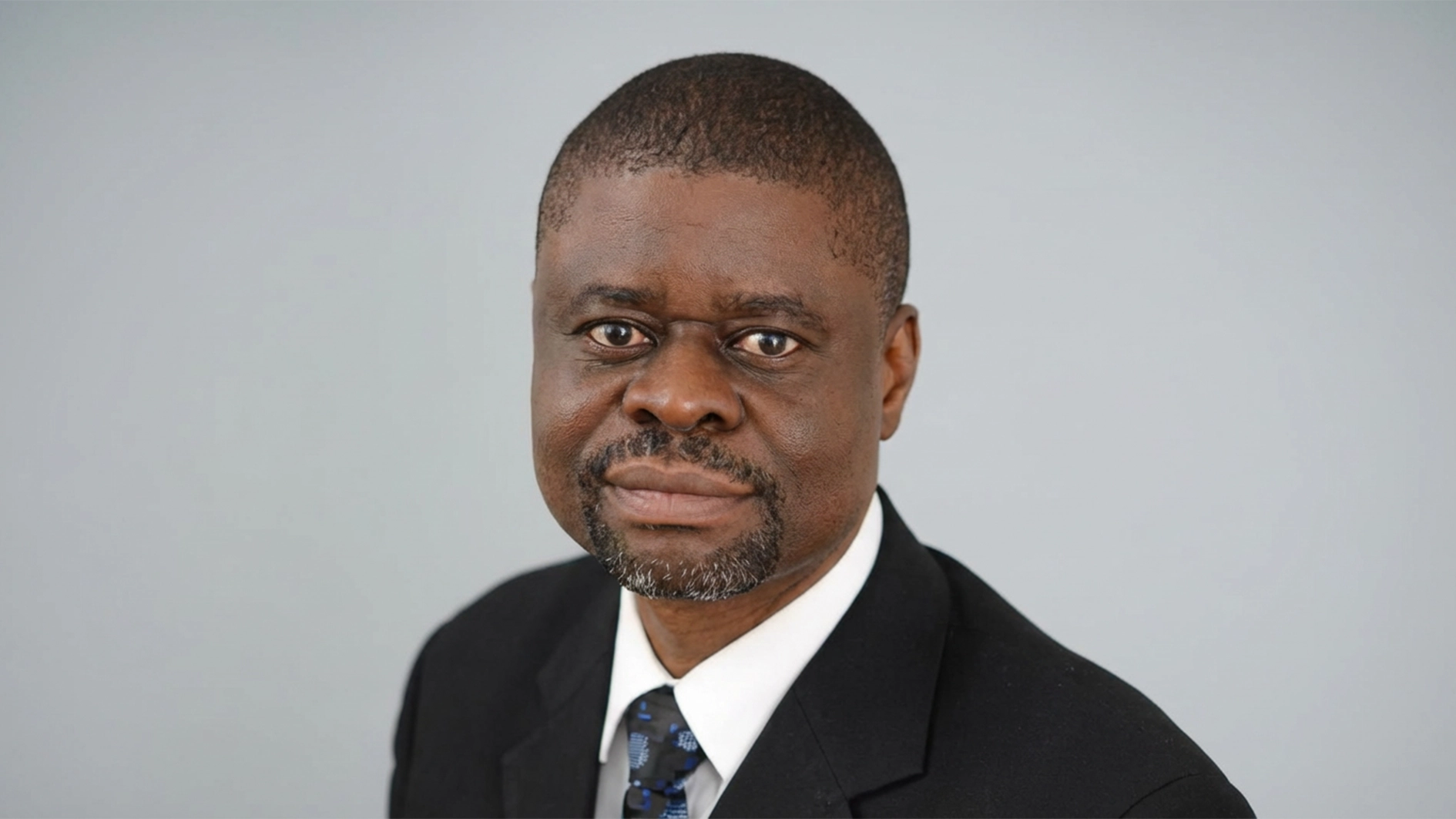
The Centre for Legislative Support and Democracy (Centre LSD) has called for women to occupy at least 50 per cent of all elective political positions in Nigeria, arguing that their population strength and contributions to society justify equal representation in governance.
The call was made in Abuja by the founder of Centre LSD and Project Director of the Male Feminists Network (MFN), Dr. Otive Igbuzor, during a capacity-building programme for women’s rights organisations focused on engaging male allies in the gender justice movement.
According to Igbuzor, Nigeria cannot achieve sustainable development, peace and good governance while excluding women from decision-making processes.
“Women constitute about half of Nigeria’s population, yet they hold only a tiny fraction of elective offices. A democracy that sidelines half of its population cannot deliver justice, stability or development,” he said.
He dismissed claims that women fail to support female candidates at the polls, describing such arguments as “blaming the victim.”
“Youth do not automatically vote for youth either. Voting behaviour is shaped by money, power, political structures and social conditioning — not gender alone,” Igbuzor explained.

Citing global evidence, he noted that countries with higher female participation in leadership tend to record better development outcomes.
“When women are in leadership, society benefits. Women leaders prioritise education, health, water and child welfare — sectors that directly improve quality of life,” he said, referencing research from India and lessons from the COVID-19 pandemic, where countries led by women recorded more effective and humane responses.
Igbuzor also highlighted the role of women in peace and security, noting that peace processes are more durable when women are actively involved.
“Where women participate meaningfully in peace negotiations, agreements last longer, relapse into conflict is reduced, and communities take ownership of the peace process,” he said.
On strategy, Igbuzor said Centre LSD works closely with traditional rulers as custodians of cultural norms and engages male-dominated civil society organisations that publicly support gender equality but fail to practise it internally.
“There is a difference between proclaiming feminism and practising it. Some organisations speak gender equality but operate exclusion.
That contradiction must be confronted,” he stated.
He announced plans by the Male Feminists Network to convene a national summit bringing male-dominated organisations together with women feminists to strengthen accountability and translate commitments into action.
Igbuzor disclosed that over 3,200 Nigerian men have so far been trained and certified as feminist allies under the MFN project, which focuses on preventing gender-based violence (GBV) and promoting gender equality.
“Patriarchy is produced, enforced and defended within male-dominated systems. It cannot be dismantled without men changing their beliefs, behaviours and use of power,” he said.
The two-year national MFN project (2025–2027), funded by the Ford Foundation, operates through six zonal partners nationwide, with 52 master trainers delivering step-down trainings to more than 500 participants across communities, schools, faith institutions and civil society spaces.
The initiative has also launched what it describes as the world’s first online course on male feminism and GBV prevention, attracting over 8,500 participants globally. More than 3,100 Nigerians have completed the programme and received certification.
“These men are not just learning; they are taking action — challenging harmful gender norms and supporting women’s rights in their communities,” Igbuzor said.
He added that the MFN project will expand digital learning, deepen engagement with traditional and religious leaders, and intensify policy advocacy on gender equality and GBV prevention.

