 Follow Us on Google News


 Follow Us on Google Discover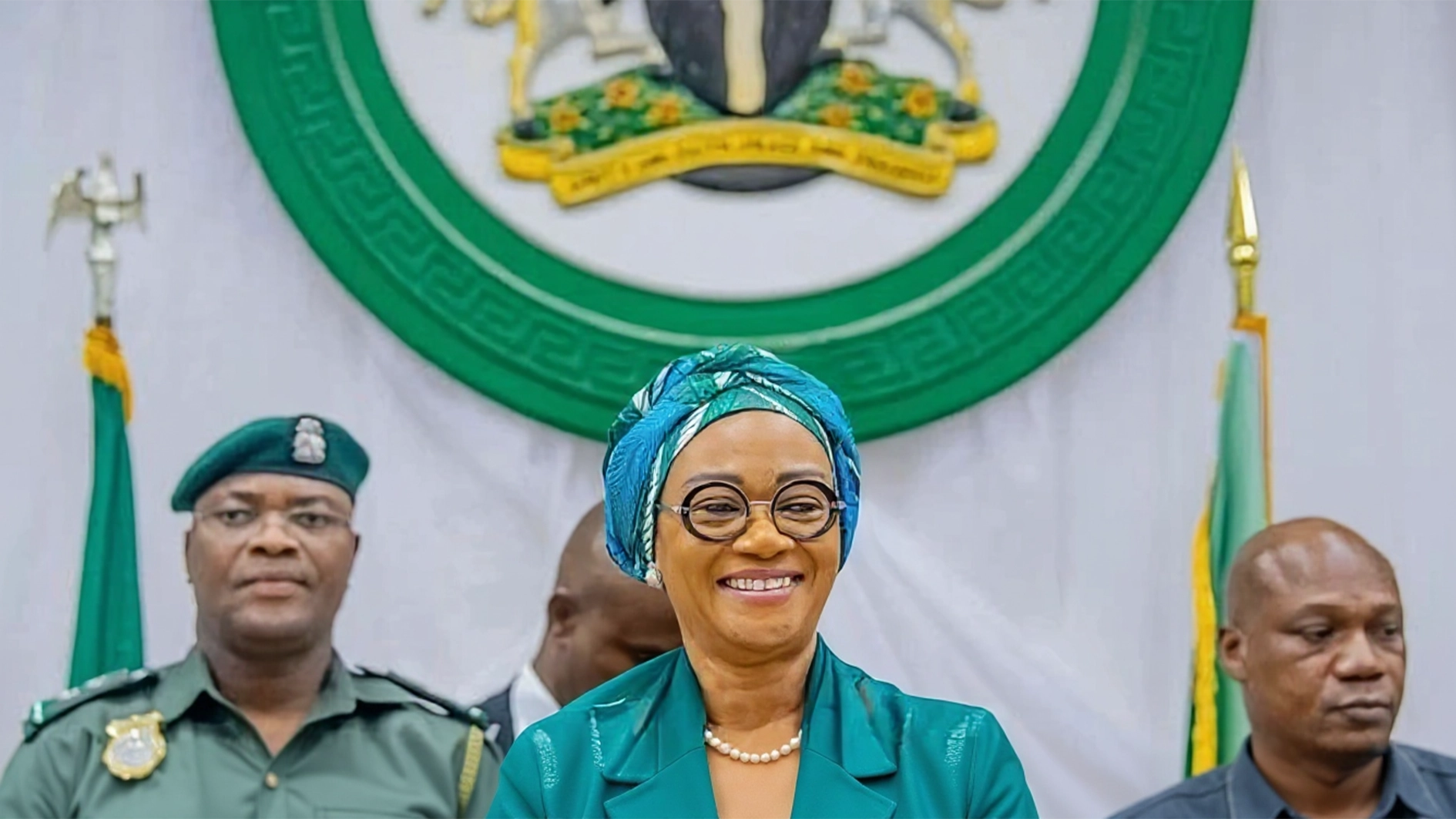
RDI urges gender-responsive intervention strategies
The First Lady of Nigeria, Oluremi Tinubu, has called for renewed commitment to equitable access to water and sanitation, stressing its critical role in advancing gender equality across the country.
Tinubu, in her message to commemorate this year’s World Water Day celebration themed: “Water and Gender”, stated that the special campaign slogan “Where Water Flows, Equality Grows,” captures the unique connection between access to water, sanitation, and gender equity.
She said that access to clean and safe water remains a major challenge in many communities, disproportionately affecting women and girls who often bear the burden of sourcing water for household use.
The President’s wife emphasised that improving access to potable water would not only address basic human needs but also unlock broader social and economic benefits, particularly for women and girls.
She, therefore, called on government at all levels, development partners, and communities to work collaboratively to bridge gaps in water access and promote inclusive policies that prioritise gender equity, adding that sustainable investment in water infrastructure and sanitation services is essential to achieving national development goals and improving the quality of life for all Nigerians.
Also, Renevlyn Development Initiative (RDI) has urged the federal and state governments to adopt gender-conscious approaches when formulating policies to address the nation’s water crisis.

In a statement in Lagos, RDI said the 2026 commemoration speaks directly to the challenges of women and girls in Nigeria and most countries of the Global South, especially the physical and mental exhaustion they experience in sourcing water.
RDI Project Officer, Tracy Ohovwore, said: “The situation in most communities across Nigeria readily comes to mind. The daily drudgery women and girls contend with due to the dry taps in their communities is real.
“Disturbingly, the situation is not only in the rural communities; in cities like Lagos and Abuja, it is the same. “
That is why the theme of this year’s commemoration is a wake-up call to the government at all levels to be gender-conscious in addressing the avoidable water challenges in the country.”
Ohovwore noted that women and girls “are disproportionately affected when access to water is a challenge because they are the ones who go the distance often facing risks in search of water.”
According to her, in many cases, some girls end up not going to school to satisfy the home.

