 Follow Us on Google News


 Follow Us on Google Discover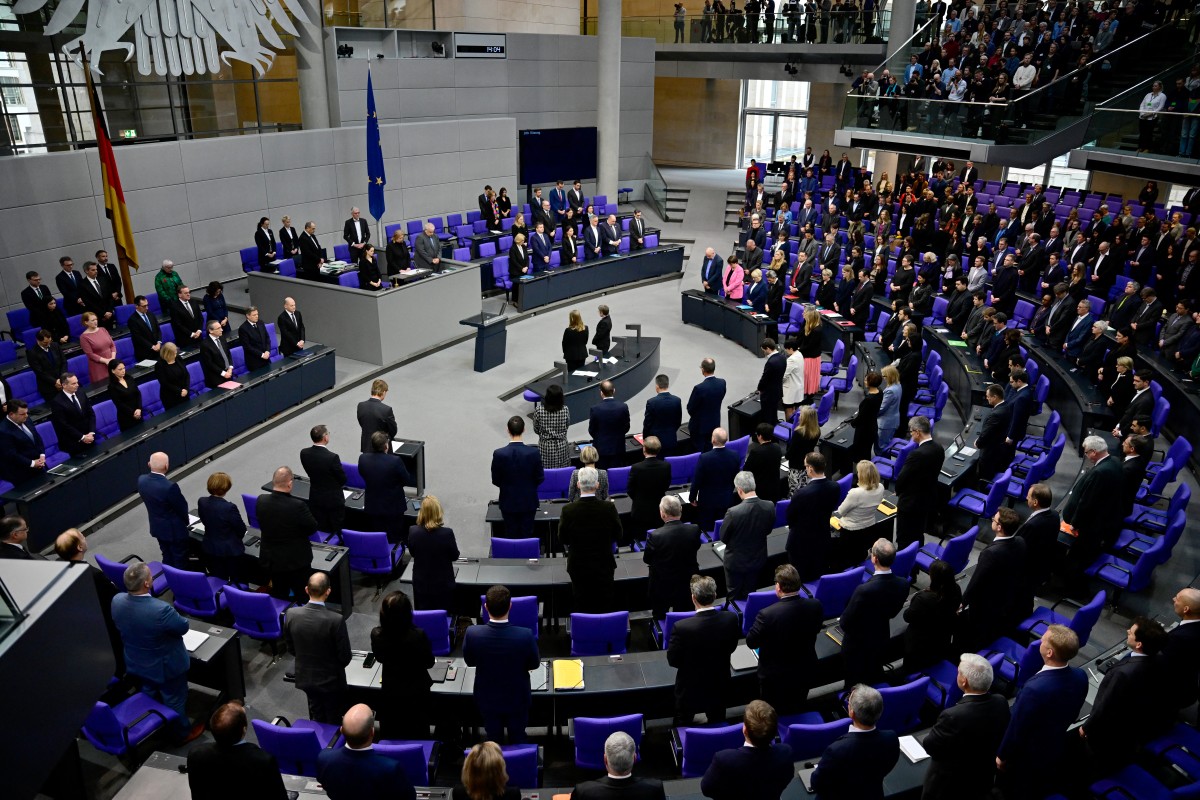

Germany’s parliament narrowly passed a resolution Wednesday urging tough restrictions on immigration that was especially controversial because it was backed by the far-right AfD.
The motion was brought, ahead of the February 23 elections, by the conservative opposition CDU-CSU and backed by, among others, the Alternative for Germany (AfD) party. That broke a long-standing taboo on cooperation with the anti-immigration party.
MPs passed it with 348 votes in favour and 345 against, with 10 abstentions.
The vote came days after a knife attack that killed two people, including a two-year-old child, with an Afghan man arrested at the scene.
The resolution lacks the force of law but calls on the government to launch permanent border controls and for the “rejection of all attempts to enter the country illegally without exception”.
It says this should include those seeking protection because in the neighbouring EU countries they arrive from, “they are already safe from persecution”.

The resolution also argues that people required to leave Germany “must be taken into custody immediately”, adding that more detention centres should be built, including in empty army barracks.
It labelled as “clearly dysfunctional” the existing European regulations on migrants and asylum seekers.
The motion also criticised the AfD, which it accused of “using the problems, worries and fears caused by mass illegal migration to stir up xenophobia and spread conspiracy theories”.
Despite this clause, the AfD voted in support of the resolution, along with the FDP, helping it to pass despite the strong opposition of Chancellor Olaf Scholz’s Social Democrats and the Greens.

