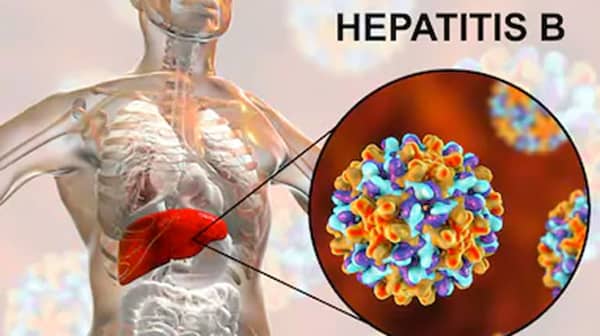
Experts appointed by the Trump administration’s vaccine-skeptic health secretary reviewed Thursday the routine practice of administering hepatitis B vaccines to newborns, considering whether to delay the shot.
The reorganized Advisory Committee on Immunization Practices (ACIP) is convening for two days in Atlanta, Georgia, to follow up on a September meeting that resulted in new recommendations for Covid-19 and measles vaccinations.
Under Health Secretary Robert F. Kennedy Jr, ACIP is now composed largely of figures criticized by the scientific community for lack of expertise or their promotion of vaccine-skeptic theories.
It has initiated a broad review of the safety of several vaccines, some of which have been in use for decades.
The shift led by the nation’s health chief — who has long voiced anti-vaccine rhetoric despite his lack of medical credentials — is causing alarm in the American medical and scientific community.
Experts have warned about dropping immunization rates and the return of deadly contagious diseases like the measles, which caused several deaths in 2025.
– First 24 hours –
Since 1991, US health officials have recommended the hepatitis B vaccine for newborns, as is done in countries like China and Australia and is recommended by the World Health Organization.
The viral liver disease exposes infected individuals to a high risk of death from cirrhosis or liver cancer.
Vaccination of newborns has virtually eradicated hepatitis B infections among young people in the United States.
But a proposal unveiled Thursday said the shot should be limited to babies whose mothers are carriers of the disease. Other children would receive their first dose at two months.
According to several ACIP members, such a change would align the US vaccination schedule with those of other developed countries like France and Britain.
But medical experts said such a change is risky in the United States, pointing to shortcomings in maternal screening, with delays likely to cause a drop in vaccination rates in a country where access to health care can be complicated.
Delaying the hepatitis B vaccine is “irresponsible, disrespectful and very damaging,” Flor Munoz of the National Foundation for Infectious Diseases said Thursday, warning of risks to the most vulnerable patients.
“Ninety percent of babies infected with hepatitis B will go on to have chronic liver disease. Of those, a quarter will die from their hepatitis B infection. These are entirely preventable deaths,” said Sean O’Leary, an infectious disease and pediatric specialist who has been critical of the lack of qualifications among ACIP’s new members.
But anti-vax groups and President Donald Trump have pushed back, with Trump insisting that children should not be vaccinated against hepatitis B until the age of 12, saying: “Hepatitis B is sexually transmitted. There’s no reason to give a baby that’s almost just born hepatitis B.”
Medical experts condemned Trump’s assertions, saying newborns can be infected by their mother during pregnancy or childbirth.
An analysis published University of Minnesota researchers this week looked at more than 400 studies, concluding there was no benefit to delaying the hepatitis B vaccine, but there are “critical risks of changing current US recommendations.”
– Loss of trust –
The repercussions of the ACIP’s vaccine recommendations are broad because federal guidelines often dictate whether vaccines are paid for by health insurance companies in the United States, where a vaccine can cost hundreds of dollars.
But the committee’s influence is waning amid withering criticism from the American scientific and medical community, with Democratic-led states announcing they will no longer follow its recommendations.