Taiwan has reached a “general consensus” with the United States on a trade deal, Taiwanese negotiators announced on Tuesday, following months of discussions aimed at easing tariffs on the island’s exports.
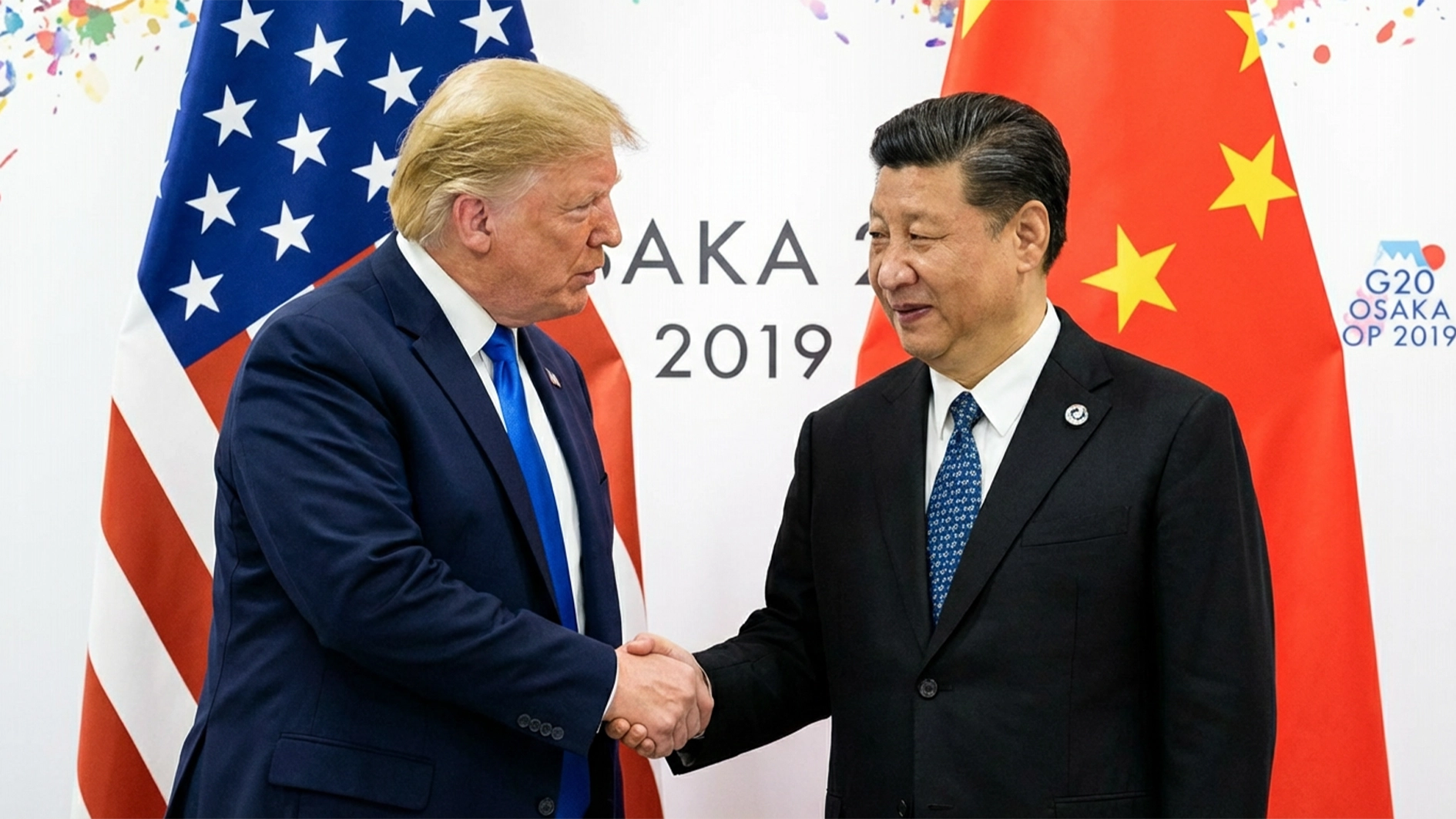
Negotiations between Taipei and Washington began in April after former US President Donald Trump imposed a 32 per cent tariff on Taiwanese goods, later reduced to 20 per cent, as part of broader trade measures affecting multiple partners.
“The goal of the US-Taiwan tariff negotiations has always been to seek reciprocal tariff reductions without stacking tariffs and to obtain preferential treatment under Section 232 for semiconductors, semiconductor derivatives, and other items,” Taiwan’s Office of Trade Negotiations said in a statement. The office added that a “general consensus” had been reached on these issues.
Section 232 of the US Trade Expansion Act allows tariffs to be applied when imports are deemed a threat to national security. The statement said both sides are “currently discussing the schedule for a concluding meeting, and an announcement will be made once it is confirmed.” Taiwan’s trade officials also pledged to provide “a complete explanation of the negotiations and the agreement” to the public and the opposition-controlled parliament.
Taiwan is a leading manufacturer of semiconductors and other electronics, sectors central to the global economy. The United States has previously criticised Taiwan for exporting advanced chip technology abroad, with past US administrations seeking more production of these critical components on American soil. Last year, Washington launched investigations under Section 232 into semiconductors and chip-making equipment.
Taiwan’s trade surplus with the United States reached $73.9 billion in 2024, the seventh highest globally, with over half of its exports to the US comprising information and communications technology products, including semiconductors.
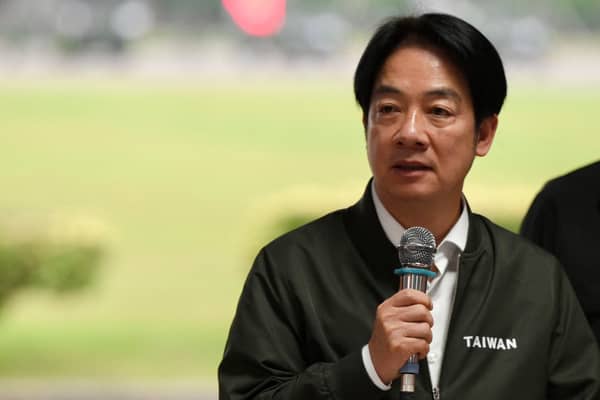
President Lai Ching-te has pledged to increase defence spending and boost investment in the United States as part of efforts to maintain favourable trade terms. He has said defence expenditure will rise to more than three per cent of GDP in 2026 and five per cent by 2030, though parliament has blocked an additional $40 billion allocation for defence.
The world’s largest contract chipmaker, TSMC, has also committed to investing an extra $100 billion in the United States. However, Taiwanese Deputy Foreign Minister Francois Chih-chung Wu has confirmed that the country intends to continue producing its “most advanced” semiconductors domestically.