 Follow Us on Google News
 Follow Us on Google Discover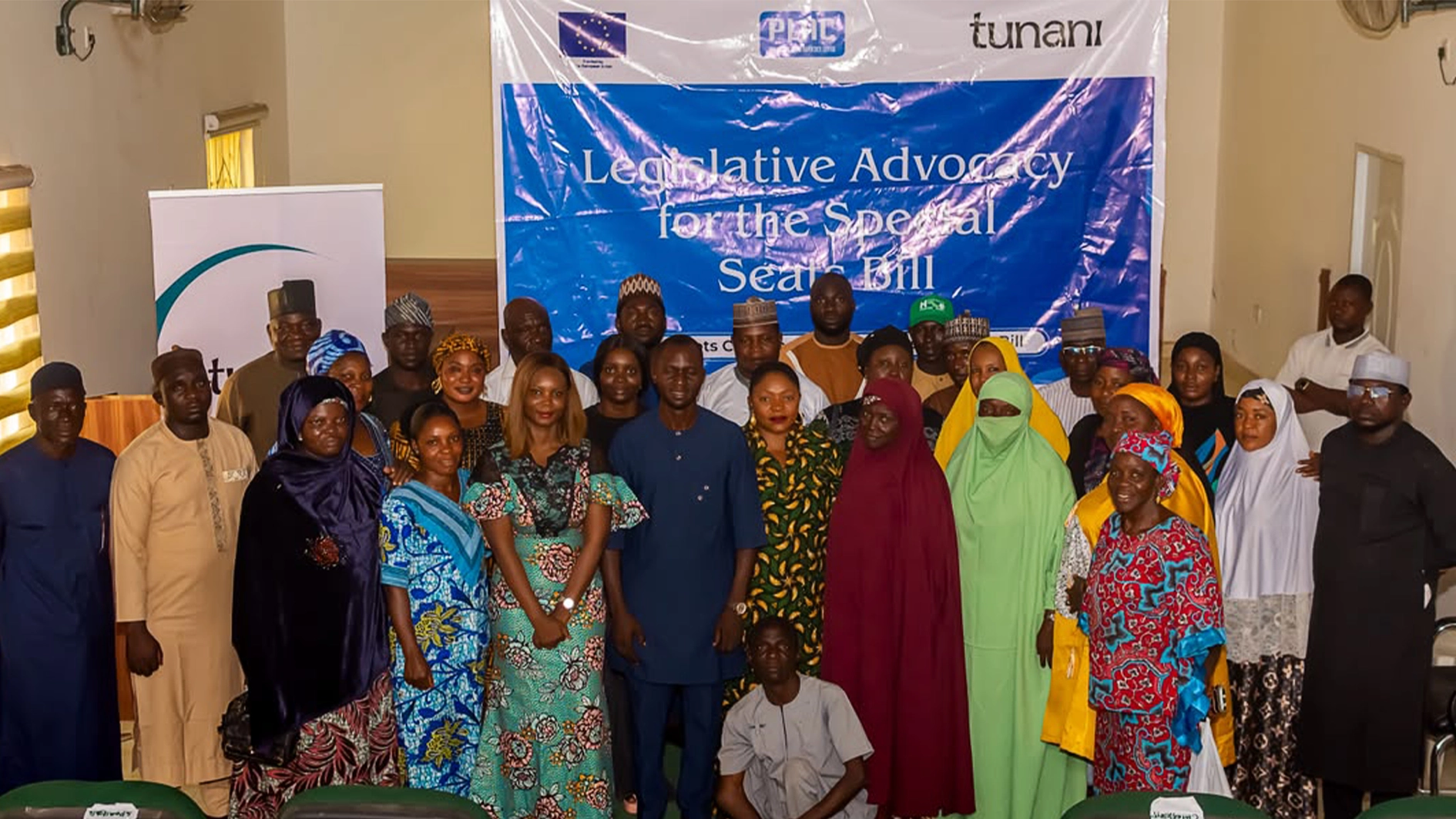
Women’s political advocates have expressed concern that the proposed Special Seats Bill, designed to increase female representation in Nigeria’s legislative bodies, will not influence the composition of the 2027 general elections after failing to complete the constitutional amendment process before the Independent National Electoral Commission’s timeline closed.
The bill, a constitutional amendment proposal seeking to create 182 additional seats exclusively for women across the National Assembly and state legislatures, remains at the committee stage in the National Assembly despite renewed advocacy efforts and widespread support from women’s groups.
The legislation, first introduced during the Ninth National Assembly and reintroduced in 2024, was conceived as a response to Nigeria’s low level of female political representation and draws inspiration from the Beijing Platform for Action and Nigeria’s National Gender Policy.
Advocacy organisation Tunani Initiative disclosed this in a report detailing its Legislative Advocacy for the Special Seats Bill project driven by young women, which was implemented between February and April 2026 with support from the Policy and Legal Advocacy Centre and the European Union.
According to the organisation, the project focused on engaging lawmakers and grassroots communities to build support for the bill and address misconceptions surrounding its implementation.
As part of the campaign, Tunani conducted direct advocacy visits to three federal lawmakers. The organisation said the engagements resulted in significant shifts in the positions of the legislators.

Senator Amos Yohanna, representing Adamawa North, reportedly moved from initial scepticism to openly supporting the bill and pledged to advocate for it within the Senate.
Similarly, Hon. Jeremiah Umaru, representing Akwanga/Nasarawa Eggon/Wamba Federal Constituency, committed to mobilising support among fellow lawmakers.
Hon. Adamu Tanko, representing Gurara/Suleja/Tafa Federal Constituency, expressed conditional support, citing concerns about constitutional provisions, fiscal implications and the structure of the proposed women-only constituencies.
Tunani also consulted 10 lawmakers — four senators and six members of the House of Representatives drawn from the six geopolitical zones — to develop a frequently asked questions resource on the bill.
The consultations revealed that many reservations among lawmakers stemmed from uncertainty about implementation rather than outright opposition to the legislation.
At the community level, the organisation held sensitisation sessions in Karu Local Government Area of Nasarawa State and Suleja Local Government Area of Niger State.
The sessions attracted 52 participants. In Karu, only two of the 26 participants were familiar with the bill before the engagement, while 22 participants demonstrated an understanding of its provisions afterwards. In Suleja, 25 out of 26 participants indicated familiarity with the proposal following the session.
Participants also recorded video messages urging lawmakers to support the legislation, which were later compiled into a grassroots advocacy campaign.
Despite the gains recorded, Tunani noted that the bill would have required approval by the National Assembly and endorsement by at least 24 state Houses of Assembly before INEC’s electoral deadlines to affect the 2027 elections.
However, the organisation stressed that this setback should only reinforce the urgency for intensified advocacy. Passing the bill before the expiration of the 10th National Assembly will lay the necessary legal foundation for greater female representation in future electoral cycles.

