Welcome, friend. After spending years covering relationships, marriages, and cultural practices across Nigeria, and conducting months of research into monogamous marriage patterns in our nation, I’ve finally put together what I hope will be your definitive guide to understanding whether Nigerians are truly monogamous. This question comes up repeatedly, particularly from those outside our borders who hold certain assumptions about African marriage practices. The short answer? It’s wonderfully complicated. The long answer involves navigating our rich cultural history, religious influences, legal frameworks, and the fascinating ways our society is evolving. Whether you’re curious about Nigerian relationships, planning to marry a Nigerian, or simply fascinated by how different cultures approach love and commitment, you’re in the right place. Let me walk you through this together.
Understanding Traditional Nigerian Marriage Systems
Traditional Nigerian marriage has always existed in beautiful, complex layers that reflect our diverse cultural heritage.
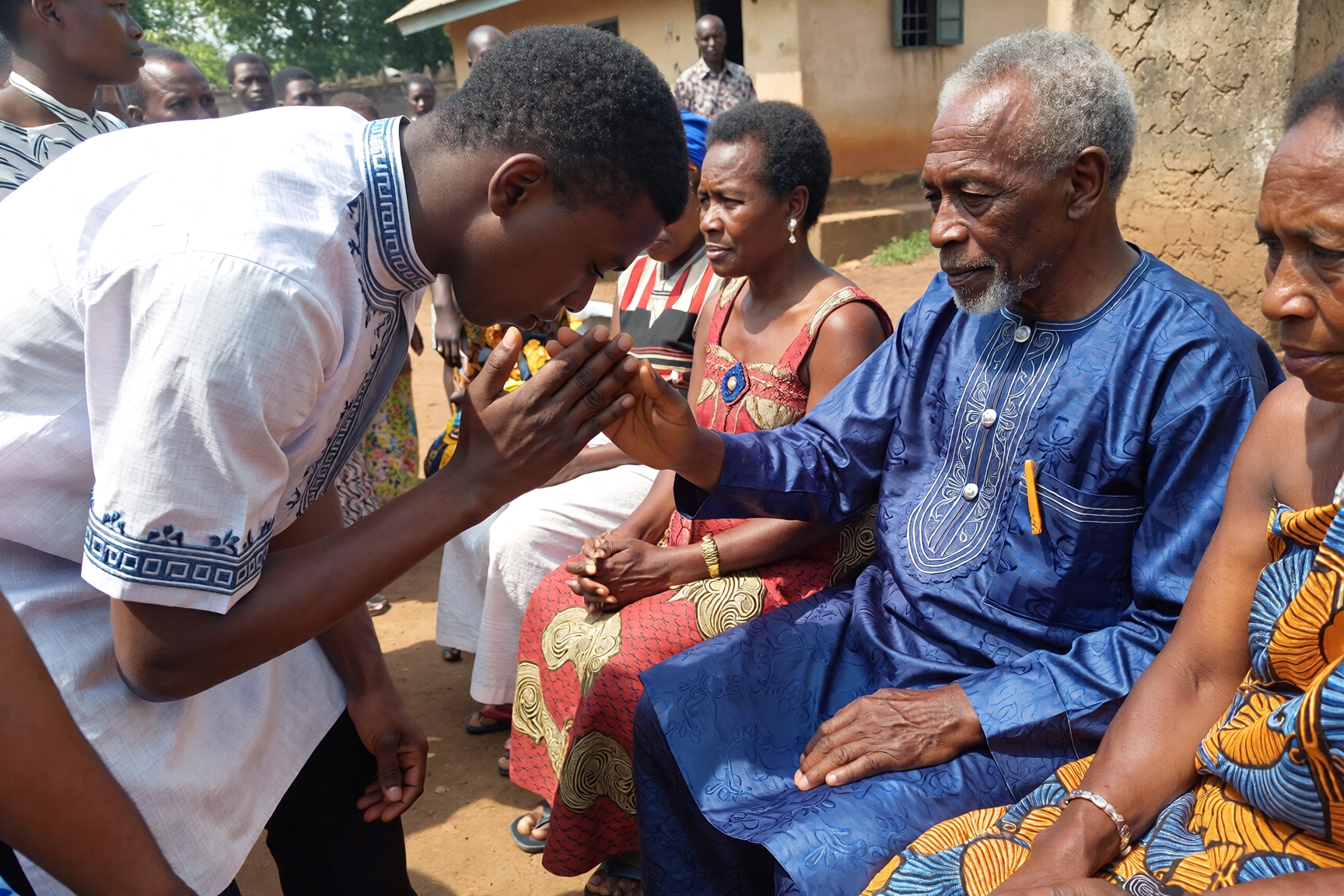
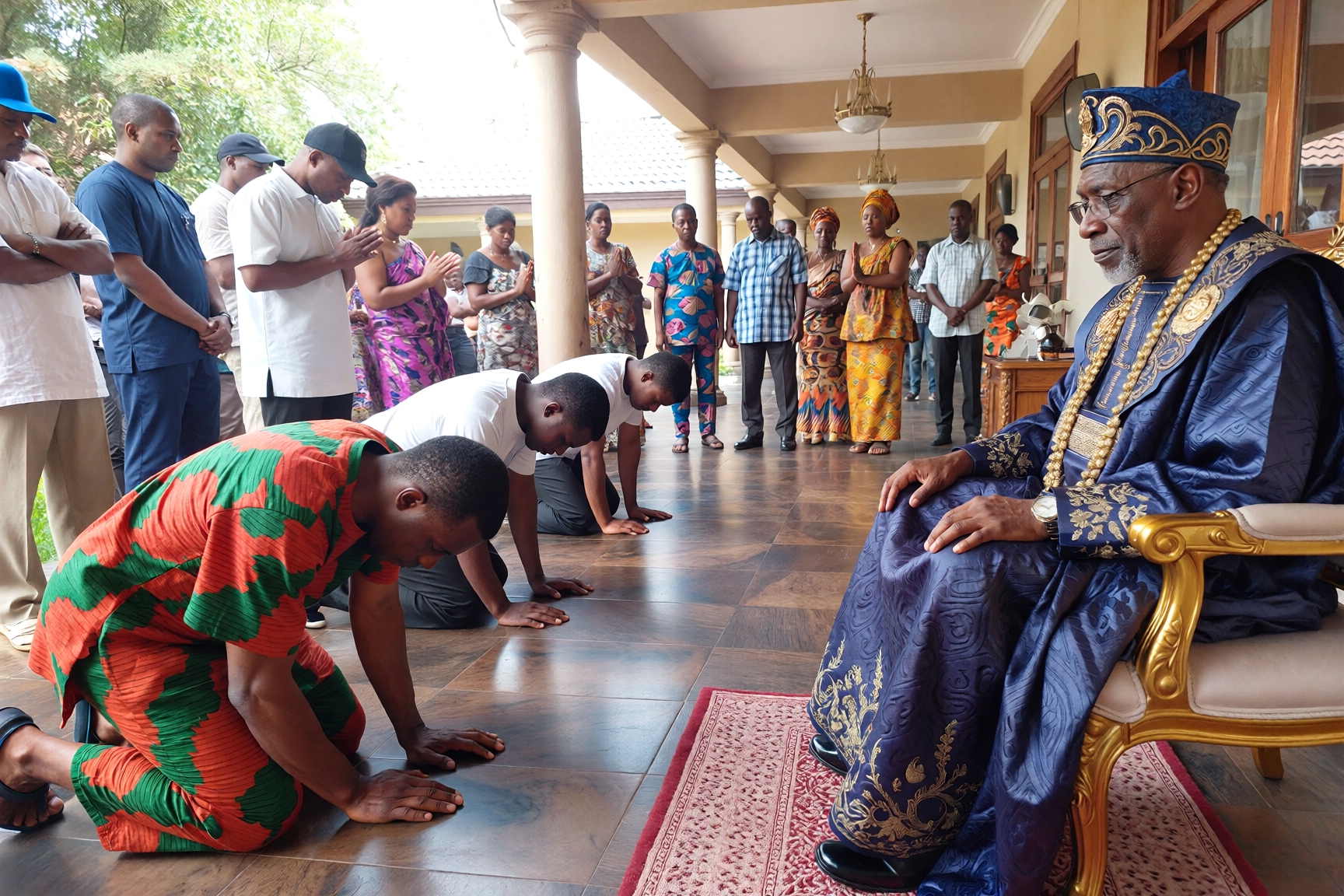
I remember attending my friend Chidi’s traditional marriage in Aba three years ago. His family arrived at the bride’s compound with what seemed like an entire convoy of relatives, gifts piled high in pickup trucks. The ceremony itself was magnificent, full of dancing, prayers, and the kind of elaborate negotiations that would make a UN diplomat jealous! What struck me most, though, was the elder’s blessing at the end, which acknowledged that under customary law, the union was valid and complete. No church, no registry, yet legally binding under Nigerian law. That’s when it truly hit me how our marriage systems operate on multiple, sometimes overlapping, tracks.
According to demographic data from the National Bureau of Statistics, approximately 41.9 percent of females and 36.7 percent of males above 12 years of age are in monogamous marriages in Nigeria, while roughly 9.9 to 9.6 percent are in polygamous unions. These figures reveal something fascinating. Monogamy is indeed the most common marriage type, but polygamy maintains a significant presence, particularly in certain regions.
Traditional Nigerian marriage practices encompass multiple types. The most widespread is customary marriage, which follows indigenous traditions and varies dramatically across our ethnic groups. Then there’s statutory marriage, which is conducted under the Marriage Act at federal marriage registries and recognises only monogamous unions. Finally, we have Islamic marriage, which follows Sharia law principles and permits men to marry up to four wives under specific conditions.
This dual system creates an interesting dynamic where your marriage type depends partly on which legal framework you choose. Many Nigerian couples actually undergo multiple ceremonies. They’ll have a traditional marriage first to satisfy cultural requirements, then a church wedding or registry marriage to gain statutory recognition, creating what legal experts call a “combination marriage.”
The reality is that Nigerian marriage practices have always varied dramatically across our 250-plus ethnic groups. The Yoruba, Igbo, Hausa-Fulani, Ijaw, and countless other groups each brought their own traditions to the table. Some historically practised polygamy more extensively than others. Some restricted it to wealthy men or community leaders. Others made it more widely accessible. There’s no single “Nigerian way” to marry.
Are Nigerian Men Monogamous?
This question deserves honest examination rather than sweeping generalisations.
The truth? Nigerian men exist along a spectrum when it comes to monogamy. Some are deeply committed to one partner throughout their lives. Others maintain multiple relationships simultaneously, either through formal polygamous marriages or informal arrangements. Still others start monogamous but shift over time due to various pressures, opportunities, or personal choices.
Polygamous marriage is more widespread in certain states. In Jigawa, for instance, government statistics show that 15.1 percent of males and 32.8 percent of females report being in polygamous marriages, while in Akwa-Ibom, less than one percent of males and females enter such unions. Geography matters enormously. A man in southern Nigeria faces different social expectations and opportunities than his counterpart in the north.
I’ve interviewed dozens of Nigerian men about their relationships over the years. The married banker in Lagos who’s been faithful to his wife for 15 years. The businessman in Kano with three wives, all living in different quarters of his compound. The young professional in Port Harcourt who maintains a girlfriend while technically single, planning to marry monogamously when ready. Each represents a valid slice of Nigerian male experience.
The uncomfortable reality is that infidelity exists across all marriage types. Some polygamous men treat all their wives fairly and openly. Some monogamous men maintain secret relationships outside their marriages. The structure doesn’t always predict the behaviour. Recent discussions about polygamy have even entered Nigerian political discourse, with some public figures openly defending plural marriage as providing stability.
What influences Nigerian men’s choices around monogamy? Religion plays a huge role, with Christianity generally promoting monogamy while Islam permits up to four wives under specific conditions. Economic factors matter too. Polygamy requires significant resources to support multiple households properly. The Ministry of Interior’s marriage registration system processes both monogamous statutory marriages and recognises customary marriages, which can be polygamous.
Social status and family expectations weigh heavily. And increasingly, women’s preferences are influencing men’s choices as Nigerian women gain more economic independence and voice in relationship decisions.
Is Monogamy Common in Africa?
Let’s zoom out and look at the broader African context, shall we?
Africa is a massive continent with 54 countries, thousands of ethnic groups, and wildly diverse marriage traditions. Treating “African marriage” as a monolith makes about as much sense as describing “European food” as a single cuisine. That said, certain patterns do emerge when examining relationship structures across the continent.
Historically, many African societies practised some form of polygamy, particularly polygyny where one man marries multiple women. This wasn’t unique to Africa, by the way. Polygamy appears in the historical records of societies across Asia, the Middle East, the Americas, and even Europe. What made African polygamy distinctive was often its integration with broader kinship systems, economic arrangements, and social hierarchies.
Modern conversations about evolving relationship structures show how African societies continue adapting their approaches to love and commitment. Some compare contemporary polyamorous arrangements to traditional African polygamy, though there are key differences. Polygamy is often gender specific and tied to marriage, while newer relationship models are gender neutral and based on mutual choice rather than cultural or religious expectation.
Today’s Africa shows tremendous variety. Countries like South Africa have seen dramatic shifts toward monogamy, particularly in urban areas, though customary polygamy remains legal. Kenya allows polygamy under certain circumstances. Tunisia banned it entirely in 1956. Ghana, like Nigeria, operates a dual system where statutory marriage is monogamous but customary law permits polygamy.
Urbanisation, education, economic changes, and religious influences have all pushed African societies toward monogamy over the past century. In almost all African societies, polygamy remains an acceptable and valid form of marriage, though monogamy was once associated with people of lower social status before colonial influence shifted those perceptions.
The African Union and various regional bodies don’t mandate any particular marriage structure, leaving it to individual countries to determine their own laws. What’s clear is that monogamy is increasingly dominant across the continent, particularly among younger, urban, educated populations, though polygamy maintains legal standing and social acceptance in many contexts.
Interestingly, some African countries have also historically practised polyandry, where women have multiple husbands, though this is extremely rare. Among certain Nigerian tribes like the Irigwe, women traditionally acquired multiple spouses called “co-husbands” until the practice was outlawed by their council in 1968.
Which Type of Marriage is Common in Nigeria?
Right, let’s address this directly with the data and observations I’ve gathered.
Statistical Breakdown of Nigerian Marriage Types
| Marriage Type | Percentage of Population | Legal Framework | Regional Concentration |
|---|---|---|---|
| Monogamous Statutory | 36.7% (males), 41.9% (females) | Marriage Act 2004 | Urban areas, Southern states |
| Polygamous Customary | 9.9% (males), 9.6% (females) | Customary Law | Northern states, rural areas |
| Traditional Only | ~23% of unions | Customary Law | Rural communities |
| Islamic Marriage | Variable by region | Sharia Law | Northern Nigeria primarily |
| Never Married | 42.9% of adults | N/A | Youth, urban populations |
This table demonstrates that while monogamous marriage represents the largest single category, Nigerian society accommodates multiple marriage structures simultaneously.
Are Nigerians monogamous? Yes, predominantly. The majority of Nigerians practise monogamous marriage, meaning they have one spouse at a time. However, Nigeria recognises and practises multiple types of marriage simultaneously, creating a complex landscape where different communities and individuals make different choices based on culture, religion, law, and personal preference.
According to the National Population Commission’s civil registration data, approximately 68 percent of Nigerian marriages begin with traditional ceremonies before any other form of marriage takes place. This is significant because traditional customary marriage can be either monogamous or polygamous depending on subsequent choices the couple makes.
Statutory marriage under the Marriage Act is strictly monogamous. Once you register your marriage at a federal registry, you’re legally prohibited from marrying anyone else while that marriage subsists. Attempting to do so constitutes bigamy, a criminal offence in Nigeria. This is the marriage type most commonly recognised internationally, particularly important for embassy documentation, visa applications, and cross-border legal matters.
Islamic marriage follows different principles. Muslim men may marry up to four wives simultaneously, provided they can treat each wife fairly and equitably. This isn’t just about financial resources, though those matter. The Quran specifies that husbands must love each wife equally, spend equal time with them, and provide equal support. Many Muslim scholars argue this standard is practically impossible to meet, effectively encouraging monogamy even within Islamic framework.
The cultural context around marriage in Nigeria shows how different ethnic groups approach these questions. In some communities, particularly in northern Nigeria, polygamy carries no social stigma and may even be seen as a sign of prosperity and status. In southern urban centres, particularly among educated Christians, monogamy is overwhelmingly the norm and polygamy may be viewed negatively.
I’ve noticed an interesting generational shift. Younger Nigerians, particularly those under 35, overwhelmingly express preferences for monogamous marriage regardless of their ethnic or religious background. Economic realities play a role here. Supporting multiple wives and large extended families requires substantial resources that many young men simply don’t have.
Women’s education and economic empowerment have dramatically influenced marriage patterns too. As Nigerian women gain university degrees, start businesses, and achieve financial independence, they’re increasingly insisting on monogamous marriages. They have more leverage to set terms and walk away from arrangements that don’t serve them.
What is the Dating Culture Like in Nigeria?
Dating in Nigeria looks quite different from what you might see in Western countries, though it’s rapidly evolving.
Traditional Nigerian society didn’t really have “dating” as understood in the West. Marriages were typically arranged by families, with couples meeting perhaps once or twice before the wedding. Young people had little say in partner selection, and romantic love wasn’t considered essential for marriage. The priority was creating beneficial alliances between families, ensuring compatible backgrounds, and maintaining social structures.
That’s changed dramatically, particularly in urban areas.
Modern Nigerian dating culture blends traditional values with contemporary practices in sometimes contradictory ways. Young Nigerians now typically choose their own partners, though family approval remains crucial. You might meet someone at university, through friends, at church, or increasingly, through social media and dating apps. The courtship period often involves both romantic dates (cinema, restaurants, parties) and formal family visits where your potential spouse meets your parents and extended family.
Here’s where it gets interesting. Many Nigerian families still expect couples to follow traditional protocols even after they’ve chosen each other independently. So you might date for two years, completely in love, but before marriage you’ll still go through formal introduction, bride price negotiations, traditional engagement ceremony, church or mosque wedding, and possibly registry marriage too. Each step carries its own expectations, costs, and social significance.
Physical intimacy before marriage remains officially frowned upon, particularly in religious contexts, though the reality on the ground is more complicated. Many young Nigerians do have premarital relationships despite public messaging against it. There’s often a gap between stated values and actual behaviour, creating tension and hypocrisy that young people navigate as best they can.
Gender roles in Nigerian dating still tend toward traditional patterns. Men are typically expected to initiate courtship, pay for dates, provide financial support, and bear primary responsibility for expenses throughout the relationship. Women face social pressure to be “respectable,” avoid multiple public relationships, and demonstrate domestic capabilities. These expectations are slowly shifting but remain powerful, particularly outside major cities.
The question of monogamy in dating itself is fascinating. Are Nigerian men expected to date only one woman at a time? The honest answer is that expectations vary wildly. Some couples explicitly establish exclusive relationships. Others operate with vague understandings that may or may not include exclusivity. Still others acknowledge that men might be “talking to” multiple women until formal engagement makes the relationship exclusive.
This ambiguity can create real pain. I’ve counselled many young women who discovered their boyfriends were simultaneously dating others, feeling betrayed despite never explicitly agreeing to exclusivity. Men sometimes argue they weren’t technically unfaithful since they weren’t married yet. It’s messy, frankly.
Social media has complicated Nigerian dating immensely. Relationships that were once private affairs now play out on Instagram, Twitter, and WhatsApp. The pressure to display relationship status, post couples photos, and publicly declare commitment has intensified. Conversely, social media also makes it easier to maintain multiple relationships simultaneously, messaging different people across different platforms.
Dating apps like Tinder, Bumble, and locally-developed alternatives are increasingly popular among urban, educated Nigerians. They offer broader partner selection beyond immediate social circles but also introduce new complications around catfishing, scammers, and managing expectations between online personas and real people.
What hasn’t changed is the ultimate goal. Most Nigerians date with marriage as the explicit endpoint. Casual dating for its own sake, particularly long-term relationships with no marriage intention, remains socially suspect. If you’re dating someone for three years with no engagement ring, family members will start asking uncomfortable questions. The timeline from meeting to marriage has accelerated compared to previous generations, but marriage remains the expected destination.
Religious communities shape dating norms significantly. Christian churches often run relationship seminars teaching biblical principles for courtship. Muslim communities may arrange introductions between families with marriageable young people. Some religious contexts encourage supervised courtship with minimal physical contact before marriage. Others take more relaxed approaches while still emphasising marriage as the goal.
7 Steps to Understanding Nigerian Relationship Dynamics
Let me break down the practical journey of navigating Nigerian relationships, whether you’re Nigerian yourself or entering this cultural context:
1. Understand the dual legal system. Research whether you want customary marriage (which can be polygamous), statutory marriage (always monogamous), Islamic marriage (permits polygamy for men), or a combination. Each carries different legal rights, social implications, and future options. Visit your local marriage registry to understand requirements for statutory marriage if that’s your path. Customary marriage requires negotiating with families and may cost anywhere from ₦50,000 to several million Naira depending on ethnic group and social status.
2. Clarify expectations early in relationships. Have explicit conversations about monogamy, exclusivity, and marriage intentions. Don’t assume your partner shares your assumptions about relationship boundaries. Nigerians come from diverse backgrounds with different values around relationships. What seems obvious to you might be completely foreign to them. These conversations feel awkward initially but prevent massive heartbreak later.
3. Involve families appropriately. Nigerian marriages join families, not just individuals. Meet your partner’s family early. Observe how they interact. Pay attention to family dynamics, values, and expectations. Seek your own family’s input and blessing. Trying to build a relationship against family opposition creates enormous stress and often dooms the union, even if you technically can marry without permission once you’re adults.
4. Respect religious and cultural boundaries. If your partner comes from a Muslim background and you’re Christian (or vice versa), discuss how you’ll navigate religious differences. Will children be raised in one faith or exposed to both? What about religious holidays, dietary restrictions, prayer practices? These questions require honest dialogue, not vague hopes that love will magically resolve everything. Similarly, respect ethnic cultural practices even if they seem strange to you. Learn about your partner’s traditions, attend cultural events with them, and show willingness to integrate.
5. Discuss polygamy explicitly if relevant. If you’re entering a relationship where polygamy is culturally acceptable, have frank conversations about future intentions. Will your partner potentially take additional spouses? What would that look like? What rights would you have? What financial arrangements would apply? These conversations feel uncomfortable but are absolutely essential. Don’t rely on implicit understandings or assumptions.
6. Build financial transparency. Money causes more relationship problems in Nigeria than almost anything else. Discuss income, debts, savings, and financial goals. Understand expectations around supporting extended family. In Nigerian culture, successful individuals often support parents, siblings, cousins, and others. If you’re unprepared for these obligations, resentment will build. Create shared budgets, agree on major expenditure thresholds requiring joint discussion, and establish systems for managing household finances fairly.
7. Seek premarital counselling. Many churches, mosques, and relationship organisations offer premarital counselling programs. These sessions address communication, conflict resolution, financial management, intimacy, family planning, and navigating cultural expectations. They provide structured space to discuss difficult topics with experienced facilitators who’ve seen common pitfalls. Even if you think your relationship is solid, counselling equips you with tools for inevitable challenges ahead.
Exploring How Monogamy Intersects with Nigerian Identity
The question of Nigerian monogamy connects to broader questions of identity, modernity, and cultural authenticity that I’ve explored throughout my career.
After years of covering Nigerian society and personal relationships, including pieces on our richest families and cultural traditions, I’ve noticed that marriage practices serve as flashpoints for larger tensions between tradition and change.
Some Nigerians view monogamy as a Western imposition, part of the colonial legacy that disrupted indigenous practices. They argue that polygamy was functional within traditional African societies, providing security for widows, ensuring all women could marry despite gender imbalances, and creating extended family networks for mutual support. From this perspective, insisting on monogamy represents cultural imperialism rather than progress.
Others see monogamy as aligned with gender equality, individual choice, and modern economic realities. They point out that polygamy often disadvantages women, creating competition and jealousy between co-wives while men benefit from multiple partners. They note that children in polygamous families may receive less parental attention and resources spread thin across multiple households. From this view, monogamy represents liberation rather than Western imposition.
The truth, as usual, resists simple categories. Nigerian society has always been dynamic, absorbing outside influences while maintaining distinctive characteristics. Our approach to marriage reflects this complexity.
What’s clear is that younger, urban, educated Nigerians increasingly practice monogamy regardless of their ethnic or religious background. This shift isn’t simply copying the West. It reflects changing economic structures where extended family compounds give way to nuclear families in urban apartments. It reflects women’s education and employment enabling them to negotiate relationship terms. It reflects exposure to diverse perspectives through media, travel, and internet access.
But this doesn’t mean polygamy is disappearing. It remains legally permitted, culturally accepted in many contexts, and actively practised by millions of Nigerians. The country’s future likely involves continued coexistence of different marriage structures rather than complete convergence toward one model.
So, Are Nigerians Truly Monogamous? Final Thoughts
After exploring all these dimensions, here’s my honest assessment.
Most Nigerians are monogamous in practice, meaning they have one spouse at any given time. Statistical data confirms this. Legal frameworks encourage it. Social trends point toward increasing monogamy, particularly among younger generations. If you randomly selected a married Nigerian, odds favour they’re in a monogamous union.
However, Nigeria as a society is not exclusively monogamous. Polygamy remains legal under customary and Islamic law. Millions of Nigerians live in polygamous marriages. Cultural acceptance varies by region but persists broadly. The legal system accommodates both structures simultaneously.
Perhaps the better answer is that Nigerians are pluralistic about marriage. We’ve created space for multiple approaches to coexist, letting individuals and communities choose based on their values, religion, culture, and circumstances. This flexibility reflects Nigerian pragmatism and our remarkable ability to synthesise diverse traditions into functional systems.
For those entering relationships with Nigerians or seeking to understand our society, the key is recognising this diversity rather than expecting uniformity. Ask questions. Clarify expectations. Don’t assume your Nigerian partner or friend represents all Nigerians or that your experience in one community predicts experiences elsewhere.
The future of Nigerian marriage likely involves continued evolution. Economic pressures favour smaller families and monogamy. Women’s empowerment shifts power dynamics within relationships. Urbanisation breaks down traditional family structures. Yet cultural pride and religious commitment ensure polygamy won’t disappear entirely.
What matters most isn’t whether Nigeria is “monogamous” in abstract terms but whether individual couples build relationships characterised by honesty, respect, and mutual understanding. Whether you choose monogamy or polygamy, statutory or customary marriage, the health of your relationship depends on communication, commitment, and character rather than the particular structure you select.
Key Takeaways
• Monogamy predominates: Approximately 80% of married Nigerians are in monogamous unions, with significant regional and religious variations affecting this distribution.
• Legal pluralism matters: Nigeria operates dual legal systems where statutory marriage is monogamous while customary and Islamic marriage permit polygamy, giving couples choices with different implications.
• Cultural evolution continues: Younger, educated, urban Nigerians increasingly prefer monogamy regardless of background, though polygamy maintains legal status and cultural acceptance in many contexts.
Connecting This to Broader Nigerian Social Patterns
Understanding Nigerian marriage practices connects to broader patterns I’ve explored in my reporting on Nigerian society.
The way we approach marriage reflects our general cultural pattern of synthesising diverse traditions rather than choosing one exclusive path. Just as we maintain multiple languages, celebrate various festivals, and blend indigenous and foreign foods, we accommodate multiple marriage structures simultaneously.
Economic factors play huge roles in relationship structures, similar to patterns I documented when researching average income in Nigeria. Wealthier Nigerians have more options around marriage type and more resources to support polygamous families if they choose. Economic stress pushes people toward smaller, monogamous families. The intersection of wealth, culture, and relationship choices shapes Nigerian society in profound ways.
Similarly, my research into Nigerian food culture revealed how we maintain traditional practices while adopting new influences, never feeling compelled to choose exclusively between old and new. This same pattern appears in our approach to marriage, where couples might have both traditional and church weddings, follow customary protocols while also registering statutory marriages, and blend indigenous and contemporary relationship practices.
Are Nigerians Monogamous? Common Questions Answered
Are all Nigerian marriages polygamous?
No, definitely not. The majority of Nigerian marriages are actually monogamous, with approximately 37-42% of adults in monogamous unions compared to just under 10% in polygamous marriages. Statutory marriage, which is conducted at federal registries or in churches, is always strictly monogamous under Nigerian law.
Can Nigerian women have multiple husbands?
Polyandry (women having multiple husbands) is not legally recognised or culturally practised in contemporary Nigeria. While the Irigwe people historically allowed women to have co-husbands until 1968, this practice has been discontinued. Current Nigerian law only recognises polygyny (men having multiple wives) under customary and Islamic frameworks.
Do Christians in Nigeria practise polygamy?
Generally, no. Christian churches in Nigeria overwhelmingly teach and require monogamy based on biblical interpretations. However, some Christians who first married under customary law may technically be in polygamous unions inherited from pre-conversion, creating complex situations that churches handle on a case-by-case basis.
Is polygamy legal throughout Nigeria?
Polygamy is legal under customary law and Islamic law throughout Nigeria, but not under statutory marriage governed by the Marriage Act. The specific type of marriage you contract determines whether polygamy is permissible. Statutory marriage at a federal registry creates a legally monogamous union that prohibits subsequent marriages.
How does religion affect monogamy in Nigeria?
Religion heavily influences Nigerian marriage practices. Christianity promotes monogamy exclusively, while Islam permits men to marry up to four wives under strict conditions of equal treatment. Traditional African religions vary by ethnic group but historically many accommodated polygamy within broader kinship structures and social systems.
What happens if a Nigerian man marries multiple wives?
The legal and social consequences depend on the marriage type. If he married statutorily first, subsequent marriages constitute bigamy, a criminal offence. If he married under customary or Islamic law, additional wives are legally recognised, provided he follows proper procedures and can support multiple families adequately.
Are younger Nigerians still practising polygamy?
Younger Nigerians show strong preferences for monogamy regardless of ethnic or religious background. Urban, educated youth particularly favour monogamous relationships, though pockets of polygamy persist, especially in rural northern communities where traditional and Islamic practices remain dominant.
How much does a Nigerian wedding cost?
Wedding costs vary enormously from ₦200,000 for modest ceremonies to over ₦50 million for elaborate celebrations. Traditional marriage typically requires bride price (₦50,000-₦5 million depending on ethnic group), engagement ceremonies, and customary gifts, while church or registry ceremonies add their own costs for venues, catering, and entertainment.
Can foreigners marry Nigerians polygamously?
This creates legal complications. A foreigner marrying a Nigerian would typically use statutory marriage for immigration and legal recognition purposes, which requires monogamy. While theoretically a foreigner could contract customary marriage permitting polygamy, this wouldn’t be recognised in most other countries and could create visa problems.
What are the penalties for bigamy in Nigeria?
Under the Marriage Act, bigamy (marrying a second person while already in a statutory marriage) is a criminal offence punishable by up to five years imprisonment. However, prosecution is relatively rare and usually requires the first spouse to file complaints, as authorities don’t actively police marriage registers.
Do polygamous families live together in Nigeria?
Living arrangements vary widely. Some polygamous families maintain one large compound with separate quarters for each wife, allowing the husband to rotate nights between households. Others keep completely separate residences across different neighbourhoods or even cities, with the husband visiting each wife according to established schedules.
Is monogamy increasing or decreasing in Nigeria?
Monogamy is steadily increasing, particularly in urban areas and among younger, educated populations. Factors driving this include women’s education and economic empowerment, urbanisation limiting space for extended families, economic pressures making polygamy less affordable, and exposure to global relationship models through media and internet.