Welcome, dear readers! After months of immersing myself in Nigeria’s rich tapestry of marriage customs, attending countless traditional ceremonies from Jos to Lagos, and spending years documenting how our diverse ethnic groups celebrate unions, I’m absolutely thrilled to share this comprehensive guide with you. Nigerian marriage traditions represent some of the most vibrant, complex, and meaningful cultural practices on the African continent, and understanding them offers a window into the soul of our nation.
Nigerian marriage customs are elaborate, multi-layered celebrations that unite not just two individuals but entire families and communities through traditional ceremonies, religious observances, and statutory legal processes. These customs encompass bride price negotiations, engagement rites that vary dramatically across our 371 ethnic groups, multi-day celebration ceremonies, extensive gift exchanges between families, and the integration of traditional, religious, and legal marriage forms. The core purpose extends beyond romantic union to establish social bonds, honour ancestral traditions, ensure family continuity, and create networks of mutual support that define Nigerian community life.
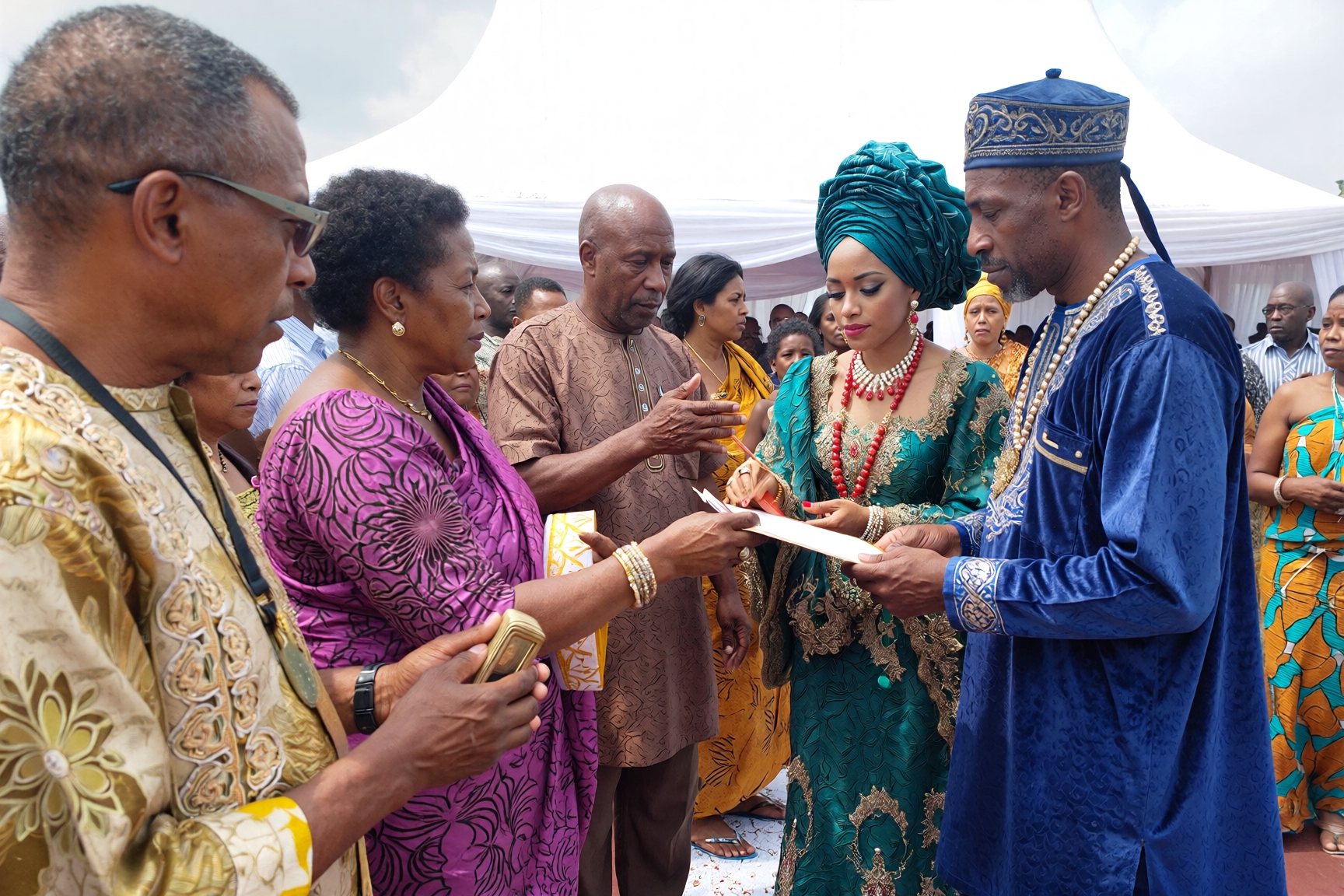
I still remember the first traditional Igbo marriage I attended in Owerri back in 2018. The sheer scale of it stunned me! There must have been 500 guests, three different ceremony locations, and celebrations that spanned an entire weekend. What struck me most, though, wasn’t the spectacle (though the bride’s outfit changes were magnificent). It was the profound sense that this marriage belonged not just to the couple but to everyone present, to their ancestors, and to generations yet unborn. That’s the essence of Nigerian marriage customs, rather like a communal investment in the future wrapped in celebration.
Understanding Traditional Marriage Customs in Nigeria
Traditional marriage in Nigeria varies dramatically across our ethnic groups, but certain foundational principles unite them all. The ceremonies emphasise family approval over individual choice (though this is changing), require financial and material exchanges to formalise the union, involve multiple stages of formal visits and negotiations, and ultimately celebrate the joining of two family lineages rather than just two people.
The Ministry of Interior oversees statutory marriages under the Marriage Act, CAP M6, Laws of the Federation of Nigeria (2004), which recognises both ordinary marriages (between Nigerians) and special marriages (involving non-Nigerians). However, traditional marriages operate under customary law and don’t require government registration to be considered valid within communities. This dual system creates interesting dynamics where couples often undergo multiple ceremonies to satisfy different legal and cultural requirements.
My colleague Adaobi once joked that she’d been married three times to the same man. Her traditional Igbo ceremony in Enugu, her white wedding at the cathedral, and finally the registry signing, all within six months! This isn’t unusual. Most Nigerian couples navigate this complex terrain, balancing family expectations with personal preferences whilst managing the substantial financial burden each ceremony represents.
The introduction stage sets everything in motion. Among the Yoruba, this is called “Mo mi i mo e” (know me and let me know you), where the groom’s family formally visits the bride’s family to declare their son’s interest. The Igbo call this “Iku aka” or “Iju ese” (coming to knock or inquire). Hausa families tend to move more quickly, with less prolonged courtship before formal negotiations begin.
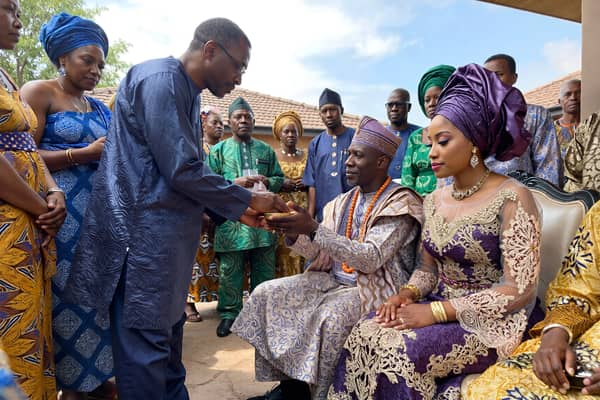
These initial visits aren’t casual affairs. The groom’s family arrives with specific gifts, kola nuts (essential for most Nigerian ceremonies), drinks, sometimes tobacco or snuff for the elders. Everyone dresses formally. The conversation follows prescribed patterns, with elders speaking on behalf of the younger generation. I’ve watched families spend hours on these introductions, carefully observing protocols that have governed Nigerian marriages for centuries.
What is a Customary Marriage in Nigeria?
A customary marriage in Nigeria is a union conducted according to the traditional practices and customs of a couple’s ethnic group, recognised as valid under Nigerian law without requiring statutory registration or religious ceremony. These marriages follow indigenous traditions that predate colonial influence, involve bride price payment and family negotiations, are validated by community recognition rather than government certificates, and establish full marital rights including inheritance, custody, and social status within the traditional framework.
The National Population Commission has documented how customary marriages remain the dominant form of union across Nigeria, particularly in rural areas and among older generations. These marriages carry the same legal weight as statutory marriages in matters of inheritance, custody, and property rights, provided they meet certain criteria including the consent of both parties, payment of bride price, and community recognition through proper ceremonies.
What makes customary marriage particularly interesting is its flexibility. Unlike statutory marriage which follows rigid procedures set by the Marriage Act, customary marriage adapts to each ethnic group’s specific traditions. The Yoruba owo ori (bride price) process differs significantly from the Igbo ịhe isi negotiations, which in turn bear little resemblance to Hausa marriage customs. Yet all are legally recognised as valid customary marriages.
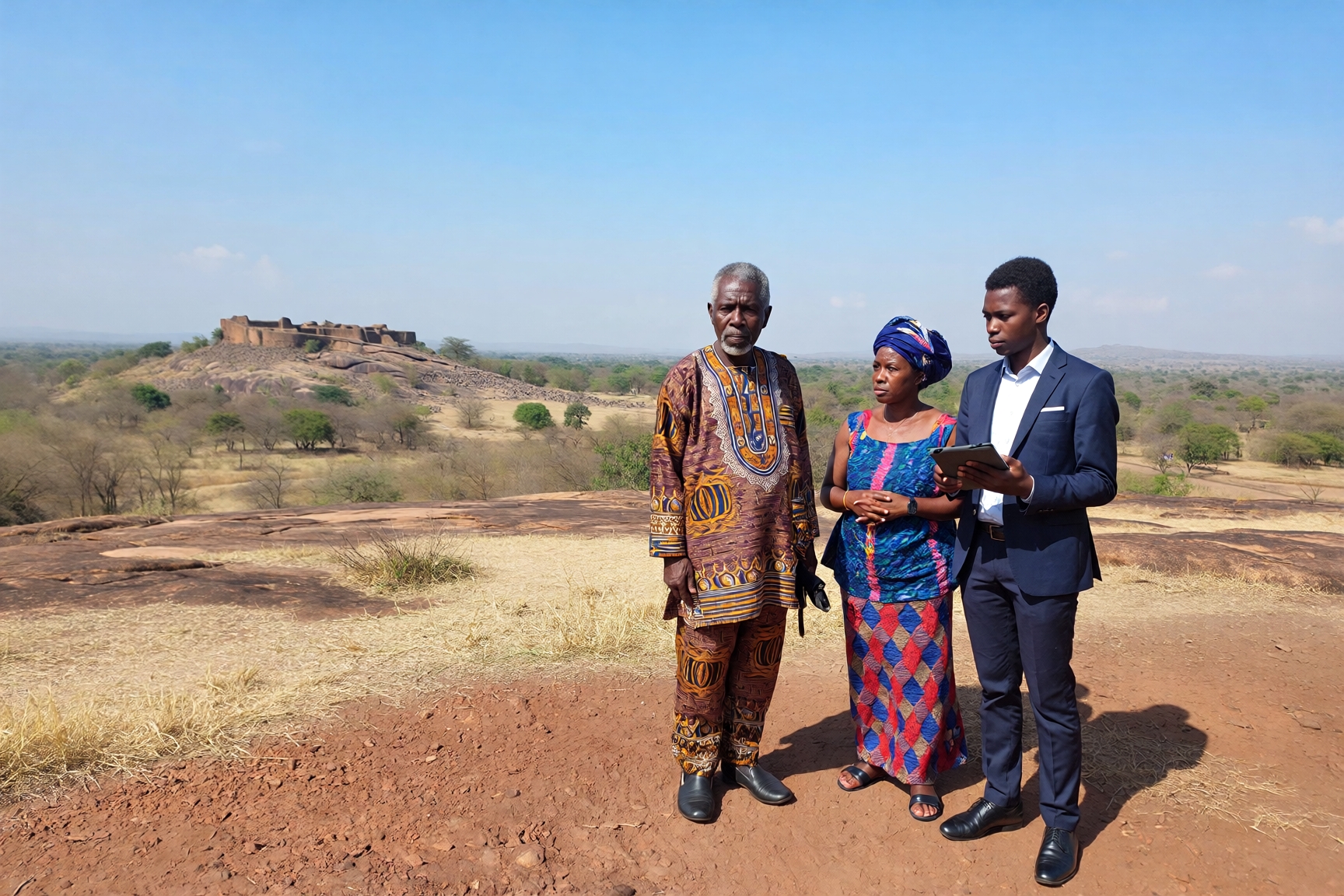
I once interviewed an elderly Yoruba chief in Ibadan who’d performed customary marriages for over 40 years. He explained that the true essence lies not in paperwork but in community witness. When families publicly acknowledge the union, when gifts change hands according to tradition, when the bride’s family formally releases their daughter and the groom’s family receives her, the marriage becomes real in ways no government certificate can replicate.
According to recent Guardian Nigeria reporting, approximately 60 per cent of Nigerian marriages still involve traditional customary ceremonies as either the primary or initial form of union, even when couples subsequently have church weddings or registry marriages. This demonstrates the enduring importance of customary practices in Nigerian society, regardless of education level, urban residence, or economic status.
The Meaning and Purpose of Marriage Custom
Marriage customs serve multiple essential functions in Nigerian society that extend far beyond simply getting two people married. They establish formal family connections and obligations, demonstrate the groom’s ability to provide and his family’s social standing, compensate the bride’s family for losing a daughter’s labour and future children, create public community witness to the union’s legitimacy, honour ancestors by continuing cultural traditions, and initiate younger people into adult social responsibilities and expectations.
The concept rather like an elaborate contract negotiation, except the currency includes social capital, family honour, and generational continuity alongside money and material goods. When a Yoruba family pays owo ori or an Igbo family negotiates ịhe isi, they’re not purchasing a bride (despite outdated colonial interpretations of these practices). They’re demonstrating respect, establishing reciprocal obligations, and publicly committing to support the new family unit.
My friend Chioma experienced this firsthand during her marriage negotiations in Abia State. Her family initially listed requirements totalling nearly ₦800,000. Her husband-to-be’s family nearly walked away! But her uncle, a respected elder, intervened to explain that the items represented aspirations rather than demands. After respectful negotiation, they agreed on ₦280,000 plus symbolic gifts. The negotiation process itself, she later told me, mattered more than the final amount because it demonstrated both families’ commitment to making the marriage succeed.
Marriage customs also serve crucial social functions. They ensure marriages happen with family approval and community witness, creating networks of support that help couples weather difficulties. When everyone knows about your marriage, when both extended families have invested time and resources, there’s collective pressure (positive and negative) to make things work. This communal investment explains why Nigerian marriages, despite their challenges, often endure where purely individual choices might falter.
The expectation of childbearing features prominently in Nigerian marriage customs. Prayers at traditional ceremonies invariably include blessings for many children. Some ethnic groups include fertility rituals in their marriage customs. The Igbo palm wine ceremony, where the bride searches for her groom among the crowd, symbolises her ability to choose wisely and bear children who’ll benefit both families. These customs reflect Nigerian cultural values that prioritise family continuity and generational legacy.
Seven Steps to Understanding Nigerian Marriage Customs
- Research Your Partner’s Ethnic Group Thoroughly: Nigerian marriage customs differ so dramatically between ethnic groups that assuming universality leads to embarrassing mistakes. If you’re Yoruba marrying an Igbo partner, invest time understanding Igbo marriage traditions. Speak with family elders, attend similar ceremonies in your partner’s community, read ethnographic accounts, and watch documentary footage if available. Each ethnic group has specific protocols for introducing families, particular items required for engagement lists, distinct ceremony structures, and unique symbolic rituals you’ll be expected to honour. The more you understand beforehand, the smoother your experience will be.
- Engage Family Elders Early in the Process: Nigerian marriage customs place enormous authority in the hands of family elders who serve as negotiators, protocol experts, and cultural gatekeepers. Identify the key elders in both families (usually uncles on the father’s side, sometimes elder siblings or respected family friends) and involve them from the initial introduction stage. These elders will guide you through proper procedures, represent your interests in negotiations, ensure cultural protocols are observed correctly, and lend their authority to validate the marriage within your communities. Trying to navigate Nigerian marriage customs without elder involvement invites problems and potential invalidation of the entire process.
- Prepare Financially for Multiple Ceremonies and Expenses: The average Nigerian wedding now costs ₦13 million according to recent Guardian Nigeria data, with traditional ceremonies averaging ₦3.3 million, white weddings ₦8.9 million, and proposals ₦600,000. Budget realistically for engagement lists (₦50,000 to ₦5 million depending on ethnic group), traditional ceremony venue and catering (₦800,000 to ₦3 million), aso-ebi uniforms for family members (₦50,000 to ₦200,000 per person), religious ceremony costs if applicable (₦500,000 to ₦8 million), and registry fees if pursuing statutory marriage (₦50,000 to ₦200,000). Start saving early, consider family financial contributions, and don’t let pride push you into debt that’ll burden your marriage for years.
- Master the Bride Price Negotiation Process: Bride price negotiations represent perhaps the most delicate aspect of Nigerian marriage customs. Begin by understanding that bride price serves symbolic rather than commercial purposes, demonstrating respect and commitment rather than purchasing a person. When the bride’s family presents their list, recognise it as an opening position in a respectful negotiation process. Engage your family elders to negotiate on your behalf, as direct negotiation by the groom often violates cultural protocols. Be prepared to compromise, but don’t accept demands that’ll create financial hardship. The Mushin Local Government Marriage Registry and other local government authorities can provide guidance on reasonable expectations within your area. Focus on building goodwill rather than winning the negotiation, as these families will be connected for life through your marriage.
- Understand Regional Variations and Specific Ethnic Protocols: Northern Nigerian marriage customs differ substantially from Southern practices. Hausa-Fulani marriages involve shorter courtship periods, Islamic nikah ceremonies, strict gender separation during celebrations, sadaki (bride price) payments that are generally lower than Southern equivalents, and emphasis on modesty in all proceedings. Yoruba marriages feature elaborate engagement ceremonies with symbolic items (honey, bitter kola, salt, sugar), multiple outfit changes for the bride, extensive dancing and entertainment, substantial owo ori negotiations, and integration of both traditional and Christian or Islamic elements. Igbo marriages include the dramatic palm wine ceremony where the bride searches for her groom, complex family introduction stages called Iku aka and Igba Nkwu Nwanyi, detailed engagement lists that can include goats, yams, palm wine, and cash, and the custom of the bride publicly choosing her husband by offering him a cup of palm wine whilst kneeling.
- Navigate Multiple Ceremony Types Strategically: Most Nigerian couples undergo at least two separate ceremonies, sometimes three or four. Traditional marriage satisfies cultural requirements and gains family approval. Religious ceremonies (Christian white wedding or Islamic nikah) fulfil spiritual obligations and community expectations. Statutory marriage at federal registry provides legal recognition under Nigerian law. Plan these strategically rather than randomly. Some families insist traditional marriage happens first before any other ceremonies. Other couples prefer registry marriage first to establish legal standing, then traditional and religious ceremonies later. Coordinate timing to manage costs, accommodate family travel from different locations, and respect cultural protocols about ceremony sequencing. Don’t let pressure from family or friends push you into ceremony arrangements that don’t suit your circumstances.
- Maintain Balance Between Tradition and Personal Circumstances: Nigerian marriage customs evolved in different economic and social contexts than today’s reality. The average Nigerian earns far less than what elaborate ceremonies now cost. Extended families are less cohesive than in previous generations. Young people increasingly choose their own partners based on love rather than family arrangement. Navigate these tensions by honouring core cultural elements whilst adapting peripheral aspects to your situation. Paying bride price matters culturally, but the amount can be negotiated reasonably. Having a traditional ceremony validates your marriage socially, but it needn’t bankrupt you. Involving family elders respects tradition, but you needn’t surrender all decision-making authority. Successful Nigerian marriages today blend respect for custom with practical adaptation, maintaining cultural continuity whilst accommodating contemporary realities.
Regional Marriage Custom Comparison Across Major Nigerian Ethnic Groups
| Ethnic Group | Bride Price Range | Key Ceremonies | Duration | Primary Features |
|---|---|---|---|---|
| Yoruba | ₦100,000 – ₦2 million | Mo mi i mo e (introduction), Traditional engagement, Ìdána (henna night) | 2-3 days | Elaborate introductions, symbolic items (honey, kola nuts), extensive dancing, multiple outfit changes for bride |
| Igbo | ₦150,000 – ₦5 million | Iku aka (inquiry), Igba Nkwu Nwanyi (wine-carrying), Traditional feast | 1-2 days | Palm wine ceremony, detailed engagement lists, public bride search ritual, extended family involvement |
| Hausa-Fulani | ₦30,000 – ₦500,000 | Gaisuwa (introduction), Sa Rana (date-setting), Fatihah (Islamic ceremony) | 1 day | Islamic nikah emphasis, gender separation, modest bride price (sadaki), limited public celebration |
| Edo/Bini | ₦200,000 – ₦3 million | Igue Erhã (introduction), Traditional marriage ceremony | 1-2 days | Royal palace protocols (for Bini royalty), elaborate regalia, significant family involvement |
| Tiv | ₦50,000 – ₦800,000 | Introduction ceremony, Traditional marriage rites | 1 day | Agricultural society customs, modest celebrations, emphasis on farming implements as gifts |
| Efik/Ibibio | ₦100,000 – ₦1.5 million | Mbopo Mbong (traditional introduction), Nsukka (traditional marriage) | 2-3 days | Elaborate seafood feasting, traditional dance performances, significant gift exchanges |
This comparison table reveals the enormous diversity in Nigerian marriage customs across ethnic groups. Bride price ranges vary by factor of ten or more, ceremony structures differ fundamentally, and the entire cultural meaning of marriage shifts between communities. What’s considered modest among the Igbo might seem extravagant to Hausa families. Yoruba elaborate celebrations contrast sharply with Hausa modesty. These differences aren’t better or worse, simply different, reflecting each group’s values, historical experiences, and social structures.
Common Marriage Customs Practised Across Nigeria
Despite ethnic diversity, certain marriage customs appear across most Nigerian communities. Bride price payment, regardless of local terminology or specific amounts, remains nearly universal. Whether called owo ori (Yoruba), ịhe isi (Igbo), or sadaki (Hausa), the principle of the groom’s family making formal payment to the bride’s family occurs in virtually every Nigerian ethnic group. Only the amounts, negotiation processes, and symbolic meanings vary.
Family involvement in partner selection and marriage arrangements represents another common custom. Even educated, urban, contemporary Nigerians typically involve their families extensively in marriage decisions. The degree of involvement ranges from complete parental arrangement of marriages (now rare but still practised in some conservative communities) to family veto power over unsuitable partners to family participation in ceremonies even when they had no role in partner selection. This communal approach to marriage, rather like having a board of directors for your romantic life, feels natural to most Nigerians despite Western influences promoting individual choice.
Multiple ceremony stages constitute standard practice across Nigeria. Introduction ceremonies where families meet formally, engagement ceremonies where gifts are exchanged and bride price negotiated, and final celebration ceremonies where the marriage is publicly solemnised all appear in most ethnic groups’ marriage customs. The specific names, protocols, and symbolic elements differ, but the multi-stage structure itself remains consistent. This gradual progression allows families to assess compatibility, negotiate terms, and prepare financially for the major celebration.
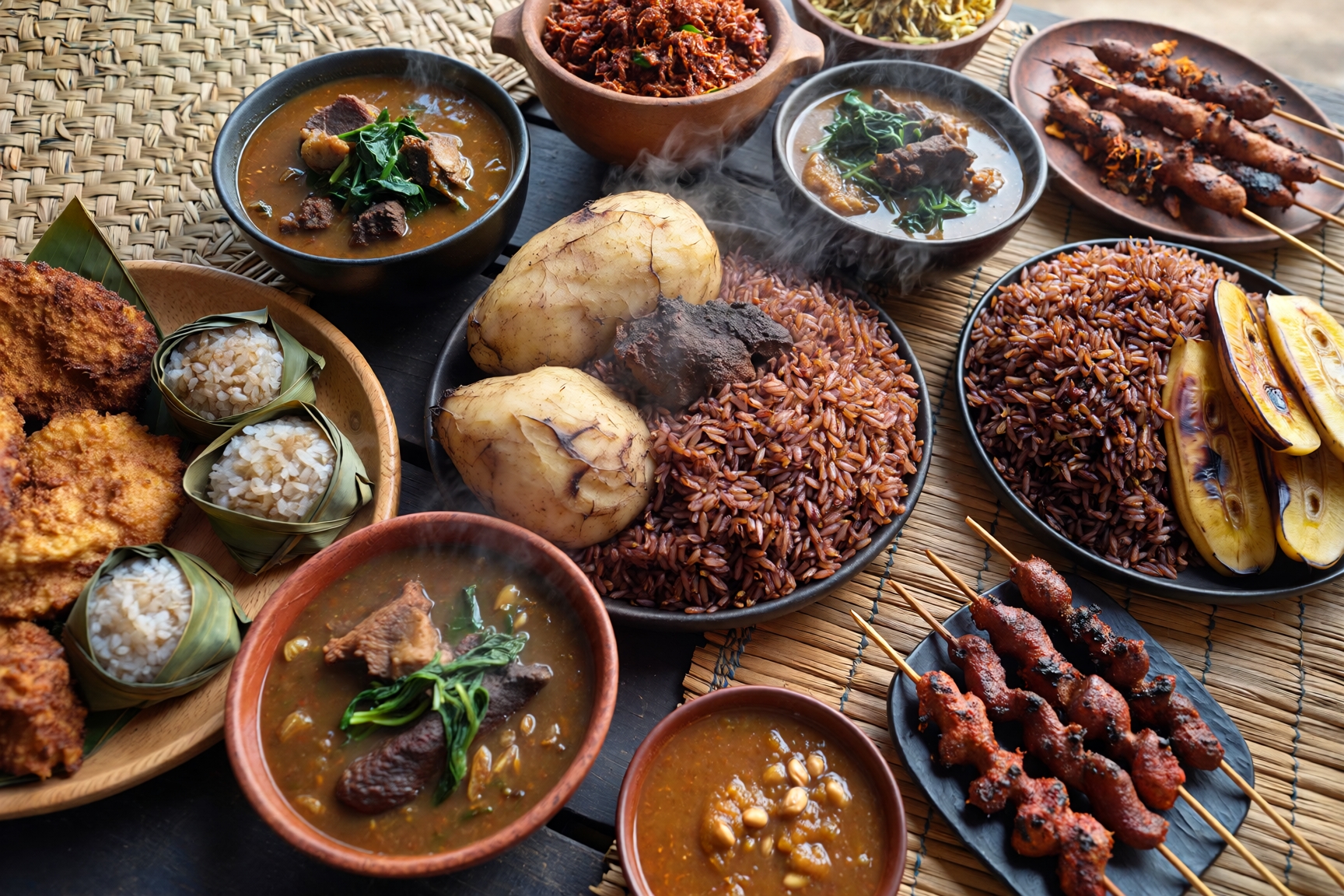
The centrality of food and feasting at Nigerian marriage ceremonies crosses all ethnic boundaries. Whether it’s a Yoruba owambe with mountains of jollof rice, moin-moin, and fried meat, an Igbo celebration featuring ugba, nkwobi, and palm wine, or a Hausa gathering with tuwo, miyan kuka, and suya, food abundance demonstrates hospitality and celebrates the joyous occasion. I’ve never attended a Nigerian traditional marriage, regardless of ethnic group or economic status, where food wasn’t central to the celebration. We Nigerians express love, welcome, and celebration through feeding people magnificently!
According to Nigerian government marriage statistics, approximately 2.5 million marriages are conducted annually in Nigeria, with the vast majority incorporating traditional customary elements even when couples also pursue statutory or religious marriages. This demonstrates that despite modernisation pressures, Nigerian marriage customs remain vibrant and central to how we form families and organise our social lives.
Bride Price and Its Cultural Significance
The bride price custom generates more debate, misunderstanding, and controversy than perhaps any other aspect of Nigerian marriage. Critics, including prominent feminists like Chimamanda Ngozi Adichie, argue that bride price commodifies women, suggesting they’re property to be bought and sold. Defenders maintain it represents respect, appreciation, and proper cultural protocol that honours the bride’s family’s investment in raising her.
The truth, as usual, occupies complicated middle ground. Historically, bride price served multiple functions including compensating families for losing a daughter’s labour, establishing the groom’s financial capability, creating reciprocal obligations between families, and publicly demonstrating the marriage’s legitimacy. In contemporary Nigeria, these functions persist alongside newer dynamics where bride price has become commercialised, inflated beyond reasonable levels, and occasionally weaponised by families seeking to extract maximum value from their daughter’s marriage.
I witnessed this tension dramatically during a friend’s marriage negotiations in Owerri. The bride’s family initially demanded ₦2 million bride price plus a long list of items totalling another ₦1.5 million. My friend’s family, solidly middle class but not wealthy, couldn’t possibly afford this. Negotiations deadlocked. The bride cried. The families exchanged harsh words. Eventually, respected elders intervened to remind everyone that marriage should unite families rather than create permanent animosity over money. They negotiated down to ₦350,000 plus symbolic gifts. The marriage proceeded, but the bitterness lingered for years.
Recent legislation in Imo State attempted to cap bride price at ₦80,000 with total marriage expenses not exceeding ₦180,000. This reflected growing recognition that excessive bride price demands price many young men out of marriage or trap them in debt that burdens their new families. Whether such legislation can effectively regulate deeply cultural practices remains questionable, but it signals official concern about bride price’s evolution from cultural practice to commercial transaction.
The economic burden extends beyond initial payment. Some ethnic groups require ongoing financial obligations from the husband to his wife’s family, effectively creating permanent indebtedness. If the marriage fails, some communities demand bride price refund before granting divorce, trapping women in unhappy marriages they cannot afford to leave. These practices, whilst claiming cultural authenticity, often reflect contemporary economic pressures rather than authentic traditional customs.
Yet bride price also carries genuine cultural meaning that shouldn’t be dismissed simply because some families abuse it. When my brother married his Yoruba wife, her family requested relatively modest owo ori of ₦150,000 plus traditional items. The negotiation process, conducted respectfully by family elders, created bonding between our families. The bride price payment ceremony itself, with prayers and blessings from both sides, felt sacred rather than commercial. Her family later helped us substantially when my brother faced financial difficulties, demonstrating the reciprocal obligations bride price establishes. This positive experience represents bride price’s potential when families prioritise relationships over extraction.
Religious Integration in Nigerian Marriage Customs
Christianity and Islam have thoroughly permeated Nigerian marriage customs, creating fascinating syncretism where traditional practices blend with religious observances. Most Nigerian couples now have both traditional and religious ceremonies, with the traditional marriage satisfying cultural requirements whilst the church wedding or Islamic nikah fulfils spiritual obligations.
Christian white weddings have become extraordinarily elaborate affairs in Nigeria. Brides wear imported gowns costing ₦500,000 to ₦5 million. Churches are decorated with flowers, candles, and elaborate staging. Receptions feature five-tiered cakes, live bands, elaborate catering, and guest lists reaching 1,000 people or more. The costs often exceed traditional ceremonies significantly, leading some Nigerians to question whether we’ve lost the plot, prioritising spectacle over substance.
I attended a white wedding in Lagos last year where the couple spent over ₦15 million on the reception alone. The décor was breathtaking, the food excellent, the entertainment professional. But I couldn’t help thinking about how that money could have purchased a flat or started a business. The couple themselves looked exhausted rather than joyful, stressed by coordinating such massive logistics. Six months later, they were struggling with debt accumulated from the wedding. This isn’t uncommon, Nigerian couples frequently begin married life financially compromised by wedding expenses.
Islamic nikah ceremonies generally maintain greater simplicity and modesty. The religious ceremony itself, conducted by an imam, focuses on spiritual commitment rather than public spectacle. Bride price (sadaki) in Islamic marriages tends toward modest amounts, following Prophet Muhammad’s example. Gender separation during celebrations respects Islamic modesty requirements. Yet even Islamic marriages in Nigeria have absorbed elements of local culture, incorporating traditional dress, extended family involvement, and celebration customs specific to Nigerian ethnic groups.
The integration creates interesting legal situations. Traditional customary marriage is legally valid without religious or statutory components. Islamic marriage likewise stands legally valid under Sharia law in Northern states. Christian church marriages, however, require statutory registration to gain legal recognition, as the church ceremony alone doesn’t constitute marriage under Nigerian law. This means many Christian couples undergo three separate ceremonies: traditional (for family), church (for spiritual community), and registry (for legal recognition).
Modern Challenges and Evolving Marriage Customs
Nigerian marriage customs face significant pressures from economic reality, urbanisation, Western influence, and generational value shifts. Young Nigerians increasingly question customs that seem designed to enrich families rather than support new couples. The cost spiral where weddings now average ₦13 million prices many out of marriage entirely or forces them into debt. Gender equality movements challenge practices that seem to commodify women. Individual choice increasingly trumps family arrangement in partner selection.
I regularly speak with young Nigerians who feel trapped between respecting culture and managing practical reality. One young woman told me her family demanded ₦3 million bride price for her marriage. Her boyfriend earned ₦180,000 monthly. The maths simply didn’t work. They considered eloping, having only a registry marriage, or even abandoning marriage entirely. These aren’t isolated cases but increasingly common scenarios where traditional customs collide with contemporary economic realities.
Some couples adapt creatively. They have modest traditional ceremonies that honour cultural protocols without bankrupting anyone. They negotiate bride price reductions by explaining economic circumstances honestly. They skip elaborate white weddings in favour of simple registry marriages and small family celebrations. They spread ceremonies over multiple years, having traditional marriage first when affordable, adding religious and statutory marriages later when finances improve. These adaptations maintain cultural continuity whilst acknowledging changed circumstances.
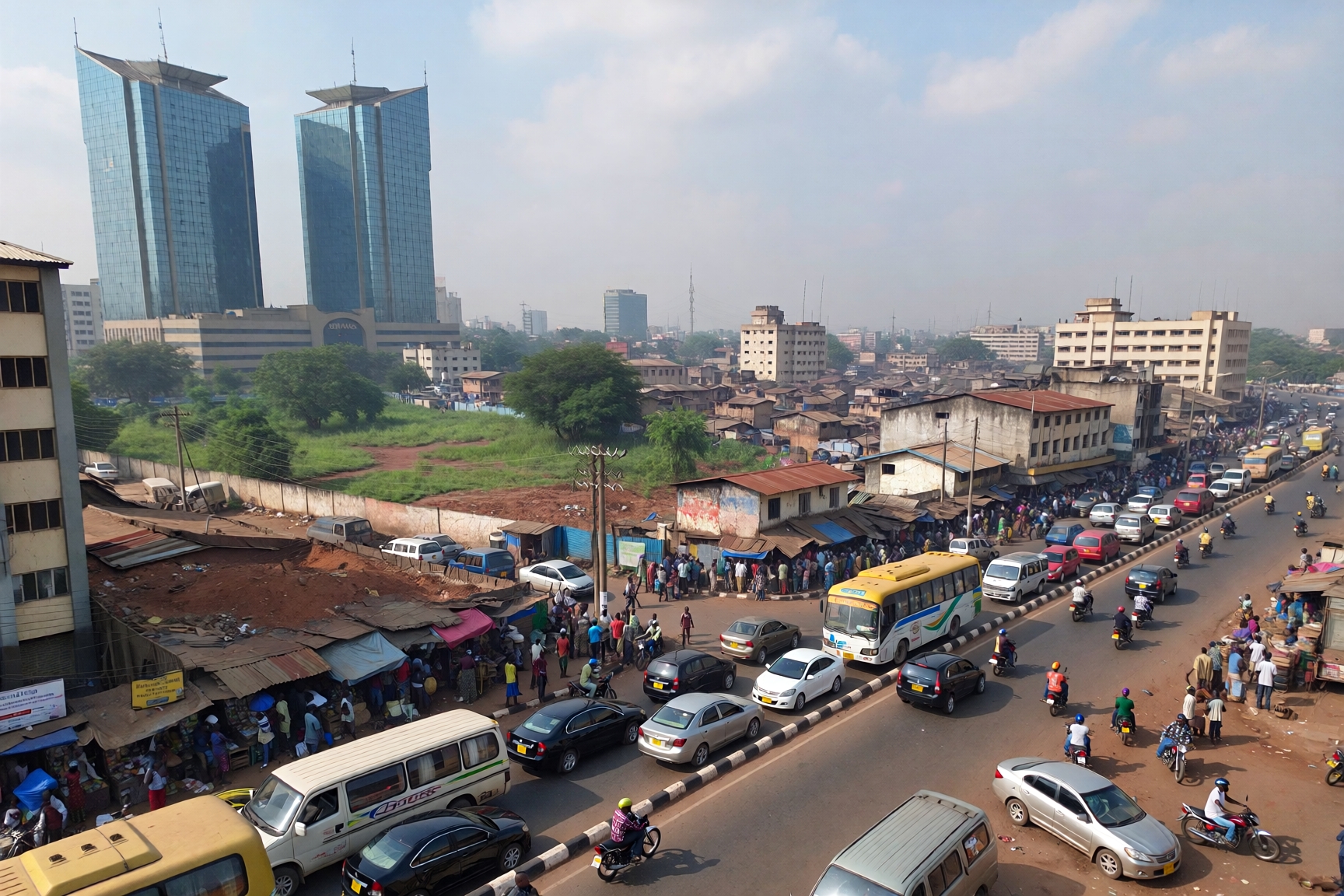
Urban migration disrupts traditional marriage customs significantly. When families live scattered across different cities or even countries, coordinating multi-stage ceremonies across multiple locations becomes logistically complex and expensive. Young people raised in urban environments often lack deep cultural knowledge their rural grandparents possessed naturally. They must learn marriage customs as outsiders might, researching rather than absorbing them through childhood immersion. This creates awkwardness where people perform cultural rituals they don’t fully understand or feel genuinely connected to.
Western influence, particularly through media and education, promotes alternative marriage models emphasising romantic love, individual choice, and simpler celebrations focused on the couple rather than extended families. Many educated Nigerians find these models appealing, creating tension with parents and relatives who expect traditional elaborate ceremonies. Some young people simply refuse to comply, accepting family disapproval as the price of living according to their own values. Others perform traditional customs resentfully, going through motions to satisfy family whilst feeling the practices lack authentic meaning for them.
Understanding Nigerian Marriage Customs in Practice
What are the marriage customs in Nigeria? They’re elaborate, diverse, communal celebrations that unite families through traditional ceremonies involving bride price negotiations (₦30,000 to ₦5 million depending on ethnic group), multi-stage introduction and engagement processes, extensive gift exchanges between families, religious observances (Christian white weddings or Islamic nikah), and often statutory marriage registration. These customs emphasise family involvement over individual choice, establish reciprocal obligations between lineages, publicly demonstrate social status and cultural continuity, integrate traditional indigenous practices with Christian or Islamic religious elements, and create community witness to the union’s legitimacy. The core entities include bride price payment (called owo ori among Yoruba, ịhe isi among Igbo, sadaki among Hausa), traditional ceremonies following ethnic-specific protocols, family elders who negotiate and validate marriages, religious ceremonies that satisfy spiritual requirements, celebration receptions called owambe featuring elaborate food and entertainment, and aso-ebi uniform fabric that identifies family members and supporters at ceremonies.
Navigating Inter-Ethnic and Inter-Religious Marriages
When Nigerians from different ethnic groups marry, the cultural negotiation becomes even more complex. Which ethnic group’s marriage customs take precedence? Where do ceremonies occur? How do families navigate fundamentally different expectations about bride price, ceremony structure, and cultural protocols?
Most inter-ethnic couples compromise by having multiple traditional ceremonies honouring both ethnic groups’ customs. A Yoruba man marrying an Igbo woman might have a Yoruba engagement ceremony in Lagos followed by an Igbo traditional marriage in Enugu. This doubles costs and complexity but satisfies both families’ cultural expectations. Some couples alternate, having children’s naming ceremonies in one ethnic tradition and marriage in another. Others choose the woman’s ethnic group’s customs, following the principle that children typically belong to their mother’s community in matters of cultural identity.
Inter-religious marriages face even thornier challenges. Can a Christian marry a Muslim in Nigeria? Legally yes, practically it depends. Some families absolutely forbid inter-religious marriages, viewing them as betrayal of faith and family. Others accept them reluctantly, provided one partner converts. Urban, educated families increasingly tolerate inter-religious marriages, recognising that love doesn’t always respect religious boundaries.
I know a couple where the wife is Christian and the husband Muslim. They agreed their daughters would be raised Christian and sons Muslim. They celebrate both Christmas and Eid. Neither converted, maintaining their respective faiths. This works for them, but required enormous maturity, mutual respect, and willingness to defend their choices against family criticism. Such arrangements remain controversial and relatively rare in Nigeria, where religious identity carries enormous social weight.
The Role of Aso-Ebi in Nigerian Marriage Culture
Aso-ebi deserves special attention as a distinctively Nigerian marriage custom that crosses ethnic boundaries. This practice involves selecting specific fabric (usually expensive lace, ankara, or george) that family members and friends purchase and sew into matching outfits for the wedding. Everyone wearing aso-ebi signals their support for the couple and identifies which family or social group they belong to.
Aso-ebi serves multiple functions. It generates revenue that helps offset wedding costs, as organisers typically mark up fabric prices. It creates visual unity and spectacle at ceremonies. It signals social status, as expensive fabrics indicate the wedding’s prestige. It obliges friends and family to contribute financially to the wedding through fabric purchases. And it creates beautiful photo opportunities where hundreds of guests appear coordinated in matching outfits.
But aso-ebi also generates resentment and financial strain. Friends feel pressured to purchase fabric they can’t afford and won’t wear again. Multiple weddings in a year can force people to spend ₦200,000 or more on aso-ebi obligations. Some couples select ridiculously expensive fabrics to maximise revenue extraction from their social circles. The practice, whilst culturally rooted, has evolved into a financial burden many Nigerians privately resent whilst publicly accepting.
I now set strict aso-ebi budgets for myself. If fabric exceeds ₦30,000, I politely decline with a cash gift instead. Some friends have cut me off their guest lists for this, viewing my refusal as unsupportive. Others respect my boundary and appreciate the cash contribution. This reflects broader tensions in Nigerian marriage customs between tradition, expectation, and individual financial capacity.
Legal Framework Governing Nigerian Marriages
Nigerian law recognises three distinct marriage types: statutory marriage under the Marriage Act, customary marriage under ethnic group traditions, and Islamic marriage under Sharia law in Northern states. Each carries different legal implications for property rights, inheritance, divorce, and polygamy.
Statutory marriage requires registration at federal marriage registries, submission of specific documents (birth certificates, passport photographs, affidavits of single status), payment of fees (approximately ₦100,000 for re-certification), and ceremony conducted by licensed officials. Statutory marriage is strictly monogamous; subsequent marriages constitute bigamy, a criminal offence. It offers strongest legal protections for property rights and inheritance but requires more bureaucratic processes than other marriage types.
Customary marriage needs no government registration to be legally valid. Community recognition, payment of bride price, and traditional ceremony sufficiency establish legal marriage. Customary marriage permits polygamy provided families accept additional wives. It follows ethnic group-specific protocols, creating enormous diversity in what constitutes valid customary marriage across Nigeria. Courts recognise customary marriages as legally binding for inheritance, custody, and property matters, though proving customary marriage can be challenging without documentation.
Islamic marriage under Sharia law permits men to marry up to four wives provided they can support multiple families equitably. Islamic marriage follows Quranic requirements for mahr (bride price) payment, mutual consent, and public proclamation. In Northern states, Sharia courts adjudicate Islamic marriage disputes using Islamic jurisprudence rather than secular Nigerian law. This creates parallel legal systems operating simultaneously within one country.
Many Nigerian couples undergo combination marriages, having traditional customary ceremonies, religious marriages, and statutory registration, creating layers of legal status. This provides comprehensive protection and community acceptance but multiplies costs and complications. If the marriage fails, couples must navigate potentially conflicting legal frameworks depending on which marriage type they’re seeking to dissolve.
Financial Planning for Nigerian Marriage Customs
Managing the financial burden of Nigerian marriage customs requires strategic planning, family negotiation, and realistic budgeting. The average ₦13 million cost represents more than five years’ salary for typical Nigerian workers. How do couples afford this?
Extended family contributions remain crucial. Families traditionally support children’s marriages financially, viewing it as reciprocal obligation after children supported them. Parents may contribute ₦2-5 million toward wedding costs. Siblings, uncles, aunts, and cousins contribute smaller amounts that collectively add significant sums. Community contributions through cash gifts during ceremonies (money sprayed on dancing couples) can total ₦500,000 to ₦2 million at large weddings. These collective resources make otherwise impossible celebrations feasible.
Staged ceremonies spread costs over time. Having traditional marriage one year, white wedding the next, and registry marriage whenever convenient allows couples to save and pay as they go rather than incurring massive debt simultaneously. Some couples have traditional marriage, begin family life, and add religious ceremonies later if ever. This pragmatic approach prioritises starting married life over performing all ceremonies immediately.
Negotiating bride price realistically prevents financial disaster. Honest conversations about economic capacity, respectful negotiation processes, and willingness to accept modest arrangements allow marriages to proceed without crushing debt. Some families voluntarily reduce bride price demands after assessing the groom’s circumstances. Others remain intransigent, but couples can seek elder intervention to mediate reasonable settlements.
Choosing appropriate ceremony scales matters enormously. A wedding with 200 guests costs dramatically less than one with 1,000. Hiring modest venues, serving simpler menus, eliminating expensive decorations, and focusing on meaningful elements rather than impressive spectacle can reduce costs by 70 percent whilst maintaining cultural authenticity. The question couples must answer: are we celebrating our marriage or performing for others?
Practical Advice for Navigating Nigerian Marriage Customs
Based on years observing Nigerian marriages, here’s practical guidance for successfully navigating these complex customs:
Start conversations with family early, ideally before proposing formally. Understand what your family expects, what customs they consider non-negotiable, and where flexibility exists. Early engagement prevents surprise conflicts later.
Research your partner’s ethnic group thoroughly. Don’t assume marriage customs match your own. Watch videos of similar ceremonies, read ethnographic descriptions, interview married friends from that ethnic group, and attend similar marriages if possible before your own.
Build relationship with your future in-laws independent of marriage negotiations. When they know you personally, respect you, and want your happiness, they’re more likely to be reasonable about bride price and ceremony requirements.
Establish firm budget limits before negotiations begin. Decide what you can genuinely afford without debt, communicate this to family negotiators clearly, and don’t let emotional pressure push you beyond financial capacity. Debt destroys marriages faster than modest weddings.
Consider hiring experienced wedding planners who understand Nigerian marriage customs deeply. They can navigate cultural protocols, coordinate multiple ceremonies, manage family expectations, and prevent costly mistakes that amateurs make.
Document everything in writing. Bride price agreements, engagement list items, ceremony responsibilities, and financial commitments should be written down. Nigerian marriage negotiations involve too many details to trust to memory, and written records prevent later disputes.
Prioritise your marriage over your wedding. The ceremony lasts days; the marriage lasts decades. Don’t bankrupt your future to impress people today. A modest, authentic ceremony celebrated with genuine joy beats an impressive spectacle followed by years of debt repayment.
What Makes Nigerian Marriage Customs Endure
Despite challenges, pressures, and criticism, Nigerian marriage customs persist because they fulfil genuine social and psychological needs that modern alternatives don’t address. They create community witness and investment in the marriage’s success. They honour ancestors and maintain cultural continuity. They establish the couple within broader social networks that provide support during difficulties. They mark major life transitions with appropriate ritual significance.
The communal dimension matters especially. When 500 people attend your marriage, when both extended families invest financially and emotionally, when your community publicly witnesses your vows, there’s powerful social accountability that individual marriages lack. This helps explain why Nigerian marriages, despite economic hardship, infidelity, and numerous challenges, often endure where purely individual romantic partnerships might dissolve.
The customs also provide structured processes for navigating complex social dynamics. Bride price negotiations allow families to assess whether the groom can provide adequately. Introduction ceremonies let families evaluate compatibility before committing fully. Multiple ceremony stages give everyone time to adjust to the new family configuration. These structured processes, developed over centuries, encode collective wisdom about making marriages work.
I’ve watched friends whose marriages survived brutal challenges, sustained partly by the investment both families made in the union. When everyone knows about your marriage, when everyone contributed to it, when your communities expect success, there’s powerful motivation to work through difficulties rather than quit. This communal dimension, so foreign to Western individualism, represents perhaps Nigerian marriage customs’ greatest strength.
Concluding Thoughts on What the Marriage Customs Mean in Nigeria
Nigerian marriage customs represent living tradition adapting continuously to changing circumstances whilst maintaining core cultural values. They’re not static museum pieces but dynamic practices that Nigerians actively shape through their choices. The customs will continue evolving as economics change, gender equality advances, urbanisation proceeds, and younger generations assert their values.
The key for modern Nigerians is finding balance between respecting tradition and living authentically. Marriage customs should serve people, not enslave them to rigid expectations that cause harm. When bride price creates crushing debt, when ceremony costs prevent marriage entirely, when customs privilege family over the couple, then adaptation becomes necessary rather than optional.
Yet wholesale rejection of marriage customs would sever connections to cultural identity, family continuity, and community belonging that define Nigerian life. The challenge lies in discerning which customs carry genuine meaning worth preserving and which elements have become dysfunctional commercial transactions requiring reform. Each couple, each family, each generation must negotiate these tensions for themselves, creating marriages that honour tradition whilst embracing contemporary reality.
After years studying Nigerian marriage customs across our diverse ethnic groups, I remain impressed by their richness, complexity, and adaptability. These customs encode centuries of collective wisdom about making marriages work in challenging circumstances. They create beauty, meaning, and community in ways purely individualistic Western marriages often lack. The costs, complications, and controversies notwithstanding, Nigerian marriage customs represent profound cultural achievements worthy of respect, understanding, and thoughtful preservation.
Key Takeaways:
- Nigerian marriage customs vary dramatically across 371 ethnic groups but share common elements including bride price payment, family involvement, and multi-stage celebrations
- Financial planning is crucial as the average Nigerian wedding costs ₦13 million, requiring family contributions, staged ceremonies, and realistic negotiations to avoid crippling debt
- Balance tradition with contemporary reality by honouring core customs whilst adapting peripheral elements to your circumstances, prioritising sustainable marriage over impressive spectacle
Related Nigerian Cultural Insights
For readers interested in deeper understanding of Nigerian culture, I’ve previously explored how Nigerians show respect through greetings, gestures, and social protocols that profoundly shape our marriages and family life. Understanding respect customs helps navigate marriage customs since both encode similar values about hierarchy, community, and proper behaviour.
I’ve also written comprehensively about Nigerian family life, examining how extended family structures, childcare expectations, and generational obligations create the context within which marriage customs operate. Marriage doesn’t create nuclear family units in Nigeria but rather integrates individuals into complex extended family networks where these marriage customs make absolute sense.
Frequently Asked Questions About What are the Marriage Customs in Nigeria
What are the main types of marriage in Nigeria?
Nigeria recognises three primary marriage types: statutory marriage conducted under the Marriage Act at federal registries, customary marriage following ethnic group traditional practices, and Islamic marriage under Sharia law in Northern states. Most Nigerian couples undergo multiple marriage types to satisfy legal, cultural, and religious requirements simultaneously.
How much does bride price typically cost in Nigeria?
Bride price varies enormously across Nigerian ethnic groups, ranging from ₦30,000 among some Hausa communities to ₦5 million in certain Igbo areas, with Yoruba bride price typically falling between ₦100,000 and ₦2 million. The amounts depend on ethnic group customs, family wealth expectations, the groom’s financial capacity, and negotiation skills of family elders representing both sides.
Are traditional marriages legally valid without government registration?
Yes, customary traditional marriages are legally valid in Nigeria without government registration or statutory ceremony provided they meet certain requirements including payment of bride price, proper traditional ceremony, community recognition, and mutual consent of both parties. Courts recognise customary marriages for inheritance, custody, property rights, and all legal purposes despite lacking government certificates.
What is the palm wine ceremony in Nigerian weddings?
The palm wine ceremony is a dramatic Igbo traditional marriage custom where the bride receives a cup of palm wine from her father and must search through the crowd of guests to find her chosen husband whilst being playfully distracted by other men calling her. When she finds her groom and offers him the drink whilst kneeling, his acceptance publicly confirms the marriage before the assembled community.
Can Christians and Muslims marry in Nigeria?
Inter-religious marriages between Christians and Muslims are legally permissible in Nigeria but face substantial social and family resistance in many communities. Some families absolutely prohibit such marriages whilst others accept them if one partner converts or couples agree to compromise arrangements for raising children in both faiths.
What is aso-ebi and why is it important?
Aso-ebi is the practice of family members and friends purchasing matching fabric (selected by the couple) to sew into coordinated outfits for wedding ceremonies. It creates visual unity, generates revenue to offset wedding costs, signals social status through expensive fabric choices, and identifies which family or social group guests belong to during celebrations.
How long does a traditional Nigerian wedding take?
Traditional Nigerian weddings vary by ethnic group but typically span one to three days including introduction ceremonies, bride price negotiations, traditional marriage rites, and celebration receptions. Some ethnic groups conduct all ceremonies in a single day whilst others spread them across multiple weekends as families negotiate agreements and prepare for final celebrations.
What items are typically on Nigerian engagement lists?
Engagement lists vary by ethnic group but commonly include kola nuts, palm wine, beverages (beer, soft drinks), livestock (goats, cows), yams and other foodstuffs, clothing items, cash payments for bride price, jewellery, and household goods. Igbo lists are particularly detailed whilst Hausa lists tend toward simplicity reflecting different cultural values about marriage celebrations.
Is polygamy legal in Nigerian marriages?
Polygamy is legal in Nigeria under customary marriage and Islamic marriage frameworks, permitting men to marry multiple wives provided they can support multiple families adequately. However, statutory marriage under the Marriage Act is strictly monogamous, making subsequent marriages whilst still statutorily married constitute bigamy, a criminal offence punishable by imprisonment.
What role do family elders play in Nigerian marriage customs?
Family elders serve as negotiators representing the groom’s and bride’s families during introduction visits and bride price discussions, cultural experts who ensure proper protocols are observed throughout ceremonies, validators whose approval legitimises the marriage within the community, and mediators who resolve conflicts between families or between families and the couple regarding marriage arrangements.
How much does an average Nigerian wedding cost?
Recent data shows the average Nigerian wedding now costs approximately ₦13 million including ₦3.3 million for traditional ceremonies, ₦8.9 million for white wedding and reception, and ₦600,000 for proposal stages. Costs vary dramatically based on guest count (from 200 to over 1,000), location (urban vs. rural), family wealth and expectations, and whether couples pursue multiple ceremony types.
What is the difference between white wedding and traditional wedding in Nigeria?
Traditional weddings follow ethnic-specific customary practices, occur at family compounds or rented venues, involve bride price payment and cultural rituals, and feature traditional attire and indigenous elements. White weddings follow Western Christian ceremony formats, occur in churches, require elaborate gowns and suits, involve Western-style receptions, and focus on religious vows rather than cultural customs though most Nigerian couples now have both ceremony types.