 Follow Us on Google News


 Follow Us on Google Discover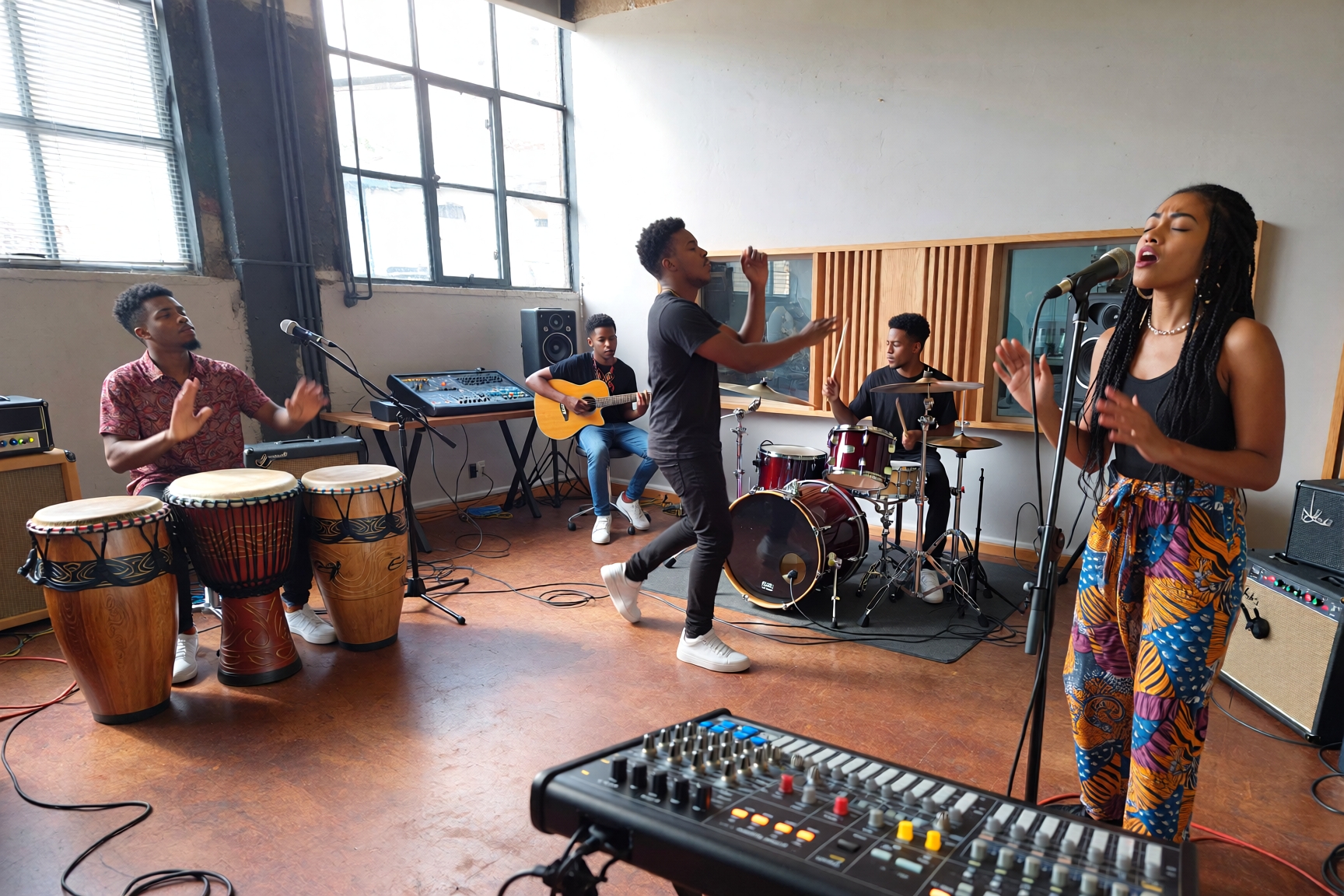
Welcome, dear readers! I’m absolutely delighted you’ve found your way here because Nigerian music represents one of the most electrifying and culturally rich soundscapes on the planet. This article is the culmination of months of intensive research into Nigerian musical traditions, countless hours spent at live performances from Lagos to Abuja, and years of personal immersion in what is Nigerian music like across all its magnificent forms. After attending the Calabar Carnival, experiencing traditional drumming ceremonies in Yoruba villages, and witnessing Afrobeats stars command stadiums filled with 50,000 screaming fans, I can tell you with absolute certainty: Nigerian music is an experience that defies simple categorisation.
What strikes me most powerfully about Nigerian music is how it operates as both ancient tradition and modern innovation simultaneously. You’ll hear rhythmic patterns passed down through 15 generations blending with electronic production techniques invented last Tuesday in a Yaba studio. It’s rather like watching someone weave a tapestry where golden threads from centuries past intertwine with neon fibres from tomorrow’s fashion show.
The Federal Ministry of Arts, Culture and Creative Economy recognises Nigerian music as vital cultural heritage, documenting how our diverse ethnic groups have created distinct musical traditions spanning centuries. From the rhythmic complexity of Yoruba juju to the soulful melodies of Igbo highlife, from the percussion-heavy Hausa kalangu to the modern global phenomenon of Afrobeats, Nigerian music embodies the creative spirit of Africa’s most populous nation.
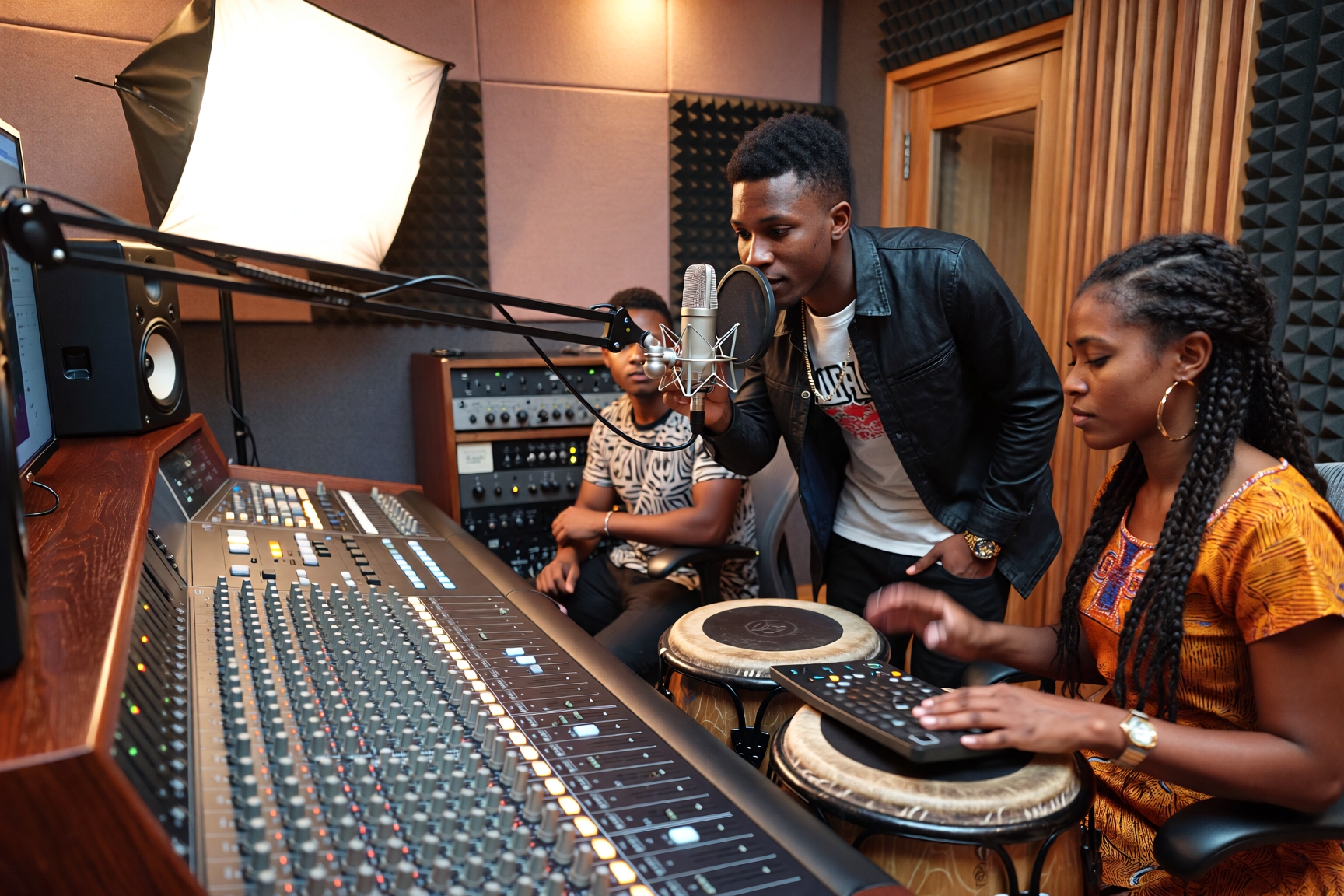
Let me share something personal. I still remember the first time I truly understood Nigerian music’s power. I was in a cramped studio in Surulere, watching a producer named Tunde layer five different percussion patterns (talking drum, shekere, conga, trap hi-hats, and a sampled water bottle!) whilst a singer improvised melodies that seemed to float between three different scales. The result sounded like nothing I’d ever heard, yet somehow felt ancestral and futuristic at once. That’s Nigerian music in a nutshell.
The sheer variety is staggering. Nigeria encompasses over 371 distinct ethnic groups, each contributing unique musical traditions, instruments, scales, and performance practices. We’re not talking about minor variations here. The difference between traditional Hausa music from Kano and traditional Ijaw music from the Niger Delta is comparable to the difference between Italian opera and Japanese taiko drumming. Yet all of it is distinctly, unmistakably Nigerian.
What Does Music Sound Like in Nigeria?
Music in Nigeria sounds like polyrhythmic percussion patterns that make your shoulders move involuntarily, call-and-response vocals that turn listeners into participants, and melodic structures that blend pentatonic African scales with Western harmonies in ways that shouldn’t work but absolutely do. Walk through any Nigerian neighbourhood and you’ll encounter soundscapes layered like the most complex audio engineering: church choirs practising four-part harmonies, street vendors blasting Afrobeats from mobile speakers, traditional drummers rehearsing for weekend ceremonies, and youth playing rap beats from their phones.

The rhythmic foundation is what defines Nigerian music most distinctly. We don’t just keep time, we dance with it. I’ve watched master talking drummers in Ibadan create conversations using only pitch variations and rhythmic patterns. Their drums literally speak Yoruba tonal language, telling stories, issuing commands, and cracking jokes that make the audience laugh. That’s not metaphorical. The drums are genuinely communicating in language.
Percussion dominates Nigerian music in ways that Western pop simply doesn’t match. Where a Western pop song might feature one drum kit playing relatively straightforward patterns, a Nigerian track layers six different percussion instruments creating interlocking rhythms so complex that musicians study for decades to master them. The talking drum (dundun), the calabash shaker (shekere), the hourglass tension drum (gangan), the wooden slit drum (ekwe), and countless other instruments create rhythmic textures richer than most orchestral compositions.
But it’s not all drums and dancing (though there’s plenty of both!). Nigerian music encompasses hauntingly beautiful ballads, complex jazz-influenced compositions, and spiritual songs that raise goosebumps. I’ve heard Yoruba praise singers (oríkì chanters) deliver performances so emotionally intense that audiences weep openly. The National Institute for Cultural Orientation preserves these diverse musical expressions, recognising them as irreplaceable cultural treasures connecting modern Nigerians to ancestral wisdom.
Contemporary Nigerian music production has reached world-class sophistication. Lagos studios now rival anything in Los Angeles or London, with producers crafting sounds that top global charts. Yet even the most modern Afrobeats track typically incorporates traditional elements: a shekere pattern here, a talking drum flourish there, call-and-response vocal structures that have existed for centuries. We honour where we’ve been whilst sprinting toward where we’re going.
What Makes Nigerian Music Special and Distinctive?
What is special about Nigerian music? It’s the infectious joy that permeates even sad songs, the rhythmic complexity that makes music professors scratch their heads in admiration, and the cultural authenticity that refuses dilution despite global influences. Nigerian music is special because it transforms listeners into participants. You don’t passively consume Nigerian music, you engage with it physically and emotionally.
The call-and-response structure embedded in most Nigerian music creates community. A lead vocalist sings a line, the crowd responds. This isn’t audience participation as a novelty, it’s fundamental to how the music functions. I’ve attended concerts where 30,000 people sang complex harmonies in perfect unison without rehearsal because the songs’ structures guide participation instinctively. Guardian Nigeria writers have explored how traditional music practices influence modern Nigerian curriculum, highlighting music’s role in education and cultural transmission.
Nigerian musicians innovate whilst preserving tradition, creating something genuinely new rather than merely copying Western trends. When Fela Kuti invented Afrobeat in the 1970s, he wasn’t making African jazz or African funk. He created an entirely new genre that absorbed jazz and funk elements whilst remaining fundamentally Nigerian in structure, rhythm, and cultural purpose. That innovative spirit continues today with artists creating sounds the world has never heard.
The cultural diversity within Nigeria creates healthy musical competition and cross-pollination. Yoruba musicians developed juju music with its distinctive talking drum patterns and guitar work. Igbo musicians pioneered highlife with its guitar-led melodies and complex harmonies. Hausa musicians created their own distinct traditions incorporating Islamic influences and specialised instruments like the goje (single-string fiddle). These traditions don’t exist in isolation; they influence each other, creating hybrid forms that push Nigerian music forward.
Economic necessity has made Nigerian musicians remarkably resourceful and entrepreneurial. Without reliable government funding or major label support for most of our musical history, Nigerian artists learned to produce, market, and distribute their music independently. This DIY ethos created an incredibly resilient music industry. When Nollywood emerged in the 1990s, musicians understood immediately how to leverage film soundtracks for exposure. When digital streaming arrived, Nigerian artists adapted faster than many Western counterparts.
The spiritual dimension of Nigerian music deserves special mention. Much traditional Nigerian music serves religious or ceremonial purposes: celebrating harvests, honouring ancestors, invoking deities, marking life transitions. Even secular contemporary music often carries spiritual undertones. Burna Boy’s globally successful tracks frequently reference African spirituality and ancestral connection. This isn’t marketing; it reflects genuine cultural continuity.
Nigerian music also carries social commentary embedded in its DNA. From Fela’s anti-government anthems to contemporary artists addressing corruption, inequality, and social justice, Nigerian musicians use their platforms for advocacy. The Federal Ministry of Information and National Orientation recognises entertainment’s cultural and economic significance, documenting how Nigerian music industry contributes over 1.4% to GDP whilst shaping national discourse on critical issues.
I remember interviewing a 78-year-old master drummer in Benin City who explained that traditional Nigerian music never separates entertainment from education. Every performance teaches something: history, moral lessons, cultural values, technical skills. This pedagogical function persists even in modern music, where artists incorporate proverbs, historical references, and cultural teaching into tracks that also make you dance until your feet hurt.
Major Nigerian Music Genres and Their Characteristics
| Genre | Primary Region | Key Instruments | Tempo (BPM) | Cultural Significance |
|---|---|---|---|---|
| Afrobeats | National (Lagos hub) | Drums, synths, bass, percussion | 100-128 | Global export, youth culture, economic powerhouse |
| Juju | Yoruba (Southwest) | Talking drum, guitar, keyboard, shekere | 90-120 | Social ceremonies, storytelling, cultural preservation |
| Highlife | Igbo (Southeast) | Guitars, horns, conga, vocals | 100-130 | Celebration music, weddings, festivals, joy expression |
| Fuji | Yoruba (Southwest) | Sakara drums, vocals, bass | 110-140 | Islamic-influenced, praise singing, political commentary |
| Apala | Yoruba (Southwest) | Talking drum, omele, agidigbo | 85-110 | Traditional ceremonies, ancestral connection, spirituality |
| Hip Hop | National (urban centres) | Electronic beats, samples, bass | 80-100 | Youth expression, street culture, social commentary |
This table reveals Nigerian music’s extraordinary diversity, with each genre serving distinct cultural functions whilst contributing to the national soundscape. The tempo variations alone demonstrate how Nigerian music accommodates different ceremonial needs, from contemplative spiritual music (apala at 85-110 BPM) to high-energy dance music (fuji at 110-140 BPM). What fascinates me most is how these genres influence each other; modern Afrobeats producers routinely sample talking drum patterns from juju or incorporate highlife guitar riffs, creating fusion sounds that honour tradition whilst pushing boundaries.
How to Experience and Understand Nigerian Music Properly
Let me offer you practical guidance for genuinely appreciating Nigerian music rather than just hearing it passively. These seven steps represent years of learning how to listen beyond surface-level entertainment:
- Start With Context, Not Spotify Algorithms
Don’t begin your Nigerian music journey with algorithmic recommendations designed around Western listening patterns. Instead, identify specific genres or regions that interest you, then explore systematically. Want to understand Yoruba music? Start with King Sunny Ade’s juju before moving to contemporary artists. Interested in Igbo contributions? Begin with Osita Osadebe’s classic highlife. This contextual approach provides foundation for understanding how modern music evolved from traditional roots. Budget ₦3,000-5,000 monthly for streaming services offering Nigerian catalogues and occasional concert tickets.
- Attend Live Performances to Understand Participatory Nature
Nigerian music makes limited sense as background listening because it demands engagement. Attend live performances where you’ll experience call-and-response dynamics, see how percussion patterns interlock, and feel communal energy that recordings can’t fully capture. Lagos venues like Terra Kulture host traditional performances alongside modern showcases. Expect to pay ₦2,500-15,000 for tickets depending on artist prominence and venue. The investment returns understanding no documentary could provide. I’ve learned more about Nigerian music in three hours at live shows than in months of studio recording analysis.
- Study the Instruments to Decode the Language
Nigerian music employs specialised instruments creating sounds Western orchestras cannot replicate. Learn to identify talking drum pitch variations that communicate actual language, recognise shekere patterns marking specific celebrations, understand how the ekwe (wooden slit drum) functions in Igbo ensembles. YouTube offers excellent tutorials; search “Nigerian traditional instruments” or specific instrument names. This technical knowledge transforms passive listening into active decoding. You’ll start hearing conversations, not just rhythms.
- Connect Music to Cultural Events and Ceremonies
Music rarely exists independently in Nigerian culture; it serves specific social functions. Research the ceremonies where different music types appear: weddings, funerals, harvest celebrations, religious observances, coronations. Understanding why music exists clarifies what it means. For instance, Yoruba fuji music developed partly to accompany Ramadan night prayers, explaining its specific tempo and spiritual intensity. This contextual knowledge prevents misinterpreting celebratory music as merely entertainment when it actually performs sacred cultural work.
- Learn Basic Yoruba, Igbo, or Hausa to Access Lyrical Depth
Nigerian music lyrics carry enormous cultural weight, incorporating proverbs, historical references, and wordplay that translation cannot fully convey. Learning even basic phrases in major Nigerian languages (sannu/kedu/bawo ni for greetings) opens lyrical dimensions invisible to non-speakers. Many songs use tonal language play where meaning shifts based on pitch, not just word choice. Free language-learning apps offer Nigerian language courses. Dedicate 15 minutes daily for three months; you’ll start catching meanings that transform your musical understanding.
- Follow Nigerian Music Journalists and Critics for Informed Perspectives
Western music criticism often misunderstands or oversimplifies Nigerian music, missing cultural nuances and historical contexts. Instead, follow Nigerian journalists writing for publications like The Guardian Nigeria, who understand the cultural background informing musical choices. Guardian features on cultural festivals incorporating music provide insights Western sources miss. Twitter/X accounts of Nigerian music journalists offer real-time commentary on releases, controversies, and cultural significance. This local perspective prevents accepting outsider misinterpretations.
- Support Nigerian Artists Directly Through Official Channels
Stream music through official platforms (Spotify, Apple Music, Boomplay, Audiomack) that compensate artists, purchase concert tickets from authorised vendors, and buy official merchandise. Nigerian musicians fought for decades to establish legitimate revenue streams against piracy that devastated the industry. Your ₦1,500 streaming subscription or ₦8,000 concert ticket directly supports artists continuing cultural traditions whilst innovating new sounds. Bonus: following artists on social media provides behind-the-scenes insights into creative processes and cultural contexts informing their work.
What Genre of Music Dominates in Nigeria?
What genre of music is popular in Nigeria? Afrobeats currently dominates Nigerian music commercially and culturally, generating billions of naira annually, topping global charts, and defining contemporary Nigerian youth identity both at home and across the diaspora. However, Nigeria’s musical landscape is too diverse for one genre to completely monopolise attention; juju, fuji, highlife, gospel, and hip hop all maintain substantial audiences across different demographics, regions, and occasions.
Afrobeats’ ascendancy represents the most significant development in Nigerian music’s global story. The genre exploded internationally during the 2010s, with artists like Wizkid, Burna Boy, Davido, Tiwa Savage, and Tems achieving global superstar status. By 2024, Afrobeats concerts generated over ₦47 billion in revenue across Lagos venues alone, not counting streaming royalties, endorsements, or international touring income. The genre’s fusion of traditional African rhythms, contemporary production, and universally accessible melodies created something commercially viable across cultural boundaries.
But Afrobeats’ popularity shouldn’t obscure other genres’ continued relevance. Juju music still dominates Yoruba social events, with King Sunny Ade and younger artists like Shina Peters commanding enormous fees for weddings and celebrations. Fuji music maintains massive followings, particularly among Yoruba Muslims. Flavour and Phyno keep highlife commercially viable in Igbo-speaking regions. Gospel music generates substantial revenue and fills stadiums with artists like Sinach and Frank Edwards.
Generational differences influence genre preferences significantly. Older Nigerians (45+) typically prefer traditional genres like juju, highlife, and fuji, music they grew up with and associate with important life events. Middle-aged Nigerians (30-45) often favour early 2000s hip hop alongside traditional forms. Youth (15-30) predominantly consume Afrobeats and contemporary hip hop, though many maintain appreciation for traditional music through family exposure and cultural events.
Regional variations persist despite Afrobeats’ national dominance. Northern Nigeria maintains stronger traditional Hausa music culture, with artists performing at Durbar festivals and political events. Southeastern Nigeria preserves highlife tradition more robustly than other regions. Southwestern Nigeria continues producing juju and fuji artists attracting substantial local audiences. These regional preferences prevent complete genre homogenisation despite Lagos-based Afrobeats’ commercial dominance.
The economic impact of Nigeria’s music industry extends beyond artist earnings to encompass producers, sound engineers, video directors, choreographers, fashion designers, event planners, and countless other professionals. When Burna Boy headlines a show, hundreds of people earn income from that single event. The ripple effects touch Nigeria’s entire creative economy.
Social media transformed how Nigerians discover and consume music, democratising access whilst creating new challenges. Platforms like TikTok, Instagram, and Twitter/X enable unknown artists to achieve viral success without major label support. DJ Yk Beats built massive followings producing beats shared across social media before traditional radio gave him airtime. This democratisation benefits innovation but also fragments audiences across innumerable micro-genres and subcultures.
Streaming platforms reshaped Nigerian music economics, providing legitimate revenue whilst introducing new dependencies. Nigerian artists now compete globally for playlist placement and algorithmic recommendations, sometimes compromising local authenticity for international appeal. The tension between preserving Nigerian musical identity and achieving global commercial success creates ongoing debates within the industry.
Looking forward, Nigerian music seems positioned for continued global expansion. As Guardian Nigeria documented regarding Afrobeats’ emotional and mental health impacts, the genre offers therapeutic benefits alongside entertainment value, potentially expanding its audience beyond traditional music consumption contexts. The global African diaspora’s growing economic and cultural influence creates expanding markets for Nigerian music maintaining cultural authenticity.
What is Nigerian Music Like? Direct Answer to Your Question
What is Nigerian music like fundamentally? Nigerian music is rhythmically complex, culturally diverse, emotionally expressive, and participatory by design, characterised by polyrhythmic percussion patterns, call-and-response vocal structures, and seamless blending of ancient traditions with contemporary production techniques. It sounds like celebration even when addressing serious topics, feels physically infectious due to intricate drum patterns evolved over centuries, and operates as cultural preservation and innovation simultaneously, making listeners from Lagos to London move involuntarily whilst connecting them to ancestral musical wisdom spanning generations.
Nigerian music refuses the passive listening model dominating Western pop. You can’t just play Nigerian music in the background whilst working; the rhythms demand attention and physical response. Your shoulders start moving. Your feet tap involuntarily. Before you realise it, you’re dancing. This isn’t accidental; it’s designed into the music’s rhythmic structure.
The emotional range is extraordinary. Nigerian musicians excel at joy (listen to any highlife celebration track), but we also master melancholy (try Asa’s introspective ballads), anger (Fela’s anti-establishment anthems), spirituality (traditional praise songs), romance (countless Afrobeats love songs), and every shade between. The tonal languages (Yoruba, Igbo, Hausa) enable melodic expressions impossible in non-tonal languages, where pitch carries meaning beyond mere musical aesthetics.
What consistently strikes foreign listeners encountering Nigerian music is the complexity underlying apparent simplicity. A song sounding like straightforward dance music on first listen reveals layers of rhythmic sophistication upon closer examination. Six different percussion instruments interlock creating patterns where each instrument’s rhythm sounds incomplete alone but magical combined. It’s rather like appreciating a master chef’s recipe; ingredients that seem ordinary produce extraordinary results through expert combination and timing.
Nigerian music also carries spiritual dimensions often invisible to secular Western audiences. Many rhythmic patterns originated in religious ceremonies, invoking specific deities or ancestral spirits. Even thoroughly secular contemporary Afrobeats often incorporates these rhythms, creating subconscious spiritual connections for Nigerian listeners whilst international audiences simply enjoy the infectious groove.
The storytelling tradition embedded in Nigerian music deserves emphasis. We use music to preserve history, teach moral lessons, satirise politicians, celebrate heroes, and maintain cultural continuity across generations. A traditional Yoruba griot’s performance might recount 15 generations of family history through song. Modern artists continue this tradition, just with electronic production and streaming distribution instead of village squares and oral transmission.
Related Articles
For deeper understanding of Nigerian culture and entertainment, explore these related articles:
What is Nigerian Culture Known For? examines Nigeria’s cultural exports including Afrobeats music, Nollywood films, and literary excellence, providing context for understanding how Nigerian music functions within our broader cultural influence reshaping global perceptions of African creativity and artistic achievement.
What are Nigerians Known For? explores Nigerian global influence through entertainment, entrepreneurship, and cultural innovation, demonstrating how music serves as primary vehicle for Nigerian soft power alongside our other internationally recognised contributions to arts, technology, and cultural discourse.
Conclusion: Why Nigerian Music Deserves Your Attention and Respect
Nigerian music represents one of humanity’s most vibrant cultural expressions, combining rhythmic complexity refined over millennia with contemporary production innovation that pushes global music forward. From the ancient talking drums of Yoruba kingdoms to the Billboard-topping Afrobeats tracks dominating streaming platforms, Nigerian music demonstrates how tradition and modernity can coexist productively, each enriching the other rather than competing for dominance.
What makes Nigerian music genuinely special isn’t just the infectious rhythms or global commercial success, though both deserve celebration. It’s the cultural authenticity that refuses dilution despite enormous commercial pressures to conform to Western pop formulas. Nigerian artists consistently choose cultural preservation over easier international acceptance, maintaining the call-and-response structures, polyrhythmic percussion, and tonal language melodies that define our musical identity.
The global Afrobeats explosion changed how the world perceives African music, moving from exotic curiosity to mainstream cultural force. When Burna Boy headlines Coachella or Tems wins Grammy awards, they’re not succeeding despite their Nigerian identity but because of it. The world finally recognised what Nigerians have always known: our music offers something unique and valuable that Western pop cannot replicate.
As we look forward, Nigerian music seems positioned for continued growth and innovation. Young producers in Yaba studios are inventing sounds that will dominate global charts in five years. Traditional musicians continue preserving genres endangered by modernisation. The tension between these forces creates creative friction producing extraordinary results. Nigerian music’s future looks as vibrant as its present and past.
Key Takeaways:
- Nigerian music demands active engagement rather than passive consumption; attend live performances, learn basic Yoruba/Igbo/Hausa phrases, and study traditional instruments to transform your listening experience from superficial entertainment to cultural immersion that reveals layers of meaning invisible to casual listeners.
- Support Nigerian artists through official streaming platforms, concert attendance, and merchandise purchases to ensure the cultural traditions producing this extraordinary music continue thriving economically, enabling artists to maintain creative independence without compromising cultural authenticity for commercial appeal.
- Explore beyond Afrobeats’ global popularity into traditional genres like juju, highlife, and fuji to understand the ancestral musical foundations informing contemporary sounds, appreciating how modern Nigerian artists honour centuries of cultural evolution whilst pioneering innovations reshaping global music.
FAQs: What is Nigerian Music Like?
What is Nigerian Music Like in Terms of Rhythm and Beat Patterns?
Nigerian music is characterised by complex polyrhythmic percussion patterns where multiple drum types create interlocking rhythms rather than simple steady beats, making Nigerian music more rhythmically sophisticated than most Western pop. These layered percussion patterns evolved over centuries through traditional ceremonies and continue influencing contemporary Afrobeats production with infectious, dance-inducing grooves that move listeners involuntarily.
What Instruments Define Nigerian Music’s Distinctive Sound?
Nigerian music relies heavily on talking drums (dundun), calabash shakers (shekere), wooden slit drums (ekwe), and hourglass tension drums (gangan) alongside modern instruments like synthesisers, bass guitars, and electronic drum machines in contemporary productions. Traditional instruments literally communicate in tonal languages through pitch variations, creating musical conversations that Western instruments cannot replicate whilst providing rhythmic foundations for both ancient ceremonies and modern Afrobeats hits.
What Does Traditional Nigerian Music Sound Like Compared to Modern Afrobeats?
Traditional Nigerian music features acoustic instruments, call-and-response vocals, and rhythmic patterns serving specific ceremonial functions, whilst modern Afrobeats incorporates electronic production, synthesisers, and global influences whilst maintaining traditional rhythmic foundations and vocal structures. Both share core characteristics including polyrhythmic percussion, participatory call-and-response, and cultural storytelling, demonstrating continuity between ancestral traditions and contemporary innovations that honour Nigerian musical heritage whilst pushing creative boundaries.
What Role Does Call-and-Response Play in Nigerian Music Culture?
Call-and-response transforms Nigerian music from performance into participatory communal experience, with lead vocalists singing lines that audiences complete, creating collective musical creation rather than passive consumption. This structure emerged from traditional ceremonies requiring community participation and persists in contemporary Afrobeats concerts where thousands sing complex harmonies instinctively, demonstrating how Nigerian music fundamentally prioritises communal engagement over individual artistry.
What Makes Nigerian Music Different From Other African Music Styles?
Nigerian music incorporates influences from 371 distinct ethnic groups creating extraordinary internal diversity, whilst pioneering internationally successful genres like Afrobeats that blend traditional African rhythms with contemporary global production techniques. Nigerian artists maintain cultural authenticity whilst achieving commercial success, refusing to dilute traditional elements for easier Western acceptance, distinguishing Nigerian music from other African styles that sometimes compromise cultural specificity for international marketability.
What is Special About Nigerian Music’s Cultural and Social Functions?
Nigerian music serves cultural preservation, education, spiritual practice, social commentary, and entertainment simultaneously, with specific genres performing distinct ceremonial roles at weddings, funerals, religious observances, and political events. Music functions as living history, transmitting ancestral wisdom, moral lessons, and cultural values across generations whilst providing economic opportunities for musicians, producers, and entire creative industries supporting Nigeria’s cultural economy.
What Genres of Nigerian Music Should Beginners Explore First?
Beginners should start with Afrobeats (Burna Boy, Wizkid, Tems) for contemporary sounds, then explore juju (King Sunny Ade) for Yoruba traditions, highlife (Flavour, Osita Osadebe) for Igbo celebrations, and Fela Kuti’s Afrobeat for historical context. This progression provides foundation in both traditional and modern Nigerian music, revealing how contemporary artists honour ancestral rhythms whilst innovating new sounds that dominate global charts and reshape international perceptions of African musical excellence.
What is the Best Way to Experience Nigerian Music Authentically?
Experience Nigerian music authentically by attending live performances where call-and-response dynamics and communal energy reveal participatory nature recordings cannot fully capture, learning basic Nigerian language phrases to access lyrical depth, and studying traditional instruments creating sounds impossible to replicate with Western orchestras. Combine streaming with cultural research, following Nigerian music journalists rather than Western critics who often miss cultural nuances, and supporting artists through official channels that compensate them properly.
What Language Considerations Affect Nigerian Music Appreciation?
Nigerian music incorporates tonal languages (Yoruba, Igbo, Hausa) where pitch changes meaning, enabling melodic expressions impossible in non-tonal languages and creating wordplay and double meanings that translations cannot preserve. Even basic language knowledge transforms listening experience, revealing proverbs, historical references, and cultural teaching embedded in lyrics, whilst understanding how talking drums literally speak these languages through pitch variations deepens appreciation for Nigerian music’s sophisticated linguistic-musical integration.
What is the Economic Impact of Nigerian Music Industry?
Nigerian music industry contributes over 1.4% to national GDP (approximately ₦2.3 trillion annually), employs hundreds of thousands across performance, production, distribution, and support services, and generates billions through streaming, concerts, endorsements, and international licensing. Afrobeats concerts in Lagos alone generated over ₦47 billion in 2024, whilst Nigerian artists increasingly command international touring fees matching Western superstars, demonstrating music’s transformation from cultural expression into significant economic driver supporting Nigeria’s creative economy.
What Technical Production Techniques Define Nigerian Music?
Nigerian music production layers six to ten percussion instruments creating polyrhythmic complexity, incorporates traditional instrument samples (talking drums, shekere) into electronic productions, and uses call-and-response vocal arrangements even in solo tracks through backing vocals and audience participation cues. Contemporary producers blend Roland TR-808 drum machines with live traditional drummers, creating hybrid sounds honouring ancestral rhythms whilst achieving modern commercial appeal that tops global streaming charts and fills international stadiums.
What is Nigerian Music’s Global Influence and Future Direction?
Nigerian music, particularly Afrobeats, now influences global pop with Western artists incorporating Nigerian rhythms, collaborating with Nigerian producers, and featuring Nigerian artists on international hits, whilst streaming platforms prioritise Nigerian music for African and diaspora audiences. Future trajectory suggests continued global expansion as young Nigerian producers invent new fusion genres, traditional musicians preserve endangered cultural forms, and the creative tension between innovation and preservation produces increasingly sophisticated sounds reshaping global music whilst maintaining distinctly Nigerian cultural authenticity.

