 Follow Us on Google News
 Follow Us on Google Discover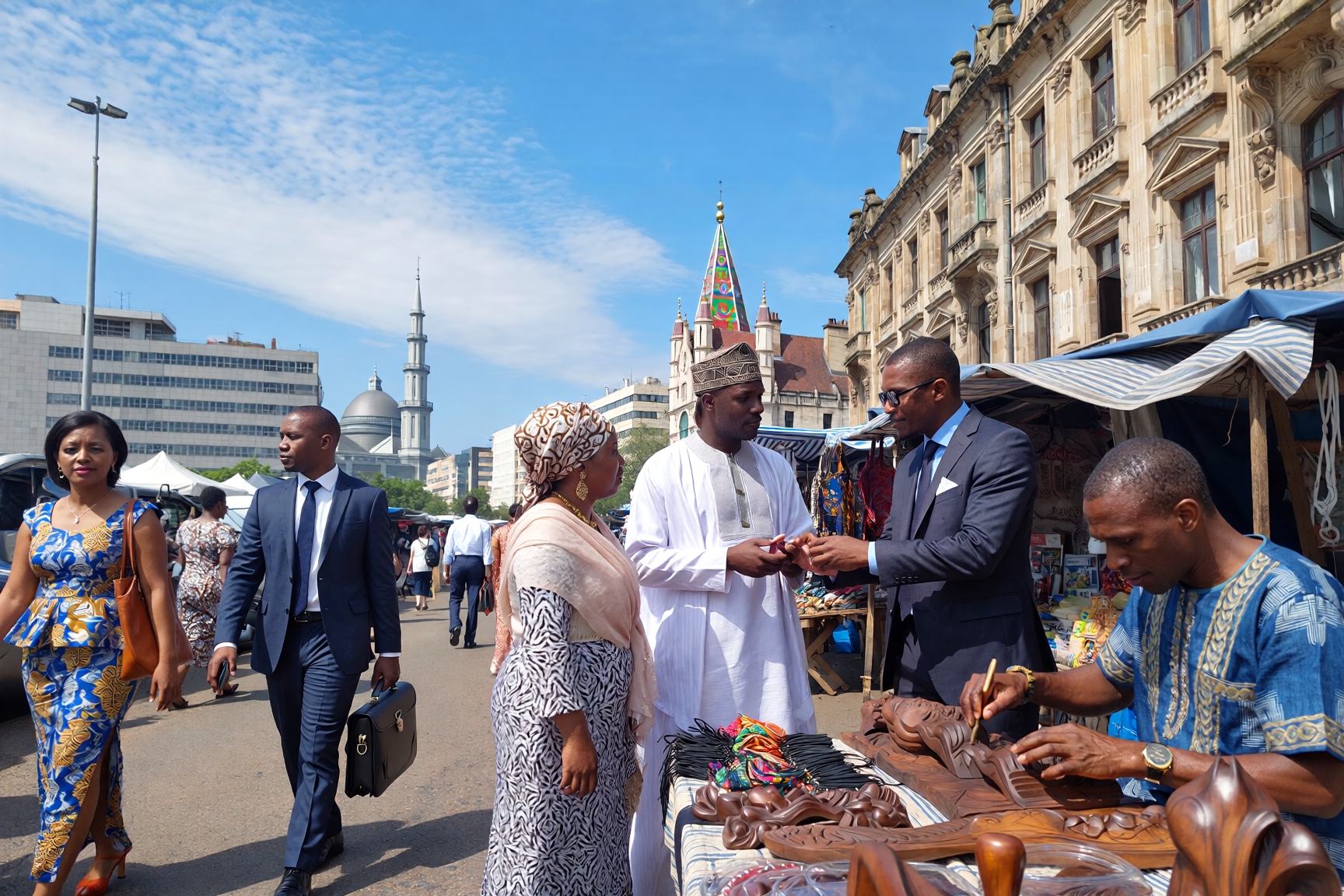
Welcome! I’m absolutely delighted you’ve decided to explore one of the most fascinating and nuanced questions about Africa’s most populous nation. This article represents the culmination of months of research into dominant culture dynamics across Nigeria, drawing upon years of experience working with cultural documentation projects, attending traditional ceremonies across all six geopolitical zones, and countless conversations with traditional rulers, academics, and everyday Nigerians from Sokoto to Calabar. After all this immersion in Nigeria’s extraordinary cultural landscape, I can tell you with certainty: the answer to what is the dominant culture in Nigeria is far more complex and beautiful than simple demographics might suggest.
The question of Nigeria’s dominant culture touches the very heart of our national identity. Is it determined by population numbers? By political influence? By cultural reach? Or perhaps by something else entirely?
I’ll never forget my first research trip to Plateau State, where I witnessed seven different ethnic groups celebrating their distinct cultural festivals within a single month. That experience shattered any simplistic notions I’d held about cultural dominance in Nigeria. What I discovered instead was a sophisticated system where multiple cultures coexist, influence each other, and collectively create something uniquely Nigerian.
Rather than one dominant culture overwhelming all others, Nigeria operates more like a cultural symphony where different groups play different instruments, sometimes harmoniously, occasionally discordantly, but always creating something profoundly rich. The three major ethnic groups (Hausa-Fulani, Yoruba, and Igbo) each exercise cultural influence in different spheres, whilst 368 other ethnic groups maintain vibrant cultural practices that shape their regions.
According to the Ministry of Foreign Affairs, Nigeria derives from over 250 ethnic groups and languages, with economic mobility resulting in significant intermixing of various ethnic and religious groups, especially in Nigeria’s cities. This demographic reality means that understanding Nigerian culture requires moving beyond simple majority-minority frameworks into something far more nuanced.
The English language serves as Nigeria’s lingua franca, creating a unifying thread across ethnic boundaries. But beneath this linguistic canopy, hundreds of distinct cultural practices flourish. Each ethnic group maintains its own systems of governance, marriage customs, religious practices, and artistic traditions. These aren’t merely surviving in isolation. They’re actively shaping the broader Nigerian culture through intermarriage, urbanisation, and the constant exchange of ideas that characterises modern Nigeria.

Let me share something I learned whilst conducting fieldwork across Nigerian universities. Young Nigerians increasingly identify with multiple cultural frameworks simultaneously. A typical university student might speak Yoruba at home, Pidgin with friends, Hausa in the market, and English in lectures. That multilayered identity reflects how Nigerian culture actually functions: not as a hierarchy with one culture dominating others, but as a complex network where different cultural systems operate in different contexts.
Understanding the Main Culture in Nigeria
When we talk about Nigeria’s main culture, we’re really discussing three interconnected systems that collectively shape national life: ethnic cultures (over 371 distinct groups), religious cultures (Christianity, Islam, and traditional religions), and the emerging pan-Nigerian culture that transcends ethnic boundaries.
The three major ethnic groups exercise cultural influence in proportion to their populations. The Hausa-Fulani, representing approximately 29 per cent of Nigeria’s population, dominate the northern states from Sokoto to Kano, Kaduna to Bauchi. Their cultural practices, rooted in centuries of Islamic scholarship and the Sokoto Caliphate’s political structures, shape governance, education, and daily life across northern Nigeria. The Emirate system, where traditional rulers maintain significant social and religious authority, creates a distinct cultural framework that influences everything from dispute resolution to marriage ceremonies.
I spent three months in Kano researching traditional governance systems, and what struck me was how Islamic jurisprudence and Hausa customary law interweave to create unique institutions. The Sharia courts that operate alongside secular courts in northern states reflect this cultural duality, where religious law and civil law occupy different but complementary spaces.
The Yoruba people, comprising about 21 per cent of the population, concentrate in southwestern states including Lagos, Oyo, Ogun, Osun, Ondo, and Ekiti. Yoruba culture is renowned for its sophisticated artistic traditions, from the bronze castings of ancient Ife to contemporary Afrobeats music. The Oba system, where hereditary kings maintain ceremonial and sometimes political authority, creates distinct power structures that persist alongside modern democratic institutions.
What fascinates me about Yoruba culture is its adaptability. The same community that maintains elaborate traditional festivals for Orishas (Yoruba deities) also produces world-class Christian gospel music and Islamic poetry. That cultural flexibility allows Yoruba influence to extend far beyond southwestern Nigeria, shaping fashion, music, and language use nationally.
The Igbo people represent approximately 18 per cent of Nigeria’s population, primarily occupying southeastern states including Abia, Anambra, Ebonyi, Enugu, and Imo. Igbo culture emphasises republicanism, entrepreneurship, and achievement through merit rather than inherited status. Unlike the hierarchical Hausa Emirates or Yoruba Obaships, traditional Igbo society featured remarkable egalitarianism, with decisions made through councils of elders rather than kings.
This cultural emphasis on individual achievement and commercial enterprise has shaped modern Nigeria profoundly. Guardian Nigeria has noted that whilst it’s an undisputed fact that the Hausa, Igbo and Yoruba ethnic groups are the largest ethnic groups in Nigeria, the classification of Nigeria’s over 500 ethnic nationalities under these three umbrellas creates its own problems, potentially marginalising the minorities.
But here’s where things get really interesting. These three groups collectively represent only 60-68 per cent of Nigeria’s population. That leaves 32-40 per cent distributed among 368 other ethnic groups. These so-called “minority” groups number in the millions and exercise significant cultural influence within their regions.
The Ijaw people of the Niger Delta, the Tiv of the Middle Belt, the Kanuri of the North-East, the Ibibio of the South-South – each maintains distinct cultural practices that shape their regions as profoundly as the “big three” shape theirs. The Federal Ministry of Information and National Orientation recognises that Nigeria has approximately 350 linguistic groups, with languages serving as vehicles for creating and mastering complex cultural realities.
Seven Steps for Understanding Nigeria’s Cultural Landscape
If you’re trying to comprehend how culture operates in Nigeria, whether as a researcher, expatriate, business person, or simply someone fascinated by our diversity, these seven steps will guide you through the complexity:
1. Recognise the Difference Between Ethnic Culture and National Culture
Nigerian culture operates on multiple levels simultaneously. There’s the pan-Nigerian identity shared across ethnic boundaries, characterised by common experiences like military rule, structural adjustment programmes, fuel subsidy debates, and Super Eagles fever during African Cup of Nations tournaments. Then there are ethnic cultures with centuries of distinct traditions, languages, and worldviews. Understanding when each operates requires careful observation and cultural sensitivity.
I learned this lesson during a business consultation in Abuja. My client, a European investor, couldn’t understand why his predominantly Igbo staff celebrated New Yam Festival with such enthusiasm whilst his Yoruba employees requested leave for different traditional festivals. He’d assumed “Nigerian culture” was monolithic. Once he understood that Nigeria contains multiple distinct cultures operating within a shared national framework, his management approach improved dramatically.
2. Learn the Geographic Distribution of Major Ethnic Groups
Nigeria’s ethnic groups aren’t randomly distributed. They occupy distinct geographic regions with historical, linguistic, and cultural logic. The Hausa-Fulani dominate the North-West and North-East zones. The Yoruba control the South-West. The Igbo occupy the South-East. The Middle Belt and Niger Delta host dozens of ethnic groups, each significant within their localities.
Understanding this geographic distribution explains everything from voting patterns to business practices. A trader in Kano speaks Hausa regardless of their ethnic origin, because that’s the commercial language of northern Nigeria. Similarly, Pidgin English dominates Lagos street commerce because it bridges ethnic divisions in Nigeria’s most cosmopolitan city.
3. Understand How Religion Interacts With Ethnic Culture
Nigeria’s religious landscape creates fascinating cultural complexities. Islam dominates the northern states, Christianity the southern states, with significant minorities everywhere. But this simple North-South, Muslim-Christian dichotomy masks incredible diversity.
Yorubaland contains substantial Muslim and Christian populations, both of whom maintain Yoruba cultural practices whilst observing Islamic or Christian teachings. I’ve attended Yoruba traditional marriages where Islamic prayers, Christian hymns, and ancestral libations all feature in a single ceremony. That cultural fluidity represents the Nigerian genius for synthesis.
Guardian opinion writers have extensively discussed how Christians navigate the tension between their foundation rooted in Jesus Christ and traditional festivals rooted in deities or what some perceive as heathen religions, showing the complexity of religious and cultural identity in contemporary Nigeria.
4. Observe How Urbanisation Creates New Cultural Synthesis
Major Nigerian cities (Lagos, Abuja, Port Harcourt, Kano, Ibadan) function as cultural melting pots where ethnic identity matters less than in rural areas. Young professionals in these cities create hybrid identities, code-switching between multiple languages and cultural frameworks depending on context.
I watched this unfold at a wedding in Lagos. The groom was Igbo, the bride Yoruba. The ceremony featured Igbo wine-carrying traditions, Yoruba engagement customs, a Western white wedding, and concluded with everyone dancing to Afrobeats regardless of ethnic background. That’s modern Nigerian culture: taking elements from different traditions and creating something new whilst honouring the old.
5. Learn Key Cultural Protocols That Transcend Ethnic Boundaries
Despite Nigeria’s diversity, certain cultural values operate across ethnic groups. Respect for elders is non-negotiable nationwide. Greeting protocols matter everywhere, though specific forms vary. Hospitality to guests is universal, even when resources are scarce. Understanding these pan-Nigerian values helps you navigate cultural interactions successfully regardless of which ethnic group you’re engaging with.
The proper way to greet someone varies by ethnicity (Yoruba prostrate or kneel, Igbo bow or courtesy, Hausa give handshakes with left hand supporting right elbow), but the importance of showing respect through formal greetings operates everywhere.
6. Appreciate the Role of Nigerian Pidgin as Cultural Bridge
Nigerian Pidgin English has evolved into perhaps our most successful cultural unifier. It’s not “broken English” as dismissive outsiders sometimes claim. Rather, it’s a sophisticated creole language with its own grammar rules that allows people from different ethnic backgrounds to communicate naturally and expressively.
I’ve watched Pidgin facilitate business deals between Hausa traders and Yoruba customers who share no common ethnic language. Pidgin creates neutral cultural space where ethnic identity matters less than mutual comprehension. When Nigerians say “No wahala” or “I dey kampe,” they’re speaking a genuinely Nigerian language that belongs to all of us equally.
7. Recognise That Cultural Influence Operates Through Multiple Channels
Cultural dominance isn’t simply about population numbers. It operates through political influence, economic power, educational institutions, media representation, religious authority, and artistic creativity. Each of Nigeria’s major ethnic groups exercises influence through different channels.
Hausa-Fulani culture influences national politics disproportionately, partly through population numbers but also through the military’s historical composition and northern political cohesion. Yoruba culture dominates Nigerian entertainment through Nollywood and Afrobeats. Igbo culture shapes commerce through entrepreneurial networks that span the nation. Understanding these different spheres of influence reveals how cultural power actually operates in Nigeria.
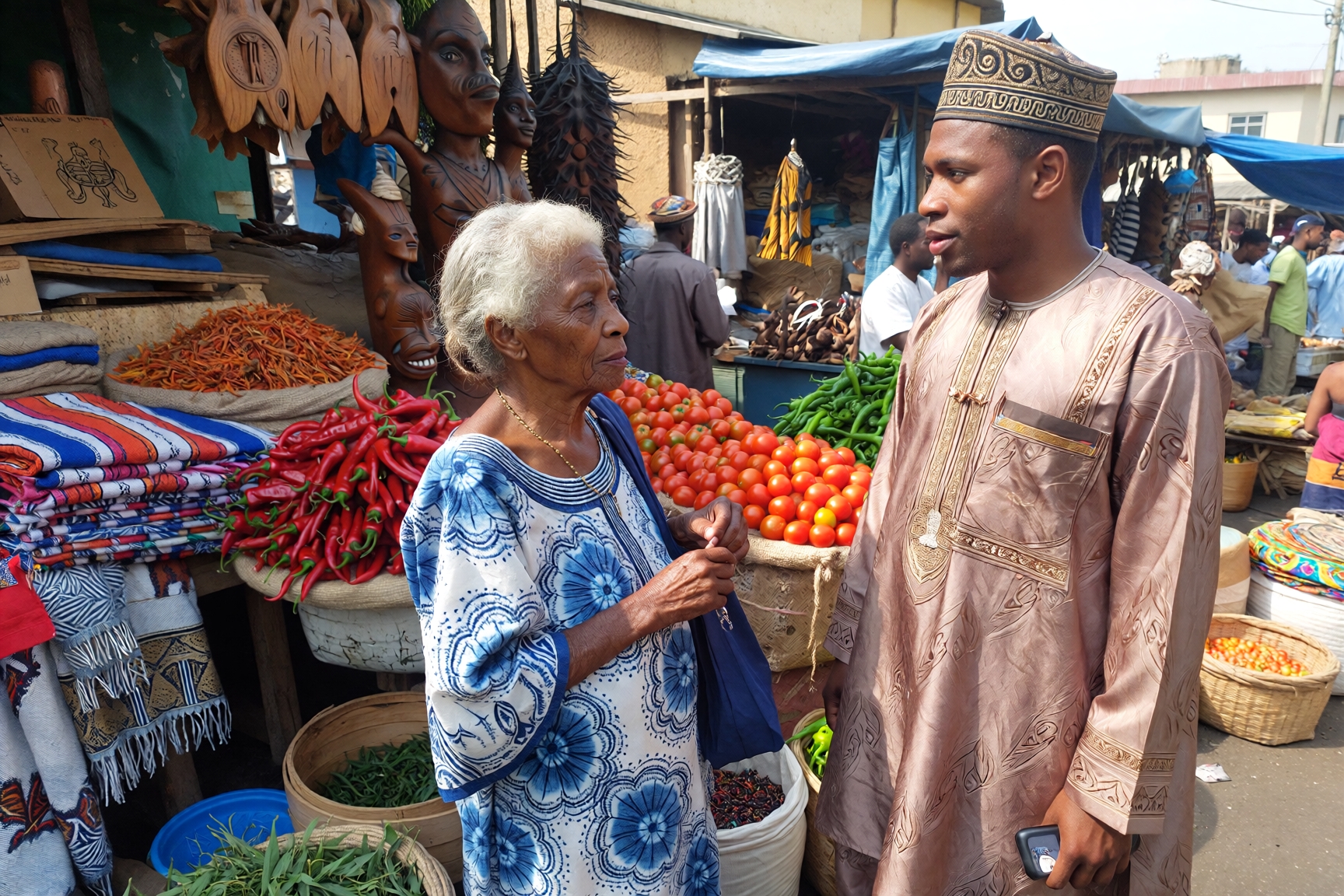
Regional Cultural Comparison Across Nigeria’s Zones
This table demonstrates how ethnic identity, religious practice, governance systems, and cultural expression vary dramatically across Nigeria’s six geopolitical zones, creating distinct regional cultures within the broader national framework:
| Zone | Dominant Ethnic Groups | Primary Religion | Traditional Governance | Cultural Markers | Language Use |
|---|---|---|---|---|---|
| North-West | Hausa-Fulani | Islam 90%+ | Emirate System | Durbar festivals, Islamic scholarship, horsemen culture | Hausa dominant, Arabic for religious purposes |
| North-East | Kanuri, Hausa, Fulani | Islam 75%+ | Mix of Emirate and traditional systems | Ancient Kanem-Bornu heritage, Islamic education | Hausa, Kanuri, Arabic |
| North-Central | Tiv, Igala, Nupe, Idoma | Mixed Christian/Muslim | Diverse traditional systems | Cultural pluralism, Middle Belt identity | Multiple languages, English as common tongue |
| South-West | Yoruba | Mixed Christian/Muslim | Oba (kingship) system | Elaborate festivals, sophisticated arts, Nollywood dominance | Yoruba, English, Pidgin |
| South-East | Igbo | Christianity 95%+ | Republican elder councils | Entrepreneurial culture, title-taking ceremonies | Igbo, English, Pidgin |
| South-South | Ijaw, Efik, Ibibio, Urhobo | Christianity 80%+ | Mix of kingships and republics | Water-based cultures, masquerade traditions | Multiple languages, Pidgin widespread |
The data in this table reveals something crucial about Nigerian culture: there is no single dominant pattern. Instead, Nigeria operates as a confederation of distinct cultural systems that maintain autonomy whilst participating in shared national institutions. The North-West’s Islamic Emirate system functions entirely differently from the South-East’s republican structures, yet both exist within the same constitutional framework.
Defining Dominant Culture in Nigerian Context
The concept of dominant culture, as applied to Nigeria, requires significant modification from its typical sociological definition. In most nations, dominant culture refers to the cultural beliefs, practices, and institutions of the majority group that shapes national norms and marginalises minority cultures. That framework doesn’t quite fit Nigeria’s reality.
Rather than one culture dominating others, Nigeria exhibits what I call “contextual cultural dominance.” Different cultures dominate in different contexts. Hausa-Fulani culture dominates in northern commercial centres. Yoruba culture dominates southwestern politics and national entertainment. Igbo culture dominates certain commercial sectors nationwide. Each exercises influence in specific spheres whilst coexisting with other cultural systems.
The Federal Ministry of Information and Culture launched Nigeria’s National Cultural Policy in September 1988, defining culture as the totality of the way of life evolved by a people in their attempts to meet the challenges in their environment, which gives order and meaning to their social, political, economic, aesthetic and religious norms and modes of organisation. This definition recognises that multiple cultures exist within Nigeria’s borders.
I spent six months working with the National Council for Arts and Culture on documentation projects, and what struck me was the deliberate policy approach to cultural pluralism. The government doesn’t promote one culture as superior. Instead, it attempts to preserve all 371 ethnic group cultures whilst fostering pan-Nigerian identity through shared symbols (the flag, national anthem, currency), shared history (independence struggle, civil war reconciliation), and shared aspirations (fighting corruption, improving infrastructure, competing internationally).
The reality is that English serves as the dominant language of governance, education, and formal business. This reflects colonial history rather than ethnic cultural dominance. English creates neutral space where no single ethnic group can claim linguistic ownership. When Parliament debates legislation, they use English precisely because using Hausa, Yoruba, or Igbo would grant that group perceived advantage.
Nigerian Pidgin increasingly serves as the dominant language of informal commerce, popular culture, and inter-ethnic communication. Walk through any Nigerian market and you’ll hear Pidgin bridging ethnic divides, allowing traders and customers from different backgrounds to negotiate, joke, and build relationships. That makes Pidgin arguably more culturally dominant than any ethnic language, because it belongs equally to everyone.
Christianity and Islam collectively dominate Nigeria’s religious landscape, with approximately 50 per cent Christian and 50 per cent Muslim populations. But traditional African religions persist, often operating alongside Christianity and Islam in syncretistic forms. Many Nigerians who identify as Christian or Muslim maintain cultural practices rooted in ancestral traditions, creating unique religious-cultural hybrids.
Analysis in Guardian Nigeria has emphasised that Nigeria’s politics of today require moving beyond north versus south, Igbo versus Yoruba versus Hausa divisions, suggesting that a new national orientation is needed to pursue systematic and strategic education of Nigerians on the fundamental imperative of unity in diversity.
Cultural dominance in Nigeria operates through multiple overlapping systems. In entertainment, Yoruba cultural forms (particularly through Lagos-based Nollywood and Afrobeats music) exercise disproportionate influence nationally and internationally. Burna Boy, Wizkid, Davido – these global ambassadors for Nigerian culture draw heavily on Yoruba and general southern Nigerian cultural aesthetics, spreading these forms worldwide.
In commerce, Igbo entrepreneurial culture influences business practices across Nigeria. The apprenticeship system, where young men work for established businessmen for years before being “settled” to start their own enterprises, has spread beyond Igbo communities to influence commercial culture in Lagos, Abuja, and other major cities.
In politics, Hausa-Fulani cultural norms around leadership, authority, and respect for hierarchies have significantly shaped how political power operates in Nigeria. The concept of “turn by turn” rotation of political offices between regions reflects attempts to accommodate multiple cultural power centres rather than allowing one to dominate permanently.
What you quickly realise is that asking “what is the dominant culture in Nigeria?” assumes a winner-takes-all cultural framework that doesn’t match Nigerian reality. We operate instead through a system of checks and balances where different cultures exercise influence in different spheres, creating dynamic equilibrium rather than static dominance. When one culture appears to gain too much influence, others push back through political, economic, or social means.
The civil war (1967-1970) represents perhaps the most dramatic example of what happens when this equilibrium breaks down. Perceptions that one group was dominating others politically and economically led to attempted secession, devastating conflict, and ultimately a restructuring of Nigerian federalism to ensure no single group could easily dominate. The creation of 36 states (from the original three regions) deliberately fragments ethnic concentration to prevent any single group from achieving complete dominance.
Examining Which Tribe is Most Influential in Nigeria
Asking which tribe is most influential in Nigeria immediately triggers heated debates across ethnic lines, rather like asking parents to name their favourite child. The question assumes that influence operates uni-dimensionally, when in reality it operates across multiple dimensions where different groups excel in different ways.
Let me share my honest assessment based on years researching this question. If we measure influence by population, the Hausa-Fulani lead at approximately 29 per cent of Nigeria’s population. Sheer numbers translate into political influence in a democratic system, explaining why northern candidates have won most Nigerian presidential elections since independence.
But population alone doesn’t determine cultural influence. If we measure influence by economic power, the situation becomes more complex. Lagos, though situated in Yorubaland, functions as Nigeria’s commercial capital, generating an estimated 30 per cent of the nation’s GDP despite representing only about 6 per cent of the population. The economic activity in Lagos creates cultural influence that extends nationwide through fashion, music, language, and lifestyle trends.
Igbo entrepreneurial networks exercise remarkable influence over certain sectors of Nigeria’s economy. Markets in Onitsha, Aba, and Nnewi serve as manufacturing and distribution hubs for goods throughout Nigeria and West Africa. The cultural values around business, risk-taking, and individual achievement that characterise Igbo society influence Nigerian commercial culture broadly.
If we measure influence through media and entertainment, Yoruba culture dominates. Nollywood, headquartered primarily in Lagos, produces films in multiple languages but Yoruba-language films represent the largest single linguistic category. Afrobeats music, which has become Nigeria’s most successful cultural export, draws heavily on Yoruba musical traditions even when performed by artists from other ethnic backgrounds.
The National Bureau of Statistics demographic statistics show that Nigeria’s population dynamics favour the North, with higher fertility rates in northern states potentially increasing Hausa-Fulani demographic dominance over coming decades. But demographic size doesn’t automatically translate to cultural influence in all spheres.
I spent considerable time researching traditional governance systems, and here’s what I discovered. Hausa-Fulani Emirate systems maintain perhaps the strongest traditional authority structures. Emirs like the Sultan of Sokoto wield significant religious and social influence over millions of Muslims. Their declarations on religious matters, political issues, and social customs carry weight that extends beyond their immediate territories.
Yoruba Obas similarly maintain considerable traditional authority, though their influence operates differently. The Ooni of Ife, Alaafin of Oyo, and other Yoruba traditional rulers serve as cultural custodians and political influencers, though their power is more ceremonial than administrative. That said, no politician seeking election in Yorubaland ignores the Obas. Their endorsements matter.
Igbo traditional governance, being more republican, doesn’t concentrate authority in individual rulers to the same extent. Instead, Igbo cultural influence operates through networks of achievement-oriented individuals, town unions, and economic associations that collectively shape southeastern Nigeria’s development trajectory.
Military influence represents another dimension worth examining. Nigeria’s military, which governed for much of our post-independence history, drew disproportionately from certain ethnic groups and regions. Northern dominance in military leadership translated into political power during military regimes, shaping how Nigeria’s federal structure evolved. This historical pattern continues influencing contemporary politics, even under civilian rule.
Educational influence varies by region and period. Northern Nigeria hosted some of Africa’s oldest centres of Islamic learning, with Timbuktu-trained scholars establishing institutions in places like Sokoto and Kano centuries before colonialism. Conversely, southern Nigeria adopted Western education earlier and more extensively, creating educational advantages that persist in certain fields.
The reality is that no single tribe is most influential across all dimensions. Hausa-Fulani influence dominates politics and traditional religious authority. Yoruba influence dominates entertainment, media, and urban culture. Igbo influence dominates certain commercial sectors and entrepreneurial culture. Attempting to rank them creates false hierarchies that ignore this multidimensional reality.
What actually matters more than ethnic influence is individual merit, economic power, political skill, and cultural creativity. Nigeria’s most influential people (whether in business, politics, entertainment, or civil society) come from all ethnic backgrounds. Aliko Dangote (Hausa-Fulani) built Africa’s largest business empire. Wole Soyinka (Yoruba) won Africa’s first Nobel Prize in Literature. Ngozi Okonjo-Iweala (Igbo) became the first African and first woman to lead the World Trade Organisation.
These individual achievements matter more than ethnic identity in determining influence, even whilst ethnic identity remains significant in Nigerian social and political life. That paradox – where ethnicity matters profoundly yet individuals can transcend ethnic limitations through achievement – characterises modern Nigeria.
Understanding Which Religion is Most Practiced in Nigeria
Nigeria’s religious landscape creates perhaps the most sensitive aspect of the dominant culture question, because religion intersects with ethnicity, geography, and politics in ways that can trigger tensions. After months researching religious demographics and years attending religious ceremonies across different faiths, I can offer some clarity on this complex topic.
The most commonly cited statistic is that Nigeria is approximately 50 per cent Muslim and 50 per cent Christian, with small percentages practicing traditional African religions. The CIA World Factbook estimates Muslims constitute 50 per cent of Nigeria’s population, though exact figures remain contested because census data collection in Nigeria doesn’t include religious affiliation questions (precisely to avoid the political tensions religious demographics can trigger).
Christianity dominates southern Nigeria, with the South-East being overwhelmingly Christian (95%+), the South-West mixed (approximately 50-50 Christian-Muslim), and the South-South predominantly Christian (75-80%). The spread of Christianity in southern Nigeria followed missionary activity during colonial period, with various denominations (Catholic, Anglican, Methodist, Presbyterian, and later Pentecostal) establishing strong presence.
Islam dominates northern Nigeria, with the North-West and North-East regions being overwhelmingly Muslim (80-95%+). Islam arrived in northern Nigeria much earlier than Christianity, spreading through trans-Saharan trade routes from the 10th century onwards. The Sokoto Caliphate, established by Usman dan Fodio’s jihad in the early 19th century, solidified Islamic practice across Hausaland and beyond.
The Middle Belt represents Nigeria’s most religiously diverse zone, with significant Christian and Muslim populations living side by side. This creates both religious plurality and occasional religious tensions, as communities navigate their different religious identities and compete for political influence and resources.
Now, here’s where things get fascinating. Asking which religion is “most practiced” in Nigeria requires defining what “practice” means. If we mean nominal identification, Christianity and Islam are roughly equal. If we mean active participation in religious activities, both religions claim exceptionally high engagement rates. Nigerians take religion seriously, regardless of which faith they follow.
Religious practice in Nigeria goes beyond simple church or mosque attendance. It permeates business practices, political discourse, social customs, and daily language. Muslims interrupt conversations for five daily prayers. Christians reference scripture in normal speech. Both groups organise their weekly schedules around religious obligations (Jumat prayers on Fridays for Muslims, church services on Sundays for Christians).
Guardian Nigeria writers have extensively explored why Nigeria remains a multi-religious state rather than a secular state, with the Muslim Rights Concern explaining that Nigeria recognises the existence of many faiths, with churches, mosques and shrines thriving throughout the country while federal and state governments give official recognition to the spiritual engagements of followers of all creeds.
Traditional African religions, whilst numerically smaller, continue influencing Nigerian spiritual life in ways that official statistics miss. Many Nigerians who identify as Christian or Muslim simultaneously maintain traditional practices around ancestral veneration, divination, and indigenous spiritual systems. This religious syncretism is particularly evident in Yorubaland, where Orisa worship coexists with Christianity and Islam, creating unique hybrid forms.
I attended a Yoruba traditional wedding where Christian prayers, Muslim benedictions, and ancestral libations all featured in a single ceremony, each given equal weight and respect. That religious fluidity represents one of Nigeria’s underappreciated strengths – the ability to accommodate multiple spiritual frameworks simultaneously without demanding exclusive allegiance.
Religious denominations within Christianity show remarkable diversity. Pentecostal Christianity has grown explosively across southern Nigeria over the past three decades, with mega-churches like Redeemed Christian Church of God, Winners Chapel, and Christ Embassy attracting millions of worshippers. These charismatic churches emphasise prosperity gospel, miraculous healing, and spiritual warfare, creating distinctly African Christian expressions that differ significantly from traditional mission churches.
Within Islam, Nigeria practices predominantly Sunni Islam following Maliki jurisprudence, though Sufi orders (particularly Qadiriyya and Tijaniyya) exercise significant influence. Shia Islam has small but growing presence, particularly in northern cities. Islamic scholarship centres in Kano, Sokoto, and Ilorin maintain centuries-old traditions of Quranic exegesis and Islamic jurisprudence.
The political dimension of religious practice cannot be ignored. Nigeria officially maintains religious neutrality, with Section 10 of the 1999 Constitution stating that “the Government of the Federation or of a State shall not adopt any religion as State Religion.” However, this constitutional provision has been interpreted differently across regions.
Twelve northern states (Zamfara, Sokoto, Katsina, Kano, Jigawa, Yobe, Bauchi, Gombe, Borno, Kebbi, Niger, and Kaduna) operate Sharia legal systems for civil and family matters involving Muslims, whilst maintaining secular criminal justice systems. This dual legal structure reflects attempts to accommodate religious practice within Nigeria’s federal constitutional framework.
No southern state operates equivalent Christian legal systems, partly because Christianity lacks comparable codified legal traditions and partly because southern states contain significant Muslim minorities who would object to Christian legal frameworks. This asymmetry creates occasional political tensions around perceptions of Islamic influence in governance.
Religious influence on Nigerian culture extends beyond legal systems into education, media, politics, and social customs. Christian and Muslim holidays are national public holidays (Christmas, Easter, Eid al-Fitr, Eid al-Adha). Religious leaders wield significant political influence, with their endorsements sought by politicians and their opinions respected on social issues.
Religious broadcasting dominates Nigerian media, with entire television and radio stations dedicated to Christian or Islamic programming. Miracle services, healing crusades, Islamic lectures, and religious debates attract massive audiences, reflecting the central role religion plays in Nigerian life.
What prevents religious tensions from exploding more frequently is the deliberate political balancing act Nigerian leadership performs. Presidential tickets typically balance Christian and Muslim candidates (with running mates from different religions), federal appointments consider religious balance alongside ethnic balance, and political rhetoric emphasises national unity over religious division (at least officially, though politicians sometimes exploit religious identity for electoral gain).
Religious practice in Nigeria isn’t merely about worship attendance or spiritual belief. It’s intertwined with ethnic identity, political affiliation, and social networks. Muslims in southwestern Nigeria (predominantly Yoruba) practice Islam differently from Muslims in the far North (predominantly Hausa-Fulani), reflecting how religion and ethnicity mutually influence each other.
Similarly, Pentecostal Christianity in urban Lagos differs markedly from Catholic practice in rural Igboland, showing how urbanisation, education levels, and local culture shape religious expression. Religion in Nigeria is never just religion. It’s always religion-plus-ethnicity, religion-plus-geography, religion-plus-class, creating complex identities that resist simple categorisation.
The growth trajectory of Christianity and Islam in Nigeria bears watching. Christianity has grown particularly rapidly in the Middle Belt and parts of the South-West, whilst Islam expands in certain urban centres through migration and conversion. Both religions compete for souls, particularly in religiously mixed areas, creating dynamic religious marketplaces where churches and mosques vie for adherents.
This religious competition sometimes produces innovation and occasionally triggers tensions. I’ve watched Pentecostal churches adopt Muslim-style dawn prayers (calling them “early morning fire”), whilst some Islamic centres adopt Christian-style youth programmes and music ministries. That religious cross-pollination shows how competition can drive creativity.
Religious tolerance, rather than religious dominance, represents Nigeria’s greatest strength and ongoing challenge. With roughly equal Christian and Muslim populations, neither can impose religious homogeneity on the nation. This demographic balance forces accommodation, negotiation, and mutual respect (when things work well) or competition, suspicion, and occasional violence (when things break down).
Most Nigerians, regardless of faith, share similar aspirations: quality education for their children, economic opportunities, reliable infrastructure, and security. These common concerns create bridges across religious divides, even when religious identity remains important. The trader in Kano sells to Christians and Muslims alike. The doctor in Lagos treats patients regardless of their faith. That practical coexistence, born of economic necessity and geographic proximity, keeps Nigeria functional despite religious differences.
Finding Unity in Nigeria’s Cultural Diversity
So what, ultimately, is the dominant culture in Nigeria? After all this exploration, the honest answer is: there isn’t one in the traditional sense. Nigeria operates through a system of cultural plurality where multiple cultures coexist, compete, and collaborate within a shared national framework.
Hausa-Fulani culture dominates numerically and exercises significant political influence. Yoruba culture dominates entertainment, urban culture, and increasingly shapes global perceptions of Nigerian identity through Afrobeats. Igbo culture dominates certain commercial sectors and shapes entrepreneurial culture nationwide. Christianity and Islam split the religious landscape roughly equally, with both faiths deeply influencing Nigerian social life.
Rather than cultural dominance, Nigeria exhibits “cultural equilibrium” – a dynamic balance where different cultures exercise influence in different spheres, preventing any single group from achieving total dominance. This equilibrium isn’t stable. It requires constant negotiation, accommodation, and sometimes confrontation. But it’s what allows 371 distinct ethnic groups and two major religions to share one nation.
The Federal Character principle, enshrined in Nigeria’s Constitution, attempts to institutionalise this cultural plurality by requiring government appointments, educational admissions, and resource allocation to reflect Nigeria’s diversity. Whether this principle succeeds or simply entrenches ethnic and religious consciousness remains debated, but it reflects genuine attempts to manage cultural diversity through formal structures.
What’s emerging, particularly among younger urban Nigerians, is something genuinely new: a pan-Nigerian identity that transcends ethnic origins whilst respecting them. Young professionals in Lagos, Abuja, and Port Harcourt increasingly identify with Nigerian culture writ large – Afrobeats music, Nollywood films, Nigerian Pidgin, jollof rice debates, and shared frustrations with Nigerian governance. This emergent Nigerian identity doesn’t erase ethnic identity. Rather, it adds another layer to already complex cultural identities.
I see this most clearly in Nigerian diaspora communities. Whether in London, New York, or Toronto, Nigerians of all ethnic backgrounds rally around Nigerian identity. They defend jollof rice against Ghanaian claims (the great West African culinary debate!), celebrate Super Eagles victories together, and maintain connections to Nigerian culture that transcend the ethnic divisions that sometimes matter more back home.
That diasporic pan-Nigerian identity is flowing back to Nigeria through social media, return migration, and remittances, gradually reshaping how young Nigerians think about their identity. You’re seeing Nigerian youths who speak three or four Nigerian languages, marry across ethnic lines, and identify primarily as “Nigerian” rather than Yoruba, Igbo, or Hausa as their first identity marker.
Conclusion: Celebrating Nigeria’s Cultural Richness Rather Than Seeking Dominance
After months exploring what is the dominant culture in Nigeria, I’ve reached a conclusion that might surprise some and reassure others: the most dominant aspect of Nigerian culture is its very diversity. No single ethnic group, religion, or linguistic tradition has successfully dominated Nigeria precisely because our diversity creates checks and balances against any single group’s hegemony.
This cultural plurality represents both Nigeria’s greatest challenge and its most remarkable achievement. Managing 371 ethnic groups, over 500 languages, and roughly equal Christian and Muslim populations within one nation requires sophisticated political institutions, cultural sensitivity, and constant negotiation. When these mechanisms work, Nigeria demonstrates that ethnic and religious diversity needn’t prevent nation-building. When they fail, Nigeria experiences the tensions, conflicts, and occasional violence that make international headlines.
The future of Nigerian culture won’t be determined by which group dominates but by how successfully we continue balancing diverse interests within shared institutions. The growth of pan-Nigerian identity, particularly among youth, suggests that unity and diversity can coexist. Young Nigerians are creating hybrid identities that honour ethnic heritage whilst embracing broader Nigerian and even global cultures.
For visitors, researchers, and Nigerians themselves trying to understand our cultural landscape, the key insight is this: resist the urge to simplify. Nigeria’s cultural complexity is feature, not bug. Our diversity created the creativity that produced Afrobeats, Nollywood, and Nigerian literature. Our diversity drives the competition that makes Nigerian markets so vibrant. Our diversity demands the tolerance that, when present, makes Nigeria remarkably resilient.
Key Takeaways:
- Nigeria operates through cultural plurality rather than cultural dominance, with Hausa-Fulani, Yoruba, and Igbo groups exercising influence in different spheres (politics, entertainment, commerce) whilst 368 other ethnic groups maintain vibrant regional cultures
- Religious balance between Christianity (approximately 50%) and Islam (approximately 50%) prevents either faith from dominating, creating dynamic religious coexistence that requires continuous negotiation and mutual respect across Nigeria’s geographic regions
- Pan-Nigerian identity is emerging among younger, urban Nigerians through shared language (Pidgin), entertainment (Afrobeats, Nollywood), and common experiences, adding new layers to ethnic identity rather than replacing it entirely
Related Articles on Nigerian Cultural Identity and Diversity
For deeper exploration of Nigeria’s cultural landscape, I recommend these complementary articles from my previous research:
- How Many Ethnic Groups Are in Nigeria? provides detailed analysis of Nigeria’s 371 distinct ethnic groups, their geographic distribution, and how this extraordinary diversity shapes national identity and political structures
- What is Nigerian Culture Known For? explores the specific cultural achievements, values, and practices that define Nigerian identity on the global stage, from artistic excellence to entrepreneurial spirit
What is the Dominant Culture in Nigeria?
What exactly does “dominant culture” mean in the Nigerian context?
Dominant culture in Nigeria refers to the cultural practices, values, and institutions that exercise the most influence across national life, though Nigeria’s reality involves multiple cultures dominating different spheres rather than one culture dominating all others. The concept requires modification from standard sociological definitions because Nigeria operates through cultural plurality where Hausa-Fulani, Yoruba, and Igbo cultures each exercise influence in different domains (politics, entertainment, commerce) whilst 368 other ethnic groups maintain significant regional cultural authority.
Which ethnic group has the largest population in Nigeria?
The Hausa-Fulani constitute the largest ethnic group in Nigeria at approximately 29% of the population, concentrated predominantly in northern states from Sokoto to Kano and Kaduna to Bauchi. However, the Yoruba (21%) and Igbo (18%) represent substantial populations that, combined with hundreds of smaller ethnic groups, create a demographic landscape where no single group holds overwhelming numerical majority capable of imposing cultural uniformity on the entire nation.
Is Nigerian culture more influenced by Christianity or Islam?
Nigerian culture is equally influenced by both Christianity and Islam, with each religion claiming approximately 50% of the population and exercising profound influence on social customs, governance systems, education, and daily life in their respective geographic strongholds. Christianity dominates southern Nigeria’s cultural landscape, particularly in the South-East and South-South zones, whilst Islam dominates northern Nigeria’s cultural framework, particularly in the North-West and North-East, with the Middle Belt exhibiting genuine religious plurality that shapes its distinct cultural identity.
What role does English language play in Nigerian culture?
English serves as Nigeria’s official language of governance, education, and formal business, functioning as a culturally neutral lingua franca that allows different ethnic groups to communicate without granting linguistic advantage to any particular group. However, Nigerian Pidgin English has emerged as perhaps the most culturally dominant language for informal communication, commerce, and popular culture, precisely because it belongs equally to all Nigerians regardless of ethnic origin and facilitates natural inter-ethnic interaction across the nation.
How does geography influence which culture dominates different Nigerian regions?
Geography profoundly shapes regional cultural dominance, with the Sahel-influenced North developing Islamic Emirate systems suited to trade-based economies, the forested South-West fostering Yoruba Oba kingdoms with sophisticated artistic traditions, the South-East’s dense population supporting Igbo republican structures emphasising individual achievement, and the waterways-dominated Niger Delta creating fishing and trading cultures distinct from inland traditions. Each region’s ecology, climate, and natural resources shaped distinct cultural adaptations that persist today, making geographic location as important as ethnicity in determining which cultural practices dominate specific areas within Nigeria’s diverse national landscape.
What are the three major ethnic groups that shape Nigerian culture?
The three major ethnic groups shaping Nigerian culture are the Hausa-Fulani (approximately 29% of population) in the North, known for Islamic scholarship and traditional Emirate governance structures; the Yoruba (approximately 21% of population) in the South-West, renowned for sophisticated artistic traditions, elaborate festivals, and cultural adaptability; and the Igbo (approximately 18% of population) in the South-East, characterised by entrepreneurial culture, republican governance traditions, and remarkable business networks. Collectively these three groups represent 60-68% of Nigeria’s population, whilst the remaining 32-40% comprises 368 other distinct ethnic groups that exercise significant cultural influence within their regions and collectively prevent any single group from achieving total cultural dominance across the entire nation.
How did colonialism influence which cultures dominate in Nigeria?
British colonialism profoundly influenced Nigerian cultural dynamics by amalgamating distinct cultural regions into one nation (1914), establishing English as the administrative language that would become the culturally neutral lingua franca, creating educational systems that southern ethnic groups adopted earlier than northern groups (generating educational disparities that persist), and implementing indirect rule through existing traditional authorities that strengthened Emirate and Oba systems whilst weakening republican Igbo governance structures. Colonial favouritism varied by region and period, with northern traditional rulers maintaining more authority through indirect rule whilst southern regions experienced greater missionary activity and Western education, creating the contemporary pattern where different groups dominate different spheres of national life rather than one group dominating all aspects of Nigerian culture.
Does Lagos culture represent Nigerian culture as a whole?
Lagos culture represents a cosmopolitan fusion of all Nigerian cultures rather than any single ethnic tradition, despite the city’s geographic location in Yorubaland and Yoruba cultural foundations that still influence its traditional governance and festivals. With over 15 million residents from all 371 Nigerian ethnic groups, Lagos functions as Nigeria’s cultural melting pot where Hausa traders, Igbo businessmen, Yoruba administrators, and members of every other ethnic group interact daily, creating hybrid cultural practices, linguistic codes (particularly Nigerian Pidgin), and modern identities that transcend traditional ethnic boundaries whilst maintaining respect for ancestral traditions.
What is the Federal Character principle and how does it affect cultural dominance?
The Federal Character principle, enshrined in Nigeria’s 1999 Constitution, requires government appointments, educational admissions, and resource allocation to reflect Nigeria’s ethnic and geographic diversity, deliberately preventing any single ethnic group from dominating federal institutions through proportional representation requirements. This constitutional mechanism attempts to manage cultural plurality by ensuring that Hausa-Fulani, Yoruba, Igbo, and other ethnic groups all receive representation in federal structures proportional to their populations or geographic spread, theoretically preventing the ethnic and religious tensions that could arise if one group monopolised political power, though critics argue it sometimes entrenches ethnic consciousness rather than promoting merit-based selection.
How is Nigerian youth culture different from traditional ethnic cultures?
Nigerian youth culture increasingly transcends traditional ethnic boundaries through shared consumption of Afrobeats music (which blends elements from multiple ethnic musical traditions), Nollywood films that feature pan-Nigerian casts and storylines, social media platforms where young Nigerians from all backgrounds interact, and Nigerian Pidgin which serves as the generation’s preferred informal communication code regardless of ethnic origin. Whilst young Nigerians maintain connections to ethnic heritage through family obligations, traditional ceremonies, and cultural festivals, their daily identities increasingly incorporate pan-Nigerian elements alongside ethnic identities, creating layered identities where someone might identify as Igbo at home, Lagosian at work, and Nigerian when abroad, demonstrating cultural flexibility that previous generations exhibited less frequently.
What role do traditional rulers play in Nigeria’s dominant culture debate?
Traditional rulers (Emirs, Obas, Igwes, and other hereditary leaders) exercise significant cultural authority within their ethnic groups and regions whilst lacking formal political power under Nigeria’s democratic constitution, serving as cultural custodians who preserve traditional practices, mediate community disputes, and influence their subjects’ political behaviour during elections. The Sultan of Sokoto commands enormous religious and cultural influence over Nigerian Muslims (particularly in the North), major Yoruba Obas like the Ooni of Ife and Alaafin of Oyo shape southwestern cultural and political discourse, whilst the absence of equivalent centralised traditional authority in Igboland reflects that ethnic group’s republican heritage, demonstrating how traditional governance structures themselves reflect and perpetuate different cultural systems across Nigeria’s diverse regions.
Can someone be culturally Nigerian without being ethnically Hausa, Yoruba, or Igbo?
Absolutely, as 368 ethnic groups beyond the “big three” maintain distinct cultural traditions whilst fully participating in Nigerian national life, with groups like the Tiv (over 2.5 million people), Ijaw, Kanuri, Ibibio, and Edo each numbering in the millions and exercising significant cultural influence within their regions and sectors. The misconception that Nigerian culture equals Hausa-Yoruba-Igbo culture marginalises these communities and misrepresents Nigeria’s genuine diversity, as someone from Plateau State’s Berom community or Bayelsa State’s Ijaw nation is as authentically Nigerian as someone from the three major groups, contributing distinct cultural practices, languages, and traditions that enrich Nigeria’s overall cultural landscape and collectively prevent any single ethnic group from claiming sole ownership of “Nigerian culture.”

