I’m absolutely thrilled you’ve decided to explore one of the most colourful and culturally rich topics in African fashion. After spending years immersed in Nigeria’s textile markets and months researching the intricate history behind every fabric, pattern, and garment, I’ve gathered insights that will help you understand the magnificent world of traditional Nigerian clothing.
What is the traditional clothing in Nigeria? This question opens the door to a dazzling array of garments, fabrics, and styling traditions that vary beautifully across our 371 ethnic groups. From the flowing agbada of the Yoruba to the intricately beaded wrappers of the Igbo, Nigerian traditional attire represents far more than mere clothing. It’s a living expression of identity, status, and cultural pride.
I still remember my first proper Nigerian wedding in Enugu. The bride emerged in layers of coral beads, her wrapper gleaming with gold threadwork that must have cost a fortune. The groom wore an agbada so magnificently embroidered it looked like walking art. That moment captured everything beautiful about Nigerian traditional dress (and made me realize my simple suit was woefully underdressed!).
What Is the Name of the Traditional Clothing in Nigeria?
Nigeria doesn’t have just one name for traditional clothing because we’re blessed with incredible ethnic diversity. Each group has developed distinctive garments with specific names, purposes, and cultural significance.
The Federal Ministry of Information and National Orientation recognizes this diversity as central to Nigeria’s cultural identity, noting that traditional attires distinguish different regions whilst also fostering national unity through shared appreciation.
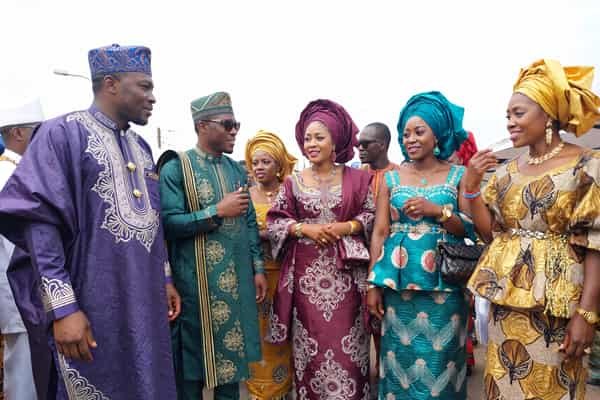
For men, the most recognized garments include the agbada (a flowing robe worn by Yoruba men), the babariga or kaftan (popular in Northern Nigeria among Hausa-Fulani communities), and the Isiagu or Chieftaincy shirt (distinctive to Igbo culture with its lion head motifs). Women’s traditional wear encompasses the buba (blouse), iro (wrapper), gele (head tie), and various regional variations that showcase local weaving and dyeing techniques.
The beauty of Nigerian traditional clothing lies in its names carrying meaning. When someone says they’re wearing “full Yoruba attire,” you immediately picture the complete ensemble. When an Igbo woman mentions her coral beads, you understand the cultural weight those accessories carry.
Different Types of Traditional Clothing Across Nigeria
Let me walk you through the major traditional garments you’ll encounter across Nigeria’s regions. This isn’t exhaustive (we’d need an entire book!), but it covers the essentials.
Yoruba Traditional Attire: The Yoruba people of southwestern Nigeria have perhaps the most internationally recognized traditional wear. Men wear the agbada, a four-piece outfit consisting of an inner shirt, trousers, a flowing outer robe (the agbada itself), and a cap called fila. The agbada can cost anywhere from ₦50,000 for basic versions to over ₦2 million for heavily embroidered ceremonial pieces. Women wear buba and iro combinations, often accessorized with ipele (shoulder sash) and elaborately tied gele headwraps that require genuine skill to perfect.
Hausa-Fulani Traditional Dress: In Northern Nigeria, the babariga or babban riga dominates men’s fashion. This is a loose-fitting robe, often in white or rich colours, paired with matching trousers and a cap. The Nigeria High Commission in London notes that hand-woven fabrics like Aso-Oke remain central to Nigeria’s textile identity, with northern regions contributing significantly to this heritage. Women wear colourful wrappers with matching blouses and hijabs, often choosing lighter fabrics suitable for the region’s warmer climate.
Igbo Traditional Clothing: The southeastern Igbo people favour distinct styles that immediately identify their cultural origin. Men wear the Isiagu (a loose top with lion head patterns) paired with wrappers and the iconic red cap that signifies Igbo identity. Women’s attire centers on elaborately tied wrappers, often in George fabric (a heavy, expensive material perfect for special occasions), paired with coral bead necklaces that can weigh several kilograms and cost hundreds of thousands of Naira.
I once asked an Igbo bride why she wore so many coral beads she could barely move her neck. She laughed and said, “The heavier the beads, the more they show my family values me!” That’s Nigerian culture for you, where even discomfort becomes a badge of honour.
Niger Delta and Minority Groups: The Ijaw, Itsekiri, Efik, and Ibibio peoples have unique traditional attire reflecting their riverine environment. Men often wear wrappers with elaborate shirts and hats featuring feathers or other decorations. Women’s traditional dress includes beautifully tied wrappers, often in expensive fabrics, with matching blouses and spectacular head ties.
What Are Traditional Clothing Called in Different Contexts?
The names of Nigerian traditional garments change based on context, quality, and specific styling. Let me break down the terminology you’ll hear in markets, at weddings, and in everyday conversations.
Common Garment Names and Their Variations
| Garment Type | Primary Name | Regional Variations | Typical Price Range (₦) |
|---|---|---|---|
| Men’s Robe | Agbada (Yoruba) | Babariga (Hausa), Boubou (Fulani) | 50,000 – 2,000,000+ |
| Women’s Blouse | Buba | Ankara top, George top, Lace buba | 15,000 – 500,000 |
| Women’s Wrapper | Iro, Wrapper | George, Kampala, Hollandis | 30,000 – 1,500,000 |
| Head Tie | Gele (Yoruba) | Head wrap, Ichafu (Igbo) | 5,000 – 150,000 |
| Men’s Cap | Fila (Yoruba) | Red cap (Igbo), Zanna (Hausa) | 3,000 – 80,000 |
| Complete Set | Full traditional | Complete attire, Native wear | 100,000 – 5,000,000+ |
This table reveals significant price variations reflecting fabric quality, embroidery complexity, and cultural significance. George fabrics and heavily embroidered agbadas command premium prices because they represent substantial investment in appearance and status.
Fabric Names: Beyond garment types, Nigerians identify clothing by fabric. “Ankara” refers to colourful African wax prints used for everything from casual wear to formal attire. “Aso-Oke” means hand-woven cloth traditionally made by Yoruba weavers. “Akwete” describes intricate cloth from Akwete in Abia State. “George” indicates heavy brocade fabric imported from Europe but fully adopted into Nigerian fashion. Understanding these fabric names helps you navigate markets and tailor shops successfully.
Occasion-Specific Names: We also name traditional clothing by its purpose. “Owambe attire” means elaborate outfits worn to big parties (owambe literally means “it is there” in Yoruba, referring to abundant food and celebration). “Aso-ebi” translates as “family cloth,” referring to matching fabrics chosen for weddings, birthdays, and funerals that guests purchase to show solidarity. The Nigerian fashion industry’s growing international recognition demonstrates how these traditional concepts have evolved into commercial opportunities.
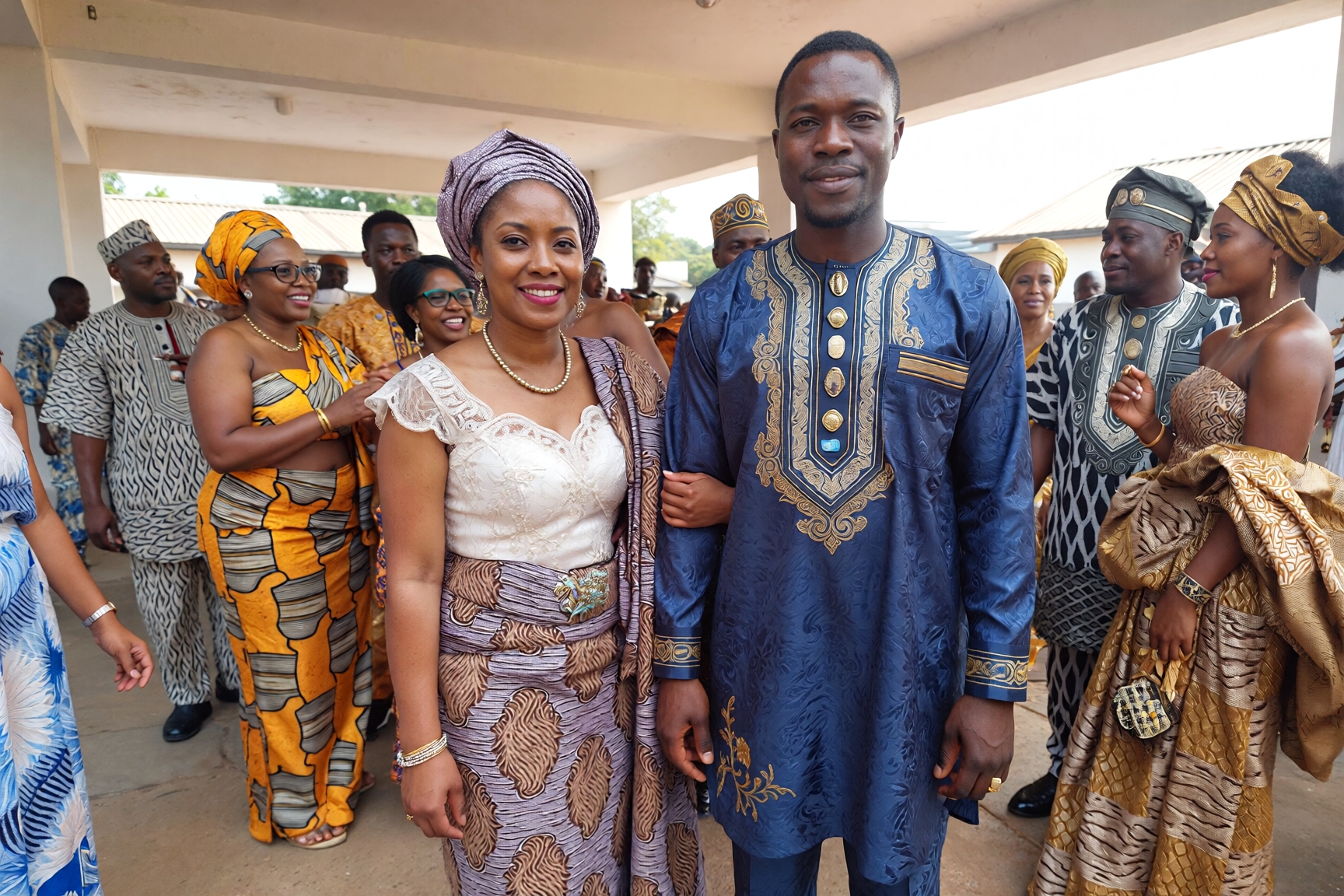
What Is the Traditional Dress of Male and Female Nigerians?
Right, let’s address this question directly because it’s what most people really want to know. What is the traditional dress of male and female Nigerians? The answer involves understanding distinct gender traditions whilst recognizing significant regional variations and modern adaptations.
Male Traditional Dress: Nigerian men’s traditional attire typically consists of loose-fitting garments designed for comfort in tropical climates whilst conveying dignity and cultural identity. The most common complete outfit includes an inner shirt and trousers (often matching), an outer robe (agbada, babariga, or similar), and a cap. Footwear usually comprises leather slippers or sandals, though modern men often substitute with formal shoes.
The defining characteristic of men’s traditional dress is its layered nature. You don’t just throw on one piece and call it traditional. Proper traditional dress requires assembling multiple coordinated elements. An elderly tailor in Kano once explained to me that each layer serves purpose: the inner garments for modesty, the outer robe for dignity, the cap for respect. “Without all layers,” he said seriously, “you’re not properly dressed. You’re just half-dressed pretending.”
Female Traditional Dress: Women’s traditional attire is typically more elaborate and expensive than men’s, reflecting cultural expectations around feminine presentation. The basic outfit consists of a buba (blouse), iro or wrapper (often two wrappers for formal occasions), a head tie (gele), and accessories including jewelry, handbags, and shoes. The complexity comes in the styling, particularly the gele, which requires genuine skill to tie properly.
Female traditional dress emphasizes the waist and shoulder areas. The wrapper highlights the waist (many Nigerian cultures consider a defined waist beautiful), whilst the head tie adds height and elegance. The overall silhouette creates what Nigerians call a “complete look,” where every element works harmoniously.
I’ve watched my Nigerian friends spend hours preparing for weddings, with professional gele tiers charging ₦15,000 to ₦50,000 just for headwrap styling. One friend joked that she spent more on her gele tier than her makeup artist. That’s how seriously we take traditional presentation!
Common Elements Across Genders: Both male and female traditional dress share certain characteristics. They emphasize modest coverage (despite modern adaptations becoming more revealing). They use bold, vibrant colours and patterns that wouldn’t seem out of place in contemporary fashion. They incorporate hand-craftsmanship through embroidery, beading, or hand-woven fabrics. And crucially, they convey social messages about the wearer’s ethnic background, economic status, and cultural pride.
What Are the Three Main Types of Nigerian Traditional Clothing?
When people ask about “the three main types,” they’re usually seeking a simple framework for understanding Nigerian traditional dress. Whilst this oversimplifies our rich diversity, I can offer three broad categories that capture most traditional clothing.
1. Ceremonial/Formal Traditional Attire: This category includes the elaborate, expensive garments worn to weddings, naming ceremonies, chieftaincy installations, and major festivals. Think heavily embroidered agbadas costing millions of Naira, coral bead sets weighing several kilograms, and George wrappers so thick they stand up by themselves. These garments scream wealth, status, and cultural commitment. You’ll see them at every major social event across Nigeria, with people competing (sometimes overtly, sometimes subtly) to outshine each other.
The evolution of Nigerian fashion since independence shows how ceremonial attire has adapted whilst maintaining traditional essence. Modern ceremonial wear might incorporate Western cuts or contemporary styling, but it retains the elaborate decoration and cultural symbolism that marks it as traditionally significant.
2. Daily/Casual Traditional Wear: Not every traditional outfit costs a fortune or requires professional assistance to wear. Many Nigerians own simpler traditional pieces for everyday wear, religious services, or casual social gatherings. These might include a simple buba and wrapper for women, or a Senator suit (a modernized traditional top with trousers) for men. Fabrics are less expensive, embroidery minimal, and styling straightforward enough to manage independently.
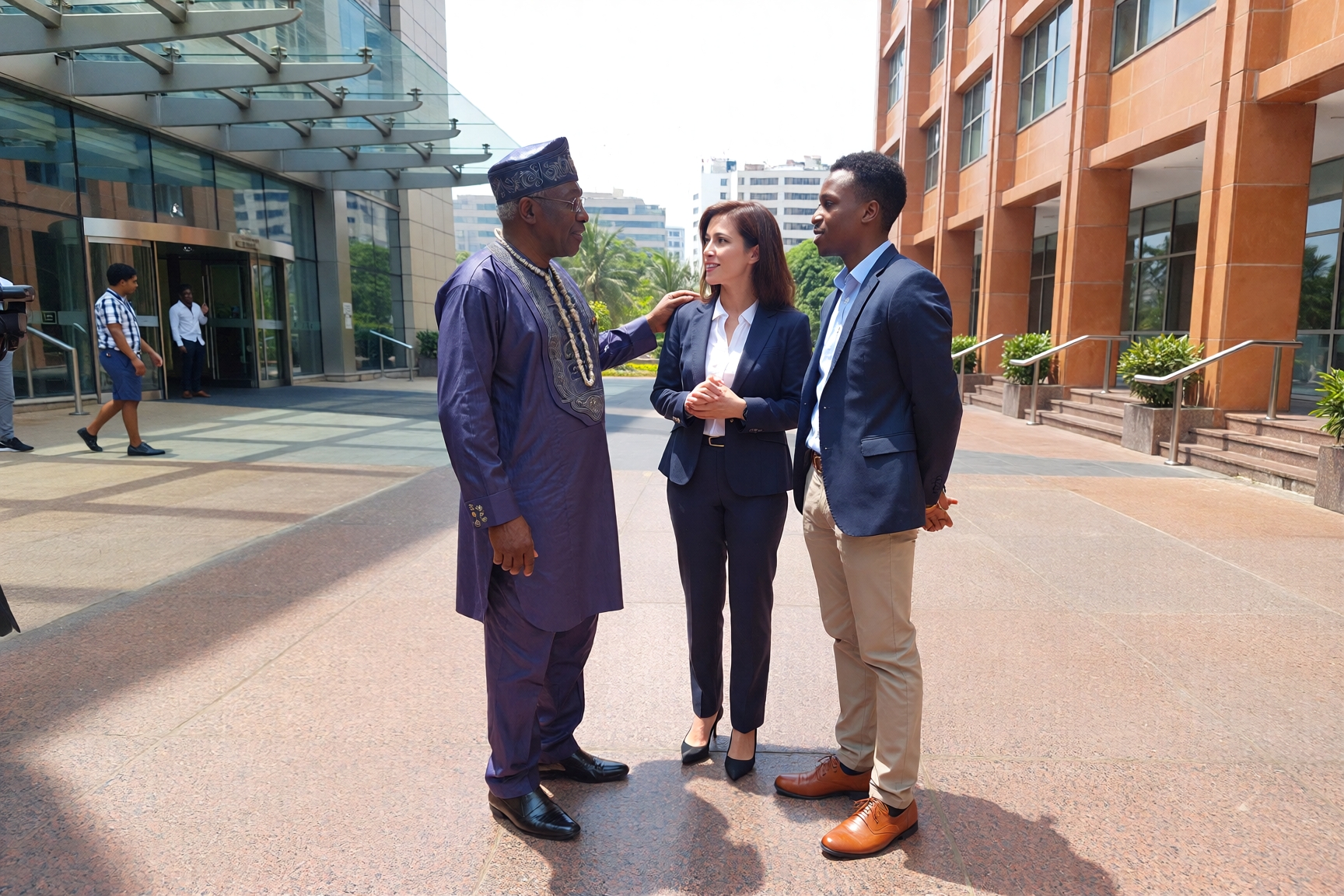
3. Professional/Modern-Traditional Fusion: This increasingly popular category blends traditional elements with Western professional wear. Women might pair an Ankara blazer with Western trousers, or wear a knee-length buba with a pencil skirt. Men might choose a traditional collar shirt with Western trousers, or a modified agbada cut for office wear. Navigating between traditional and contemporary African designs has become an art form as Nigerians seek clothing that honors culture whilst fitting modern lifestyles.
This fusion category has exploded in popularity particularly among younger Nigerians and diaspora communities who want to maintain cultural connection without full traditional dress. It’s practical for work environments and creates stunning visual statements that honor heritage without sacrificing contemporary aesthetics.
How to Choose and Wear Nigerian Traditional Clothing: A Practical Guide
Choosing and wearing Nigerian traditional attire properly requires understanding cultural nuances, quality markers, and practical considerations. Let me share a step-by-step approach that has served me well over the years.
Step 1: Determine the Occasion and Appropriate Attire Level First, understand what event you’re attending. Wedding? Burial? Birthday party? Naming ceremony? Each occasion has unwritten dress codes. Weddings generally demand your finest traditional wear. Naming ceremonies are slightly less formal. Birthday parties vary depending on the celebrant’s preferences. Check whether there’s aso-ebi (matching fabric), and if so, obtain it. Wearing the designated aso-ebi shows respect and solidarity.
Step 2: Select Your Ethnic Style or Choose Pan-Nigerian Options If you’re Nigerian, you’ll likely choose your ethnic group’s traditional style. If you’re not Nigerian or want to avoid ethnic specificity, choose pan-Nigerian styles like Ankara outfits that aren’t tied to particular groups. Ankara has become a beautiful neutral option that anyone can wear without cultural appropriation concerns.
Step 3: Budget Appropriately and Shop Smart Traditional Nigerian clothing spans enormous price ranges. A basic Ankara outfit might cost ₦30,000 to ₦50,000 including fabric and tailoring. A proper George outfit for women could run ₦200,000 to ₦1,500,000. An embroidered agbada for men might cost ₦100,000 to ₦2,000,000+. Set your budget before shopping. Visit reputable fabric markets (like Balogun Market in Lagos or Ariaria Market in Aba) where you can compare prices. Don’t be afraid to negotiate respectfully.
Step 4: Find a Skilled Tailor and Communicate Clearly Nigerian traditional wear is almost always tailored rather than bought off-the-rack. Finding a good tailor is crucial. Ask friends for recommendations. Visit the tailor’s shop to see previous work. Bring photos of styles you like. Provide accurate measurements and allow sufficient time (at least two to three weeks, longer for complex pieces). Schedule fittings to ensure proper fit.
Step 5: Accessorize Appropriately Traditional attire demands proper accessories. For women, this includes matching shoes and bags, appropriate jewelry (coral beads for Igbo attire, gold for Yoruba, etc.), and possibly a fan or clutch. For men, appropriate footwear (leather slippers or formal shoes), a cap, and sometimes a walking stick for very formal occasions. The government’s promotion of cultural heritage emphasizes the importance of complete traditional presentation including accessories.
Step 6: Learn Basic Wearing and Care Techniques Some traditional garments require specific wearing knowledge. Gele tying is an art form many women pay professionals to handle. Wrappers must be tied securely to avoid embarrassing slippage. Agbadas have specific ways of draping. Watch YouTube tutorials, ask experienced friends, or hire help for complex pieces. For care, many traditional fabrics require hand washing or dry cleaning. Store beaded items flat to prevent stretching. Keep embroidered pieces in protective garment bags.
Step 7: Wear Your Attire with Confidence and Cultural Respect Finally, wear your traditional clothing with pride and respect. Walk upright (that heavy coral bead necklace will improve your posture!). Own your look. If wearing another culture’s traditional dress as a non-Nigerian or as a Nigerian from a different ethnic group, do so respectfully and be prepared to graciously accept compliments and cultural education from those whose tradition it is.
The Cultural Significance and Modern Evolution of Nigerian Traditional Clothing
I need to address something important that often gets overlooked in discussions about traditional clothing: these aren’t costumes. They’re living, evolving expressions of cultural identity that carry deep meaning for millions of Nigerians.
Every element of traditional Nigerian clothing communicates something. The coral beads worn by Igbo women traditionally indicated royalty or high status. The red cap worn by Igbo men signifies they’re freeborn men of the community. The intricate embroidery on a Yoruba agbada might indicate the wearer’s wealth, taste, and attention to cultural detail. The specific patterns in Aso-Oke fabric can identify the weaver’s community and even family lineage.
But here’s what makes Nigerian traditional clothing remarkable: it refuses to become museum pieces. Our traditional dress evolves constantly whilst maintaining core identity. Modern designers like those featured in Nigeria’s fashion matriarch Shade Thomas-Fahm’s story have pioneered blending traditional fabrics with contemporary cuts. Young Nigerians mix Ankara with denim, wear traditional prints to music festivals, and incorporate indigenous fabrics into streetwear.
This evolution happens because Nigerians understand something crucial: culture survives by adapting. Our grandmothers wore traditional dress exclusively. Our mothers wore it for special occasions. Many young Nigerians today incorporate traditional elements into daily wardrobes, creating fusion styles that honour heritage whilst embracing modernity.
The economic impact can’t be ignored either. Nigeria’s textile and fashion industry employs millions directly and indirectly. From cotton farmers to weavers, dyers to tailors, embroiderers to market traders, traditional clothing sustains entire economic ecosystems. When you commission a traditional outfit, you’re supporting this chain.
I’ve watched the international fashion world discover Nigerian traditional clothing over the past decade. Nigerian designers showcase at international fashion weeks. Celebrities worldwide wear Ankara prints. Beyoncé commissioned Nigerian designers for her “Black Is King” visual album. This global attention validates what Nigerians have always known: our traditional clothing is spectacularly beautiful and worthy of appreciation.
Yet this popularity raises questions about cultural appropriation versus appreciation. When is it respectful engagement with Nigerian culture, and when does it become exploitative? I don’t have easy answers, but I know this: when non-Nigerians wear Nigerian traditional clothing respectfully, learning about its cultural significance and supporting Nigerian designers and artisans, that’s appreciation. When they strip away cultural context, profit without acknowledgment, or wear sacred elements casually, that’s appropriation.
Understanding Nigerian Fashion Beyond Simple Categories
Let me be honest about something that might surprise you. All this talk about “traditional clothing” can create a false impression that Nigerian fashion exists in neat, separate boxes: traditional versus Western, old versus new, ceremonial versus casual.
Real Nigerian fashion is messy, blended, and wonderfully eclectic.
Walk through Lagos on any given day and you’ll see it. A woman in jeans and an Ankara blazer. A man in a Senator suit at a business meeting. Young people at festivals wearing traditional prints as crop tops and shorts. Grandmothers at church in complete traditional attire that their granddaughters will likely inherit as family treasures.
This blending isn’t cultural confusion. It’s cultural confidence. Nigerians are comfortable borrowing, adapting, and creating because our cultural identity runs deeper than clothing. We don’t need to wear traditional dress constantly to remain Nigerian. When we do wear it, we wear it with intention and pride.
The pricing remains wild, doesn’t it? You can spend ₦20,000 on a simple Ankara outfit that looks fantastic at a casual party. You can spend ₦5,000,000 on a heavily embroidered ceremonial ensemble that makes a statement at a high-society wedding. Both are valid. Both are traditional clothing. The difference lies in occasion, personal resources, and cultural expectations.
Quality markers help navigate these price ranges. Hand-embroidery costs more than machine embroidery but looks distinctly different. Hand-woven Aso-Oke commands premium prices that machine-woven alternatives can’t match. Real coral beads cost exponentially more than plastic imitations. George fabric from Switzerland or Austria costs significantly more than locally produced alternatives. Learning to identify quality helps you invest wisely.
Connecting Nigerian Traditional Clothing to Broader Cultural Understanding
Traditional clothing connects deeply to other aspects of Nigerian culture and society that I’ve explored in previous articles. Understanding what Nigerians wear helps you understand who Nigerians are.
The same ethnic diversity that creates our clothing variations also shapes our food culture, languages, and social structures. My article exploring [Nigeria’s three
main tribes](https://guardian.ng/nigerian/how-many-tribes-are-there-in-nigeria/) delves into how our 371 ethnic groups maintain distinct identities whilst contributing to national unity. Traditional clothing serves as one visible manifestation of this beautiful diversity.
Similarly, the social dynamics I discussed in examining Nigerian society directly influence clothing choices. The communal nature of Nigerian society, the importance of visual status markers, and the centrality of celebration all explain why traditional clothing remains culturally vital. When Nigerians invest heavily in ceremonial attire, we’re not being frivolous. We’re participating in centuries-old traditions of communal celebration and visual cultural expression.
Conclusion: Embracing the Beauty of Nigerian Traditional Clothing
So, what is the traditional clothing in Nigeria? It’s a kaleidoscope of colours, fabrics, and styles reflecting our remarkable diversity. It’s agbadas and wrappers, coral beads and fila caps, Ankara prints and hand-woven Aso-Oke. It’s centuries-old traditions meeting contemporary innovation. It’s economic livelihood for millions and cultural pride for even more.
More importantly, it’s living, breathing culture that refuses to be confined to museums or special occasions. Nigerian traditional clothing evolves daily as designers experiment, as wearers blend old and new, and as global fashion discovers what Nigerians have always known: we know how to dress spectacularly well.
Whether you’re Nigerian reconnecting with heritage, a fashion enthusiast discovering African styles, or someone simply curious about world cultures, I encourage you to engage with Nigerian traditional clothing thoughtfully. Commission pieces from Nigerian tailors. Learn the cultural significance behind different garments. Wear traditional Nigerian clothing with respect and pride.
Our traditional attire tells stories about who we were, who we are, and who we’re becoming. Every wrapper tied, every gele positioned, every agbada worn contributes to keeping these stories alive for future generations.
Key Takeaways:
- Nigerian traditional clothing encompasses diverse ethnic styles including Yoruba agbada, Igbo wrappers with coral beads, Hausa-Fulani babariga, and regional variations across 371 ethnic groups, with complete traditional outfits ranging from ₦100,000 to over ₦5,000,000 depending on fabric quality and embroidery complexity.
- Traditional garments are called different names based on ethnicity and context (agbada, buba, iro, gele, babariga, Isiagu), with fabrics also identified by distinctive names (Ankara, Aso-Oke, Akwete, George) that communicate quality, origin, and cultural significance to informed observers.
- Successfully choosing and wearing traditional Nigerian clothing requires understanding occasion-appropriate dress codes, budgeting realistically, finding skilled tailors, accessorizing properly, and wearing garments with cultural respect and confidence, whether attending weddings, ceremonies, or incorporating traditional elements into modern professional wardrobes.
FAQs: What Is the Traditional Clothing in Nigeria?
What is the traditional clothing in Nigeria called?
Traditional Nigerian clothing goes by many names depending on ethnic group and specific garment, including agbada (Yoruba men’s robe), buba and iro (Yoruba women’s blouse and wrapper), babariga (Hausa-Fulani robe), Isiagu (Igbo men’s shirt), and wrappers with coral beads (Igbo women’s attire). Each name carries specific cultural meaning and identifies the wearer’s ethnic background and social context.
How much does traditional Nigerian clothing typically cost?
Traditional Nigerian clothing prices vary dramatically from ₦30,000 for basic Ankara outfits to over ₦5,000,000 for heavily embroidered ceremonial ensembles with expensive fabrics like George or hand-woven Aso-Oke. Average quality traditional outfits suitable for most social occasions cost between ₦100,000 to ₦300,000 including fabric, tailoring, and basic accessories.
What is the difference between agbada and babariga?
Agbada is a Yoruba traditional robe from southwestern Nigeria, typically featuring elaborate embroidery and worn as a four-piece outfit with inner shirt, trousers, outer robe, and cap, whilst babariga (also called babban riga) is the Hausa-Fulani equivalent from northern Nigeria, usually simpler in design with looser fit. Both serve similar ceremonial and formal functions within their respective cultures but differ in styling details, embroidery patterns, and cultural significance.
Can non-Nigerians wear traditional Nigerian clothing?
Yes, non-Nigerians can respectfully wear traditional Nigerian clothing when doing so with cultural awareness, appreciation rather than appropriation, and ideally for appropriate occasions like Nigerian weddings or cultural celebrations where invited. Purchasing from Nigerian designers and artisans, learning about cultural significance, and avoiding sacred or restricted elements ensures respectful engagement with Nigerian fashion traditions.
What fabric is best for traditional Nigerian clothing?
The “best” fabric depends on occasion, budget, and ethnic tradition: George fabric (heavy brocade) for high-end formal events, Ankara (African wax print) for versatile everyday traditional wear, hand-woven Aso-Oke for authentic Yoruba attire, and Akwete cloth for traditional southeastern styles. Quality indicators include colorfastness, weight, pattern clarity, and whether fabric is hand-woven versus machine-produced.
How long does it take to make traditional Nigerian clothing?
Traditional Nigerian outfits typically require two to four weeks from fabric purchase to completion, including initial tailor consultation, first fitting, adjustments, and final fitting. Complex pieces with heavy embroidery, beadwork, or hand-woven fabrics may require six to eight weeks, whilst rush orders for simple styles might be completed in one week but often incur additional charges.
What is a gele and how is it worn?
A gele is a traditional Nigerian head wrap, particularly associated with Yoruba culture but worn across ethnic groups, created by artfully folding and tying a long piece of fabric (typically 2 to 2.5 meters) into elaborate shapes framing the face. Many women hire professional gele tiers charging ₦15,000 to ₦50,000 for complex styles, though simpler versions can be self-tied with practice using YouTube tutorials and patience.
What are the three most popular traditional Nigerian fabrics?
Ankara (African wax print featuring vibrant colours and bold patterns, imported but fully adopted into Nigerian fashion), Aso-Oke (hand-woven cloth originating from Yoruba culture, often featuring metallic threads), and George (heavy Indian brocade fabric indicating wealth and status) rank as Nigeria’s most popular traditional fabrics. Each serves different purposes: Ankara for everyday traditional wear, Aso-Oke for authentic cultural occasions, and George for high-end ceremonies.
What is aso-ebi in Nigerian culture?
Aso-ebi literally means “family cloth” in Yoruba and refers to matching fabrics chosen by event hosts (weddings, birthdays, funerals) that guests purchase and sew into outfits to wear to the celebration, demonstrating solidarity and support. Aso-ebi creates visual unity at events, generates income for hosts (who often mark up fabric prices), and serves as admission ticket proving you’re an honored guest willing to invest in celebrating with the family.
What accessories are essential for traditional Nigerian clothing?
For women: matching shoes and handbag, appropriate jewelry (coral beads for Igbo, gold for Yoruba), gele (head tie), and possibly a fan or clutch; for men: traditional cap (fila, red cap, or zanna depending on ethnicity), leather slippers or formal shoes, and sometimes a walking stick for very formal occasions. Complete traditional presentation requires coordinating all elements, with accessories often costing ₦50,000 to ₦500,000 depending on quality and materials.
How do I find a good tailor for traditional Nigerian clothing?
Finding quality tailors requires asking trusted Nigerian friends for recommendations, visiting potential tailors’ shops to examine previous work displayed on walls or mannequins, checking online reviews and social media portfolios, and requesting contact information for past clients as references. Good tailors communicate clearly about timing and costs, schedule proper fittings, and produce neat, professional work with attention to traditional garment construction techniques specific to Nigerian styles.
What is the difference between traditional and modern Nigerian fashion?
Traditional Nigerian fashion refers to ethnic-specific garments following centuries-old patterns (agbada, wrappers, coral beads) worn for cultural and ceremonial occasions, whilst modern Nigerian fashion blends traditional elements with contemporary cuts, Western silhouettes, and innovative styling to create fusion pieces suitable for professional and casual settings. The distinction increasingly blurs as designers and wearers creatively merge both approaches, with many Nigerians maintaining wardrobes containing both pure traditional pieces and modern-traditional fusion items serving different social contexts.