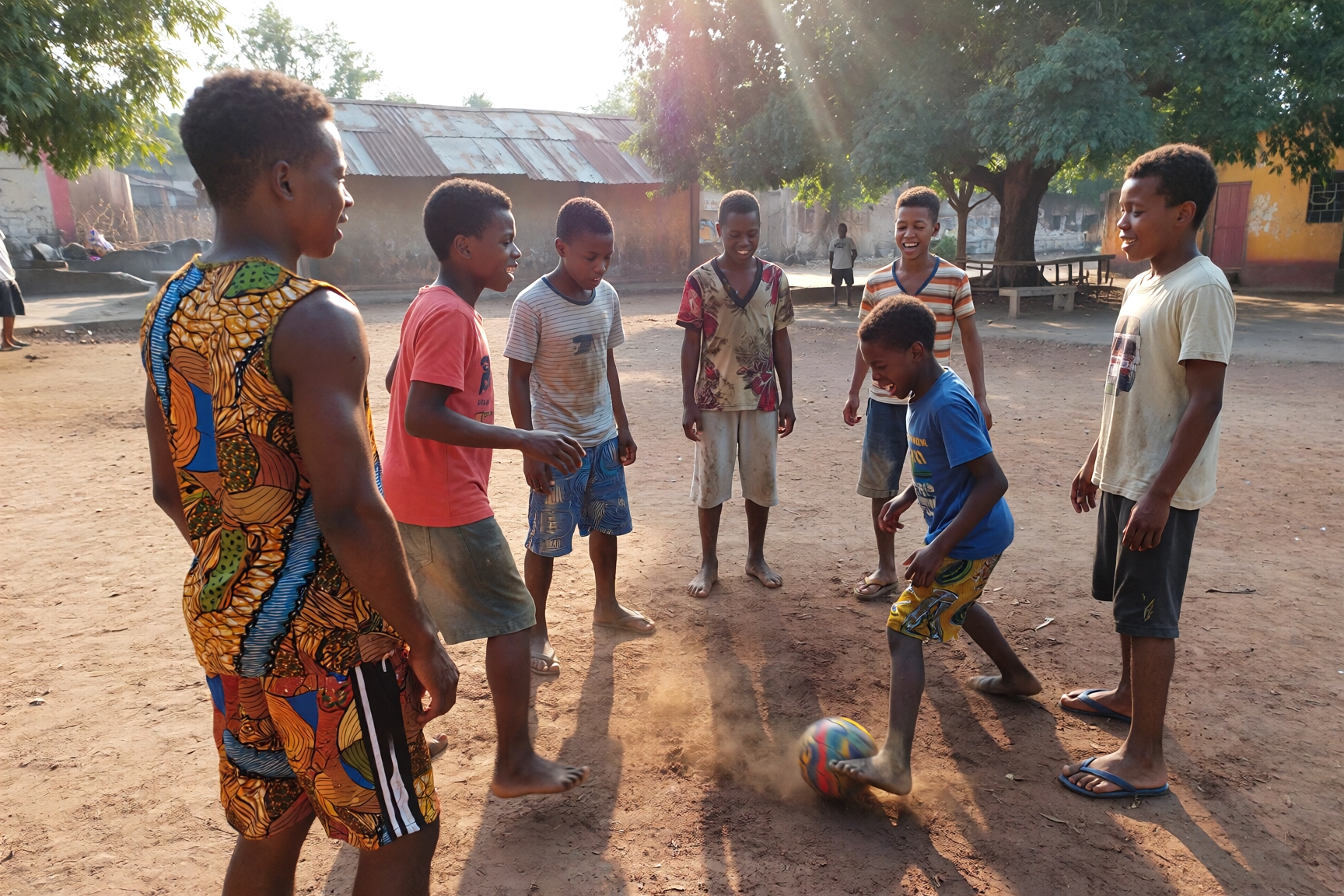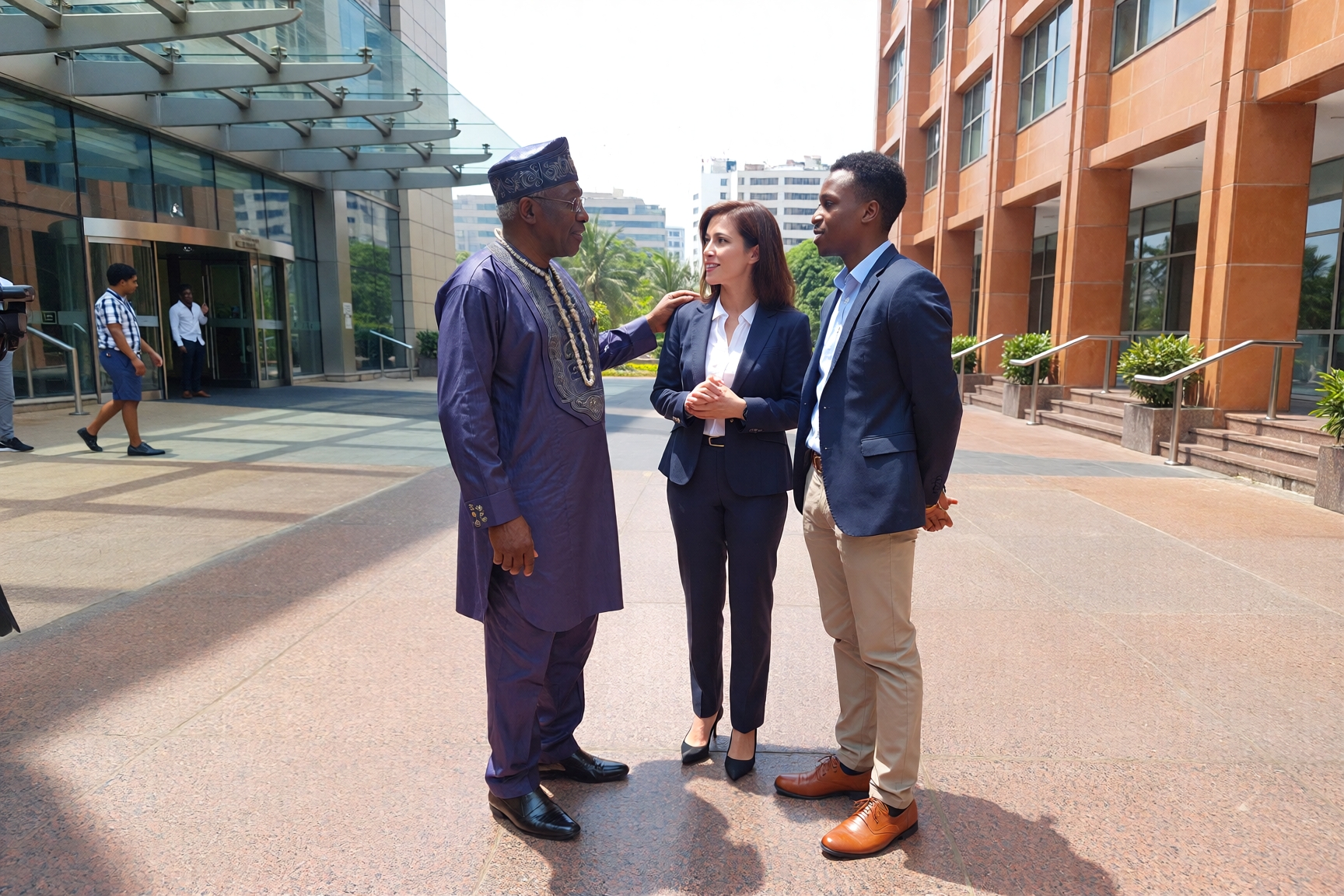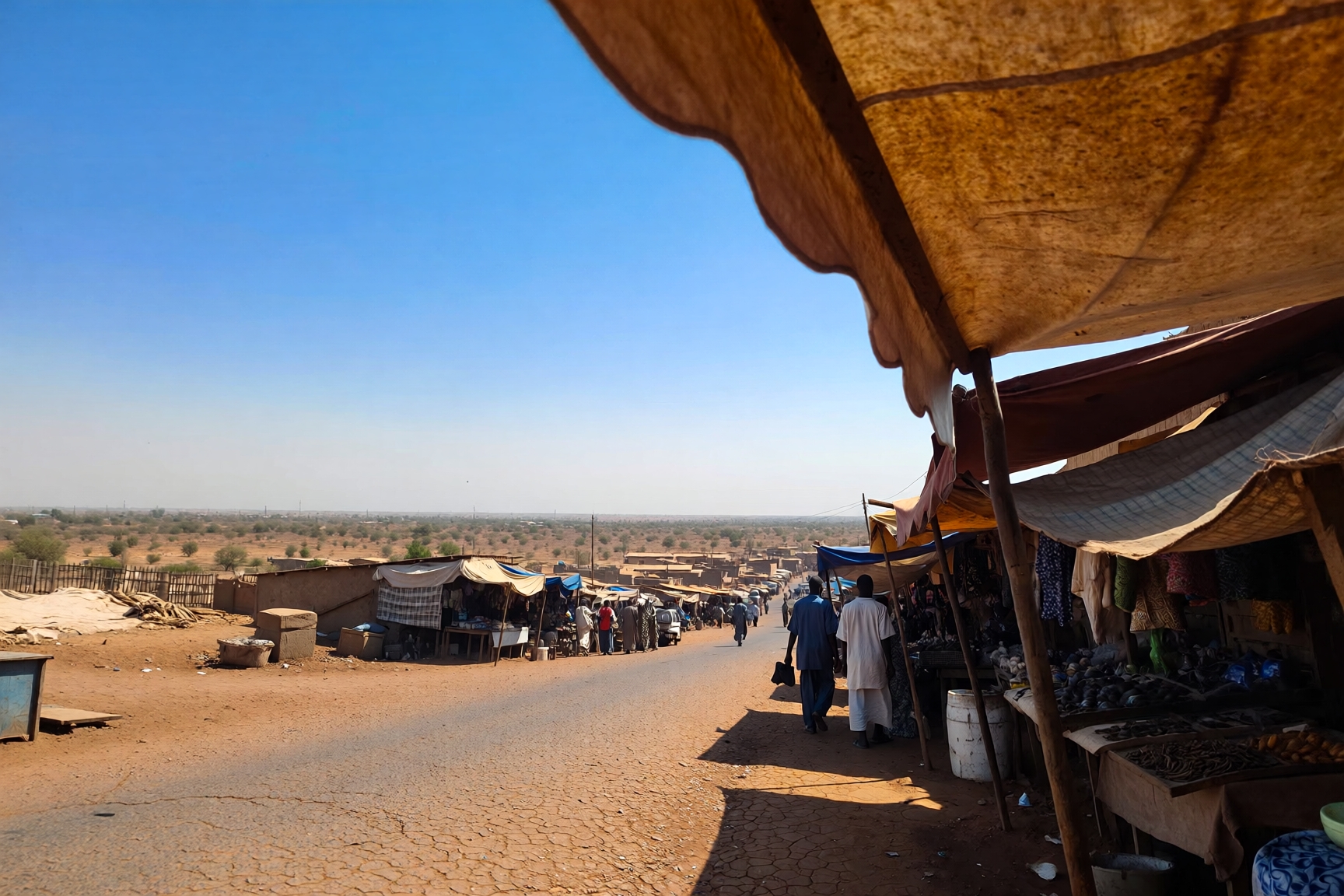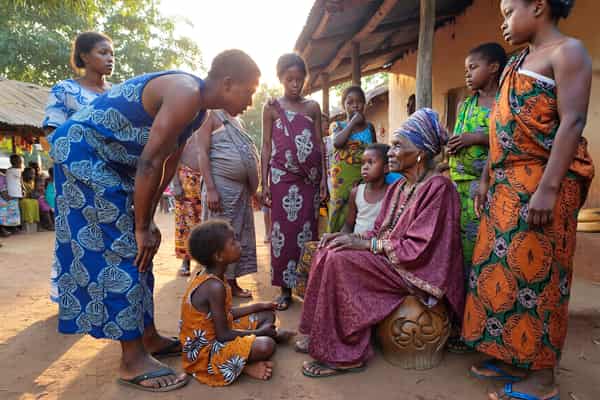
Hello there, friend. I’m genuinely excited to share this article with you because it represents the culmination of months researching Nigerian values and years of observing how these principles shape daily life across our beautiful, complex nation. What values do Nigerians have? Nigeria’s core values include discipline, integrity, dignity of labour, social justice, religious tolerance, self-reliance, and patriotism as enshrined in our constitution, alongside deeply held traditional values like respect for elders, communal responsibility, hospitality, family loyalty, and hard work. These values manifest differently across our 371 ethnic groups, creating a rich tapestry where constitutional ideals blend with indigenous principles, religious teachings, and evolving modern sensibilities.
I’ll never forget sitting with my uncle in his compound in Enugu whilst he explained why he’d just sent ₦500,000 to help his cousin’s son attend university, even though they’d never met. “It’s what family does,” he said simply, as if this weren’t a massive financial sacrifice. That moment crystallised something essential about Nigerian values for me. They’re not abstract concepts we discuss in seminars. They’re living principles that shape decisions, determine priorities, and define our character as individuals and as a nation.
What Are Some Nigerian Values?
Right, let me start with something absolutely fundamental: Nigerian values exist on multiple levels that sometimes complement and occasionally contradict each other. We’ve got constitutional values, ethnic traditional values, religious values, and what I call “street values,” the practical principles that actually govern how people behave day-to-day.
The constitutional framework gives us seven explicit values. Section 23 of Nigeria’s Constitution identifies discipline, integrity, dignity of labour, social justice, religious tolerance, self-reliance, and patriotism as our national ethics. These aren’t suggestions. They’re meant to be foundational principles guiding Nigerian society, though honestly, there’s often a chasm between what’s written in Abuja and what happens in actual communities.
Traditional values run even deeper.
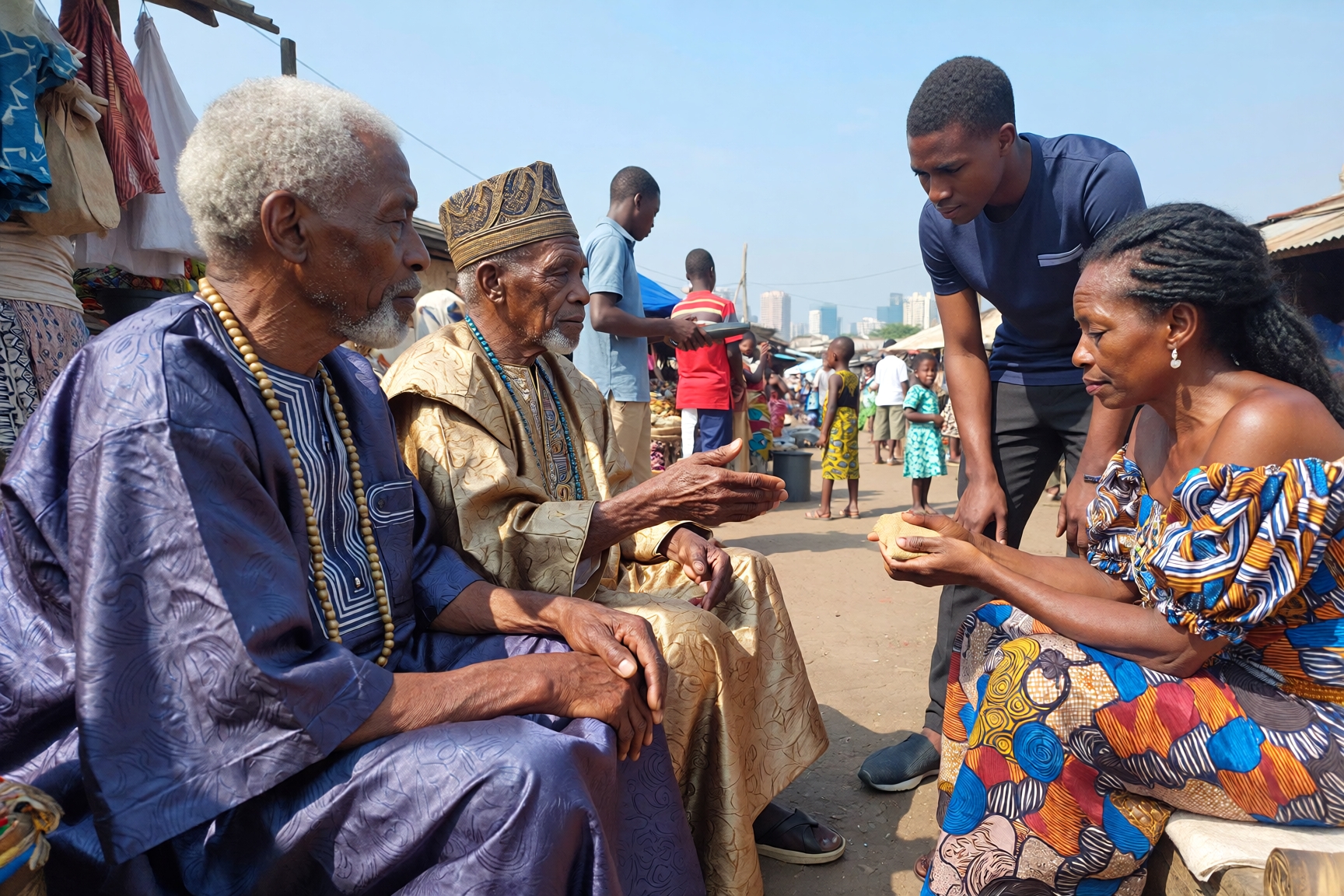
Respect for elders forms the bedrock of nearly every Nigerian ethnic group. Children prostrate (amongst Yoruba) or kneel (amongst Igbo) when greeting older people. Age brings authority automatically. I once watched a 70-year-old market woman publicly correct a bank manager in his 40s for being rude, and everyone agreed she was right to do so. That’s hierarchy in action.
Communal responsibility means your success isn’t just yours. The extended family system creates obligations that Westerners might find suffocating. Your cousin’s child’s school fees might become your problem. Your brother’s wedding expenses definitely become your problem. This value can be beautiful (nobody faces hardship alone) and burdensome (successful people supporting dozens of relatives).
Hospitality remains sacred. You don’t let a visitor leave your home without offering them something, even water. I’ve watched families who could barely feed themselves offer visitors the best portions of their meals because turning someone away hungry violates fundamental Nigerian values.
Religious values permeate everything. Nigeria is roughly split between Christians and Muslims, with traditional beliefs still influencing both. Religious teachings about honesty, charity, modesty, and community service shape how many Nigerians understand proper behaviour. The National Orientation Agency emphasises how these religious values complement constitutional principles when promoting national unity.
Hard work gets celebrated constantly. The Igbo concept of “nwanne di na mba” (a brother/sister abroad who sends money home) embodies this. Nigerians will work multiple jobs, hustle constantly, and sacrifice enormously to provide for family. We celebrate entrepreneurship, resilience, and the grind because life here demands it.
What Are My 5 Most Important Values?
Now, this question invites a personal response, but let me share what I consider the five most important values that define Nigerian identity and shape our society:
Family loyalty above all else.
This isn’t just important. It’s foundational. Your family defines who you are in Nigerian society. People introduce themselves by family name and hometown because these connections matter more than individual achievement. I’ve watched incredibly talented Nigerians turn down career opportunities abroad because they couldn’t abandon ageing parents or younger siblings who depended on them.
The family unit extends far beyond nuclear definitions. Your uncle’s children are your siblings. Your cousin’s problems are your problems. This creates social safety nets that government institutions don’t provide. When unemployment hits 33%, when healthcare systems fail, when everything collapses, family catches you. That’s why this value survives despite economic pressures that make it increasingly difficult to maintain.
Respect for hierarchy and age.
You cannot understand Nigerian society without grasping how deeply we value age-based authority. Elders speak first at meetings. Young people serve elders food first. Children don’t call older people by their first names but use titles like “Uncle,” “Aunty,” “Ma,” or “Sir.” The Federal Ministry of Justice recognises how respect for traditional authority remains embedded in Nigerian legal principles despite modern frameworks.
This value has practical consequences. In business negotiations, dismissing or contradicting an older person publicly will doom your deal regardless of facts. In social settings, young people who demonstrate “home training” through proper respect for elders gain social capital their peers lack. It’s a value that shapes power dynamics across Nigerian society.
Religious devotion expressed through daily life.
Nigeria doesn’t separate religious belief from practical living the way Western societies attempt. Faith influences business decisions (closing shops for Friday prayers or Sunday services), determines marriage partners (interfaith relationships remain controversial), shapes political allegiances, and governs moral reasoning. Religious values provide ethical frameworks that many Nigerians trust more than legal systems they perceive as corrupt.
I’ve covered numerous stories where religious leaders wielded more influence than government officials in resolving community disputes. That’s because religious values carry weight. When a pastor or imam speaks on moral issues, millions listen and adjust behaviour accordingly. This isn’t blind faith. It’s a value system where spiritual authority commands genuine respect.
Communal solidarity over individual achievement.
Western cultures celebrate individual excellence. Nigerian culture celebrates communal success. You don’t just succeed for yourself. Your achievement reflects on your family, your community, your ethnic group. This creates enormous pressure (successful people face constant demands) but also incredible support systems (struggling people receive help from extended networks).
This value manifests beautifully in our “progressive meetings,” rotating savings systems where community members contribute monthly to help each person in turn. It appears in how successful businesspeople employ dozens of relatives, not because they’re qualified but because family obligation trumps meritocracy. Recent government campaigns for patriotism build on this communal instinct, asking Nigerians to see national progress as a collective responsibility.
Resilience and adaptability in the face of hardship.
Right, I know this sounds abstract, but hear me out. Nigerians value the ability to survive and thrive despite obstacles. We celebrate the hustle, the grind, the refusal to give up. This isn’t just optimism. It’s a practical value born from living in a country where systems frequently fail. Electricity goes out? You have a generator. Roads are terrible? You find alternate routes. Government services collapse? You create informal solutions.
This value explains why Nigerian immigrants succeed globally. We’re trained from childhood to be resourceful, to find ways forward when paths are blocked, to maintain hope when circumstances seem hopeless. It’s a value forged in difficulty, and it’s perhaps our greatest collective strength.
What Are the Core Values of Nigeria?
Let me answer this officially first, then honestly.
Officially, Nigeria’s core values are explicitly stated in our Constitution. Section 23 identifies seven national ethics: Discipline, Integrity, Dignity of Labour, Social Justice, Religious Tolerance, Self-Reliance, and Patriotism. These aren’t random selections. They represent what Nigeria aspires to be, the principles that should guide governance, citizenship, and national development.
Let me break each one down:
Discipline means self-control, punctuality, respect for rules, and orderly conduct. In practice, Nigerian society struggles massively with this value. Traffic chaos, public disorder, and widespread disregard for regulations suggest discipline remains aspirational rather than actual.
Integrity refers to honesty, transparency, and ethical conduct. This value faces perhaps the biggest gap between ideal and reality. Corruption remains endemic at multiple levels. Transparency International consistently ranks Nigeria poorly on corruption indices, suggesting integrity is a value we honour more in speeches than in practice.
Dignity of Labour celebrates hard work regardless of occupation. This value actually resonates strongly. Nigerians respect hustle, whether you’re a banker or a mechanic. The stigma attached to certain jobs exists, but the broader culture genuinely values those who work hard for legitimate income.
Social Justice demands fairness, equity, and equal treatment regardless of background. Nigerian society’s deep ethnic divisions, religious tensions, and massive wealth inequality reveal how far we are from achieving this value. Yet the constant struggles for justice show how deeply we believe in this principle even when failing to implement it.
Religious Tolerance requires respecting different faiths. Nigeria’s roughly even split between Christians and Muslims makes this value existentially important. Interfaith marriages happen (though families often resist), and many communities demonstrate genuine tolerance. However, religious violence in places like Plateau State shows this value under constant strain.
Self-Reliance emphasises personal responsibility and reducing dependence on others. This value manifests in Nigeria’s massive informal economy where people create their own economic opportunities rather than waiting for government jobs. It’s also why Nigerians abroad send billions in remittances annually, rather like building parallel support systems when official ones fail.
Patriotism means love of country and commitment to national progress. This value exists but competes with ethnic loyalties and widespread disillusionment with government performance. When the National Orientation Agency launched their recent values campaign, they emphasised patriotism through action precisely because many Nigerians question whether their country deserves their loyalty.
Now, honestly?
These constitutional values represent what Nigeria wants to be. Actual Nigerian values, the ones governing daily behaviour, include these alongside traditional principles like respect for elders, communal solidarity, hospitality, religious devotion, and survival resilience that aren’t explicitly listed in any government document but shape society more profoundly than constitutional declarations.
Regional Variations in Core Values Across Nigeria
| Region | Primary Values | Cultural Emphasis | Contemporary Challenges |
|---|---|---|---|
| South-West (Yoruba) | Respect for hierarchy, education, age deference, elaborate protocols | Omoluabi (good character), elaborate greetings, respect for traditional rulers | Urban migration weakening traditional structures |
| South-East (Igbo) | Entrepreneurship, achievement, individual success, communal contribution | Igba-ndu (living well), Igwebuike (collective strength), economic prowess | Brain drain as successful individuals emigrate |
| North (Hausa-Fulani) | Religious devotion, modesty, traditional authority, communal harmony | Islamic principles, respect for Emirs, collective responsibility | Security challenges undermining social cohesion |
| South-South (Niger Delta) | Environmental stewardship, communal rights, resource control, hospitality | River community traditions, shared ownership, welcoming strangers | Oil exploitation creating environmental/social tensions |
| North-Central (Middle Belt) | Religious diversity, agricultural heritage, peaceful coexistence | Farming communities, interfaith tolerance, collective farming | Religious violence threatening traditional tolerance |
| North-East | Resilience, survival, community solidarity, faith | Islamic scholarship, trading traditions, mutual support | Insurgency destroying traditional value systems |
This table demonstrates how Nigeria’s core values manifest differently across regions based on ethnic traditions, religious influences, economic activities, and contemporary challenges. Northern regions emphasise Islamic values and traditional authority more strongly, whilst Southern regions prioritise individual achievement and educational advancement. Middle Belt areas historically valued interfaith tolerance, though recent violence has strained this principle. Contemporary challenges from security threats to economic pressures test how well traditional values can adapt to modern realities.
Understanding Nigerian Values: 7 Essential Steps
Right, if you genuinely want to grasp Nigerian values rather than just reading about them theoretically, follow these practical steps:
1. Observe greeting rituals across different contexts.
Spend time watching how Nigerians greet each other in markets, offices, religious settings, and family gatherings. Notice who greets whom first, who prostrates or kneels, who uses titles, who extends hands. These rituals aren’t arbitrary politeness. They’re value systems made visible. Younger people always greet elders first. Men often prostrate to elderly women. These gestures communicate respect, hierarchy, and social positioning.
I learned more about Nigerian values watching a traditional wedding in Osun State than from any textbook. The elaborate protocols, the deference shown to elders, the community participation, the emphasis on family approval over individual choice. Every gesture reinforced core values about hierarchy, community, and tradition.
2. Examine resource distribution within families.
Pay attention to how successful Nigerians handle family obligations. Who pays for whose education? Who provides housing for relatives? Who sends money home? These patterns reveal communal responsibility values in action. I know a banker in Lagos supporting 12 family members’ school fees whilst living in a modest flat himself. That’s not unusual. That’s Nigerian values governing financial priorities.
The successful businessman who employs unemployed cousins (despite their lack of qualifications) isn’t practising nepotism in his mind. He’s fulfilling family obligations that Nigerian values demand. Understanding this distinction is crucial.
3. Study religious observance in public spaces.
Religion isn’t a private Sunday affair in Nigeria. It shapes business hours (shops close for Friday prayers), determines food choices (halal requirements), influences political positions, and governs moral reasoning. Watch how freely Nigerians discuss faith in professional settings where Western cultures maintain strict separation. This reveals how deeply religious values permeate Nigerian life.
When government offices display Quranic verses or Biblical passages, they’re not violating secular principles (though the Constitution theoretically separates religion and state). They’re expressing authentic Nigerian values where faith and public life intertwine naturally.
4. Analyse conflict resolution mechanisms at community levels.
How do Nigerians resolve disputes? Often through traditional rulers, family elders, religious leaders, or community meetings rather than formal legal systems. These informal mechanisms reveal which values actually govern behaviour. Respect for age and traditional authority, preference for communal harmony over individual rights, trust in religious authority over legal institutions.
I covered a land dispute in Anambra where both parties rejected court jurisdiction but accepted arbitration by a council of elders. That’s Nigerian values preferring traditional authority over modern legal systems they perceive as corrupt and unreliable.
5. Examine survival strategies during infrastructure failures.
When electricity fails (which happens constantly), when roads become impassable, when government services collapse, watch how Nigerians respond. The immediate mobilisation of community networks, the resourcefulness in finding alternatives, the humour maintaining morale. These responses reveal core values about resilience, self-reliance, and communal support.
Generator culture, water tanker businesses, informal security arrangements, community-organised refuse collection. Each of these represents Nigerian values about self-reliance and communal problem-solving when formal systems fail.
6. Observe child-rearing practices across social classes.
How do Nigerian parents discipline children? What behaviours get praised versus punished? Who participates in raising children? Nigerian child-rearing emphasises respect for elders, communal responsibility (the proverb “it takes a village” originated in Africa), hard work, and religious devotion. Children learn values through direct instruction but also through observing adult behaviour and community expectations.
The phrase “no home training” is perhaps the worst character judgment in Nigerian society, suggesting someone lacks fundamental values their family should have taught. Understanding what constitutes “proper home training” reveals core Nigerian values about respect, humility, hard work, and community responsibility.
7. Study how Nigerians talk about success and failure.
Listen to how successful people explain their achievements. Rarely will you hear “I did this alone.” Success gets attributed to God, family support, community help, destiny. This reflects values emphasising communal rather than individual achievement. Conversely, failure often gets blamed on external factors (enemies, bad luck, spiritual attacks) rather than personal responsibility. These attribution patterns reveal Nigerian values about fate, community, spirituality, and collective identity.
When examining Nigerian dietary patterns and food culture, I discovered how deeply values about hospitality, hierarchy, and communal eating shape something as basic as meals. When writing about traditional Nigerian dress, I found that clothing choices communicate values about status, respect, and cultural pride. These interconnections show how thoroughly Nigerian values permeate every aspect of daily life.
What Are the 10 Cultural Values?
Right, whilst Nigeria has seven constitutional values, our actual cultural values extend far beyond that official list. Let me identify ten cultural values that genuinely govern Nigerian behaviour:
1. Respect for elders and hierarchy. This tops every list because it’s non-negotiable across Nigerian ethnic groups. Age brings automatic authority. Traditional rulers command deep respect regardless of government position. Elders speak first, eat first, and their opinions carry weight young people’s perspectives cannot match. I’ve attended countless meetings where the youngest, most educated person present deferred to an elder with less formal education simply because cultural values demanded it.
2. Family loyalty and communal responsibility. Your obligations extend far beyond nuclear family to encompass aunts, uncles, cousins, and distant relatives you’ve never met. Success means supporting others. Wealth gets shared, not hoarded. This creates social safety nets but also pressure that successful Nigerians find overwhelming. I know doctors supporting 20+ relatives financially, engineers paying for cousins’ weddings, and businesswomen funding nephews’ education across multiple states.
3. Religious devotion expressed practically. Faith isn’t abstract belief but practical framework governing daily decisions. Business deals begin with prayers. Important choices get determined through religious consultation. Moral reasoning derives from religious teachings more than secular ethics. This value explains why religious leaders wield enormous influence and why Nigerians reference God constantly in everyday conversation.
4. Hospitality towards guests and strangers. The obligation to feed, house, and care for visitors remains sacred. You don’t turn away people who show up at your door, even uninvited. Markets traders offer food to regular customers. Families prepare excessive quantities because unexpected guests might arrive. This generosity sometimes seems irrational (people who can barely feed themselves offering guests their best food), but it reflects deeply held values about human dignity and communal obligation.
5. Hard work and entrepreneurial hustle. Nigerians celebrate industry rather than inherited wealth. The self-made person commands more respect than the person born into privilege. This value drives our massive informal economy where people create income opportunities through sheer determination. When formal employment fails, entrepreneurship becomes survival strategy, and Nigerian values celebrate this resourcefulness.
6. Education as pathway to advancement. Despite our educational system’s many problems, Nigerians maintain almost religious faith in education’s transformative power. Parents sacrifice enormously for children’s schooling. Extended families pool resources to send one child abroad for university. Academic achievement brings family honour. This value explains why Nigerian immigrants rank among the most educated groups globally. It’s not genetic but cultural values prioritising education regardless of cost.
7. Communal decision-making and consensus-building. Important decisions rarely get made individually. Family councils discuss marriages, land sales, business ventures, and major purchases. Community meetings address neighbourhood issues. This reflects values emphasising collective wisdom over individual judgment. Yes, it makes decision-making slower, but it also creates buy-in and shared responsibility for outcomes.
8. Deference to traditional authority and customs. Modern governance structures coexist with traditional systems that often command more legitimacy. Village chiefs, ethnic leaders, and traditional councils wield power governments must respect. When traditional rulers speak, communities listen. These parallel authority structures reflect values about cultural continuity, respect for indigenous institutions, and scepticism towards imposed modern systems.
9. Resilience and adaptability amidst adversity. Living in Nigeria requires constant adaptation to infrastructure failures, economic volatility, and systemic dysfunction. This forces development of resilience as a cultural value. Nigerians celebrate the ability to thrive despite obstacles, to find joy amidst hardship, to maintain hope when circumstances seem hopeless. It’s perhaps our greatest collective characteristic, forged through necessity but now deeply embedded in our cultural values.
10. Pride in cultural identity and ethnic heritage. Despite Nigeria’s unity challenges, people maintain fierce pride in their ethnic traditions, languages, customs, and histories. Yoruba people celebrate their heritage, Igbo maintain their customs, Hausa preserve their traditions. This pride manifests in traditional weddings, festivals, clothing choices, and fierce debates (like which ethnic group makes the best jollof rice). These attachments reflect values about cultural preservation, ancestral connection, and resistance to cultural homogenisation.
These ten values, more than any official declaration, shape how Nigerians actually behave, make decisions, and understand proper conduct. They’re not always consistent (communal values sometimes conflict with individual ambition), and they’re constantly evolving (younger urban Nigerians sometimes reject traditional hierarchies), but they remain powerful forces shaping Nigerian society.
What Values Define Contemporary Nigerian Identity?
Let me be honest with you about something: Nigerian values are in flux. The traditional values I’ve described coexist with emerging values shaped by globalisation, economic pressure, technological change, and generational shifts.
Younger urban Nigerians increasingly question some traditional values. Do family obligations excuse nepotism? Does respect for elders justify suppressing younger perspectives? Should religious devotion override scientific reasoning? These aren’t just theoretical questions. They’re daily tensions as Nigeria negotiates between tradition and modernity.
Economic hardship tests communal values. When a graduate struggles to feed themselves, how can they support extended family? When inflation erodes purchasing power and unemployment hits 33%, self-reliance becomes survival necessity rather than noble principle. The beautiful communal safety nets I’ve described are fraying under economic pressures that make generosity increasingly difficult.
Technology introduces new values. Social media rewards individual achievement and personal branding rather than communal solidarity. Young Nigerians build global networks that sometimes matter more than traditional community ties. Digital entrepreneurship celebrates innovation over tradition. These shifts aren’t destroying Nigerian values entirely, but they’re transforming them in ways older generations find unsettling.
Yet core values persist.
Family remains central even when strained. Religious devotion continues even amongst educated youth. Respect for elders endures even when questioned. What’s changing isn’t the values themselves but how they’re interpreted and practised. Modern Nigerians negotiate between inherited values and emerging realities, creating hybrid approaches that honour tradition whilst adapting to contemporary circumstances.
The tension between constitutional values and actual behaviour remains stark. We declare integrity as a national ethic whilst corruption persists systematically. We proclaim patriotism whilst ethnic loyalties trump national identity. We celebrate discipline whilst disorder characterises public life. These contradictions don’t make Nigerian values hypocritical. They make them human, reflecting the gap between aspirations and realities that characterises every society.
Understanding Nigerian values requires appreciating this complexity. We’re not a traditional society frozen in time, nor are we a modern society that’s abandoned tradition. We’re something in between, negotiating daily between competing values, inherited principles and emerging realities, collective obligations and individual ambitions. That negotiation, perhaps more than any specific value, defines contemporary Nigerian identity.
The question “what values do Nigerians have” doesn’t yield a simple answer because Nigeria itself isn’t simple. We’re 220+ million people across 371 ethnic groups, split between multiple religions, spread across diverse climates, with histories spanning millennia and futures still being written. Our values reflect this magnificent complexity.
What unites us despite differences? Perhaps it’s our shared commitment to family, our religious devotion, our resilience amidst hardship, our pride in cultural identity, and our stubborn hope that Nigeria can become the nation our values aspire to create. These aren’t perfect values. They’re ours, shaped by our history, tested by our present, and constantly evolving towards our future.
If you’ve found this exploration of Nigerian values helpful, you might want to dive deeper into how these principles manifest in everyday life. My article examining Nigerian society and its communal structures provides context on how these values shape social dynamics, class relationships, and community interactions across our diverse nation. Additionally, my piece on cultural etiquette and social customs explores the practical ways these values manifest in greetings, business settings, and family gatherings, offering concrete examples of how respect, hierarchy, and communal responsibility play out in daily Nigerian life.
Nigerian values aren’t museum pieces to be admired from distance. They’re living principles that shape how 220+ million people wake up each morning, make decisions, interact with each other, and navigate the beautiful chaos that is Nigerian life. Understanding them isn’t just academic exercise. It’s essential to understanding Nigeria itself, in all our contradictory, magnificent, frustrating, hopeful, complex glory.
Key Takeaways:
- Nigerian values blend constitutional principles (discipline, integrity, patriotism) with deeply held traditional values (respect for elders, communal responsibility, hospitality) that vary across 371 ethnic groups but share common themes about family, faith, and resilience.
- The gap between official values and actual practice reflects not hypocrisy but the tension between aspirational ideals and difficult realities, particularly as economic pressures, technological change, and generational shifts transform how Nigerians interpret and practise inherited values.
- Understanding Nigerian values requires moving beyond official declarations to observe greeting rituals, resource distribution patterns, conflict resolution mechanisms, child-rearing practices, and survival strategies that reveal which principles genuinely govern behaviour in markets, offices, homes, and communities across the nation.
Frequently Asked Questions: What Values Do Nigerians Have?
What are the seven core values of Nigeria?
Nigeria’s Constitution explicitly identifies seven national ethics in Section 23: Discipline, Integrity, Dignity of Labour, Social Justice, Religious Tolerance, Self-Reliance, and Patriotism. These constitutional values represent Nigeria’s aspirational principles, though significant gaps often exist between these declared ideals and actual societal practices across different regions and communities.
Why is respect for elders so important in Nigerian culture?
Respect for elders forms the foundation of Nigerian social structure because age traditionally signifies wisdom, experience, and authority across virtually all ethnic groups. Children demonstrate this respect through prostration (Yoruba), kneeling (Igbo), or specific greeting protocols that communicate deference, and failing to show proper respect marks someone as lacking “home training,” which constitutes one of the harshest character judgments in Nigerian society.
How do religious values influence daily Nigerian life?
Religious values permeate Nigerian society far beyond worship services, influencing business decisions, political positions, moral reasoning, marriage choices, and social interactions in ways Western cultures might find surprising. Faith provides ethical frameworks many Nigerians trust more than legal systems they perceive as corrupt, explaining why religious leaders often wield more practical authority than government officials in resolving community disputes and guiding moral behaviour.
What is communal responsibility in Nigerian culture?
Communal responsibility means your success belongs not just to you but to your extended family and community, creating obligations to support relatives financially, provide employment opportunities, contribute to community development, and share resources with those in need. This value creates social safety nets when government systems fail, but it also generates enormous pressure on successful individuals who face constant demands from extended family networks that can include dozens of dependent relatives.
Do Nigerian values differ across ethnic groups?
Yes, whilst core values like respect for elders, family loyalty, and hospitality appear across Nigeria, specific interpretations and practices vary significantly between ethnic groups based on their distinct histories, traditional governance systems, and cultural emphases. Yoruba culture emphasises elaborate hierarchical protocols and royal deference, Igbo society celebrates individual entrepreneurial achievement alongside collective contribution, and Hausa-Fulani communities prioritise Islamic principles and traditional Emirate authority structures.
How has economic hardship affected Nigerian values?
Economic pressures from 34.60% inflation, 33% unemployment, and widespread poverty strain traditional communal values by making generosity increasingly difficult when people struggle to support their immediate families. Younger Nigerians particularly face tensions between inherited obligations to support extended family and their own survival needs, leading to evolving interpretations of communal responsibility that honour traditional principles whilst acknowledging contemporary economic realities.
What role does education play in Nigerian values?
Education holds almost sacred status in Nigerian values as the primary pathway to social mobility, economic advancement, and family honour, explaining why parents sacrifice enormously for children’s schooling and why Nigerian immigrants consistently rank among the most educated groups globally. This value persists despite Nigeria’s educational system challenges because families view education as transformative investment worthy of tremendous financial burden and personal sacrifice.
Why is hospitality considered a sacred value in Nigeria?
Hospitality towards guests and strangers represents fundamental Nigerian values about human dignity, communal obligation, and proper conduct that transcend ethnic and religious boundaries across the nation. Turning away visitors without offering food or accommodation violates deeply held principles, explaining why even families with limited resources often prepare excessive quantities and offer guests their best portions, viewing generous treatment of visitors as moral obligation rather than optional courtesy.
How do traditional and modern values coexist in Nigeria?
Traditional values about hierarchy, communal decision-making, and deference to elders coexist (sometimes tensely) with modern values emphasising individual achievement, technological innovation, and global connectivity, creating hybrid approaches particularly amongst younger urban Nigerians. This negotiation between inherited principles and emerging realities doesn’t represent the abandonment of tradition but rather its evolution as Nigerians adapt timeless values to contemporary circumstances whilst maintaining cultural continuity and ancestral connections.
What is the gap between constitutional values and actual practice?
Nigeria’s constitutional values represent aspirational principles the nation wants to embody, whilst actual societal behaviour often falls short due to systemic corruption, weak institutions, economic pressures, and governance failures that erode values like integrity and discipline in practice. This gap reflects not unique Nigerian hypocrisy but universal human tension between ideals and realities, though the distance between declared principles and daily behaviour remains particularly stark in areas like government accountability, rule of law, and equitable resource distribution.
How important is resilience as a Nigerian value?
Resilience constitutes perhaps Nigeria’s most defining value, forged through constant adaptation to infrastructure failures, economic volatility, security challenges, and systemic dysfunction that demand extraordinary resourcefulness and determination. Nigerians celebrate the ability to survive and thrive despite obstacles, maintain hope amidst hardship, and create informal solutions when formal systems fail, explaining why “Nigerians can survive anywhere” has become a proud national identity rather than merely a coping mechanism.
Are Nigerian values changing among younger generations?
Yes, younger urban Nigerians increasingly question traditional values about unquestioning respect for elders, nepotistic family obligations, and communal conformity that they perceive as suppressing individual potential and perpetuating dysfunction. However, these generational shifts don’t represent wholesale rejection of inherited values but rather their reinterpretation, as young Nigerians maintain core principles about family importance, religious devotion, and cultural pride whilst adapting how these values manifest in contemporary digital, globalised contexts.