 Follow Us on Google News
 Follow Us on Google Discover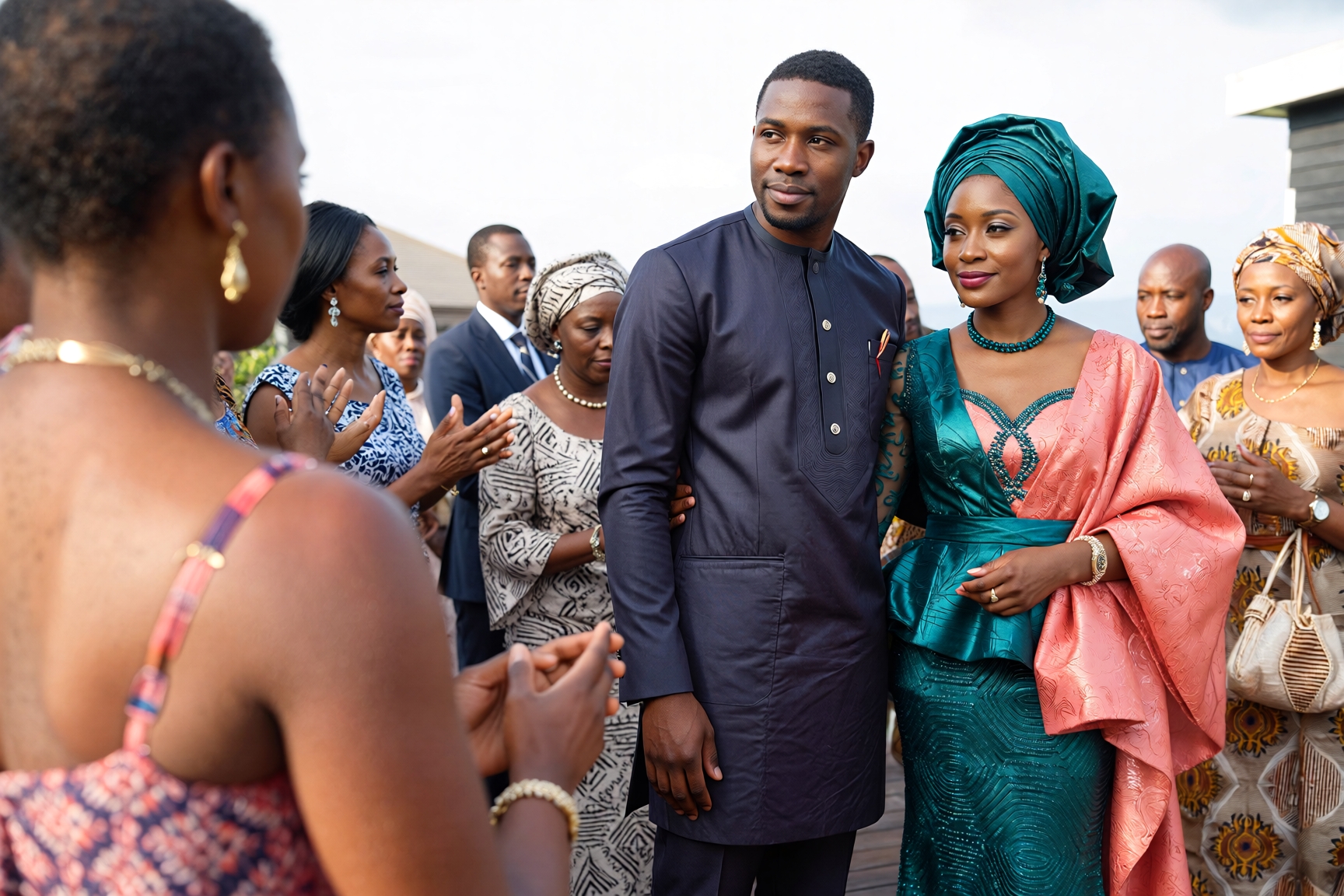
Welcome, dear readers! After months of immersing myself in Nigeria’s intricate marriage traditions, attending countless traditional ceremonies across our diverse regions, and spending years documenting how marriage shapes Nigerian society, I’m absolutely delighted to share this comprehensive guide with you. Marriage in Nigeria isn’t merely a personal choice between two people. It’s the very foundation upon which our entire social fabric rests, a cornerstone institution that influences everything from economic structures to political alliances to community identity. Whether you’re considering marriage yourself, curious about Nigerian culture, or simply want to understand what makes our society tick, you’re in exactly the right place.
Marriage holds profound importance in Nigeria because it serves as the fundamental building block of society, creating family units that provide economic security, social status, cultural continuity, emotional support, and community identity across our nation’s 371 ethnic groups. Beyond uniting two individuals, Nigerian marriage establishes vital connections between extended families, ensures wealth transfer between generations, confers adult social standing, fulfils religious obligations emphasised by Christianity and Islam, and creates the framework for raising children within culturally sanctioned family structures.
I still remember attending my friend Obiageli’s traditional marriage in Owerri five years ago. What struck me most wasn’t the vibrant colours or the elaborate celebrations (though those were magnificent!). It was watching her father’s visible pride as he formally presented her to her husband’s family. In that moment, I understood that Nigerian marriage represents far more than romantic partnership. It’s a transformation of social identity, a redistribution of responsibilities, and a renewal of communal bonds.
This article draws from extensive conversations with married couples across all six geopolitical zones, interviews with traditional rulers who oversee marriage customs, months of research into how marriage patterns vary across ethnic groups, and my own observations attending dozens of ceremonies from Jos to Port Harcourt to Sokoto. Let me walk you through this journey together.
Understanding the Fundamental Role of Marriage in Nigerian Society
Nigerian society organises itself around marriage in ways that might surprise those unfamiliar with our culture. Rather like how a building needs a solid foundation, our communities structure themselves around married family units.
The family unit created through marriage becomes the basic economic production entity in most Nigerian contexts. In rural areas, married couples farm land together, with clearly defined roles for cultivation, harvesting, and selling produce. In urban settings, married couples often run family businesses together, combining resources and labour to achieve economic goals neither could accomplish alone.

According to the National Population Commission, the family serves as the base of every community and remains vital to its continued existence. Family law in Nigeria commands great attention and importance precisely because marriage creates these foundational family units.
Think about how inheritance works in most Nigerian ethnic groups. Property passes through family lines established by marriage. Land ownership, business assets, and even political positions often transfer based on marriage relationships. Without marriage, this entire system of wealth and power distribution loses its framework.
I once interviewed Chief Adeleke in Oyo State, who explained this beautifully. He said marriage is the river that connects the wells of two families. When there’s drought in one compound, water flows from the other. When there’s flooding, both families work together to channel the excess. That’s Nigerian marriage in a nutshell.
The Ministry of Interior oversees statutory marriages under the Marriage Act, CAP M6, Laws of the Federation of Nigeria (2004), recognising marriage as a legally binding institution that requires government oversight and protection. This legal recognition underscores how central marriage is to Nigerian national identity and social organisation.
What is the Deeper Significance of Marriage?
Marriage in Nigeria carries significance that extends far beyond the couple themselves. It’s rather like dropping a stone in water and watching the ripples spread outward in ever-widening circles.
First, marriage confers adult status in Nigerian society. Until you’re married, you’re still considered somewhat incomplete, regardless of your age or professional achievements. I have a friend, Dr. Chinedu, who’s a successful surgeon at 42 years old. Yet at family gatherings, younger married cousins still receive more deference because marriage marks true adulthood in our cultural understanding.
Second, marriage creates the approved framework for childbearing in Nigerian society. Whilst attitudes are slowly shifting in urban areas, having children outside marriage still carries substantial stigma across most communities. The Federal Ministry of Women Affairs emphasises how marriage provides the stable family structure considered essential for proper child development.
Children born within marriage inherit their father’s lineage, property rights, and social standing. Children born outside marriage often face discrimination and reduced inheritance rights under customary law, even though statutory law now provides some protections.
Third, marriage establishes political alliances between families. In many Nigerian communities, particularly in rural areas and traditional settings, marriages between families create networks of mutual obligation and support that influence everything from land disputes to electoral politics. When I covered local elections in Benue State, candidates would literally chart their family marriage connections to demonstrate their community ties and political legitimacy.
Fourth, marriage fulfils profound religious obligations in Nigerian society. Christianity and Islam (Nigeria’s two dominant religions, practised by approximately 98% of the population) both emphasise marriage as a sacred covenant. Religious communities pressure unmarried adults to marry, viewing singleness past a certain age as abnormal or even spiritually suspect.
My colleague Fatima in Kano told me her family literally prayed for her marriage every single day for five years. When she finally married at 32, her mother organised a special thanksgiving at their mosque because “God had finally answered our prayers.” That’s how seriously Nigerian families take marriage from a religious perspective.
Fifth, marriage creates economic security in a nation with limited social safety nets. Nigeria lacks comprehensive pension systems, unemployment insurance, or old-age care programmes that exist in many Western nations. Marriage and the extended family networks it creates provide the economic security government programmes don’t offer.
When my uncle lost his job during the 2015 economic recession, his wife’s family provided financial support that kept them afloat for eight months. When his wife fell seriously ill the following year, his family covered medical expenses exceeding ₦2 million. That’s Nigerian marriage functioning as a practical economic safety net.

Seven Essential Reasons Why Marriage Remains Crucial in Nigeria
Let me break down the specific reasons marriage holds such importance in our society. Understanding these helps explain why marriage pressure remains intense even as Nigerian society modernises.
1. Economic Resource Pooling and Survival
Marriage allows couples to combine financial resources, labour, and family support networks to achieve economic stability neither could manage alone. In a nation where the Nigerian Institute of Social and Economic Research reports that approximately 11% of families are headed by single parents facing widespread economic and psychosocial pressure, married couples enjoy significant advantages.
Two incomes obviously exceed one income. But beyond that, married couples access family support systems that provide everything from childcare to business startup capital to housing assistance. My friend Tunde borrowed ₦5 million interest-free from his wife’s uncle to start his transport business. That’s a loan he could never have accessed before marriage created that family connection.
2. Social Status and Community Recognition
Marriage confers social respect and adult status in Nigerian communities. Unmarried adults, particularly women over 30, face constant questions, unwanted advice, and reduced social standing regardless of their professional achievements.
I’ve watched successful businesswomen worth millions of naira get treated like children at family gatherings simply because they’re unmarried. Meanwhile, recently married younger relatives receive preferential treatment in family decisions because marriage signals maturity and responsibility.
This social pressure remains intense. At traditional gatherings, seating arrangements often place married people in positions of honour whilst unmarried adults sit at the periphery. When family decisions are made, married members’ opinions carry more weight.
3. Legitimate Framework for Sexual Relations and Childbearing
Nigerian society remains deeply conservative regarding sexual morality. Marriage provides the socially acceptable context for sexual relationships and childbearing across virtually all ethnic groups and religious communities.
Premarital sex, whilst increasingly common in urban areas, officially remains taboo. Pregnancy outside marriage brings shame on families, particularly in rural areas and traditional communities. My aunt in Enugu nearly had a breakdown when her 23-year-old daughter became pregnant before marriage. The family held emergency meetings, negotiations occurred with the father’s family, and they rushed through a traditional marriage to “legitimise” the situation before the pregnancy showed.
Churches and mosques preach extensively about sexual purity and the sanctity of marriage. Religious leaders emphasise that God designed sexual intimacy specifically for married couples. This religious messaging powerfully reinforces cultural expectations around marriage and sexuality.
4. Wealth Transfer Between Generations
Marriage creates the legal and cultural framework through which property, land, businesses, and family positions transfer from one generation to the next. Under customary law across most Nigerian ethnic groups, inheritance follows patrilineal marriage lines.
Land ownership in many communities passes exclusively to married sons and their male children. Unmarried children, particularly unmarried daughters, often receive token amounts or no inheritance at all under traditional systems. The Edo State Judiciary documentation on customary marriage recognises how marriage extends beyond the life of the man but establishes family lines for wealth transfer.
I witnessed this personally when my grandfather’s estate was divided. My father, as a married son, received prime farmland. My uncle, who had divorced and not remarried, received significantly less. My aunt received nothing under traditional division, though statutory law later forced a token payment.
5. Fulfilling Family Expectations and Obligations
Nigerian culture places enormous emphasis on fulfilling family obligations. Parents invest substantial resources raising children with the expectation that children will eventually marry, produce grandchildren, and continue the family line.
Remaining unmarried is viewed as rejecting your parents’ investment and disappointing their reasonable expectations. My friend Ngozi faced such intense family pressure that she married someone she barely knew at 35 just to “give her parents peace.” (The marriage lasted three years before they separated, but that’s another story.)
Parents see their children’s marriages as validation of their own success as parents. A child who doesn’t marry suggests parental failure. Grandchildren represent the ultimate return on the parental investment of raising children.
Extended families also expect marriage because it creates new alliance networks that benefit all family members. When you marry, your spouse’s family resources become theoretically available to your parents, siblings, and extended relatives during times of need.
6. Religious Fulfilment and Spiritual Completeness
Both Christianity and Islam teach that marriage represents God’s design for human relationships. Religious communities in Nigeria emphasise marriage as a sacred covenant that provides spiritual completeness and reflects divine order.
Churches actively promote marriage through counselling programmes, matchmaking services, and constant preaching about finding “God’s chosen spouse.” Singles ministries exist specifically to help unmarried church members prepare for and find marriage partners. Pastors regularly preach that marriage mirrors Christ’s relationship with the church.
Islamic teaching similarly emphasises marriage as completing half of one’s faith. Mosques provide marriage facilitation, with imams helping families negotiate marriage arrangements. The Islamic concept of marriage as a contract blessed by Allah gives marriage profound religious significance.
Religious Nigerians genuinely believe marriage brings them closer to God and fulfils their spiritual destiny. Remaining unmarried seems like rejecting God’s plan for your life.
7. Communal Identity and Belonging
Marriage integrates individuals into the broader community in ways singleness never can. Married people participate in community life differently, with access to married couples’ circles, family-oriented activities, and decision-making processes that exclude unmarried adults.
Traditional festivals, ceremonies, and community leadership positions often require married status. Village councils typically comprise married elders. Age grades and social clubs organise around marital status. Being unmarried means perpetual outsider status in many community contexts.
Marriage also creates your own family unit within the larger extended family structure. You shift from being someone’s child to being a family head (for men) or family mother (for women). This transformation in family position carries profound significance in Nigerian social organisation.
Marriage Benefits Across Major Nigerian Ethnic Groups
Here’s how different ethnic groups emphasise various marriage benefits, showing both common patterns and fascinating variations across our diverse nation:
| Ethnic Group | Primary Marriage Benefits | Economic Focus | Social Status Gain | Religious Emphasis | Cultural Continuity |
|---|---|---|---|---|---|
| Yoruba | Family alliances, wealth transfer, social prestige | Joint business ventures, property inheritance through marriage | Elder status, community leadership access | Strong Christian/Islamic integration | Preservation of lineage, ancestral connections |
| Igbo | Economic partnership, wealth accumulation, lineage continuation | Collective family investment, business expansion | Obi (family head) status for men | Christian marriage values | Umunna (extended family) strengthening |
| Hausa-Fulani | Religious fulfilment, family honour, community integration | Agricultural cooperation, trading networks | Respect as married adult, purdah protection | Islamic marriage contracts, religious duty | Maintaining traditional family structures |
| Ijaw | Community belonging, resource sharing, political alliances | Fishing/farming cooperation, communal land access | Village council participation | Christian/traditional beliefs blend | Cultural identity preservation |
| Tiv | Land inheritance, agricultural productivity, family expansion | Farming partnerships, compound expansion | Compound head authority | Christian integration of traditional values | Age-grade advancement |
| Edo | Ancestral connection, palace relationships, family prestige | Craft guild participation, trade advantages | Traditional title eligibility | Traditional/Christian synthesis | Royal lineage preservation |
This table demonstrates how marriage serves multiple essential functions across all major Nigerian ethnic groups, with variations in emphasis reflecting different cultural priorities and economic structures. The common thread is that marriage remains absolutely central to adult life, economic security, and social belonging.
What Are Five Specific Benefits of Marriage in Nigeria?
Let me focus on five concrete benefits Nigerian marriages provide that directly impact couples’ daily lives and long-term wellbeing.
Benefit 1: Access to Extended Family Support Networks
Marriage doesn’t just give you a spouse. It gives you an entire second extended family with resources, connections, and support systems you can access during crises.
When my brother’s house flooded during heavy Lagos rains, his wife’s family provided temporary housing for three months. When we needed a reliable contractor for renovations, his father-in-law recommended someone trustworthy who charged fair rates. When childcare became expensive, his wife’s mother moved in to help for six months.
These support networks provide practical assistance worth millions of naira annually. They substitute for expensive professional services, provide interest-free loans, offer business connections, and create safety nets during emergencies.
Benefit 2: Improved Economic Position and Financial Stability
Married couples in Nigeria enjoy significantly better economic outcomes than unmarried individuals. Dual incomes obviously help, but marriage provides economic advantages beyond simple arithmetic.
Families invest more readily in married members because marriage signals stability and responsibility. Banks more readily approve loans for married applicants. Landlords prefer married tenants. Employers sometimes favour married candidates, viewing them as more settled and reliable.
My friend Amaka couldn’t get a business loan as a single woman despite her MBA and solid business plan. Six months after marriage, using nearly identical documentation, she secured ₦10 million in startup capital. The bank manager literally told her husband that “married women are better risks because their husbands provide accountability.” (Infuriating? Absolutely. Reality in Nigeria? Unfortunately yes.)
Benefit 3: Social Legitimacy and Reduced Stigma
Marriage eliminates the constant social pressure, awkward questions, and stigma unmarried Nigerians face, particularly women over 25 and men over 35.
My cousin Chidera described her wedding day as the day she “finally stopped being a problem people tried to solve.” Before marriage, every family gathering involved relatives suggesting potential husbands, questioning what was wrong with her, and offering unsolicited advice about reducing her standards.
After marriage, she gained immediate social legitimacy. The same relatives who criticised her singleness now treated her opinions with respect. Family discussions about important matters suddenly included her because marriage conferred adult status.
This shift might seem superficial, but the constant social pressure unmarried Nigerians face genuinely affects mental health and wellbeing. Marriage provides profound relief from this exhausting social scrutiny.
Benefit 4: Approved Context for Parenthood and Child-Rearing
For Nigerians who want children, marriage provides the culturally and legally sanctioned framework for having and raising them.
Children born within marriage automatically receive their father’s surname, inheritance rights, and family identity. They face no questions about legitimacy or belonging. The entire extended family embraces them as rightful members.
Children born outside marriage, by contrast, often face discrimination, reduced inheritance rights, and questions about their legitimacy. Their mothers face social stigma, and their fathers may deny responsibility without marriage documentation.
The practical benefits extend to childcare support. Married couples receive extensive help from both extended families with childcare, school fees, and child-rearing advice. Unmarried parents typically navigate parenthood alone, without this crucial family support.
Benefit 5: Emotional Security and Companionship
Beyond economic and social benefits, marriage provides emotional support and companionship that helps Nigerians navigate life’s challenges.
Nigeria’s economic volatility, security challenges, and social pressures create constant stress. Having a committed life partner to share burdens, celebrate victories, and provide emotional support makes these challenges more manageable.
My parents’ 38-year marriage demonstrates this beautifully. They’ve weathered economic recessions, health crises, family conflicts, and countless challenges together. My father often says he couldn’t have survived his business collapse in 2016 without my mother’s emotional support and practical assistance rebuilding.
Good marriages create safe spaces where Nigerians can be vulnerable, express fears, and receive unconditional support. In a society with limited access to mental health services, this emotional function of marriage provides crucial psychological wellbeing.
What Are the Three Main Purposes of Marriage in Nigeria?
Whilst marriage serves numerous functions, three core purposes stand out as absolutely fundamental across Nigerian culture.
Purpose 1: Creating Family Units for Social Reproduction
Marriage’s most fundamental purpose is creating stable family units that produce and raise the next generation. Nigerian society organises itself around these family units, making marriage essential for social reproduction.
Without marriage, there’s no approved mechanism for having children, no framework for raising them within extended family networks, and no clear system for transferring wealth and position between generations. Marriage makes society continue functioning by creating the family units that produce, raise, and socialise children.
The emphasis on childbearing within marriage remains intense. Traditional wedding blessings invariably include prayers for many children. Childless marriages face enormous pressure, with families sometimes suggesting polygamy or divorce if no children arrive within a few years.
Purpose 2: Establishing Economic Partnerships for Survival and Prosperity
Marriage creates economic partnerships that allow couples to pool resources, share labour, and access extended family support networks essential for economic survival in Nigeria.
Individual economic survival remains challenging in Nigeria’s volatile economy with limited social safety nets. Marriage transforms isolated individuals into economic units with double the resources, double the labour capacity, and access to two entire extended family support networks.
This economic function explains why marriage remains so crucial even as romantic expectations shift. Young Nigerians increasingly expect love and compatibility, but the economic partnership function of marriage remains absolutely vital for most couples’ financial wellbeing and long-term security.
Purpose 3: Fulfilling Cultural, Religious, and Social Expectations
Marriage fulfils profound cultural obligations that demonstrate respect for parents, community, and religious teachings whilst securing adult social status and community belonging.
Parents expect children to marry and produce grandchildren. Communities expect adults to marry and assume their proper social positions. Religious institutions expect believers to marry within approved frameworks. Failing to marry means disappointing all these overlapping expectations simultaneously.
This expectation-fulfilling function creates enormous marriage pressure that many young Nigerians find suffocating. Yet it also demonstrates how completely marriage integrates into Nigerian social fabric. You can’t simply opt out without facing substantial social consequences.
Why Marriage Continues Evolving Whilst Remaining Essential
Nigerian marriage is experiencing fascinating transformations as education, urbanisation, and global influences reshape traditional patterns. Yet its fundamental importance persists even as specific practices evolve.
Young Nigerians increasingly expect to choose their own spouses based on romantic love rather than accepting arranged marriages. Yet they still require extensive family approval and participation in marriage ceremonies. The form changes whilst the family-centred essence remains.
Urban couples increasingly delay marriage for education and career establishment. Lagos women now marry at average age 29, compared to 21 in rural Sokoto. Yet even educated professionals eventually marry because social and economic pressures make permanent singleness practically untenable.
Some couples now negotiate more egalitarian arrangements with shared domestic responsibilities and dual careers. Yet traditional gender role expectations around men as primary providers and women as primary homemakers remain powerful, creating tensions many couples navigate privately.
Marriage ceremonies have become extraordinarily expensive, with middle-class families spending ₦5 to ₦25 million for traditional, white, and reception ceremonies combined. According to recent Guardian Nigeria reporting, approximately 60% of Nigerian marriages still involve traditional customary ceremonies as the primary or initial form of union, demonstrating enduring importance of customary practices regardless of education level or urban residence.
The costs create barriers, forcing some young Nigerians to delay marriage longer than they’d prefer. Yet families continue prioritising marriage expenses because wedding ceremonies publicly demonstrate family status, honour cultural traditions, and celebrate the creation of new family alliances.
What’s changing is how Nigerians marry. What remains constant is that they do marry, because marriage continues serving essential functions that alternative arrangements simply can’t replicate in Nigerian social context.
The Direct Answer: Why Is Marriage Important in Nigeria?
Marriage is important in Nigeria because it provides the foundational social structure that organises Nigerian society, delivering economic security through combined resources and extended family support networks, conferring adult social status and community belonging that unmarried individuals cannot access, creating the culturally sanctioned framework for sexual relationships and childbearing, establishing mechanisms for wealth transfer between generations, fulfilling profound religious obligations emphasised by Christianity and Islam, and generating family alliances that provide mutual support during crises in a nation with limited government social safety nets.
Related entities include the extended family system, bride price customs, traditional marriage ceremonies, religious marriage requirements, inheritance patterns, social status hierarchies, economic support networks, childbearing expectations, communal obligations, and age-grade systems.
These interconnected elements create a social ecosystem where marriage functions as the essential building block. Remove marriage, and the entire structure of Nigerian social organisation begins collapsing because so many other institutions depend on it.
Connecting Marriage to Broader Nigerian Cultural Patterns
Understanding why marriage matters helps illuminate broader patterns in Nigerian society. If you’re curious about how marriage customs specifically manifest across different ethnic groups, I’d encourage you to explore my previous article examining what are the marriage customs in Nigeria, where bride price negotiations and elaborate ceremonies demonstrate the communal nature of Nigerian society. Additionally, my piece on gender roles in Nigerian culture reveals how marriage expectations shape everything from career decisions to inheritance rights, showing how marriage serves as the framework through which broader cultural values operate in daily life.
These cultural elements interconnect to create a society where marriage remains absolutely central, regardless of modern influences and changing practices.
The Essential Importance of Marriage in Nigerian Life
Marriage represents far more than personal choice in Nigerian society. It’s the institution through which we organise families, transfer wealth, establish status, fulfil religious duties, and create the social bonds that hold communities together.
The pressure to marry can feel overwhelming, particularly for young Nigerians navigating changing expectations whilst honouring traditional values. Yet this pressure reflects how central marriage remains to Nigerian identity, economic security, and social organisation.
As Nigeria continues modernising, marriage will undoubtedly keep evolving. Young Nigerians will negotiate new arrangements that balance tradition with contemporary realities. But the fundamental importance of marriage will likely persist because it serves essential functions that no alternative institution currently provides in Nigerian context.
Understanding why marriage matters helps explain countless Nigerian social patterns, from family structures to economic arrangements to political alliances. It illuminates what makes our society distinctive and what challenges we face as traditional practices encounter modern realities.
Key Takeaways:
- Marriage provides economic security through combined resources and family support networks that substitute for limited government social safety nets in Nigeria
- Social status and community belonging remain closely tied to marital status, making permanent singleness socially and economically challenging for most Nigerians
- Marriage fulfils interconnected cultural, religious, and social obligations that demonstrate respect for family, community, and spiritual teachings whilst enabling wealth transfer and social reproduction
Frequently Asked Questions About Why Marriage is Important in Nigeria
Why do Nigerian parents pressure their children to marry?
Nigerian parents view their children’s marriage as validating their success as parents and ensuring family continuity through grandchildren. Parents invest substantial resources raising children with the expectation that marriage and grandchildren represent the appropriate return on this investment.
How does marriage provide economic security in Nigeria?
Marriage creates access to two extended family support networks that provide loans, business connections, childcare, housing assistance, and emergency support that government programmes don’t offer. Married couples also benefit from combined incomes, shared expenses, and preferential treatment from banks, landlords, and employers who view marriage as signalling stability.
What happens to unmarried Nigerians as they age?
Unmarried Nigerians, particularly women over 30, face increasing social stigma, exclusion from married social circles, reduced family decision-making influence, and constant pressure to explain their unmarried status. They often struggle to access leadership positions, traditional titles, or full community belonging reserved for married adults.
Does marriage remain important for educated urban Nigerians?
Yes, even highly educated urban Nigerians eventually marry because marriage provides social legitimacy, family approval, religious fulfilment, and access to extended family support networks that education and career success cannot replace. Urban Nigerians may delay marriage and expect more egalitarian arrangements, but they still marry at rates exceeding 85% by age 45.
How does religion influence marriage importance in Nigeria?
Christianity and Islam teach that marriage represents God’s design for human relationships, making marriage a religious obligation for believers who comprise approximately 98% of Nigeria’s population. Churches and mosques actively promote marriage through counselling, matchmaking, and constant teaching about marriage’s sacred nature.
What role does bride price play in marriage importance?
Bride price demonstrates the groom’s ability to provide, compensates the bride’s family for raising their daughter, and creates reciprocal obligations between families that last throughout the marriage. The bride price ceremony itself transforms marriage from a private arrangement into a publicly witnessed family alliance with community accountability.
Why is having children so important in Nigerian marriage?
Children continue family lineages, inherit property and positions, provide labour and support, care for ageing parents, and demonstrate that the marriage serves its fundamental social reproduction purpose. Childless marriages face enormous pressure because childbearing represents one of marriage’s core purposes in Nigerian cultural understanding.
How does marriage affect women’s social status differently than men’s?
Marriage confers adult status on both sexes, but unmarried women face more intense social stigma and pressure than unmarried men, particularly after age 25. However, marriage also traditionally restricts women’s autonomy more than men’s, creating tensions between gaining social legitimacy and losing personal independence.
Can Nigerians have successful lives without marrying?
Unmarried Nigerians can achieve professional success and financial security, but they typically face persistent social stigma, exclusion from certain community roles, reduced family influence, and challenges accessing family support networks that married relatives easily obtain. Very few Nigerians choose permanent singleness due to these substantial social and economic disadvantages.
How has marriage importance changed in modern Nigeria?
Marriage remains fundamentally important, but expectations around spouse choice, marriage timing, and marital arrangements are evolving as education and urbanisation increase. Young Nigerians increasingly expect romantic love and more egalitarian partnerships whilst still requiring family approval and maintaining traditional ceremonies.
Why do Nigerian marriages often involve multiple ceremonies?
Multiple ceremonies (traditional, religious, registry) satisfy different requirements: customary law, religious obligations, and statutory legal recognition. Each ceremony serves distinct purposes and audiences, with traditional marriages demonstrating family alliances, religious ceremonies fulfilling spiritual obligations, and registry marriages providing legal documentation.
What makes Nigerian marriage different from Western marriage?
Nigerian marriage emphasises family alliance over individual romance, involves extensive family participation rather than purely personal choice, creates obligations to extended families beyond the couple, and serves explicit economic and social reproduction purposes rather than focusing primarily on personal fulfilment. The couple remains embedded in broader family networks rather than forming an independent nuclear unit.

