 Follow Us on Google News


 Follow Us on Google Discover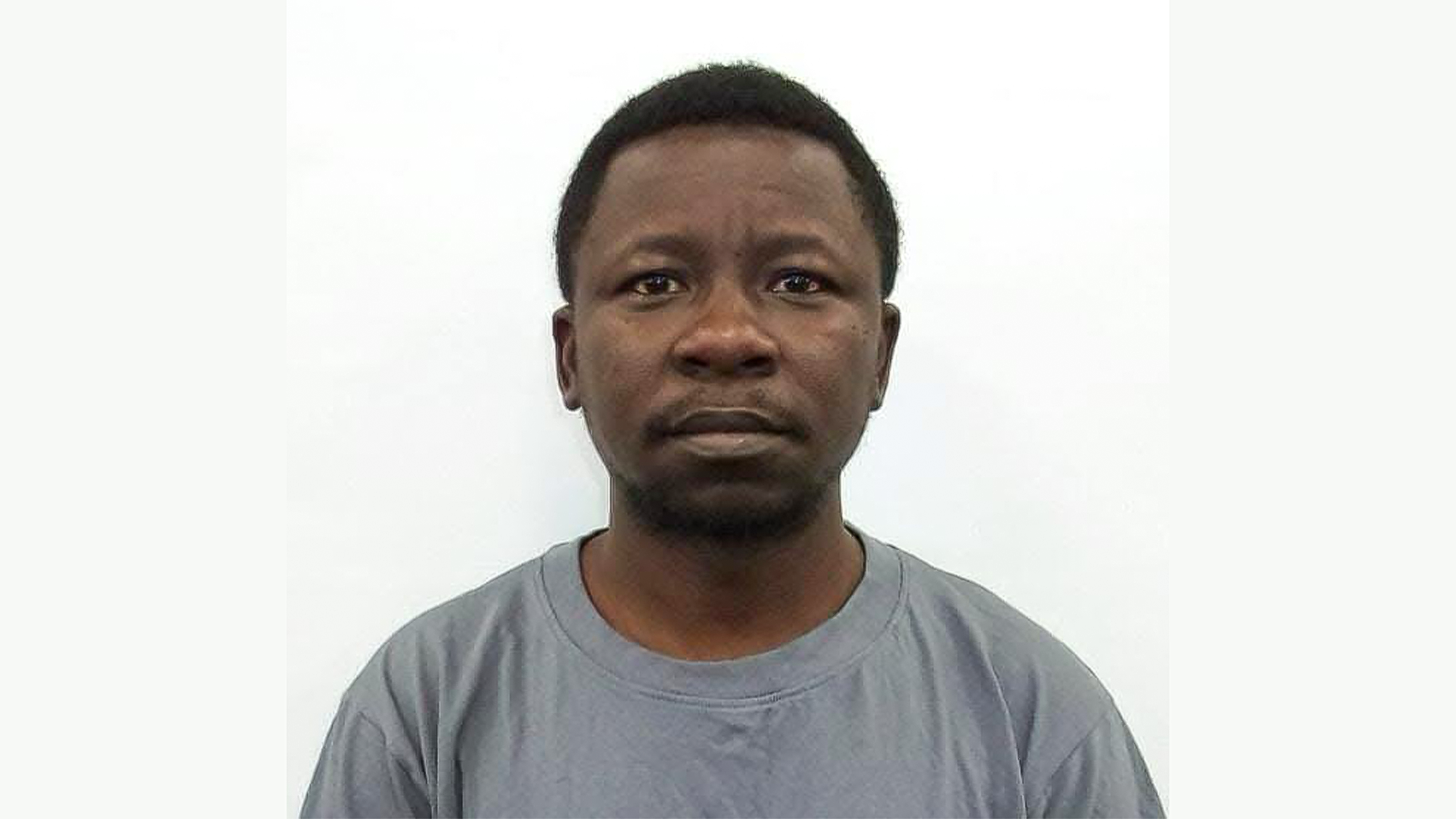
Akinsoji Francis Oni is a visual artist and cultural scholar whose work explores the intersections of art, religion, politics, identity, and society. His research and artistic practice focus on Nigerian arts and history, Yoruba knowledge systems, and contemporary visual culture, with an emphasis on how artistic expression can interpret social realities, preserve cultural memory, and foster collective understanding. This perspective informs the analysis presented in this article on the role of art in social healing and cultural resilience.
Societies today are experiencing increasing levels of fragmentation driven by cultural disconnection, identity tensions, and rapid social change. As communities navigate these pressures, the need for mechanisms that foster unity, reflection, and shared understanding has become more urgent. One of the most powerful yet often underutilized tools in addressing these challenges is art.
Art has historically functioned as more than aesthetic expression; it serves as a medium through which societies interpret themselves, document their experiences, and negotiate their realities. In contemporary contexts, art is increasingly being recognized as a vehicle for social healing—capable of bridging divides, restoring cultural identity, and creating spaces for dialogue across diverse communities.
Art as a Medium for Social Connection and Collective Identity
At its core, art has the ability to bring people together by creating shared points of reference. Visual imagery, performance, and symbolic representation allow individuals from different backgrounds to engage with common themes such as struggle, resilience, belonging, and transformation.
In societies where cultural identities are evolving or under pressure, art becomes a means of reaffirming collective memory. It reconnects individuals to their histories, traditions, and values while allowing those traditions to adapt to contemporary realities. Through this process, art helps rebuild a sense of shared identity that is essential for social cohesion.

Art also provides a platform for voices that are often underrepresented. By giving visibility to diverse experiences, it fosters inclusivity and encourages broader societal engagement. This inclusivity strengthens community bonds and promotes mutual understanding, which are critical components of social healing.
Addressing Social Fragmentation Through Artistic Expression
Modern societies frequently encounter fragmentation caused by economic disparities, cultural misunderstandings, and shifting social dynamics. These fractures can lead to isolation and a breakdown in community relationships.
Art offers a way to confront these challenges by creating spaces where difficult conversations can occur. Unlike conventional forms of discourse, artistic expression communicates through symbolism, emotion, and narrative, making complex social issues more accessible and relatable.
Public art, exhibitions, and community-based creative projects, for example, can transform shared spaces into environments for engagement and reflection. These initiatives encourage participation, allowing individuals to see themselves as part of a broader social narrative. In doing so, art helps re-establish connections that may have been weakened or lost.
Cultural Preservation and the Role of Art in Modern Society
As globalization continues to influence cultural landscapes, there is an increasing risk of traditional knowledge systems being overlooked or diminished. Art plays a critical role in preserving these cultural expressions while ensuring their relevance in contemporary contexts.
Through visual representation, storytelling, and symbolic interpretation, artists can document cultural practices and reinterpret them for modern audiences. This process not only safeguards cultural heritage but also reinforces its significance in shaping identity and societal values.
Importantly, cultural preservation through art is not about maintaining static traditions. Rather, it involves dynamic engagement—adapting traditional elements to reflect present realities while retaining their core meaning. This balance ensures that cultural identity remains both authentic and evolving.
Art as a Tool for Dialogue and Reflection
One of the most significant contributions of art to social healing lies in its ability to create dialogue. Artistic works often prompt viewers to reflect on their own experiences while considering the perspectives of others.
This reflective process is essential for addressing societal tensions. By encouraging empathy and understanding, art helps individuals move beyond surface-level differences and engage with deeper human experiences. It becomes a catalyst for conversations that might otherwise be difficult to initiate.
Moreover, art provides a non-confrontational space for exploring sensitive issues. Through metaphor and abstraction, it allows complex topics to be examined without the barriers that often accompany direct discourse. This makes it an effective tool for fostering open and constructive engagement.
Bridging Tradition and Contemporary Realities
A key strength of art lies in its ability to connect the past with the present. By drawing on traditional knowledge systems and integrating them with contemporary artistic practices, artists can create works that resonate across generations.
This bridging function is particularly important in societies undergoing rapid transformation. It ensures that cultural continuity is maintained while allowing for innovation and adaptation. In this way, art serves as both a repository of heritage and a platform for future development.
Artists who engage with traditional forms and reinterpret them in modern contexts contribute to a more nuanced understanding of identity. They demonstrate that tradition is not a limitation but a foundation upon which new expressions can be built.
Implications for Social Development and Policy
Recognizing the role of art in social healing has important implications for broader societal development. Integrating artistic initiatives into community programs, educational systems, and cultural policies can enhance their impact.
Art-based approaches can support community engagement, promote cultural awareness, and contribute to more inclusive social environments. They can also complement other strategies aimed at addressing societal challenges by providing an additional layer of engagement and understanding.
For policymakers and institutions, investing in the arts is not merely a cultural decision but a strategic one. It acknowledges the role of creativity in shaping resilient and cohesive societies.

