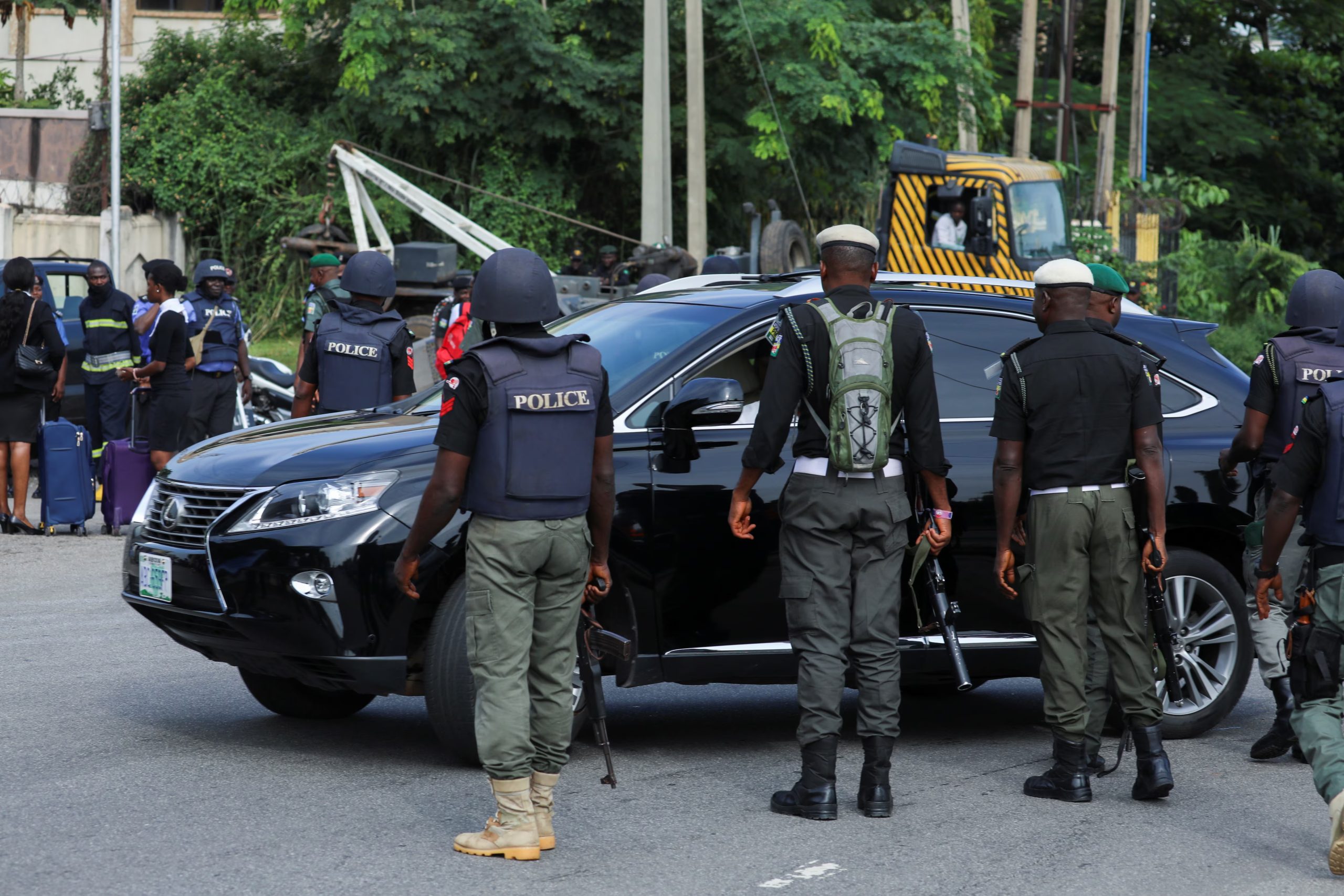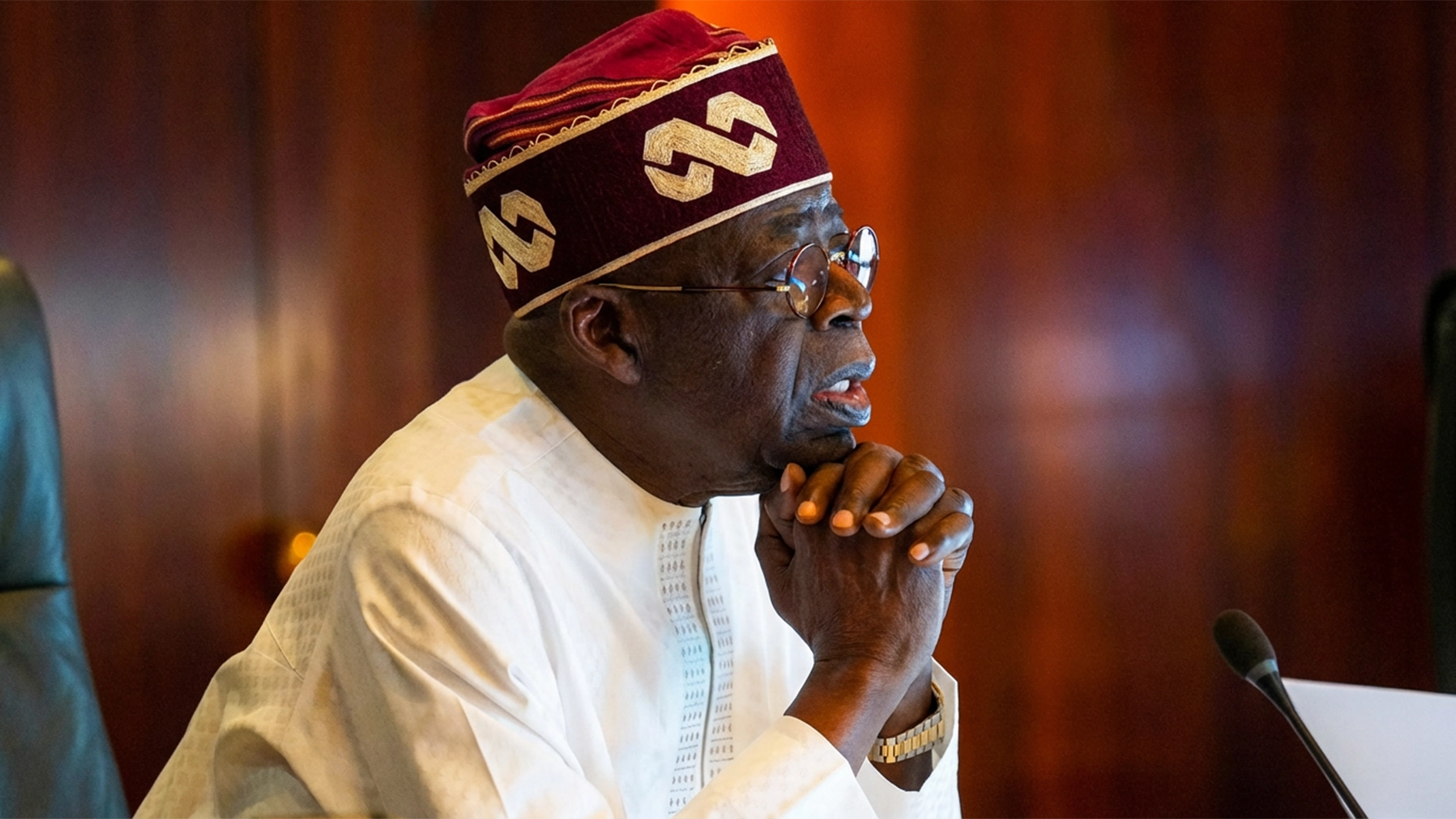
President Bola Ahmed Tinubu’s recently announced emergency security measures have been welcomed across the country with a sense of relief and renewed expectation. His directives to deploy forest guards, expand the recruitment of soldiers, police officers and other security personnel, and to withdraw thousands of police officers from VIP security so they can be reassigned to national duties, are well-considered steps that demonstrate his recognition of the gravity of Nigeria’s worsening insecurity.
These actions have merit in their own right, and each reflects serious presidential attention to a problem that threatens the stability of the nation. However, they may not achieve the depth of impact required unless certain foundational issues are addressed with equal urgency.
Nigeria’s security challenges are no longer simply external or operational. They are deeply internal. A comprehensive investigation of all security agencies is urgently needed to identify, flush out, and punish internal moles who compromise operations and expose loyal officers to danger.
Without removing these internal collaborators, any new recruitment, deployment or tactical response will only scratch the surface. In-house saboteurs have, over the years, leaked intelligence, frustrated operations, and weakened morale within the services. With such elements still embedded, even the most well-designed security measures risk yielding limited results. The country cannot win a battle while part of its protective machinery is secretly aiding the enemy.
While the President’s measures are commendable, many of them appear heavily analogue in nature at a time when criminal networks are increasingly digital, mobile, and technologically adaptive. The world has moved beyond manpower-only security. Criminals today rely on encrypted communications, satellite phones, fast mobility, and coordinated intelligence. The nation must meet them at that level.
If forest guards are deployed without technological support, they will enter the bush blindly, searching for criminal hideouts like snail hunters wandering through the forest floor. This exposes brave men and women to unnecessary, life-threatening risks. Except the government is deliberately keeping its technological plans private—and enacting the NEED to KNOW security principle, then that would be understandable. Above all, much more is required to complement the President’s emergency measures.
To be effective, Nigeria’s security forces must be equipped with technology capable of detecting criminal encampments with accuracy and speed.
To avoid guesswork and minimise personnel casualties, the following technologies must form the backbone of forest operations: Satellite surveillance and mapping; Unmanned aerial vehicles (drones) with night and thermal capability; Thermal and infrared detection systems; Mobile phone tracking and digital signal interception and GIS-based forest intelligence and predictive mapping.
Without these, forest guards and other operatives will be exposed to dangerous uncertainty. With them, criminal hideouts will become impossible to sustain.
Nigeria must not overlook the suspicious timing and patterns of the recent upsurge in insecurity. The country has seen, in the past, how desperate political actors weaponised banditry and kidnapping to destabilise a sitting government. Those who once vowed to make Nigeria ungovernable may be regrouping, recalibrating and redeploying their old tactics.
Their desperation, envy, and resentment of the President’s achievements may be feeding current instability. Political sabotage is not new to this country; therefore Mr President must remain vigilant. Nothing should be left to chance when national stability is at stake.
One of the most troubling unresolved legacies of the previous administration is the list of 400 Boko Haram financiers identified but never prosecuted. The refusal to act on this list strengthened extremist networks and signalled impunity.
Mr President must revisit this matter with seriousness, courage, and patriotism. No nation defeats terrorism while shielding those who fund it. Nigerians need to see decisive action against every financier whose hands have helped sustain insurgency.
Security agencies must also improve how they communicate with the public. Careless statements damage government credibility and undermine public confidence. A recent example was the claim by a senior officer that the 38 abducted worshippers in Eruku, Kwara State, were “peacefully released” without ransom and that no arrests were made because the kidnappers allegedly cooperated.
How can terrorists who invaded a worship centre with guns, killed innocent worshippers, and abducted dozens be described as “peaceful”? Such narratives portray the government as insensitive or evasive. All security communications must be subjected to logical review and intelligence scrutiny before release.
President Bola Ahmed Tinubu has shown willingness and decisiveness, and his emergency measures are commendable. But for these interventions to yield lasting results, they must be supported by: The removal of internal saboteurs; Strong digital surveillance and intelligence systems; Vigilance toward political subversion; Action on the 400 identified terrorism sponsors and Responsible, credible communication from security agencies.
Nigeria stands at a defining moment. With courage, technology, internal discipline, and strategic foresight, the President’s security agenda can reshape the nation’s safety landscape and restore confidence in government.
Enikanselu, a retired professor, wrote from
Lagos.