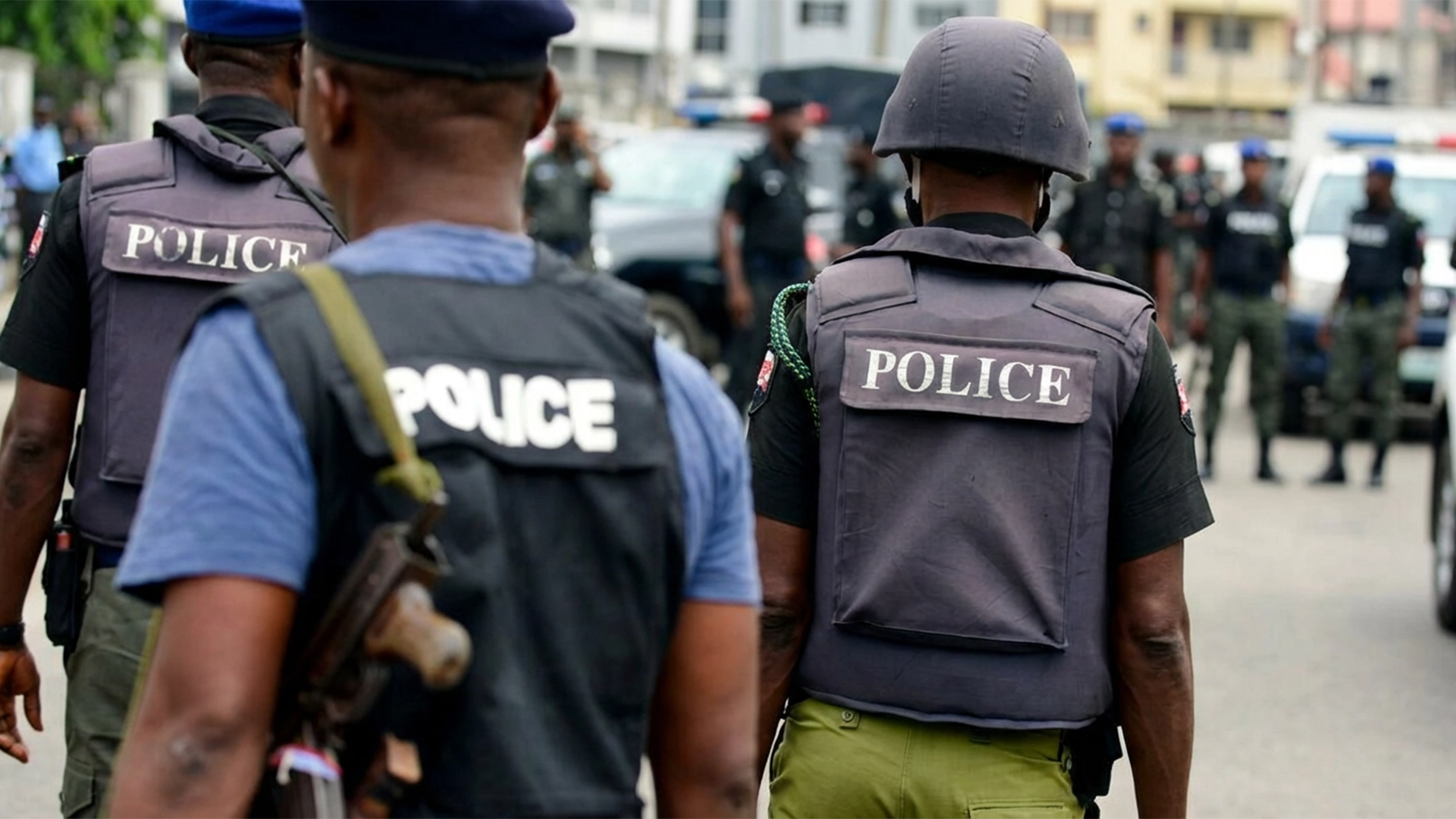
In my considered opinion, the first step towards achieving this objective, is the licensing of private investigators to carry out the duties of preliminary investigations of crime. This proposal is borne out of the fact that the main area that the Nigerian Police has been found wanting is in investigation as it is believed that detective function is very time consuming, tasking and requires hitech gadgets luxuries that police can ill-afford.
From available data, the police in its present circumstances does not possess the personnel with the right motivation and facilities to conduct investigations at the right speed and with utmost transparency. This is a derivative of the general belief that most Investigating Police Officers (IPOs) are of questionable character bordering on integrity
To be fair, police analysts have been citing poor remuneration as the reason an average police officer may be prone to compromise integrity and professionalism. Sympathisers to the cause of the police force also point out that until year 2000, the average amount of money paid to a police officer who dies on duty is a paltry sum of N1,500. In addition to the anguish of having lost a breadwinner, it is also alleged that the deceased families are often thrown out of police quarters shortly after.
Happily, Solomon Akiga, the Minister in charge of Police Affairs has announced that government effort in turning around the fortune of the police at least in terms of welfare is already yielding fruit as officers and men are no longer being owed backlog of salaries and the sum paid to the families of cops who die on duty has been upped to a handsome sum of N150,000.00.
To complement the above mentioned morale boosting developments in the police, it will be ideal for the private sector to be allowed to get involved in security and safety with highly trained and properly motivated personnel as well as sophisticated equipment. I have no doubt that such blending of private sector result orientedness in investigation with police enforcement will result in a safer and better environment for Nigerians to live and work in.
Now, one is not unmindful of the very sensitive nature of security which makes it mandatory for that function to be carried out exclusively by professionally qualified people. Fortuitously, there is a horde of highly trained senior police officers and military personnel on early retirement; sad casualties of previous military governments, to choose from for licensing as private investigators.
This also comes with multiple benefits as the nation will have an opportunity to call back into active service officers that government had invested huge resources to train but had suddenly been forced into early retirement while in the same breadth creating jobs for the army of unemployed Nigerian youths who will be trained to act as operatives in the private investigation outfits while achieving its primary objectives of enthroning peace and tranquillity in the society.
Incidentally, security does not only ensure peace through the absence of chaos and anarchy in a society as it also guarantees the presence of economic development. This is because the security of lives and property like efficient telecommunication, regular electricity supply, good roads and portable water are sine qua non for foreign investors to be interested in an economy.
So, if government is serious about its quest for foreign direct investment (FDI) in Nigeria, as reflected in President Olusegun Obasanjo’s frequent travels abroad, then putting the nation’s security system in order via deregulation should be top priority.
It is astonishing and it feels like dejavu that 23 years after l wrote the piece above insecurity seems to have degenerated from bad to an abysmally worse level.
But one can take solace in the belief that the current rash of kidnappings and killings appear to be the last kick of a dying horse. In fact, to put it more succinctly, the alarming rate of criminality in the past month could be likened to when antibiotics are applied by doctors to cure an ailment in a patient.
The first dose usually awakens the bacteria or virus, and the patient could become even sicker, but when the medication is continuously applied, the active bacteria eventually succumb.
That, I believe, is what is currently playing out in the security space in Nigeria, whereby the rate of criminality has become so high that there is a sort of frenzy and Nigerian masses are justifiably very frightened.
But with persistent pressure from the President — who has truly become the Commander-in-Chief of the Nigerian Armed Forces by leading from the front in the war room as Presidents Barack Obama, Joe Biden and Donald Trump as C-in Cs did when they were faced with similar crisis of terrorism — I am optimistic that this evil chapter in story of Nigeria will soon be over if President Tinubu doesn’t blink in the manner he pushed back against resistance to the bold reforms he had introduced in the past two and half years of being on the saddle of leadership in Aso Rock villa presidential seat of power.
Having proven to be a jinx fixer by taming the monster of petrol subsidy after it became a tough nut to crack by multiple administrarors led by strong men who have been at the Helms of political leadership of Nigeria ranging from General Sani Abacha, Ibrahim Babangida to Abdulsalam Abubakar including Olusegun Obasanjo both as military head of state and a democratically elected president, the scourge of insecurity can equally be slain by Tinubu if he applies a similar boldness, toughness and dexterity that he had deployed to end petrol and naira subsidies.
Working in synergy with American and other international partners that are pledging to help, one is not being too optimistic to imagine that Nigerians, especially those in the vulnerable regions who are currently living in mortal fear of the marauding bandits and outlaws would soon be sleeping with their two eyes closed.
For now, although, the battle seems fierce, in the long run the war would be won if fought consistently with vigor as insecurity moves to the front burner in Tinubu’s governance priority list.
With a national state of emergency on security declared by the C-in C , the lawmakers in Abuja organising brainstorming sessions to come up with actionable policies, and even as the 36 governors in the nation who have risen from an emergency meeting convened to tackle frontally the challenge of insecurity have urged the FGN to approve the suspension of mining activities (a causative factor of insecurity) in the northern axis for six (6) months to enable a reset, clearly the two of the three branches of government are working assidously towards accomplishing a common goal of ending insecurity, so the fingers of most Nigerians are crossed as they hope for the best.
Onyibe is an entrepreneur, public policy analyst, author, democracy advocate, and development strategist. He wrote from Lagos.