 Follow Us on Google News


 Follow Us on Google Discover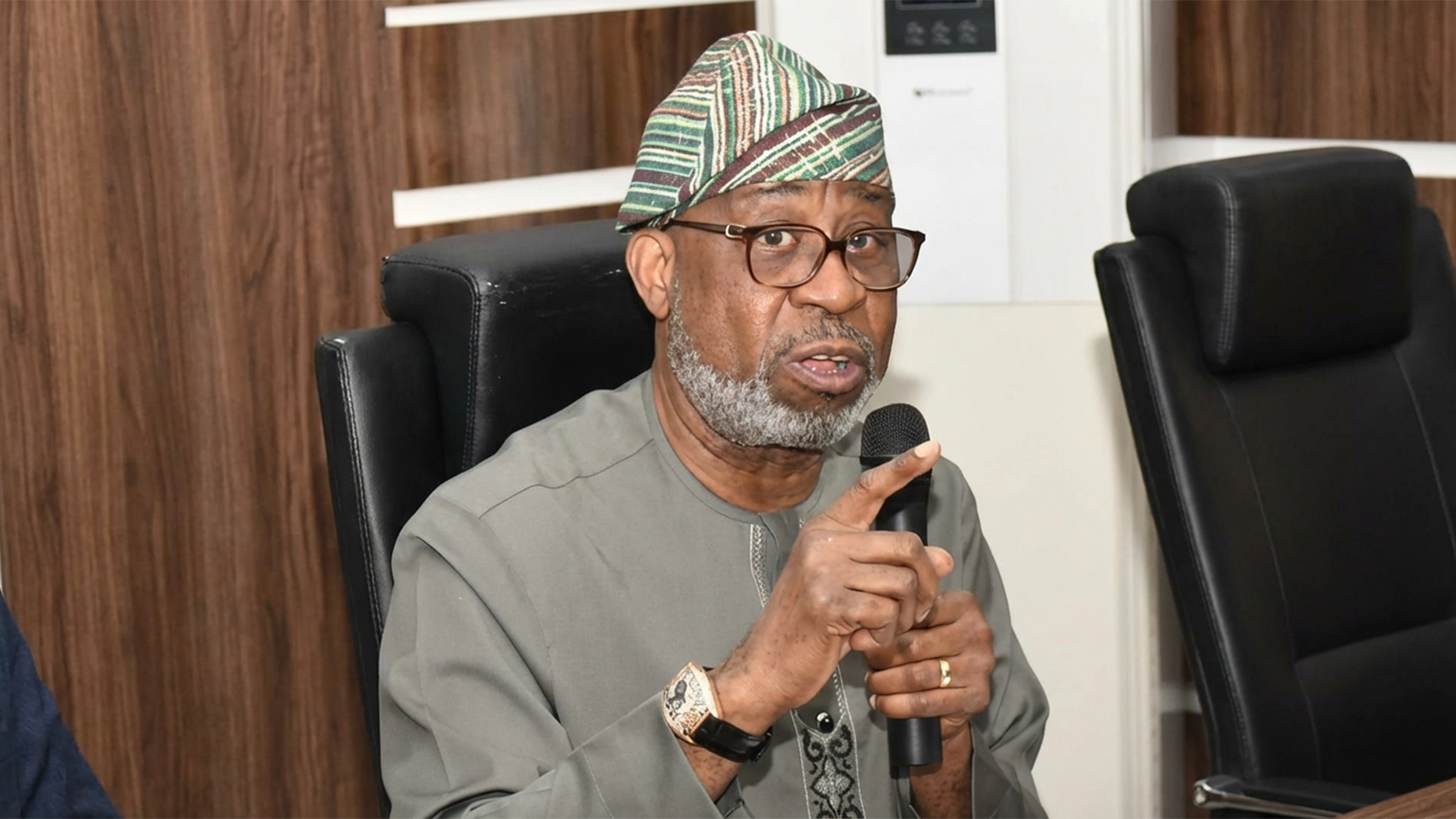
By Dr. Felix Babatunde Ale
For decades, Nigeria’s vast solid mineral resources remained one of the country’s most underutilised economic assets. Despite possessing commercially viable deposits of lithium, gold, tin, limestone, iron ore and several other strategic minerals, the sector contributed only marginally to national output while crude oil continued to dominate government revenues. That long-standing narrative, however, is beginning to change.
The commissioning of West Africa’s largest lithium processing plant in Endo, Nasarawa State, represents more than the inauguration of another industrial facility. It signals a deliberate shift in Nigeria’s approach to mineral resource development from exporting raw materials with limited economic returns to promoting local value addition, industrialisation and participation in the global clean energy economy.
The timing could hardly be more significant. As the world accelerates its transition towards cleaner sources of energy, lithium has emerged as one of the most sought-after strategic minerals. It powers rechargeable batteries used in electric vehicles, renewable energy storage systems and countless digital devices that have become indispensable to modern life. Global demand continues to rise, making lithium not merely a mineral commodity but an economic asset capable of shaping national competitiveness in the decades ahead.
For Nigeria, therefore, the challenge has never been the availability of mineral resources but the capacity to harness them for sustainable development. Exporting raw ore generates limited value, while processing minerals locally creates employment, encourages technology transfer, expands industrial capacity and strengthens domestic supply chains. It is within this context that the Nasarawa lithium processing plant assumes national significance.
With an investment estimated at $250 million and a processing capacity of 6,000 metric tonnes per day, the facility is expected to generate more than 3,000 direct and indirect jobs while stimulating economic activities across its host communities. More importantly, it demonstrates that Nigeria can move beyond the traditional model of resource extraction to one that prioritises manufacturing, value addition and industrial competitiveness.

This development did not occur in isolation. Since assuming office as Minister of Solid Minerals Development, Dele Alake has pursued reforms aimed at repositioning the mining sector as a viable pillar of economic diversification. His policy framework has consistently emphasised local value addition, stricter regulation of mining activities, improved investor confidence and stronger institutional oversight.
Among the most notable initiatives is the government’s resolve to discourage the indiscriminate export of raw minerals in favour of domestic processing. Complementing this policy is the establishment of Mining Marshals to combat illegal mining, an initiative that has strengthened enforcement and signalled greater commitment to protecting Nigeria’s mineral resources. Equally significant is the formalisation of hundreds of artisanal mining cooperatives, providing thousands of small-scale miners with access to legal recognition, financing opportunities and organised markets.
These reforms suggest an understanding that sustainable mining extends beyond attracting investment. It requires transparent regulation, responsible environmental practices, community participation and institutions capable of balancing economic growth with national interest.
The progress recorded within the sector also reflects the broader economic agenda of the administration of President Bola Ahmed Tinubu. His emphasis on economic diversification has placed renewed attention on sectors that had historically received limited policy focus. The solid minerals industry has consequently emerged as one of the strategic pillars through which Nigeria seeks to broaden its productive base and reduce its long-standing dependence on oil revenues.
The British historian Arnold Toynbee once observed that, “Greatness lies not in what has been achieved, but in what is set in motion.” In many respects, the reforms currently underway within Nigeria’s solid minerals sector are setting in motion a process whose full economic impact may only become evident in the years ahead. Building globally competitive mining industries is rarely an overnight achievement; it demands consistency, institutional discipline and sustained investment across successive administrations.
Similarly, John F. Kennedy’s timeless assertion that “Leadership and learning are indispensable to each other” resonates strongly in an era defined by technological transformation and the global race for critical minerals. Nations that successfully position themselves within emerging value chains will shape the industries of the future, while those that continue exporting raw materials risk remaining on the margins of global economic progress.
The commissioning of the Nasarawa lithium processing plant should therefore be viewed not merely as a ceremonial achievement but as an important indicator of Nigeria’s industrial ambitions. It reflects a growing recognition that the country’s mineral wealth should serve as a catalyst for manufacturing, innovation, employment and long-term economic resilience rather than simply a source of raw material exports.
Much work undoubtedly remains. Strengthening infrastructure, ensuring environmental sustainability, improving geological data, attracting responsible investment and maintaining regulatory certainty will all be essential if the sector is to realise its full potential. Yet every meaningful transformation begins with deliberate policy choices, and the reforms undertaken thus far have established a foundation upon which future progress can be built.
If this momentum is sustained, the current phase of reform may well be remembered as the period in which Nigeria began redefining the role of solid minerals in national development. The lithium revolution unfolding today is therefore not simply about one processing plant or one mineral. It is about building a more diversified economy, creating greater opportunities for Nigerians and positioning the country to compete in the industries that will define the twenty-first century.
In that unfolding story, Dele Alake’s stewardship of the solid minerals sector will undoubtedly remain a significant chapter one measured not only by projects commissioned, but by the enduring institutions, policies and economic opportunities that outlive the present moment.
Dr. Felix Babatunde Ale is a media scholar, multiple award-winning journalist and prominent science communicator in Africa.

