 Follow Us on Google News
 Follow Us on Google Discover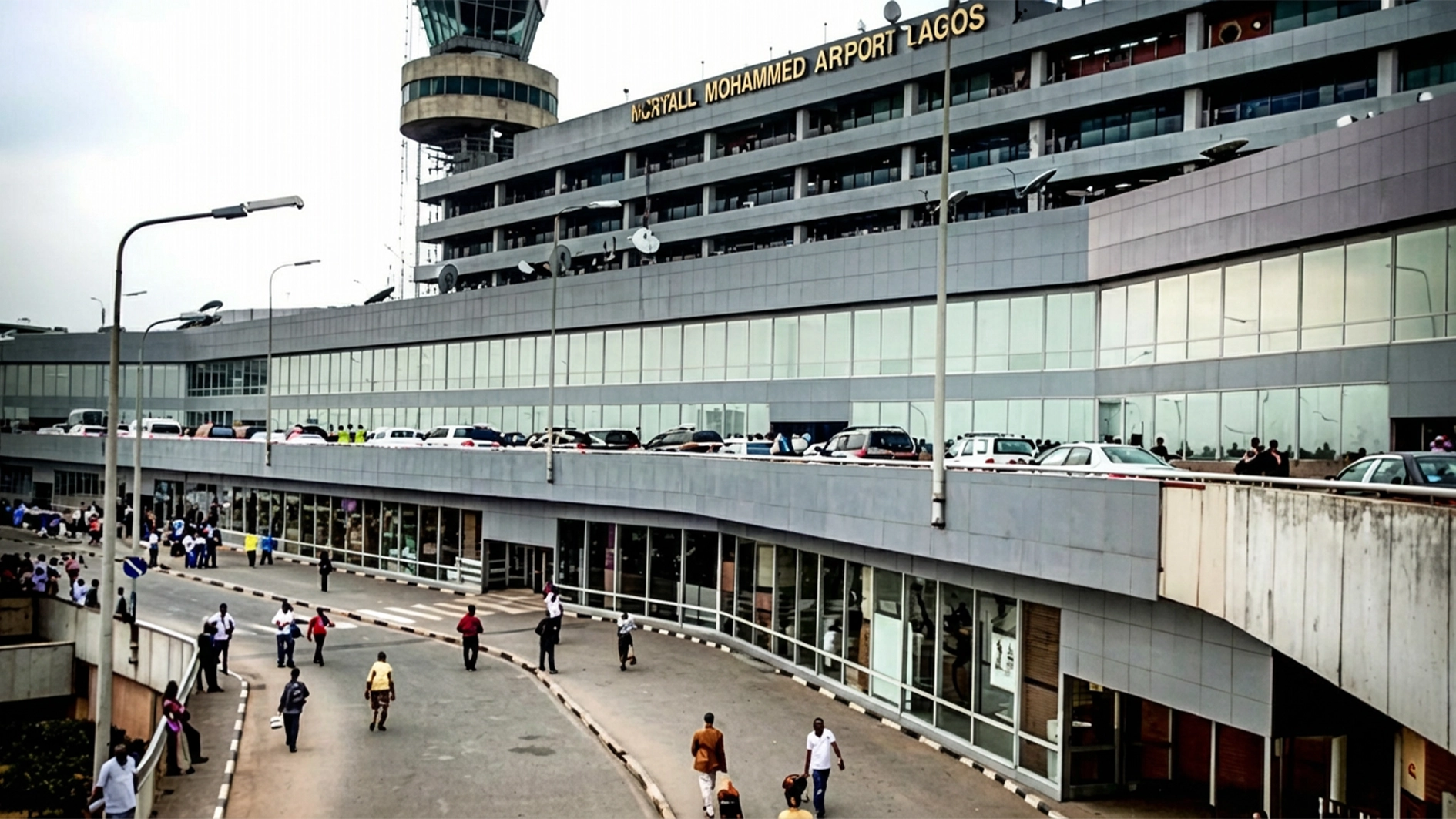
The bizarre shutdown of flight services at the Lagos and Abuja airports recently is an act of economic sabotage and a clear regulatory failure where it matters most. Without absolving Air Peace Airlines and unionists of blame, the oddly familiar development should never have degenerated had the Civil Aviation Authority acted proactively as the custodian of air transport regulations. Regulators cannot keep playing ostrich, selectively enforcing rules, subscribing to unorthodox methods of revenue collection from errant operators, and outsourcing their statutory functions to the minister’s mediation, and expect civility in the civil aviation sector.
Also, aviation workers unions and the airlines were at their ugliest by abruptly shutting down sections of the busy Lagos and Abuja domestic airports, in an attempt to picket Air Peace operations – the biggest operator that commands about 40 per cent of the market share. Thousands of passengers arrived at Lagos and Abuja airports, as well as other nationwide airports, to face bedlam and chaos. Aggrieved aviation workers’ unions – the National Union of Air Transport Employees, Air Transport Services Senior Staff Association of Nigeria, and National Association of Aircraft Pilots and Engineers, backed by the Nigeria Labour Congress and Trade Union Congress – had selectively clamped down on the operations of Air Peace airline, in protest of alleged N15 billion to N17 billion debt from unremitted five per cent Ticket Sales Charge (TSC) to regulators, and the right of workers to unionise. In a bizarre turn of events at the Lagos end of the picketing, some Air Peace ramp shuttle drivers allegedly drove their vehicles to cordon off the taxiways and literally ground operations of the other domestic airlines.
It is a sad development that the frontline stakeholders – operators, workers and regulators – whose livelihoods depend on the sector, are colluding to destroy it through misguided actions and reactions.
This episode is neither the first nor the last in an environment that should, but rarely learns lessons to forestall a recurrence. It was the same economic sabotage that occurred about three years ago, when ground-handling workers at NAHCO Aviance Plc suddenly went on strike. No public notice. No mandatory notice to airmen (NOTAM) requiring temporary avoidance of Nigerian airports. During the 15 hours of the industrial action, more than half of local and foreign airlines (all NAHCO customers) operating in Nigeria, as well as their passengers, were in complete disarray. It was the same narrative when aviation unions picketed Murtala Muhammed Airport Terminal II (MMA2) in Lagos three months before the NAHCO episode, over labour issues between workers and management of Bi-Courtney Aviation Service Limited (BASL). The daylong picketing affected over 70 flights across the nationwide network, causing discomfort for travellers, in addition to revenue losses. The point is that Nigeria already has the notoriety of aviation disorderliness devoid of warning.
Yet, by standard protocol and regulatory rule book, it is the most regulated industry in the country. But by enforcement, it is not. The Civil Aviation Authority (CAA), under the leadership of Captain Chris Najomo, is the apex regulatory agency for Nigeria’s aviation sector, responsible for safety, security, and financial monitoring of airlines and the sector at large. In Nigerian civil aviation, economic and financial regulations are primarily governed by Part 18 of the Nigeria Civil Aviation Regulations (Nig. CARs), titled Air Transport Economic Regulations. Besides airport licensing and related matters, Part 18 oversees the ongoing evaluation and audits of airlines’ financial capabilities to ensure they can maintain safe and reliable operations. Similarly, it monitors and regulates airfares, tariffs, and charges to prevent unfair pricing or monopolistic abuse. The two simply mandate that each airline open its financial books and plans to CAA auditors every six or nine months to validate its financial health and capacity to meet operational obligations, based on which an airline should remain in operation or be removed as a safety risk.
One of the operational and financial obligations of the airlines, and at the heart of the current crisis, is the Ticket Sales Charges (TSCs). For every ticket sold to intending passengers, a five per cent cut goes to the regulatory agencies, headed by the NCAA. It is the statutory duty of airlines to collect and remit the same to other agencies through the NCAA. Therefore, the NCAA oversees the financial health of these airlines at the back end and also collects PSC charges on behalf of other regulators as cost recovery for the services rendered to the operators and the industry at large. Pray, how did the airlines manage to accumulate N20 billion in unremitted deductions, and Air Peace alone is responsible for 75 per cent of the debt? For clarity, the charges, among others, are often factored into the ticket prices and paid by the customers. Is the CAA so handicapped in its financial regulatory oversight of the airlines, or simply negligent in its cost recovery functions? Is the apex regulator so helpless in handling the operators that it has to co-opt workers’ unions and brigandage as a revenue-collection mechanism for the industry? At what point did a selective picketing exercise degenerate into Air Peace drivers blocking taxiways to disrupt the operations of other airlines? How come such unruliness was allowed to linger for eight hours, until the Federal Airports Authority of Nigeria forcefully towed Air Peace buses from the crime scene? These are sore points of clear regulatory failure that the CAA leadership should be explaining to the Air Transport House Committee of the National Assembly and a probe panel.
Without doubt, Nigerian workers, including those in aviation, have the right to be aggrieved and to ventilate grievances. The peculiarity of the aviation sector and its primacy of safety have made workers’ satisfaction paramount. A poorly remunerated regulatory agency, mainstream and ancillary workers are always a disaster waiting to happen. However, completely unacceptable is the incivility of handling grievances between operators and workers. It is regrettable that Air Peace Airline allegedly refused to engage in further dialogue with the unionists, citing a pending court order against picketing. The door of diplomacy and negotiation should never be closed, especially amid the multiple economic challenges facing the air transport sector.
Air transport is a business of trust between the operators, investors and passengers. And where trust is eroded, everybody loses. Clearly, the full cost of this disruption to thousands of passengers who were trapped in this commotion is enormous. These are people who have paid heavily and, in anticipation of services, kept important appointments that could be life-changing. Air Peace has estimated losses of over N2 billion. Other carriers are still counting their losses in air ticket refunds, unused ancillary services and aircraft downtime. The cumulative loss and reputational damage are industry-wide and far-reaching. It is no accident that the local aviation industry is a high-risk zone in the global reckoning. The latest episode just reinforced the red flag, and to the detriment of all.
It is high time the CAA lived up to its responsibilities and saved the industry from further embarrassment. The rules are clear. Enforce them to the letter. Overall, the Ministry of Aviation, which is saddled with policies, regulators and various stakeholders, should also take an introspective look at the industry and come up with a more civilised approach to managing differences without sliding into destructive arm-twisting and other primitive actions that leave the sector worse off.

