 Follow Us on Google News
 Follow Us on Google Discover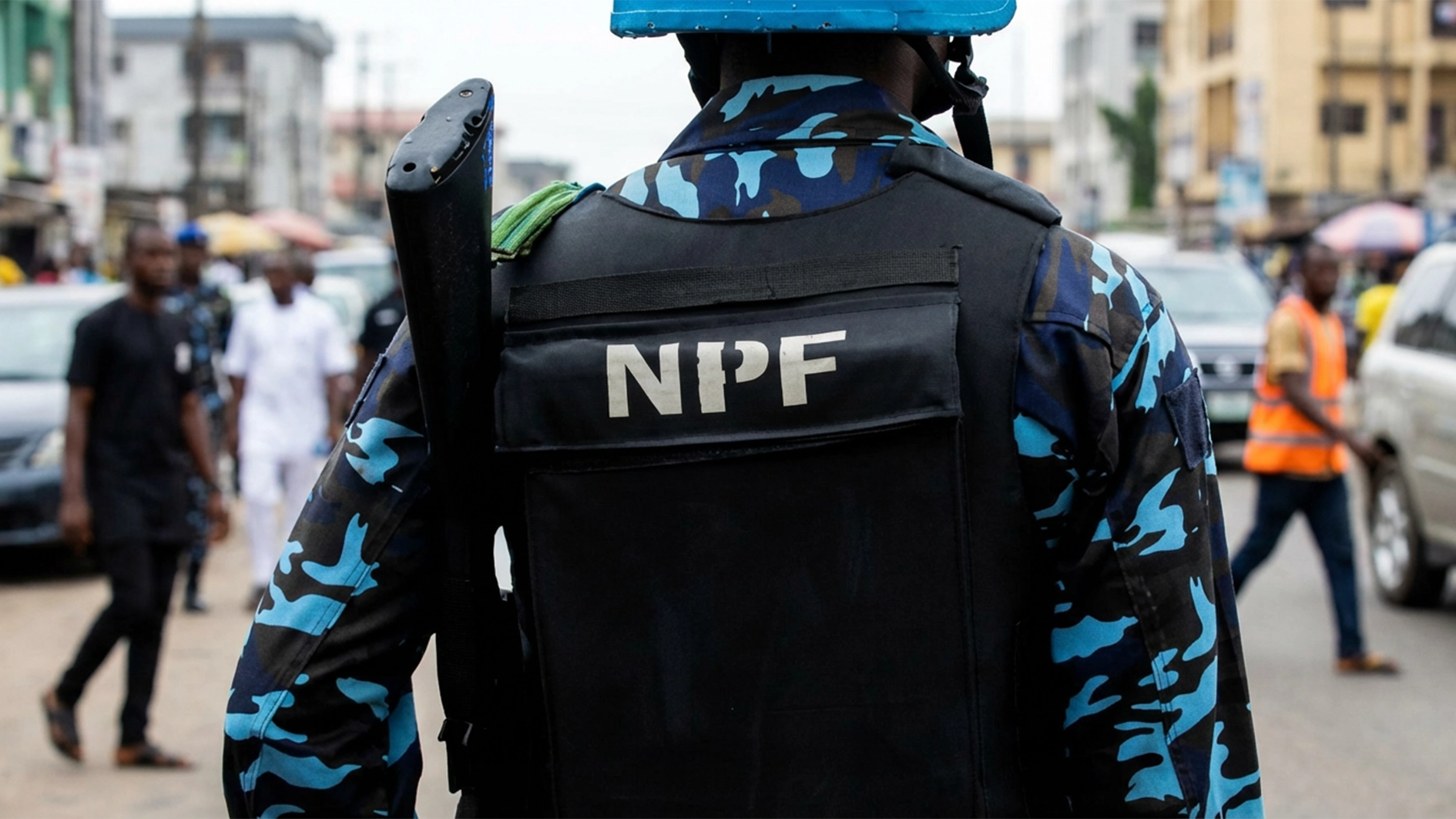
The killing of the Benue State Chairman of the Miyetti Allah Cattle Breeders Association of Nigeria (MACBAN), Ardo Mohammed, and his associate, Yakubu Idaho, is yet another tragic reminder of the fragile security situation in parts of the country. Their deaths, coming shortly after attending a peace meeting involving community leaders, Fulani herders and security officials, represent not only an attack on two individuals but also a direct assault on efforts to build trust and peaceful coexistence among communities.
According to available reports, Mohammed and Idaho had participated in a peace meeting convened by the Divisional Police Officer in Gwer West Local Government Area before they were ambushed by gunmen while returning home. If indeed the attack was targeted because of the deceased’s role in promoting dialogue, then it amounts to an attempt by enemies of peace to frustrate reconciliation efforts in Benue State.
The condemnation of the killings by the Secretary to the Government of the Federation (SGF), Senator George Akume, is therefore timely. His appeal to residents not to succumb to provocation or embark on reprisals deserves the support of every Nigerian. The country has witnessed too many cycles of retaliatory violence in which innocent lives are lost while the real perpetrators often escape justice.
Retaliation has never resolved communal conflicts. Rather, it deepens mistrust, fuels hatred and creates fresh grievances that become the foundation for future violence. Once communities begin to administer justice by themselves, the rule of law gives way to anarchy. That dangerous path must be avoided.
This is why law enforcement agencies must act swiftly and professionally. The Nigeria Police Force, the State Security Services (SSS) and other security agencies owe Nigerians the responsibility of conducting a thorough, transparent and impartial investigation. Those responsible for the killings must be identified, arrested, prosecuted and punished in accordance with the law. Justice must not only be done; it must be seen to be done.
The authorities must also recognise that delayed justice often creates fertile ground for suspicion and self-help. In many violent incidents across the country, communities complain that investigations either drag on indefinitely or produce no tangible results. Such failures weaken public confidence in the criminal justice system and encourage aggrieved persons to seek revenge. This unfortunate pattern must change.

It is equally important to avoid premature conclusions about the motive for the attack. While some may instinctively attribute the killings to longstanding communal tensions, investigators must keep an open mind. Criminal acts of this nature may be linked to several possible motives, including opposition to ongoing peace efforts, personal grievances, criminality or internal disagreements. Only a credible investigation based on evidence, not speculation can establish the truth.
Political leaders, traditional rulers, religious leaders and community organisations also have a responsibility to calm frayed nerves. Every public statement should promote restraint rather than inflame passions. Careless rhetoric or attempts to ethnicise the incident would only serve the interests of those who profit from instability.
The Fulani community, like every other community affected by violence, has a legitimate expectation that justice will be served. However, that expectation must be pursued within the framework of the law. No individual or group, regardless of the depth of its anger or sense of loss, should resort to reprisals. Collective punishment of innocent people for the actions of unknown criminals is both unlawful and morally indefensible.
Beyond the immediate investigation, governments at all levels should strengthen mechanisms for conflict prevention. Peace meetings should not become occasions that expose participants to greater danger. Individuals who actively promote reconciliation, particularly in conflict-prone areas, deserve adequate security and protection. Otherwise, others may become reluctant to participate in future dialogue initiatives, thereby undermining the very process needed to achieve lasting peace.
The murder of Ardo Mohammed and Yakubu Idaho is a painful loss. But it must not become the spark that ignites another round of bloodshed in Benue State. Instead, it should strengthen the resolve of government, security agencies and citizens to uphold the rule of law and reject violence in all its forms.
The message should be clear: those who committed this heinous crime must face justice, but justice must come through lawful institutions, not through revenge. Only by ensuring accountability, protecting innocent lives and sustaining dialogue can Benue, and indeed Nigeria, move closer to the peace its people so desperately deserve.

