 Follow Us on Google News


 Follow Us on Google Discover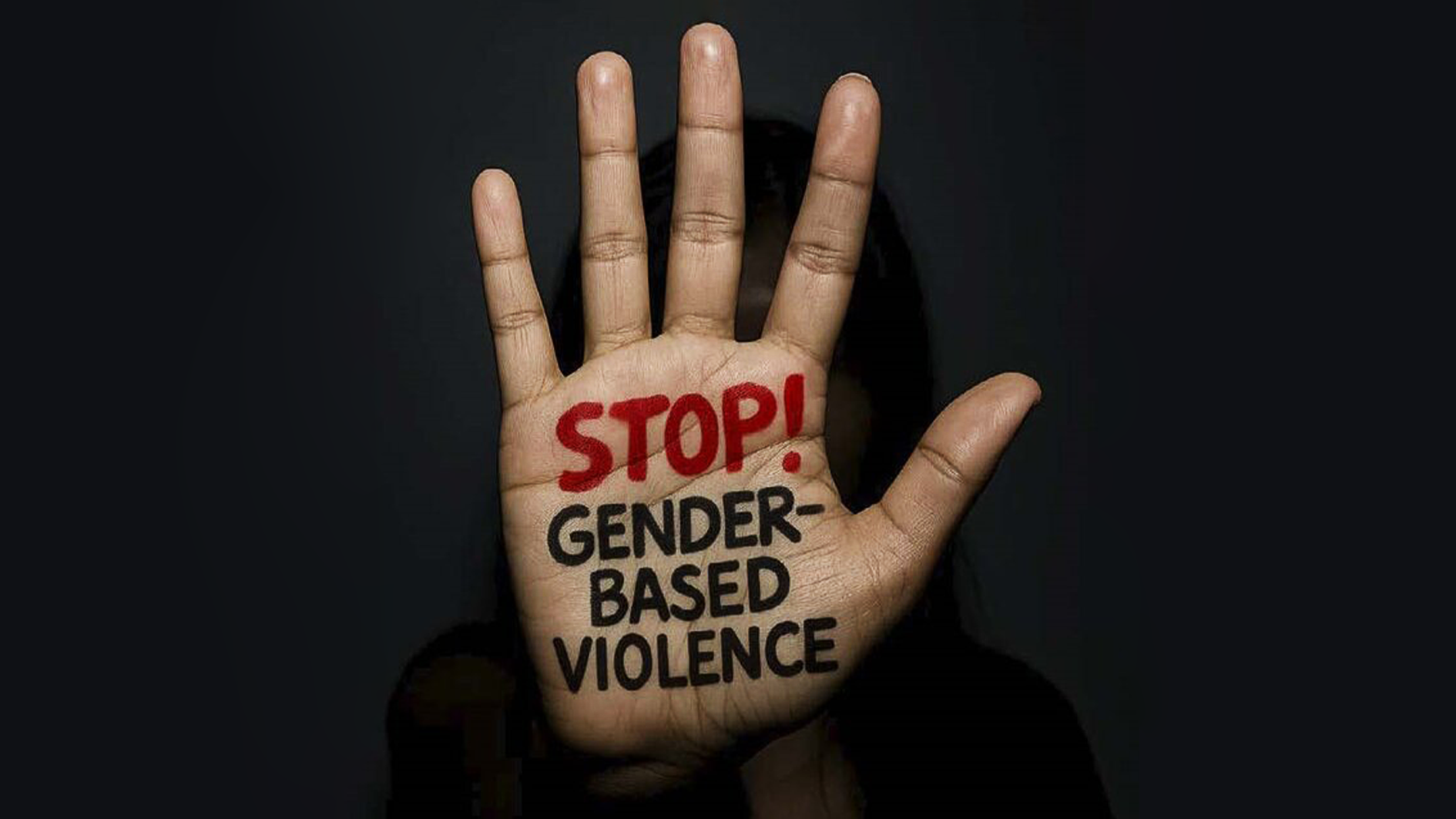
Disclosure by the Lagos State Government that it recorded 6,753 cases of gender-based violence (GBV) in one year is alarming, signposting a high incidence of anomalies in homes.
Moreover, 6,213 of the incidents were against women, with only 116 prosecutions, again pointing to the worrisome vulnerability of the female gender.
In civilised societies, the home is regarded as a haven of safety and dignity. Sadly, for millions of Nigerian women, this supposed sanctuary has become a place of fear. One prosecution per 58 documented cases, as highlighted by the Lagos government, raises serious questions about the criminal justice system’s capacity to hold perpetrators accountable. Domestic violence is a public crisis. It is time the authorities became more decisive about protection and prosecution.
The Lagos figures are disturbing. But they are merely the tip of the iceberg. Data from the National Human Rights Commission documented 33,256 sexual and gender-based violence cases in the first five months of 2025 alone. According to records from the United Nations Population Fund and the United Nations Children’s Fund, Nigeria is home to some 20 million GBV survivors. That is one in every 10 of the global total.
Also, nearly one in three Nigerian women aged 15 to 49 is believed to have experienced physical violence. Many women have learned from their own experiences and those of others that disclosures risk further exposure rather than protection. If these figures are drawn from reported cases, what lies beneath the silence?
The Lagos prosecution ratio points to a deficit in accountability. It is itself a verdict on how society currently interprets GBV. As long as abusers believe that prosecution is the exception rather than the rule, or that domestic violence can slip past the law under the guise of a ‘private affair’, the crime will likely persist. When justice crawls with delay, it becomes a tacit nod of institutional permission. A legal system is worthy of the name because it routinely metes out consequences for documented harm. Only then can it function as a true deterrent.

Domestic violence persists because Nigeria retains a prevalent cultural architecture that views women as subordinate within marriage and the household. Very often, the focus has been on protecting the institution of marriage more than protecting the women within it.
Many religious leaders, families and communities do not help matters, as they counsel endurance and silence, or even treat intervention as an intrusion. This patriarchal backdrop, unfortunately, results in violence being tolerated and sustained.
Unemployment, poverty and financial inequality also mean that many women have to choose between the devil and the deep blue sea. Without an independent income or shelter outside the matrimonial home, and with children dependent on them, GBV victims are often unable to exercise the freedom granted to them, at least notionally, by the law. Consequently, many remain captives of their abusers.
There are also social accelerants, such as alcohol abuse, drug abuse and the accumulated stress of economic desperation. Many Nigerians struggle to eat decent meals, let alone pay rent, school fees and sundry expenses. Many families are forced to shoulder pressures that responsive governments and functional institutions should bear. As a result, homes are left operating at emotional temperatures that often boil over. While these factors must never diminish accountability, there is unlikely to be a significant reduction in GBV unless authorities address the underlying conditions that turn human frustration into domestic terror.
The broader social damage underscores the urgency of stemming GBV before the country faces a future of crises. Children who grow up witnessing abuse are likely to internalise it, carry it forward and reproduce it. The trauma lingers when they see their mothers being beaten and shapes what the next generation understands as power, gender and the acceptable limits of force. Besides, domestic violence impedes national progress through lost productivity among women, increased pressure on the healthcare system and weakened household economies already under strain. A country mortgages its development if it continues to absorb these fallouts silently, year after year, and fails to prosecute the conduct that generates them.
The law on paper does not bark, let alone bite. A legal architecture to tackle GBV exists in the Violence Against Persons Prohibition Act. Lagos has its own Protection Against Domestic Violence Law. Implementation across states, however, has been uneven. Often, police officers are inclined towards settlement rather than prosecution. And when sentences are imposed, they do not reflect the gravity of the offence.
Beneath institutional failures lies the complicity of communities that prioritise social cohesion over individual safety. Often, victims are blamed and pressured into reconciliation, while the exposure of abuse is regarded as a weightier matter than the abuse itself. Neighbours hear and look away. Relatives counsel patience. Religious leaders invoke the sanctity of marriage. Each act of communal complicity adds another brick to the wall behind which abusers are emboldened to commit further acts of violence.
Now is the time for authorities to wield consequences with renewed determination. The Violence Against Persons (Prohibition) Act must be fully domesticated and enforced in all states of the federation. Specialised courts or divisions should be established to handle domestic violence cases and given clear prosecution timelines. Sentences must reflect the severity of offences, while state officials who stand in the way of justice should be brought to book. It must also be noted that prosecution will remain incomplete unless the federal and state governments prioritise survivor shelters, legal aid clinics, emergency hotlines, psychological counselling and post-abuse livelihood support. Without these public services, rescued victims risk returning to the conditions from which they barely escaped.
An enduring intervention should also address the cultural foundations that give rise to gender-based violence. There is a need for mass public campaigns aimed at reshaping attitudes and beliefs. The younger generation should be raised with values of respect, restraint and equality. They should be nurtured with the understanding that a decent and responsible society is judged by the protection it extends to its most vulnerable. The future of the country is at stake. Millions of Nigerian women have a right to safety and dignity. They must not walk into that future as cowed victims of a public crisis.

