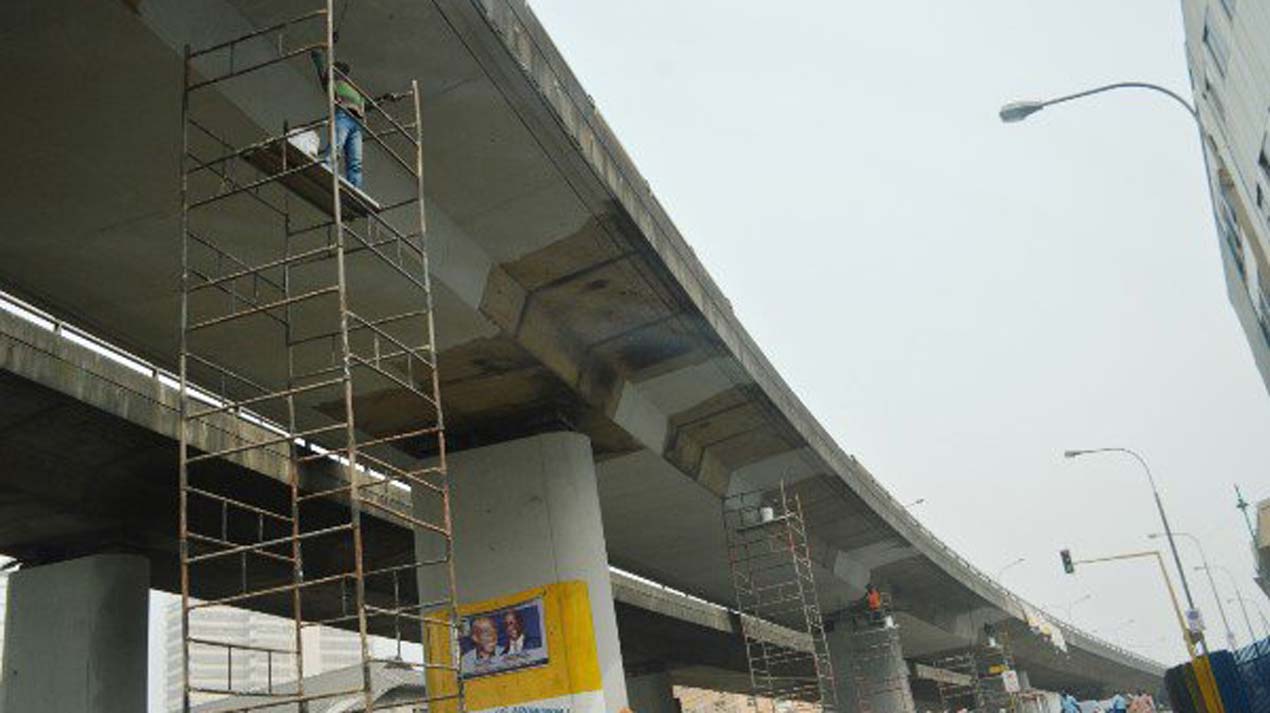
Before 1960s, Nigeria’s homelands, north and south, had 95% of their landscapes in bushes and un-tarred roads from where inmates smuggled themselves out to fly the flags of colonial masters. The present Anambra State in the Eastern region of Nigeria was part of this period. But today, 17 years after its creation by the Babangida Administration, Anambra State is seeing glimmer light than the rest of the states, as the breeze of flyovers bridges (set to replicate Dubai), the wind of change, blows gently in the south eastern hemisphere from the government house at Awka aptly. This could not have been possible without a vision, thus; “Our vision is to make Anambra a preferred place to live, learn, invest, work, relax and enjoy!” (Soludo, 2023). Some of the pragmatics of Soludo Solution (for peace and progress) testifies to the weather lore, “if the wind follows sun’s course, expect fair weather” (Inwards, 1993). It is much more excellent weather of massive transformation, indeed, blowing across the length and breadth of Anambra State.
The Flyover bridges master plan will scoop every nooks and crannies, urban and hinterlands, trees, buildings, creeks, waters, rivers, sand dusts, vehicular and human traffics and even any kind of evil genius on the road. The narratives by the governed are undulating and overwhelming as one draws his or her breath to understand the structural transformations going on. These were positive developments about the imminent flag off of the first phase of rejigging Anambra State to a liveable homeland and backwardly integrated society with streams of fly-over bridges for undeterred, unhindered and seamless ease of doing business, security of lives and properties, unencumbered livelihood, social cohesion and environmental friendliness.
From Ekwulobia, it is gradually spreading over Anambra State proposed mega cities and communities. The people and those of neighbouring communities could not believe what they thought was a rocket science. Yet, it is a timely vision: “Our vision is to building a livable and prosperous smart megacity” (Soludo, 2023). Hitherto road-net works in Anambra State, good in themselves, but over stressed to accelerated deterioration with ever busy and traffic saturated intersecting junctions surrounded by clumsy and noisy motor parks has exposed conurbation among communities to crimes. Ekwulobia four road-junction is an exciting case study that has earned it the pilot-case of the transformation project in Anambra. And for the busy nature of the quadrangular road network open to vehicular and human traffics from morning till night, the Ekwulobia case, among other communities, has been specially earmarked for ease of doing business for sustainable development.
Besides, there cannot be sustainable development without sustainable environment Captured in the propositional and legal framework is the relationship between socio-economic development and sustainable environment as a logical deliverable from natural environment of Anambra State with hitherto gullies, erosion, sand falls and valleys that threaten livable homes. Environmental hazards and vulnerabilities are direct fall out of climate change in modern industrial societies and the quick adjustment of natural environment to synthetic development ought to be subjected to constructive and reconstructive renewal for sustainable development goals, SDG, and backward integration policy of the current administration. Albeit, the agenda of environmental renewal is going on seamlessly and holistically in Anambra communities and no flash point is isolated. From Okpoko, Onitsha, Awka, Nnewi, Aguleri, the Airport to Ekwulobia, construction of structures, “drainages, channels, pedestrian walkways and cycling routes as well as tree planting routes, city beautification, street marking, bus stops, benches, waste bins and so on” has become an index of Anambra State transitional economic growth, foundation of resilient infrastructure, green economy, waste management and disaster preparedness and transformation of Anambra State to a livable homeland.
The people of Anambra State are watching the dawn of flyovers in the state as if it is a dream yet to be cut short or, sleep-working. Yet, it is a reality show, actionable, visions of a Government in action, not a movie or science fiction, under the leadership of the man that the cap fits. Like second Niger-bridge, Onitsha-Owerri road and Onitsha-Enugu road, the Ekwulobia quadrangular junction is a federal concern, far from concurrent list. Yet it is a matter of the governance priority of the Executive Governor to save Anambra state from peripheral erosion threats, about 100 meters from each of the adjourning roads to the junction, which is only possible for a government with fiscal discipline and responsibility, otherwise, there is no governance but defacto leadership. Prof. Soludo knows his onions, hence decided to take up the challenge of environmental rejigging and road network deconstruction starting from Ekwulobia fly-over bridges and others; irrespective of whose OZ is gored and whose concern is hurt, because, “there is no “ifs” and “but” about it, the job has to be done” (Soludo, 2023).
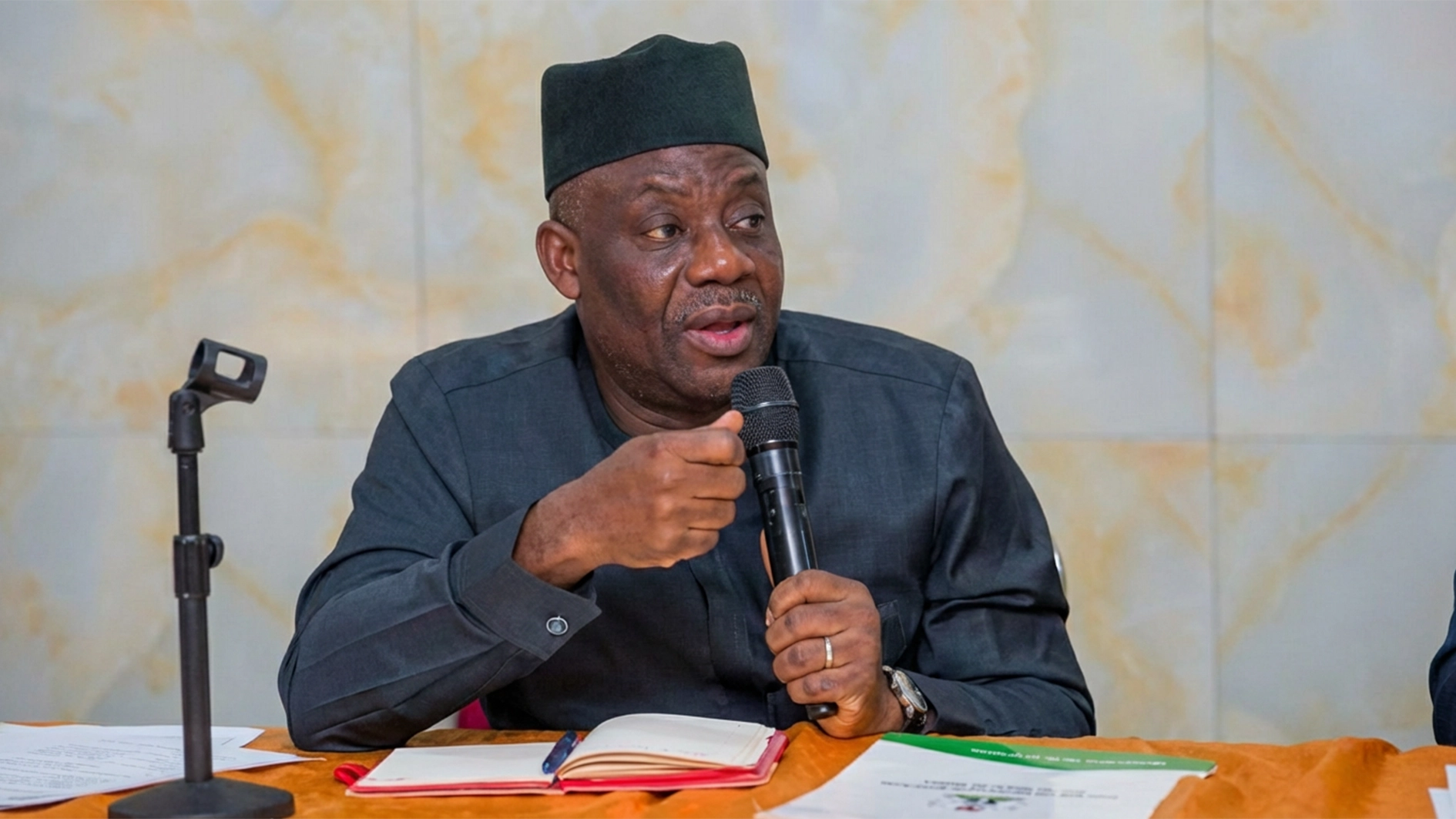
In accordance with participatory democracy and the doctrine of necessity, the Governor’s Commissioner for Petroleum resources led a high powered official engagement which interacted with Ekwulobia and Aguata Councils and communities in a series of town-hall meetings where the people were briefed on fly-over development agenda of Anambra State with unquantifyable social economic benefits. Anambra peoples who were receptive to dynamics of progress said, yes, with massive supports from industry and market leaders. With this social and economic empowerment through road infrastructure, the policy of ease of doing business is catapulted to the business of filling stations and sales of premium spirits products (PMS) near the roads. Amid the enlightenment engagements on sustainable development, deconstructions of right of ways, 45.7 metre away, the able commissioner reached understandings with not only the Ekwulobia branch of Anambra chapter of Independent Petroleum Marketers Association (NTMA), otherwise,known as Enugu Community Chapter but also with blocks and shops owners, Presidents General of immediate communities who were major stakeholders in the development of Anambra State. An obviously shuttle engagement with stakeholders on the Ekwulobia flyover transformation project ended fruitfully on 21 June, 2023 in the meeting with the state government team led by the Chief of Staff, Mr. Earnest Ezeajughi and the Commissioner for Petroleum Resources, Barr. Tony Ifeanya on the one side and chairmen and leaders of Independent Petroleum Marketers Association of Nigeria (IPMAN) and Petroleum Dealers Association of Nigeria (PEDAN), on the other side. It was an interactive forum in which IPMAN and PEDAN of Anambra State chapters added their solidarity to the ones earlier given by the Igwes, Presidents-General and the people of host and adjourning communities in support of the state governments fly-over and road infrastructure master plans,
The expectations of excellent weather and new dawn would soon come to pass with the flag-off of the fly-overs in Anambra State at Ekwulobia, and this would translate into a new dimension, trajectory and narrative in governance in Anambra State. “Our aspiration is to change the trajectory/narrative of Anambra from being a departure lounge to a destination (Soludo, 2023). The body language, aesthetics, nuances and actions convey concrete existential values to the livelihood and prosperity of the people. The overall aim of governance and the transformation of projects is to deconstruct Anambra State for the greatest happiness of the greatest number of people. Pursuant to this objectives, the government is scaling up the value of life of the people in terms of environmental retooling and economic empowerment.
There will be ease of doing business through reliable and good transportation system. Bad roads, transport problems and allied hiccups like criminality and drug abuse will give way for a disciplined and easy life heralded by the aesthetics of the envisaged mega city. Undoubtedly, good roads and seamless transport system will facilitate environmental friendliness and the consequential clean water and sanitation for the sake of the Sustainable Development Goals(SDGs): good health and well-being, affordable and clean energy, decent work and Economic Growth and so on. These are accomplishable, resilient and proficient indices of sustainable development. It is envisaged that the problems of congested business and social space with associated wastes and contamination and their implications for public health and ease of doing business will be tackled head long by the government fly-over policy. Fly-over bridges are efficient and scientific method of d-congesting the hustle and bustles of business, vehicular and human traffics occasioned by some natural environmental neglect of past headers and painlessness. Congestion breeds squalor and the latter is the progenitor of dirt and disease, hence tackling all this is tackling public health and pandemic and epidemic diseases.
Also, congestion and squalor more often procreates ungodliness where crimes and criminality triumph. The story is extant in the omnibus nature of criminality in the mist of poverty. So, transport and flyover policy of Prof. C. C. Soludo’s administration is a pragmatic hub for the transformation of the state to a livable homeland through poverty alienation and elimination of criminality.
Professor Dukor, is of the department of Philosophy, Nnamdi Azikiwe University, Awka.