 Follow Us on Google News
 Follow Us on Google Discover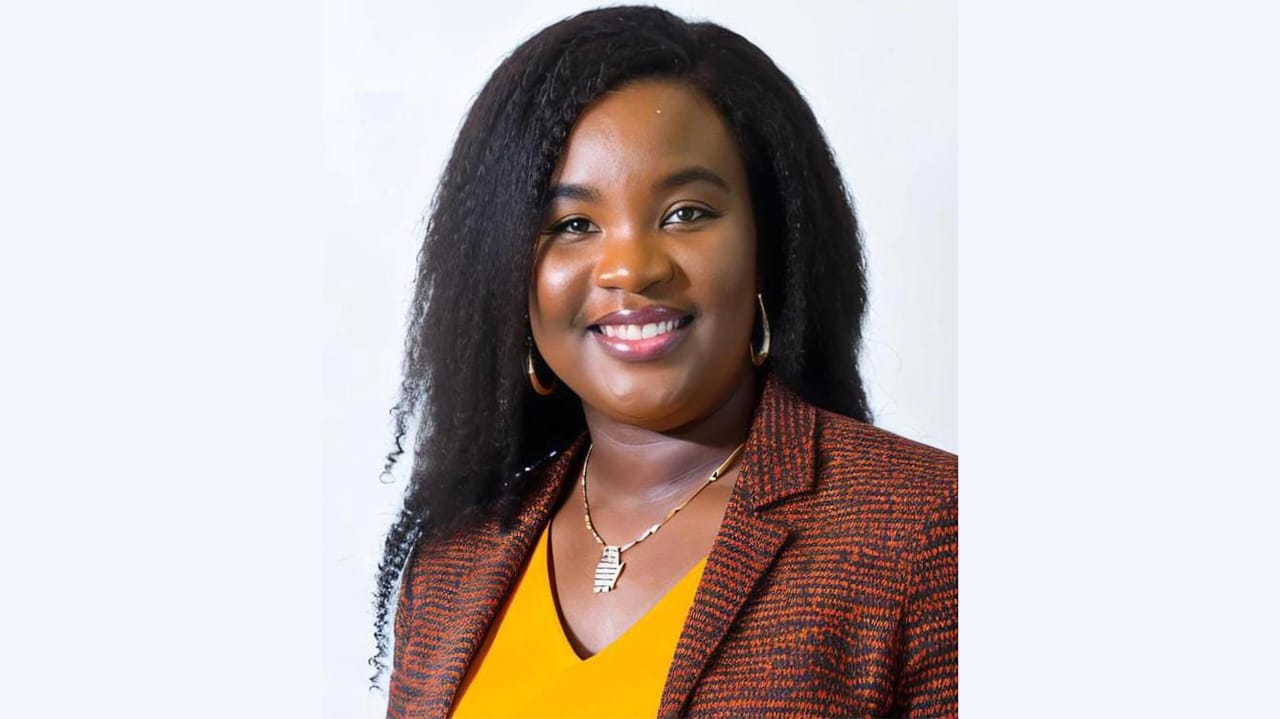
By Priscilla Adebayo
In Part One of these series, I argued that recovery for Oyo’s rescued pupils and teachers must be carefully sequenced and developmentally informed, moving from immediate safety through emotional stabilization to phased reintegration. I set out the immediate response Oyo’s rescued pupils and teachers need, Psychological First Aid, stabilization, and a set of practical first 30-days actions for government. Here, I set out what that sequence should actually look like after the first response; age-differentiated therapy, teacher-specific care, family reintegration, and school-based recovery.
Age-differentiated therapy
For children in early and lower primary years, the leading practical approach is attachment-informed and play-based recovery. At that stage, a child heals less through analytical discussion and more through co-regulation with trusted adults, borrowing calm from caregivers before they can regulate themselves. Play, drawing, storytelling, and routine-based interaction can help a child rebuild a sense of mastery, especially with caregivers actively involved. Bedwetting, nightmares, regression, and panic at separation should not be punished; these are trauma signals, not disobedience.
For upper primary pupils, junior secondary pupils, and adolescents, trauma-focused cognitive behavioural therapy offers the most practical framework, working through structured components — psychoeducation, relaxation, affect regulation, cognitive coping, trauma narration, caregiver involvement, and safety planning — to help pupils identify trauma reminders, regulate bodily arousal, and challenge distorted beliefs such as ‘I am never safe’ or ‘what happened was my fault.’ Adolescents may need somewhat different handling, since Erikson’s theory reminds us that they are negotiating identity, dignity, and peer belonging, and may react to kidnapping with shame or distrust of authority rather than obvious fear. Giving them a genuine voice in conversations about school safety can help restore a sense of agency.
Teachers: a dual pathway

Teachers require a dual response: trauma recovery for their own direct exposure, and support for secondary traumatic stress and moral injury connected to the children they could not protect. Adult trauma care should include trauma-informed counselling, psychoeducation about stress responses, peer support, and referral where symptoms persist. Teacher recovery can also be informed by Lazarus and Folkman’s stress-and-coping framework, which holds that psychological harm is shaped partly by how individuals appraise threat and their capacity to cope–meaning intervention should build coping resources, not only ask what happened. Oyo State should not push released teachers immediately back into full classroom duties; some may need temporary leave, reduced workload, or transitional roles.
Families and schools
Family systems theory reminds us that trauma in one family member affects the emotional climate of the whole household, which is why caregiver participation is therapeutic, not optional. Reintegration support should include caregiver psychoeducation in accessible language, teaching parents that clinginess, nightmares, and startle responses are normal, that trauma-linked behaviour should not be punished, and that children should not be forced to repeatedly narrate their ordeal for visitors.
Bronfenbrenner’s ecological systems theory explains why the school itself matters just as much: a child does not recover in the abstract, and if the school remains frightening or unprepared, it can reactivate trauma rather than restore development. Oyo should adopt a two-track school response; physical protection (perimeter security, visitor control, emergency protocols) alongside psychosocial recovery (trained safeguarding focal persons, guided re-entry, classroom routines that restore predictability, and referral pathways for those who need formal care).
What Oyo State should do now
1. Commission and fund TF-CBT-trained clinicians, whether state-employed or through partner NGOs and hospitals, to be embedded with the rescued teachers and pupils and also near and accessible to affected schools for at least the first one year, rather than relying on one-off referrals.
2. Deliver developmentally matched interventions: play-based support for younger children; trauma-focused therapy for older children and adolescents; trauma-informed counselling for teachers.
3. Set up a dedicated play-therapy and expressive-arts space for younger primary pupils, staffed by trained facilitators rather than classroom teachers alone.
4. Establish a confidential, walk-in counselling space for adolescents at the affected schools, separate from younger children’s spaces, reflecting their different developmental needs.
5. Mandate and fund a phased return-to-work plan for affected teachers, including paid leave options, temporary role adjustments, and structured peer-support sessions rather than an expectation of immediate full duty.
6. Launch a caregiver psychoeducation program, delivered in both Yoruba and English through churches, mosques, and community associations within the first month, rather than leaving families to rely on informal advice.
7. Fund and complete physical security upgrades; fencing, controlled entry points, and communication links with local security outfits at the affected schools and communities before any staged reopening.
8. Appoint or train dedicated safeguarding focal teachers or counsellors at each affected school, with a documented referral pathway to clinical services.
9. Conduct clinical screening to identify acute stress, severe anxiety, dissociation, suicidality, or probable PTSD, using validated tools rather than informal observation alone.
10. Commit publicly to a minimum of twelve to twenty-four months post follow-up schedule with periodic re-screening, rather than a single post-rescue check-in, since delayed trauma reactions are common and expected.
The lesson from conflict recovery worldwide is that survivors do best when systems act early, calmly, and consistently.
But the harm from an event of this scale rarely stays contained within the group who were physically taken. The next part in this series turns to the wider circles of trauma, the classmates, families, and neighbouring schools who were never abducted, yet were far from untouched.
Barrister Priscilla Adebayo is a practitioner in international conflict management and post-conflict healing, and founder of Self-Actualization for Refugee Women Incorporated. This is Part Two of a four-part series on psychosocial recovery after the Oyo State kidnapping.
Contact: [email protected]

