 Follow Us on Google News


 Follow Us on Google Discover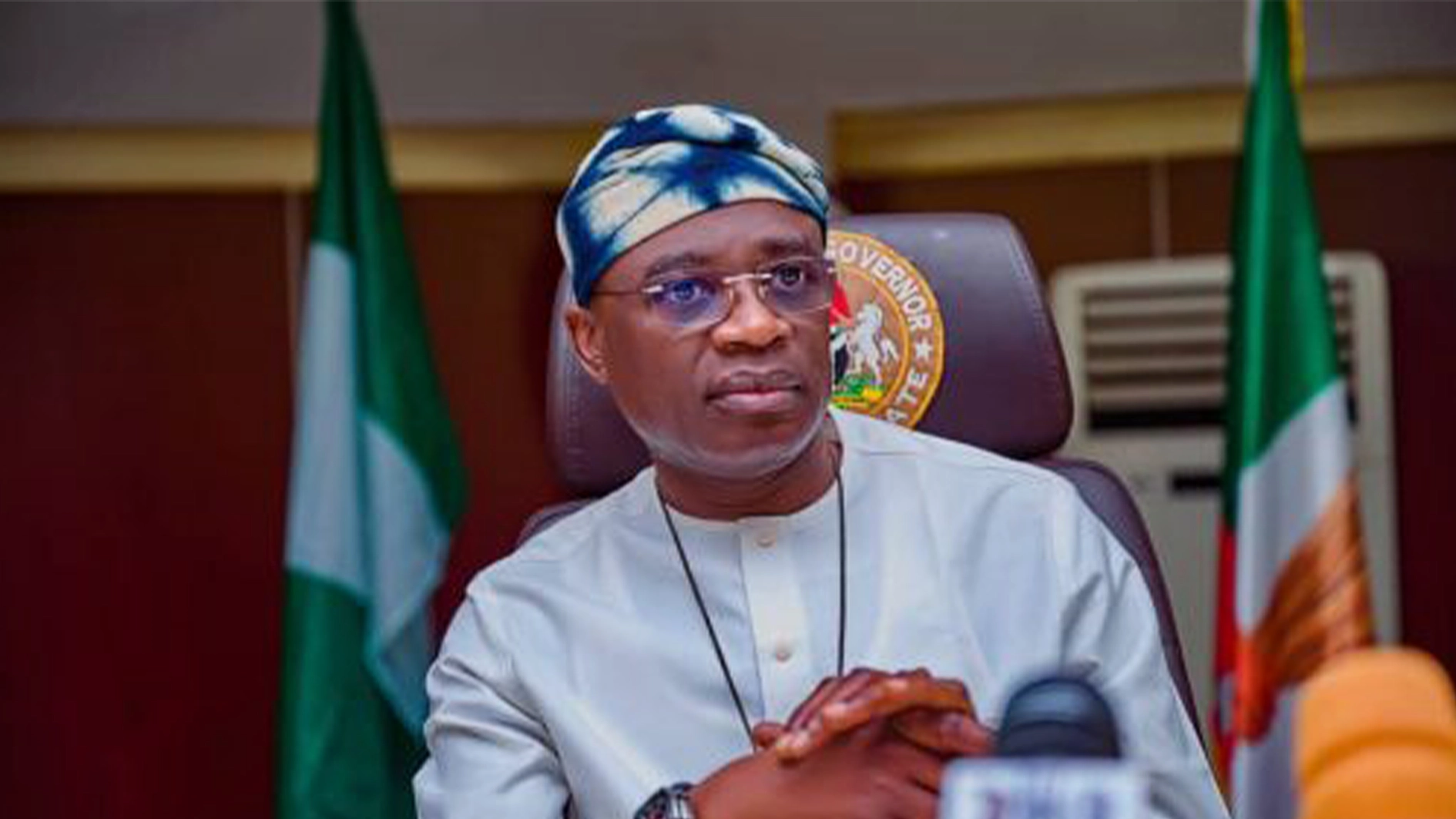
By Daniel Gbabo Anyam
As political activities gradually gather momentum ahead of the next election cycle, the conversation around internal democracy within political parties has once again taken center stage. In Benue State, this discourse is being shaped significantly by the leadership posture of Governor Hyacinth Alia, whose approach to the forthcoming primaries of the All Progressives Congress (APC) is already drawing attention.
At the heart of Governor Alia’s position is a clear and unambiguous commitment to democratic principles—anchored on what may be described as four critical axes: leadership responsibility, legitimacy of process, inclusiveness of participation, and credibility of outcomes. These pillars, are what Governor Alia faithfully want to see implemented, which could redefine the internal dynamics of the APC in Benue State and present as a standard for even future direct primary elections.
This position was reaffirmed by the Vice Chairman of APC North Central. Hon. Muazu Bawa during the Benue State APC stakeholders reconciliation meeting held at the New Banquet Hall of Government House, Makurdi. Bawa said that the National secretariat of the APC has already adopted direct mode of primary election in Benue State and a credible team will be dispatched to carry out the assignment.
Again as the recognized leader of the APC in the state, Governor Alia occupies a strategic position in shaping the tone and direction of the party’s primary elections. However, rather than wielding this influence to determine outcomes, he appears intent on creating a system where the will of party members prevails. This is a significant departure from a political culture where party hierarchies often impose candidates, sometimes at the expense of grassroots consensus.
The Governor’s insistence that APC card-carrying members should be the ultimate decision-makers reflects a deep appreciation for participatory democracy. It signals a deliberate effort to return power to the grassroots—the very foundation upon which political legitimacy is built. In practical terms, this means that aspirants for various offices, including the governorship, will have to engage directly with party members and earn their mandate through transparent competition.

Perhaps more noteworthy is Governor Alia’s personal example. Having emerged as the party’s candidate in 2023 through a direct primary, he is repeatedly willing to subject himself once again to the same rigorous and open process. Despite the open and loud endorsement of the Secretary to the Government of the Federation, Sen. George Akume. This stance sends a powerful message: that no office holder, regardless of status, should be insulated from the test of popularity within the party. Elected members both at the national and state level should account for their stewardship while those willing to contest should tell the party faithfuls what they intend to do differently. It is a position that reinforces trust and confidence among party faithful.
This approach also extends to other elective positions across the state. By committing to a level playing field for all aspirants, the Governor is not only promoting fairness but also strengthening the party’s internal cohesion. When candidates emerge through credible processes, they are more likely to enjoy widespread acceptance, thereby reducing post-primary grievances and factional disputes that have historically weakened political parties.
However, this position has not been without contrasting views. Notably, the respected party leader of North Central and Sen. George Akume has reportedly expressed support for the idea of granting automatic tickets to serving members of the National Assembly and State Assembly under the APC platform in Benue State. Proponents of this approach argue that it rewards loyalty, ensures continuity, and protects incumbents from unnecessary political battles.
The arguments and prayers of Senator George Akume who is the Secretary to the Government of the Federation, are absolutely respected as the words of an elder and mediator intent on brokering peace. But while heeding the counsel of Akume, it would be expedient to balance up with the mileage covered by those he advocates automatic tickets for. Most of them are not in sinc with the current reality about their constituents and the constituents are already chanting new songs.
While such arguments may hold some merit, they also raise fundamental questions about fairness and equal opportunity. Automatic tickets, by their very nature, can limit competition and discourage new entrants, thereby narrowing the democratic space within the party. In contrast, Governor Alia’s stance emphasizes that every aspirant—incumbent or newcomer—should earn the confidence of party members through a transparent process.
The implications of this divergence in viewpoints are significant. On one hand, the party must balance respect for experienced leaders and office holders; on the other, it must safeguard the democratic ideals that underpin its legitimacy. In navigating this delicate balance, Governor Alia’s approach as a priest and democrat appears to lean decisively toward inclusiveness and accountability.
Beyond the immediate context of party primaries, this will signal a clear departure from the hitherto perceived fragmented APC structure in Benue state and makes the Governor’s position carries broader political significance. In a country where internal party democracy is often contested, a credible and transparent primary process in Benue State could serve as a model for reform. It could also enhance the APC’s public image, portraying it as a party that practices what it preaches when it comes to democratic governance. This will signal a clear departure from the hitherto perceived fragmented
Moreover, empowering party members to determine proper zoning arrangements and candidates is likely to energize the grassroots base. When individuals feel that their voices matter, they are more inclined to participate actively in the political process—not only during primaries but also in general elections. This heightened engagement could translate into stronger electoral performance for the party.
Ultimately, the success of this approach will depend on its implementation. Clear guidelines, transparent procedures, and effective oversight will be essential to ensure that the process lives up to its promise. This will mean that the all serving National Assembly and State Assembly Members will defer to the views of constitutional democracy and be in alignment with the approach of Governor Alia. Any perception of bias or manipulation could undermine the very principles the Governor seeks to uphold.
For now, however, the signals from Benue State are encouraging. Governor Alia’s commitment to a fair, inclusive, and credible primary process reflects a forward-looking vision for the APC—one that prioritizes unity, legitimacy, and grassroots empowerment over expediency.
As the political season unfolds, all eyes will be on Chief Benjamin Omale, the APC Benue State Chairman to see how these ideals are translated into action, considering the peace accord entered into by the APC leaders in the state. If successfully executed, the state could well become a reference point in Nigeria’s evolving democratic journey—demonstrating that internal party democracy is not only possible but also beneficial for sustainable political development and peace, as meetings are respected.
Gbabo Anyam, Principal Private Assistant (PPA), to the Executive Governor of Benue State on Due Process Government House Administration.

