 Follow Us on Google News
 Follow Us on Google Discover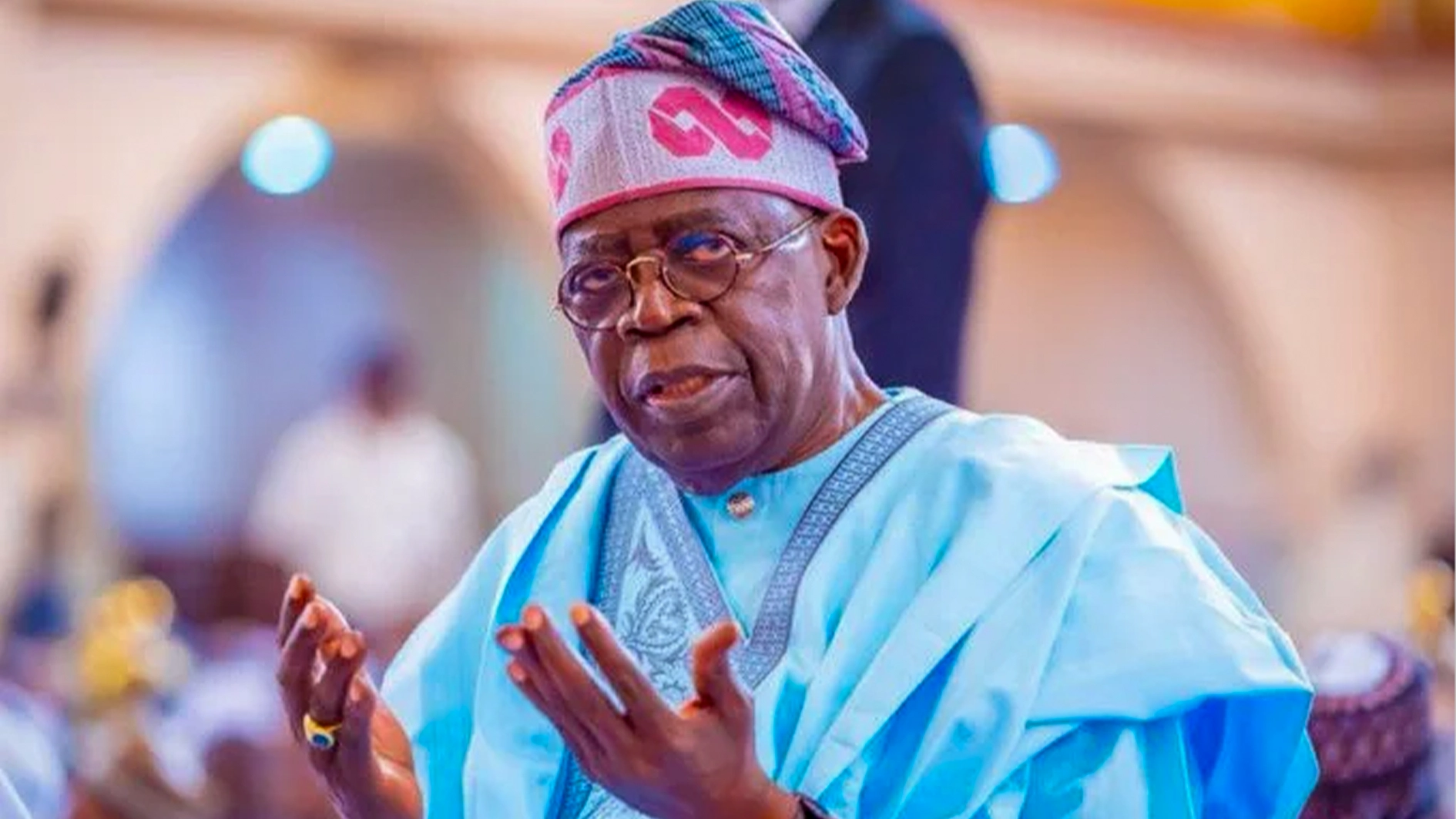
By Sunday Ayodele Enikanselu
The intensifying geopolitical confrontation involving Iran, Israel, and the United States has once again unsettled the global oil market, pushing crude prices upward and reinforcing a hard truth: oil price volatility is no longer a distant economic variable—it is an immediate and disruptive force with direct consequences for domestic economies.
For Nigeria, this reality presents a critical policy moment. At a time when the administration of President Bola Ahmed Tinubu is pursuing far-reaching economic reforms, the nation cannot afford the destabilising effects of an uncontrolled surge in fuel prices. The transmission of global oil shocks into the domestic economy—without strategic buffering—poses significant risks to inflation control, business sustainability, and overall social stability.
Fuel price increases in Nigeria do not operate in isolation. They trigger a chain reaction across transportation, food supply, manufacturing, and household welfare. The result is a broad-based escalation in the cost of living, erosion of purchasing power, and mounting pressure on citizens already adjusting to ongoing economic reforms. Left unmanaged, such volatility could undermine policy gains and weaken public confidence at a delicate stage of national economic recalibration.
However, global experience offers a clear pathway. Across major oil-producing nations, domestic fuel markets are not left entirely at the mercy of international price fluctuations. Countries such as Saudi Arabia, Kuwait, the United Arab Emirates, Algeria, Libya, and Venezuela have consistently adopted strategic pricing mechanisms that prioritise domestic economic stability.
By supplying crude oil to local refineries at moderated or policy-driven prices, these countries effectively insulate their internal economies from external shocks while maintaining competitiveness in export markets.
The lesson is straightforward: no nation serious about economic stability fully exposes its domestic energy ecosystem to volatile global pricing without strategic safeguards.

Nigeria is uniquely positioned to adopt a similar model, particularly with the operational emergence of the Dangote Refinery and the central role of the Nigerian National Petroleum Company Limited (NNPCL). This evolving domestic refining capacity presents an unprecedented opportunity to design a dual-track pricing framework that balances national interest with commercial viability.
Under such a framework, crude oil can be allocated to domestic refineries at a carefully determined, moderated price strictly for local consumption, while refined products destined for export continue to reflect full international market pricing. This approach ensures that Nigerians benefit from relative price stability without compromising the profitability and global competitiveness of local refining operations.
Critically, this arrangement must be underpinned by a robust and transparent governance structure. The engagement between the Federal Government, NNPCL, and private refining entities such as the Dangote Refinery must be governed by airtight contractual terms, real-time monitoring systems, and strict compliance mechanisms. There must be zero tolerance for diversion, arbitrage exploitation, or institutional leakages that could undermine the integrity of the system.
At this pivotal stage of Nigeria’s development trajectory, the adoption of a strategic fuel pricing framework would yield multiple benefits. It would stabilise domestic fuel prices, curb inflationary pressures, support industrial productivity, and reinforce public confidence in government policy direction.
More importantly, it would demonstrate proactive leadership in navigating global uncertainties.
The current Middle East crisis is a stark reminder that global oil markets will remain volatile, shaped by forces far beyond Nigeria’s control. What remains within our control, however, is how we respond.
President Tinubu stands at a defining moment to transition Nigeria from a position of vulnerability to one of strategic resilience. Managing fuel prices intelligently is not a retreat from reform—it is a refinement of reform, aligned with national realities and global best practices.
In times of global instability, the strength of leadership is measured not by passive adherence to market forces, but by the capacity to shape outcomes in the national interest.
Nigeria must act—and act decisively.
Prof. Enikanselu (retired), wrote from Lagos.

