 Follow Us on Google News


 Follow Us on Google Discover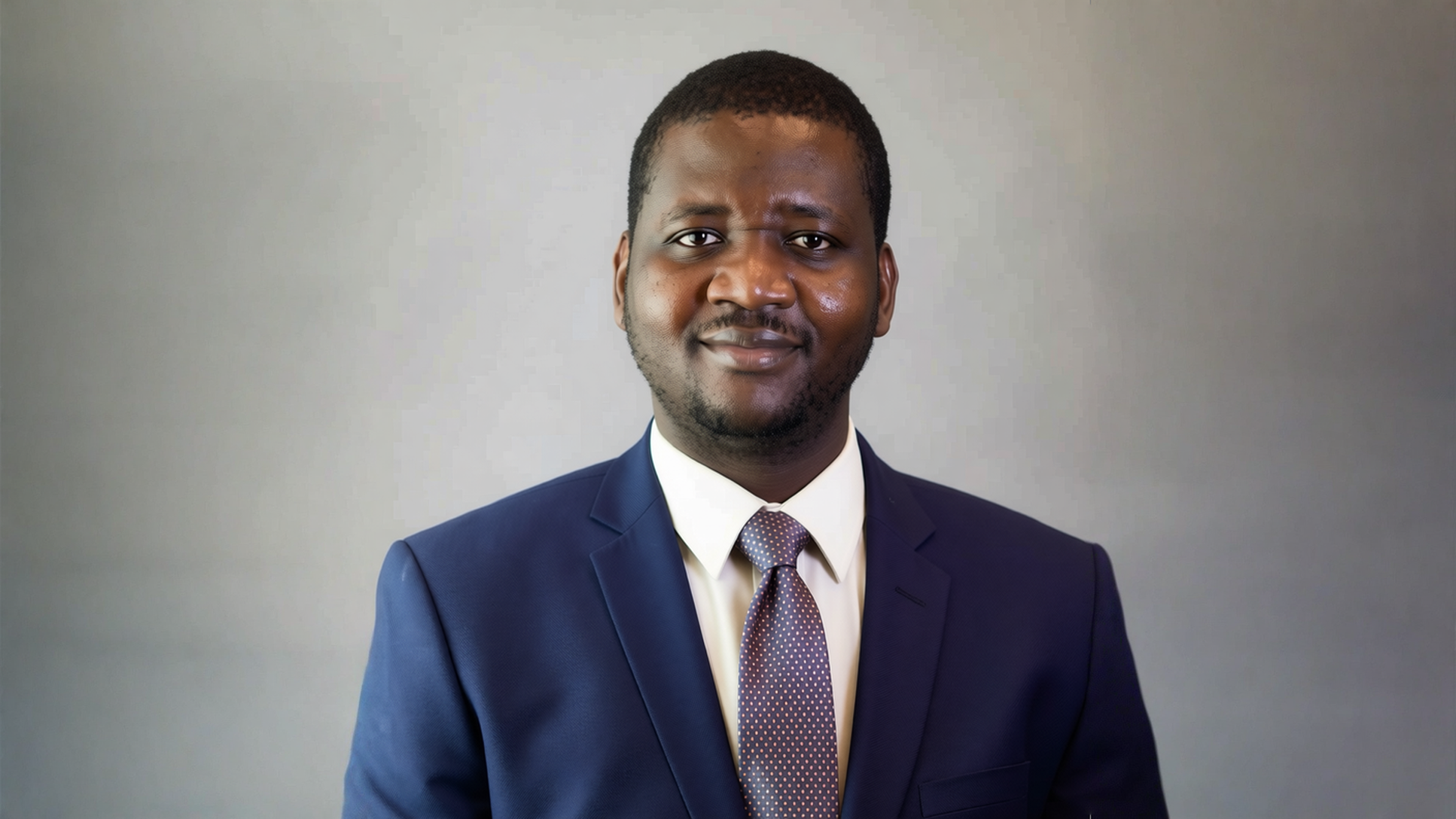
There is always a sense of pride for the African continent when a Nigerian scholar embarks on international shores and shines bright. Ohireime Ojeomogha’s achievement in the United States is not just another mere accolade to collect; it serves as a crucial, albeit slightly uncomfortable, reflection on the disparities that allow some to rise above crises while others falter.
His groundbreaking research presentation titled, “Who Bounces Back? Racial/Ethnic Differences in Household Financial Resilience,” effectively puts a scientific lens on what many of us feel intuitively: while the economic turmoil may batter us all, the vessel we navigate through the storm varies significantly based on our backgrounds.
The research presentation earned him the top prize winner at the 2025 Arts & Humanities Graduate Research Conference hosted by Texas Tech University, United States. The feat is being celebrated as a significant contribution to the global discourse on economic equity.
In a world still grappling with the volatile aftershocks of global inflation and shifting market dynamics, the research offers a piercing look into the structural and behavioural blueprints that allow certain households to survive, and thrive, after financial shocks while others struggle to recover.
By clinching the award at a renowned institution like Texas Tech University, the Nigerian born doctoral student has not only brought honour to Nigeria but has also solidified his standing among the elite thinkers in the field of financial planning and consumer economics.
His research explores a sobering reality: in many societies, your race or ethnic background can strongly shape how quickly you recover from financial shocks like job loss, medical bills, or sudden inflation.
In such contexts, historical discrimination, unequal access to quality education, credit, housing, and secure jobs mean that some racial and ethnic groups consistently rebuild their finances faster than others, while marginalized communities are left more exposed and slower to recover. When highlights that when a crisis hits, it does not hit neutral ground—pre‑existing inequalities often decide who bounces back and who remains trapped.
Ojeomogha’s findings show that financial resilience is not evenly distributed: some racial/ethnic groups are far better positioned to withstand and recover from shocks, not because they work harder, but because they have more stable incomes, better access to financial tools, stronger safety nets, and more supportive environments. In other words, the same economic storm does not treat everyone equally; race and ethnicity often determine who can stay afloat and who is pushed under.

Viewed from Nigeria’s context, the impact of this work is twofold. First, it exposes how deeply race and ethnicity can shape economic life in other countries, and why Nigerians can genuinely be grateful not to live under a rigid Black–white racial order.
Second, it offers a roadmap: if Nigeria focuses on strengthening financial capability and advancing equity across ethnic, regional, and class lines, it can avoid reproducing the same entrenched gaps in “who bounces back”.
From a financial perspective, Ojeomogha’s research work reveals a layered problem. It is not only about how much households earn, but about the cushions they can draw on: savings, family wealth, social networks, access to fair loans, and trust in institutions. In many countries, these cushions are unequally distributed along racial and ethnic lines, turning race into a powerful predictor of resilience.
The same shock, a recession, a pandemic, a currency crisis, can be a temporary setback for one group and a multi‑year derailment for another. That is why researchers, policymakers, and advocates increasingly treat financial resilience as both an economic and a racial‑justice issue.
For Nigerians, this conversation offers a different kind of reflection. Nigeria has deep and complex cleavages, ethnic, religious, regional, and class, but it has not been organised around a codified Black–white racial hierarchy in the way the United States and some other societies have been.
In that narrow sense, we can genuinely thank God that Nigeria does not live under the same formalized race system that has historically locked entire racial groups out of opportunity elsewhere. It spares us from one of the most rigid and painful structures of inequality the world has known.
Yet the lesson of “Who Bounces Back?” is also a warning. The fact that Nigeria does not have a race problem in the classic Western sense does not mean we are free from structural barriers to financial resilience. If we are not careful, ethnicity, region, religion, and class can function in practice the way race does elsewhere, shaping who gets quality education, who accesses capital, who secures stable employment, and who has the buffers needed to withstand shocks.
The real opportunity for Nigeria is to learn from the racialized financial gaps seen abroad and intentionally build a system where, regardless of background, Yoruba, Igbo, Hausa, minority groups, Christian, Muslim, rich or poor, households have a fair chance not just to survive crises, but to bounce back from them.
As Nigeria continues to export talent and ideas to the world, Ojeomogha’s achievement is more than a personal milestone; it is a reminder that Nigerian voices are shaping critical conversations on race, inequality, and financial resilience far beyond our borders.
His work stands as an inspiration to young scholars at home, a call to invest more boldly in research, and a powerful signal that when Nigerian brilliance is given room to thrive, it competes, and wins, on the very highest stages.

