 Follow Us on Google News
 Follow Us on Google Discover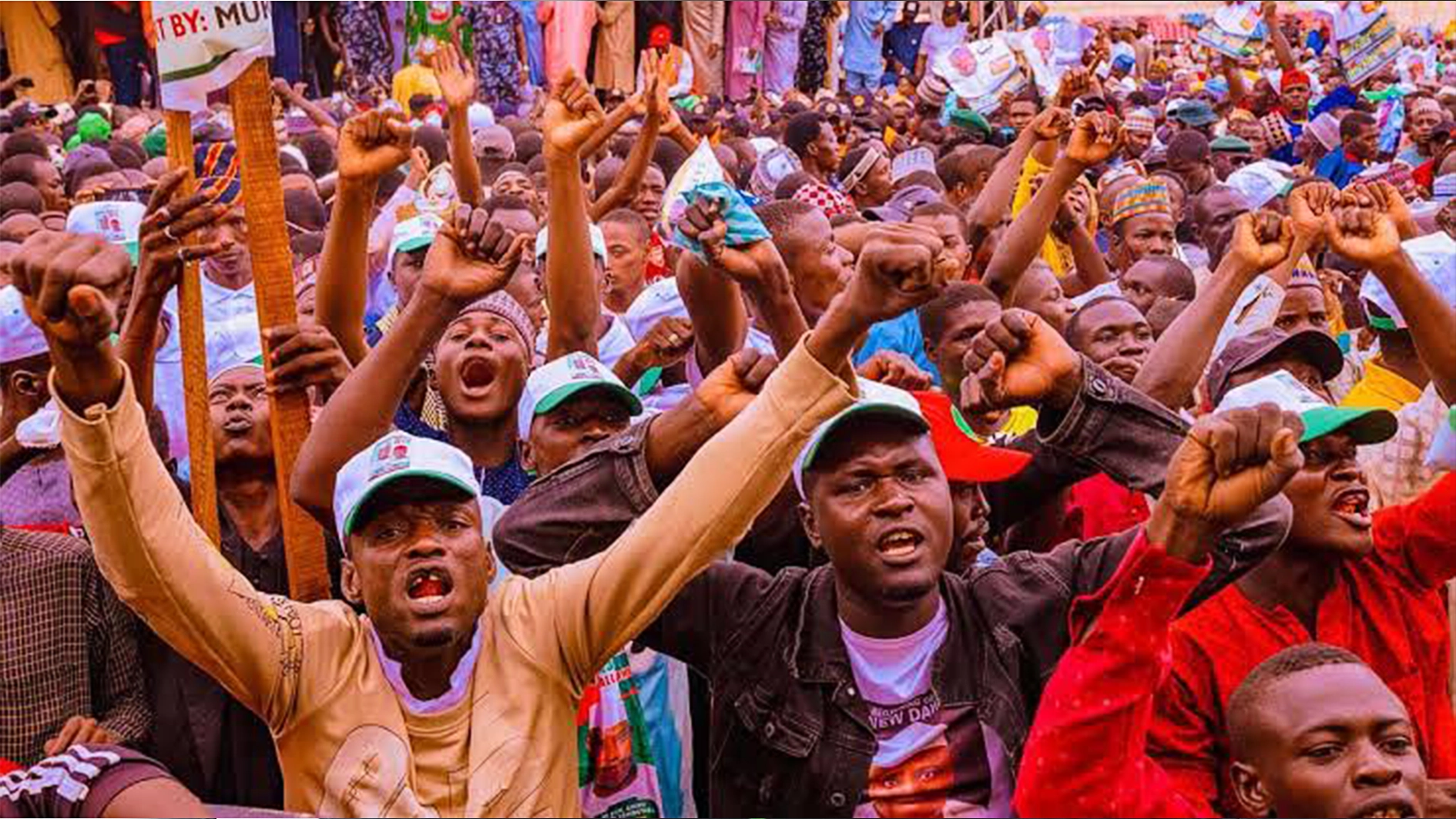
By Tobiloba Ahmed
Sir: As the world commemorates International Youth Month, it is imperative for different agencies of government to be alive to their responsibilities by ensuring that the youth are adequately equipped with the necessary skills. They should also ensure that they create an enabling environment that will help young people to harness their potential.
In Nigeria, Africa’s most populous country, youth restiveness has been a major cause for concern, which has hampered the growth and development of our economy, with its resultant effects. Nigeria, being the most populous country in Africa, has a very large and youthful population. This youthful population is an important asset to the country because young people have the energy, creativity, skills and potential to contribute significantly to national development.
However, when young people face unemployment, poverty, insecurity, lack of opportunities, poor governance, political exclusion and inadequate social support, they may become frustrated and dissatisfied. This frustration can sometimes result in youth restiveness.
Youth restiveness has serious consequences for Nigeria’s social, political and economic development. One major impact is the loss of lives and destruction of property. Violent protests, clashes, communal conflicts and other forms of unrest can result in injuries and deaths. Public and private properties such as businesses, vehicles, schools, roads and government buildings may also be damaged or destroyed.
Such destruction creates additional financial burdens because the government and individuals have to spend large amount of money replacing or repairing damaged facilities.
It can also negatively affect the Nigerian economy. When an area experiences frequent unrest, businesses may find it difficult to operate effectively. Some investors may become discouraged from investing in such areas because of concerns about insecurity and the safety of their investments. Existing businesses may also close down or relocate, leading to loss of employment and income. This can worsen poverty and unemployment among young people and create a cycle in which unemployment contributes to restiveness, while restiveness further reduces employment opportunities.
Furthermore, youth restiveness can lead to the disruption of education. When schools are located in areas affected by violence, protests or insecurity, students may be unable to attend classes safely.
Schools may be temporarily closed, examinations may be disrupted, and students may lose valuable learning time. Prolonged disruption of education can affect the academic performance and future opportunities of young Nigerians.
Youth restiveness also contributes to insecurity and fear within communities. Residents may become afraid to move freely, conduct businesses, attend school or participate in community activities. In areas where unrest becomes severe, families may be forced to leave their homes and relocate to safer places. This can lead to displacement, loss of property and disruption of people’s livelihoods.
The political consequences can also be significant. Nigeria has a large population of young people who are excluded from political participation or believe that their concerns are being ignored. Peaceful protests and civic participation are useful ways of expressing these concerns, but when protests become violent, they can lead to political tension, conflict and distrust between citizens and government institutions.
Youth restiveness has caused further damage and has also hampered the image of our country internationally. Persistent reports of violence, insecurity and social unrest have influenced how foreign investors, tourists and international organisations view our country. This has reduced the confidence the international community has in our economy, making it more difficult to attract foreign direct investment.
In other words, youth restiveness has left many young people unemployed, frustrated and without meaningful opportunities, making them more vulnerable to gangsterism and other negative influences.

Youth restiveness can be associated with vandalism, cultism, gang activities, drug abuse and other forms of criminal behaviour. However, it is important to emphasise that being unemployed does not make a young person a criminal. Most Nigerian youths are peaceful and law-abiding.
Youth restiveness can also put pressure on government resources. The government may have to spend substantial amount of money on security operations, rebuilding damaged infrastructure and assisting communities affected by violence. Money that could have been invested in education, healthcare, employment creation, infrastructure and youth empowerment may instead be diverted towards managing crises.
In addition, persistent unrest can weaken social relationships and create distrust among different groups in society. It can increase tension between young people and government authorities, security agencies and community leaders. Where unrest becomes associated with ethnic, religious, political or regional divisions, it can deepen existing social conflicts.
The problem can also contribute to migration and brain drain. Young Nigerians who feel that they have limited opportunities or cannot live safely may seek better opportunities in other countries. When highly educated and skilled young people leave Nigeria, the country loses valuable human resources that could have contributed to economic growth, technological development and innovation.
Despite these negative effects, youth activism itself should not be viewed entirely as a problem. Young people have an important role to play in any democracy and national development. Peaceful protests, civic engagement, journalism, advocacy and community participation can help draw attention to problems and encourage the government to respond to citizens’ needs. The real challenge arises when legitimate grievances develop into violence, destruction and criminal activities.
Therefore, tackling youth restiveness in Nigeria requires addressing its root causes. The government should create more employment opportunities, improve the quality of education, promote skills acquisition and entrepreneurship, strengthen security, fight corruption, improve good governance and provide young people with opportunities to participate meaningfully in decision-making. The private sector, schools, families, civil society organisations and young people themselves also have important roles to play.
Youth restiveness can have far-reaching effects on Nigeria’s development. It can lead to loss of lives, destruction of property, economic losses, unemployment, insecurity, disruption of education, political instability, migration and damage to the country’s image.
However, Nigeria’s large youthful population can become a major strength if young people are provided with education, employment, skills, security and meaningful opportunities. Instead of seeing Nigerian youths only as a source of unrest, the country should see them as important partners in building a peaceful, prosperous and developed Nigeria.
There is an urgent lacuna rearing its ugly head before us if different agencies of government do not address the issue of youth restiveness and its resultant effects, which have contributed to social and economic challenges in the country.
I believe Mr President has the best interests of the Nigerian youth at heart, and his favourable reforms and policies would provide better opportunities that could help develop the potential and talents of our young and talented minds. Bearing in mind the mantra of the President’s Renewed Hope Agenda, Nigeria shall be great again.
Tobiloba Ahmed, public affairs writer, can be reached via [email protected]

