 Follow Us on Google News
 Follow Us on Google Discover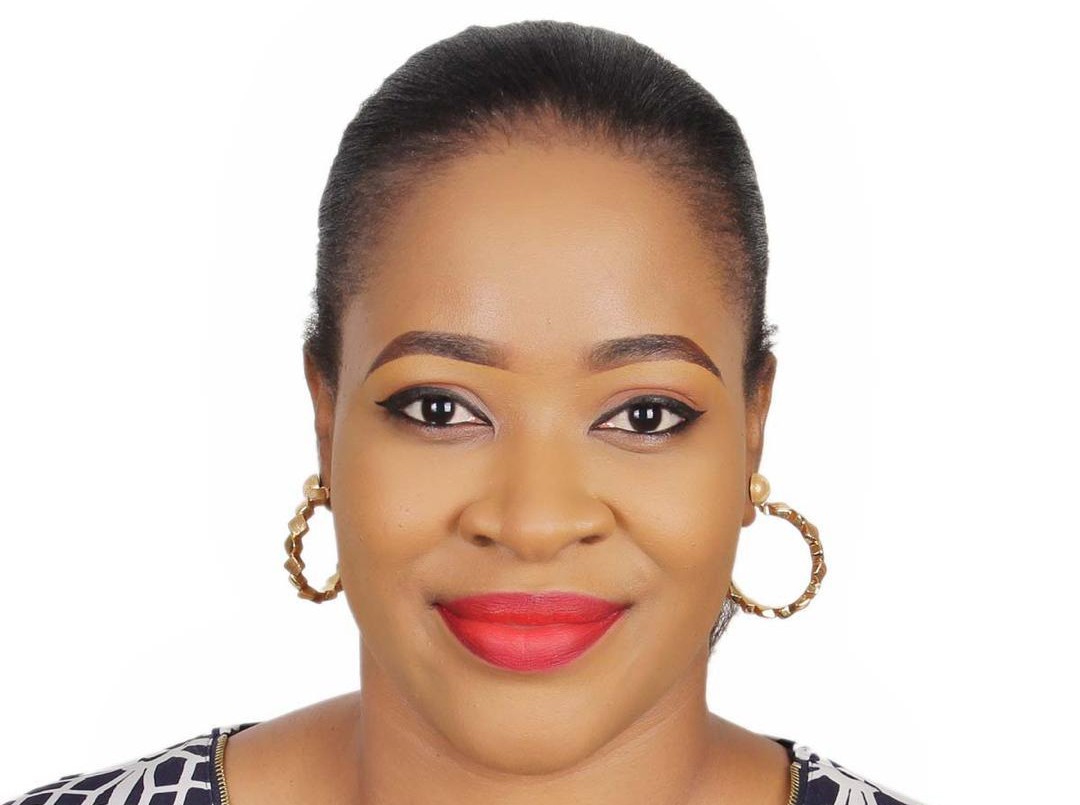
In a small town in Northeastern Nigeria, a mother walks a few kilometres to reach the nearest primary health centre, only to find it closed or partially operational due to a shortage of staff, power outage or lack of basic medical equipment, among others. In another part of Southwestern Nigeria, a private clinic in Lagos offers quality maternal care but at a cost far beyond the reach of most families living within walking or commuting distance to the facility. These two worlds exist side-by-side, highlighting a truth we can no longer ignore: public health services are stretched thin, and millions are falling through the cracks.
But what if the resources to fix these problems already exist, just not where we’ve been looking? Today, Nigeria and many of its African peers face a defining challenge: how to finance health care for growing populations in the face of stagnant government budgets and declining donor support. The traditional model, government-led and donor-supported structure, is no longer enough and alarmingly unsustainable. If we are serious about achieving Universal Health Coverage (UHC), we must innovate. And that means looking to a growing opportunity: blended finance.
Blended finance, which is a smart way of using limited public or donor funding to attract private investment into sectors that are traditionally considered “too risky” for commercial investors, like health, education, or agriculture. It works like this: a donor or government puts some money on the table (often called “catalytic capital”) and uses it to reduce the risk for private investors. This could mean guaranteeing part of a loan, co-investing in a project, or even subsidising some costs. In return, private players bring in much larger sums of money and expertise.
In a country like Nigeria, where public health centres are often underfunded and poorly equipped, this approach could be transformational. Imagine a scenario where a local bank, backed by a partial risk guarantee from a development partner, provides affordable loans to upgrade rural clinics. Or where a health-tech start-up designing diagnostic tools for low-income communities receives funding through a public-private investment fund. Or a private logistics firm is contracted to handle drug distribution to health centres, improving efficiency and saving lives. These are not pipe dreams. They are real, implementable solutions already in motion in parts of East Africa, Asia, and even within some Nigerian pilot programs.
Here’s the truth: Nigeria spends less than 5% of its GDP on health, one of the lowest in the world. And despite signing the Abuja Declaration nearly two decades ago, committing to allocate 15% of the national budget to health, we still hover around 4–5% in actual average spending. Meanwhile, donor funding, once a lifeline, is shrinking as global priorities shift and middle-income countries are expected to fund more of their own development.
The private sector in Nigeria is massive, innovative, and looking for bankable opportunities. According to the Nigerian Investment Promotion Commission (NIPC), the country attracted over $9 billion in private capital in 2018 alone, most of it into sectors like oil and gas, telecoms, and infrastructure. Yet health, despite being a fundamental human need and a potential engine for inclusive growth, remains largely ignored. This is a missed opportunity. Health is not just a cost; it is a catalytic investment. Healthy populations are more productive, children attend school more consistently, and economies grow faster. A 2018 Lancet Commission report showed that every $1 invested in health yields up to $10 in economic return. We cannot afford to ignore that any longer.

Although the bitter reality is that blended finance is not magic. It requires deliberate action. First, governments must create an enabling environment. That means transparent regulation, enforceable contracts, and investment-friendly health policies. Public-private partnerships (PPPs) should not just exist on paper; they must be actively managed and strategically designed.
Second, we need well-prepared health investment pipelines. Too many promising ideas never attract funding because they are not structured to meet investor expectations. This is where intermediaries such as development banks, foundations, or specialised investment vehicles can step in to de-risk projects, provide technical assistance, and match public priorities with private incentives.
Third, civil society and the public must be involved. Blended finance must serve people, not just profits. Projects must be inclusive, ethical, and designed to close inequality gaps, not widen them. Safeguards must be in place to ensure that health services remain affordable and accessible to all, especially the poor and vulnerable.
Africa is not starting from scratch. Health Promotion Groups across the continent are raising funds, blending philanthropic and private capital to scale health innovations across Africa. In Nigeria, health pilot initiatives are beginning to use performance-based financing models that could attract private actors into supply chains and data systems. Lagos State has explored private investment in private ambulance services and diagnostic centres, freeing up public funds for core care delivery. Internationally, the Global Financing Facility (GFF) is using blended finance to support maternal and child health programs in countries including Nigeria, leveraging donor funding to unlock domestic and private sector commitments.
It’s time to stop pretending that health care can be financed with public money alone. It’s also time to move beyond handouts and start building real partnerships with the private sector. The future of health in Nigeria and across Africa depends on our ability to be innovative, bold, and collaborative. We cannot wait for perfect conditions. The lives of millions depend on the systems we build today. Blended finance is not the only solution, but it is a powerful tool we have yet to fully embrace. And in a world where needs are rising and resources are constrained, it offers a path forward that combines scale, sustainability, and shared value.
We owe it to our people to seize this moment. To the policymakers, development bankers, philanthropists, and community leaders reading this: the time for action is now. Let us mobilise private capital not just for profit but also for public good.
Ms. Oyarekhua is a Health Systems Financing and Implementation Expert, with over a decade of experience supporting governments, donors, and development partners across Sub-Saharan Africa.

