 Follow Us on Google News


 Follow Us on Google Discover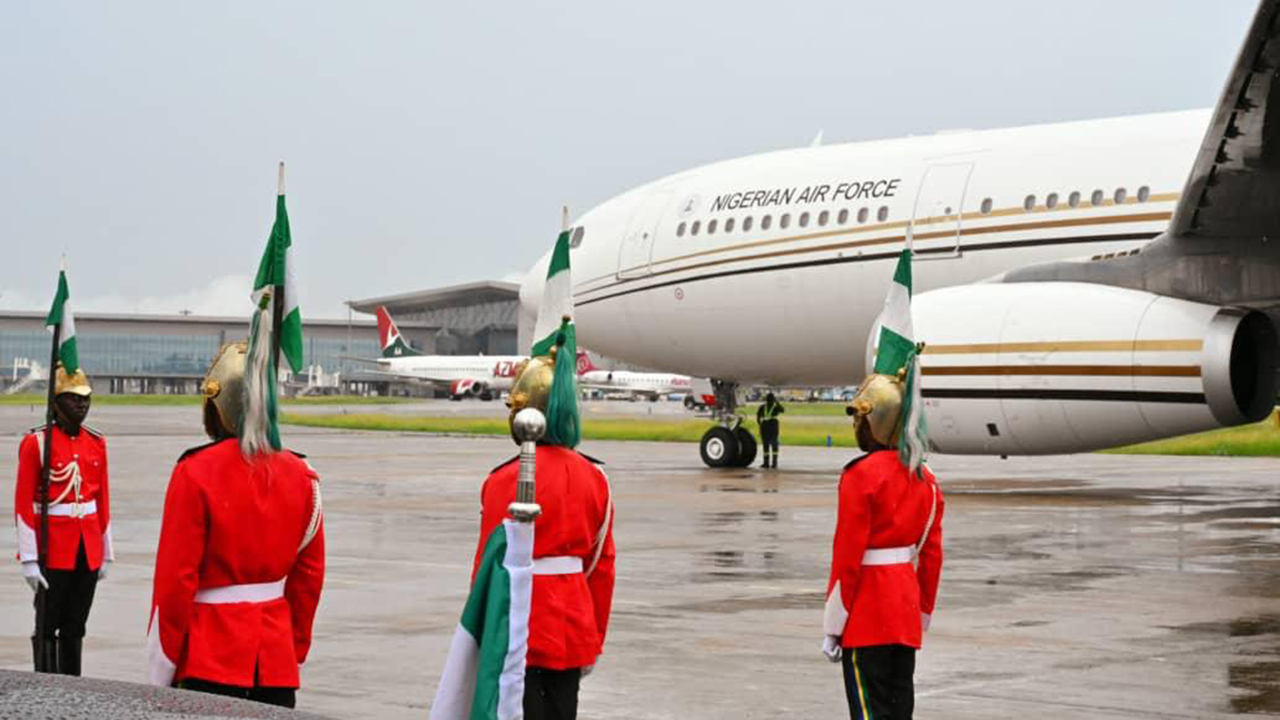

The presidential jet is more than just a means of transportation; it is a symbol of national pride and identity. Serving as the foremost flag carrier, it transcends the functionality of ferrying the nation’s leader from one location to another.
[ad]
The jet stands as a mobile representation, a visual ambassador that conveys any country’s image wherever it travels. Unfortunately, the newly acquired Nigerian presidential jet, an Airbus A330 aircraft, falls short in this regard, particularly in its branding, which fails to meet the standards expected of such a significant national symbol.
The Presidential Jet: A Symbol of National Pride
In many countries, the presidential jet is a carefully curated symbol of national pride. It carries the weight of a nation’s identity, culture, and aspirations. When it soars through the skies or sits on a tarmac, it is not merely a plane; it is a statement. The jet should embody the essence of the nation it represents, with its design, colors, and insignia speaking to the world about the country’s heritage and values.
Examples from around the globe highlight the importance of this symbolism. The United States’ Air Force One is instantly recognizable with its blue and white color scheme and the bold “United States of America” inscription. Russia’s presidential jet, with its distinct national colors, projects power and authority. Similarly, the presidential planes of China, Japan, Canada, Ghana, Senegal, and others are carefully branded to reflect their countries’ national colors and symbols, leaving no doubt about the identity of the nation they represent.
The Nigerian Presidential Jet: A Missed Branding Opportunity
The newly acquired Nigerian presidential jet, while functional and adorned with the insignia of the President and the Nigerian Air Force, misses the mark in terms of its visual representation of Nigeria. The color scheme, in particular, does not align with the national colors that should proudly adorn the aircraft. The plane’s design fails to convey the vibrant identity of Nigeria, a nation rich in culture, history, and diversity.
[ad]
In aviation, and particularly in the context of a presidential jet, branding is paramount. It is not enough to merely have the insignia of the President or the military emblazoned on the vertical stabilizer or the Nigerian Air Force inscribed on the fuselage. The entire aircraft must exude the spirit of the nation it represents. The colors, stripes, and overall design should be unmistakably Nigerian, leaving an indelible impression on anyone who sees it.
The need for immediate action
The inadequacies in the branding of this new jet are a significant oversight that must be addressed. President Bola Tinubu (and the head of the presidential fleet), in his capacity as the nation’s leader, must take urgent steps to rectify this issue. The current design must be revisited, and adjustments should be made to ensure that the aircraft truly reflects Nigeria’s national identity.
This is not merely a matter of aesthetics but of national pride. The presidential jet, as the number one flag carrier, should set the standard for all other national symbols, including the national airline and military aircraft. It must be a source of pride for Nigerians and a powerful statement to the international community about the strength and unity of the nation.
[ad]
The addition of the A330 jet takes the Nigerian presidential fleet to 11, including planes and helicopters, although the others were inherited from past governments and three of the older ones have been put on sale.

Conclusion
The branding of Nigeria’s new presidential jet is a missed opportunity to showcase the nation’s identity on the global stage. While the insignia of the President and the Nigerian Air Force are visibly displayed on the new jet, the lack of a cohesive and representative color scheme is a glaring flaw that undermines the jet’s role as a national symbol. The precedent set by the branding of previous jets in the presidential fleet should not be abandoned. Immediate action is needed to correct this oversight before it becomes a permanent anomaly. The jet must be a true representation of Nigeria, proudly displaying the national colors and symbols for all to see, whether it is flying thousands of feet above the ground or parked on a foreign tarmac.
Those in charge of this important national symbol must ensure that it meets the standards expected of such a vital representation of Nigeria. The time to fix this is now, before the opportunity to present a proud image of Nigeria to the world is lost. This is a call to fix this vital detail.
‘Bunmi Amosu is a communications, marketing, and media specialist with a keen interest in politics, policy, and public governance.
[ad]

