In the world of diplomatic decorum, candid conversations between world leaders are often as elusive as they are intriguing. It’s the kind of behind-the-scenes dialogue that adds a dash of unpredictability to international relations, giving us a glimpse into the unfiltered realities shaping our geopolitical landscape.
Recently, Ukrainian President Volodymyr Zelensky provided just such a rare peek behind the curtain, unveiling a series of grievances that not only pointed to tensions with Western allies but also cast a spotlight on Ukraine’s ongoing battle against corruption.
As we delve into the details of this unscripted exchange, the complexities of global politics and the internal challenges faced by Ukraine come into sharp focus. It makes an interesting reading as we navigate through the twists and turns of Zelensky’s revelation, exploring the delicate balance between diplomacy and domestic governance in the heart of Eastern Europe.
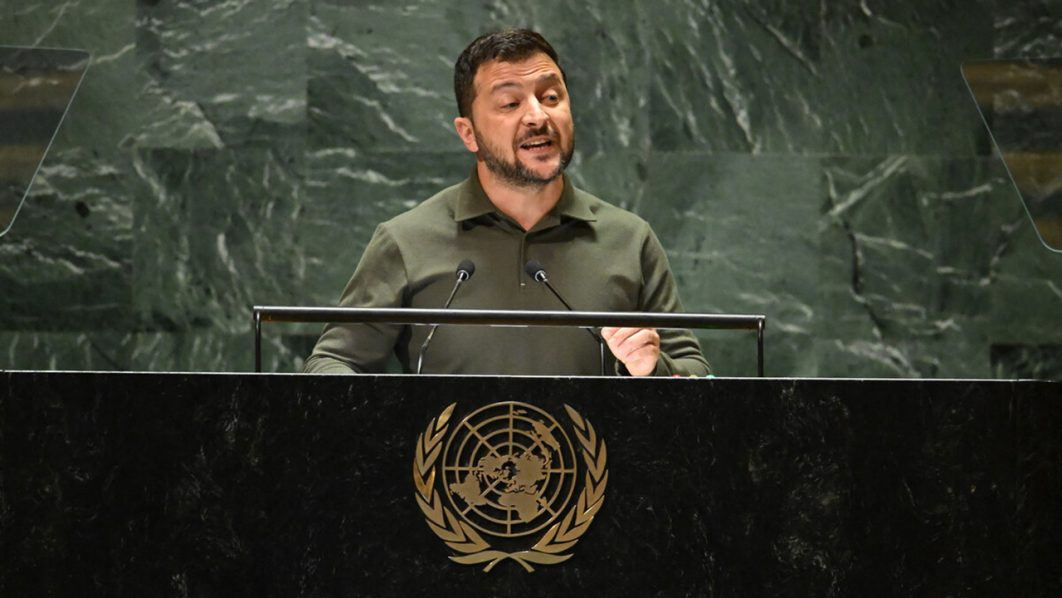
In a recent revelation, Ukrainian President Volodymyr Zelensky has laid bare a litany of grievances, exposing the strains in the relationship between Ukraine and its Western allies. The candid conversation not only highlighted Zelensky’s dissatisfaction with what he sees as inadequate support from Western nations but also hinted at deep-seated corruption issues within the Ukrainian administration.
One of the focal points of Zelensky’s frustration was directed at Poland’s leadership, as he accused President Andrzej Duda and Prime Minister Mateusz Morawiecki of falling short in supporting Ukraine. Zelensky criticized their restrictive policies on grain imports and their reluctance to address historical grievances, notably those surrounding Volhynia. The Ukrainian President’s discontent underscores the complexity of regional relationships and the challenges faced in fostering unity among Eastern European nations.
In the same vein, Zelensky voiced his concerns over the ambiguity surrounding Germany’s support, expressing dismay at what he perceives as Chancellor Olaf Scholtz’s wavering commitment. The lack of a clear stance from a key European player raises questions about the cohesion of Western support for Ukraine, leaving the nation in a precarious position as it grapples with internal and external challenges.
As Zelensky contends with seemingly declining popularity both domestically and among Western allies, it prompts speculation about the urgent need for a realignment of interests. The implications of this discord on Ukraine’s diplomatic relations are substantial, and concerns loom large over President Zelensky’s standing on the international stage.
The unravelling of these issues brings to fore the pressing need for a reassessment of strategies and priorities within Ukraine and its alliances. The delicate balance between navigating geopolitical complexities and addressing internal governance concerns is now more crucial than ever.
The international community must not overlook the nuances of this situation, as the stability of Ukraine and the strength of its alliances have broader implications for regional security and global diplomacy.
In conclusion, Zelensky’s unfiltered revelations serve as a wake-up call for Western allies to re-evaluate their commitment to Ukraine. Simultaneously, they highlight the urgency for the Ukrainian leadership to confront and address internal corruption issues.
The road ahead demands a careful and strategic recalibration of priorities, with the hope that this candid dialogue sparks a renewed commitment to stability, transparency, and collaboration in Eastern Europe. But the larger concern is when will the Russian Ukrainian war end as the world seems to have abandoned the theatre of war in the heart of Eastern Europe to pitch tent with the Hamas-Israeli war in Middle East.
Ms Tsidi, a commentator on international affairs wrote from Lagos.