 Follow Us on Google News


 Follow Us on Google Discover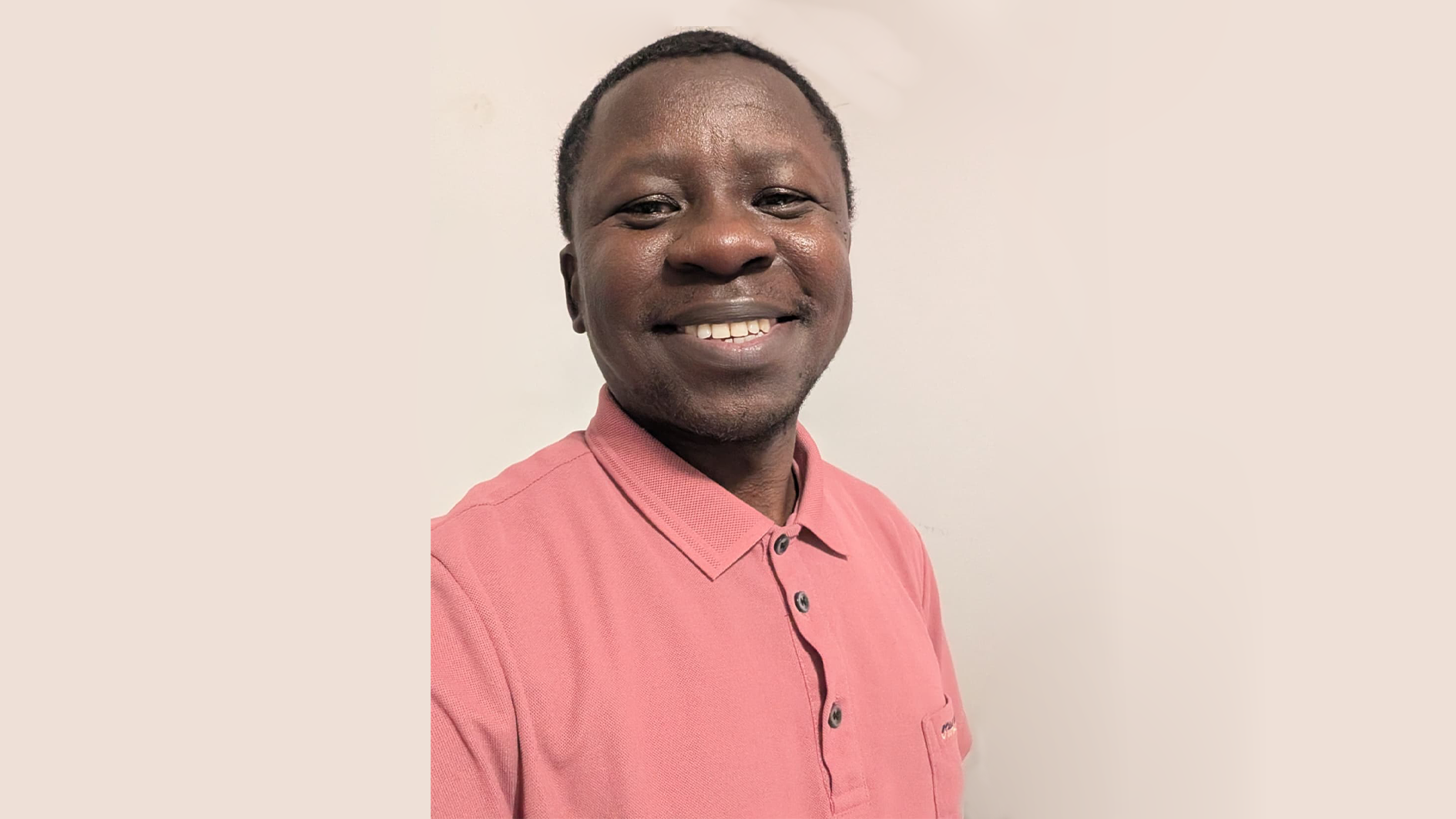
Akinsoji Francis Oni is a visual artist and art historian whose work explores the intersection of African visual culture, indigenous knowledge systems, and contemporary societal realities. His artistic practice engages deeply with themes of identity, emotional struggle, and human experience, using visual language to interpret complex psychological and social conditions. Through exhibitions such as his 2025 presentation at the Society of Nigerian Artists, featuring works like “Lonely Destination” and “Unknown Destination,” he has contributed to conversations on mental health, isolation, and resilience in Nigeria. His perspective informs this analysis on the role of art in addressing mental health challenges and fostering emotional well-being.
Nigeria is facing a growing mental health crisis that demands urgent and innovative responses. Across the country, rising economic pressures, social instability, and displacement have contributed to increasing levels of psychological distress. Reports indicate that Nigeria has one of the highest prevalence rates of post-traumatic stress disorder (PTSD) among internally displaced populations in Africa, with figures ranging between 62% and 94% in some studies. At the same time, access to mental health care remains severely limited, with only about 250 to 300 psychiatrists serving a population of over 200 million people. As a result, approximately 80% to 85% of individuals with severe mental health conditions do not receive adequate treatment.
This widening gap between need and access highlights a fundamental challenge: conventional healthcare systems alone are insufficient to address the scale and complexity of mental health issues in Nigeria. There is a growing need for culturally grounded, accessible, and scalable approaches that can complement existing medical frameworks. One of the most powerful yet underutilized tools in this context is art.
Art as a Medium for Understanding Mental Health
Art has long served as a mirror of human experience, capturing emotions that are often difficult to articulate through language alone. In the Nigerian context, where mental health remains stigmatized and frequently misunderstood, artistic expression provides a safe and culturally resonant avenue for exploring psychological realities.
Works such as “Lonely Destination” and “Unknown Destination” reflect the emotional landscapes of individuals navigating uncertainty, isolation, and internal conflict. These visual narratives resonate with broader societal experiences, particularly in environments where economic hardship and social pressures contribute to feelings of disconnection and despair. Through symbolic imagery and composition, such works translate abstract emotional states into visible forms, making them accessible to wider audiences.

This ability to externalize internal experiences is particularly important in a society where mental health struggles are often hidden. Art creates a space where individuals can confront, interpret, and communicate their emotions without fear of judgment.
Bridging the Mental Health Treatment Gap Through Creative Expression
The shortage of mental health professionals in Nigeria makes it difficult to rely solely on clinical interventions. In this context, art offers a complementary pathway for emotional support and community engagement.
Creative expression—whether through painting, music, or storytelling—can serve as a form of informal therapy. It allows individuals to process trauma, reduce stress, and build emotional resilience. Experts in mental health have increasingly emphasized the role of art-based interventions in helping individuals navigate psychological challenges, particularly in communities where access to formal care is limited.
Art also has the advantage of accessibility. Unlike clinical services that require specialized infrastructure and personnel, artistic activities can be integrated into schools, community centers, and informal settings. This makes it possible to reach a broader population, including those who might otherwise remain excluded from mental health support systems.
Art, Culture, and the Nigerian Social Context
In many African societies, including Nigeria, art is deeply embedded in cultural practices and everyday life. Music, performance, and visual symbolism are not separate from social experience—they are integral to how communities communicate, heal, and maintain cohesion.
This cultural foundation provides a unique opportunity to integrate art into mental health strategies in a way that is both effective and culturally appropriate. Rather than introducing entirely new frameworks, art-based approaches build on existing traditions, making them more acceptable and sustainable within local contexts.
The use of art in mental health interventions also helps address stigma. By framing emotional expression as part of cultural and creative practice, it becomes easier for individuals to engage without the fear often associated with formal mental health treatment.
From Expression to Awareness and Advocacy
Beyond individual healing, art plays a critical role in raising awareness and shaping public discourse. Visual works that engage with themes of isolation, depression, and emotional struggle can spark conversations that challenge misconceptions and encourage empathy.
In a country where mental health awareness remains limited, such conversations are essential. Art has the power to reach audiences across different social and educational backgrounds, making it a valuable tool for advocacy. It not only reflects societal issues but also encourages collective reflection and action.
Events, exhibitions, and public art initiatives can further amplify this impact by bringing communities together and creating spaces for dialogue. In doing so, art becomes not just a medium of expression, but a catalyst for social change.
Implications for Policy and Future Development
Addressing Nigeria’s mental health crisis requires a multifaceted approach that combines medical, social, and cultural strategies. Integrating art into mental health frameworks offers a promising pathway for expanding access and improving outcomes.
Policymakers and stakeholders can support this integration by:
Encouraging collaborations between artists and mental health professionals
Incorporating art-based programs into schools and community initiatives
Supporting exhibitions and platforms that address mental health themes
Recognizing art as a legitimate tool for emotional and psychological well-being
Such efforts would not only enhance mental health support systems but also strengthen cultural engagement and community resilience.
Conclusion
Nigeria’s mental health challenges are complex and deeply rooted in broader social and economic realities. While clinical interventions remain essential, they must be complemented by innovative and culturally relevant approaches.
Art offers a powerful means of addressing this gap. By providing a medium for expression, fostering awareness, and supporting emotional resilience, it has the potential to transform how mental health is understood and addressed in Nigeria.
The path forward lies in recognizing the value of creative expression—not as a secondary or optional tool, but as a central component of a more inclusive and effective mental health framework.

