 Follow Us on Google News


 Follow Us on Google Discover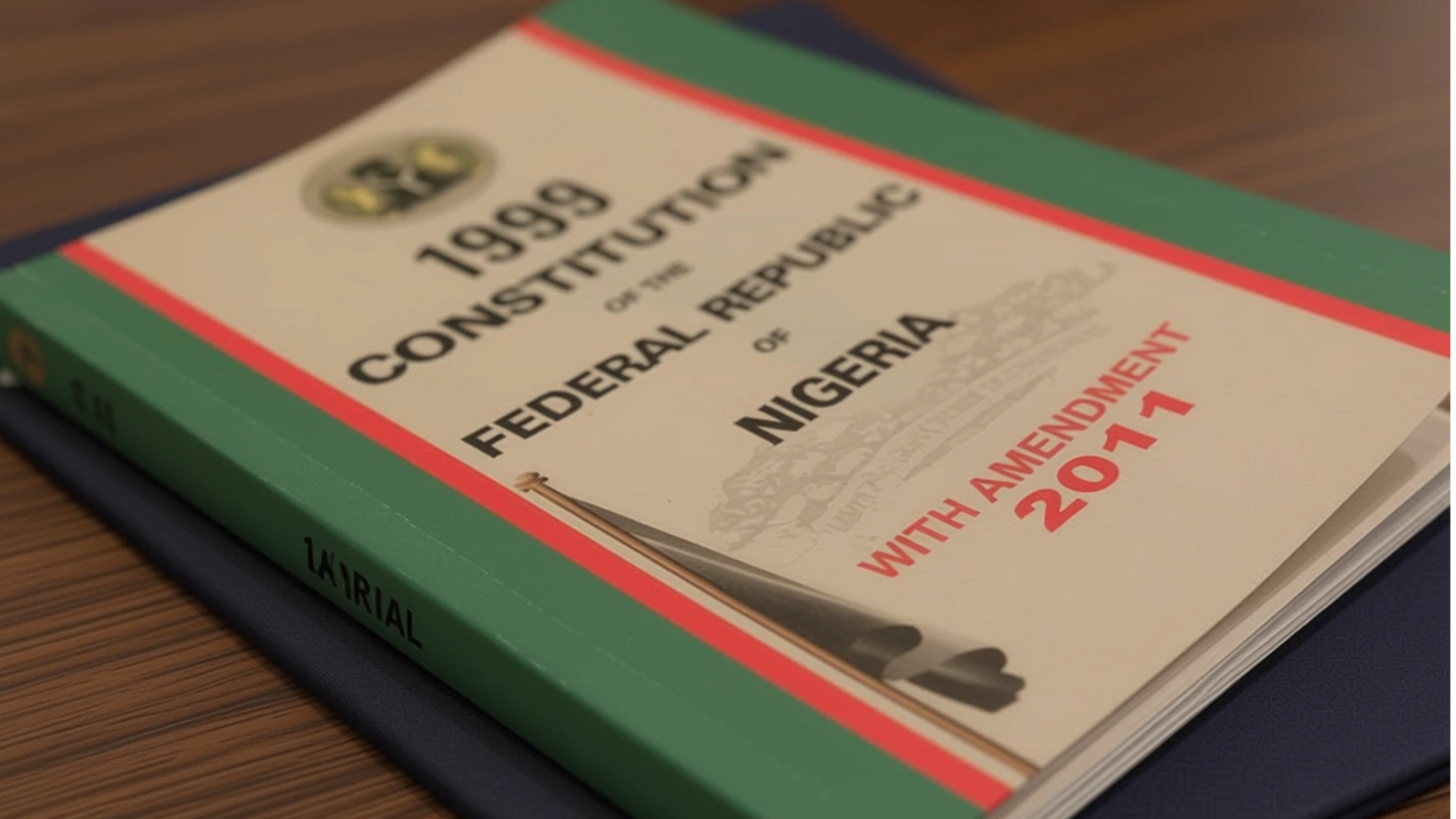
By Stephen Kola Balogun
- STATEMENT OF POSITION
The 1999 Constitution of the Federal Republic of Nigeria can be replaced through a process initiated and driven by the people, pursuant to Section 14(2)(a) and Item 60(a) of the Constitution.
Section 9 is not exclusive. It governs National Assembly-initiated amendments. The people have a separate track to exercise original constituent power.
For legitimacy, this article proposes borrowing the 24 States + 25% voting threshold from Section 9(3).
Core principle: “The Constitution cannot be more sovereign than the people.”
- TEXTUAL BASIS: SECTION 14(2)(a) + ITEM 60(a)
- Section 14(2)(a) – Source of Power
“Sovereignty belongs to the people of Nigeria from whom government through this Constitution derives all its powers and authority”

This vests original constituent power in the people. The Constitution is the instrument through which that power is exercised. The people are the principal; government is the agent.
- Item 60(a) – Exclusive Legislative List
Item 60 empowers the National Assembly to:
“establish and regulate authorities for the Federation… to promote and enforce the observance of the Fundamental Objectives and Directive Principles of State Policy”
Since Section 14 is in Chapter II – Fundamental Objectives, the National Assembly has express power to create a Referendum Authority to enforce Section 14(2)(a).
A Mandate and Ratifying Referendum are the direct means of enforcing popular sovereignty.
- WHY SECTION 9 IS NOT EXCLUSIVE
Section 9(1) states: _“The National Assembly *may* alter…”_
“May” is permissive. The Constitution does not say “only the National Assembly may alter.”
Judicial Support:
In Attorney-General of Bendel State v. Attorney-General of the Federation (1982) 3 NCLR 1, the Supreme Court held that the Constitution must be read as a whole and no provision should be rendered otiose. To read Section 9 as the only means of change would make Section 14(2)(a) meaningless.
Thus, we have two tracks:
- Section 9 Track: Constituted power. The National Assembly initiates amendments.
- Section 14(2) + Item 60 Track: Constituent power. The people initiate replacement.
- THE 4-STEP PROCESS WITH 24 STATES THRESHOLD
To ensure legitimacy and national spread, the following is proposed:
Step 1: MANDATE REFERENDUM
Authority: Item 60(a)
Question: _“Do you mandate the replacement of the 1999 Constitution with a new Constitution?”_
Threshold: Affirmative vote + 25% in at least 24 States. [Borrowed from s.9(3)]
Step 2: CONSTITUENT ASSEMBLY LAW
Authority: Sections 4 & 9
NASS passes a law for the election/nomination of a Constituent Assembly to draft the new Constitution.
Step 3: DRAFTING
The Constituent Assembly, with public participation, produces a draft Constitution.
Step 4: RATIFYING REFERENDUM + ENACTMENT
Question: _“Do you ratify this new Constitution to replace the 1999 Constitution?”_
Threshold: Same 24 States + 25%
Upon ratification, the National Assembly gives legal form to the new Constitution by a simple Act under Section 4 of the present Constitution; thereafter, the President assents to the new Constitution.
Judicial Support:
In re: Attorney-General of Eastern Nigeria (1965) 1 All NLR 115, the court recognised that sovereignty ultimately resides with the people and that constitutional change must reflect the will of the people.
- ANSWER TO SECTION 1 SUPREMACY OBJECTION
Objection: _Section 1(2) makes the Constitution supreme and Section 9 the only amendment route._
Reply: Section 1(2) states authority is derived _from_ the Constitution. Section 14(2)(a) states that authority is derived _from_ the people. Both are in the same Constitution.
The people are not acting extra-constitutionally. They are acting pursuant to Sections 14(2)(a) and Item 60(a) to replace the governing instrument. The agent cannot use self-made rules to prevent the principal from acting.
- CONCLUSION
The 1999 Constitution recognises both constituted power and constituent power.
The proposed 4-step process respects the text, protects federal character, and gives practical effect to Section 14(2)(a). It is constitutional, not revolutionary.
Stephen Kola Balogun is a Lagos-based legal practitioner.

