 Follow Us on Google News


 Follow Us on Google Discover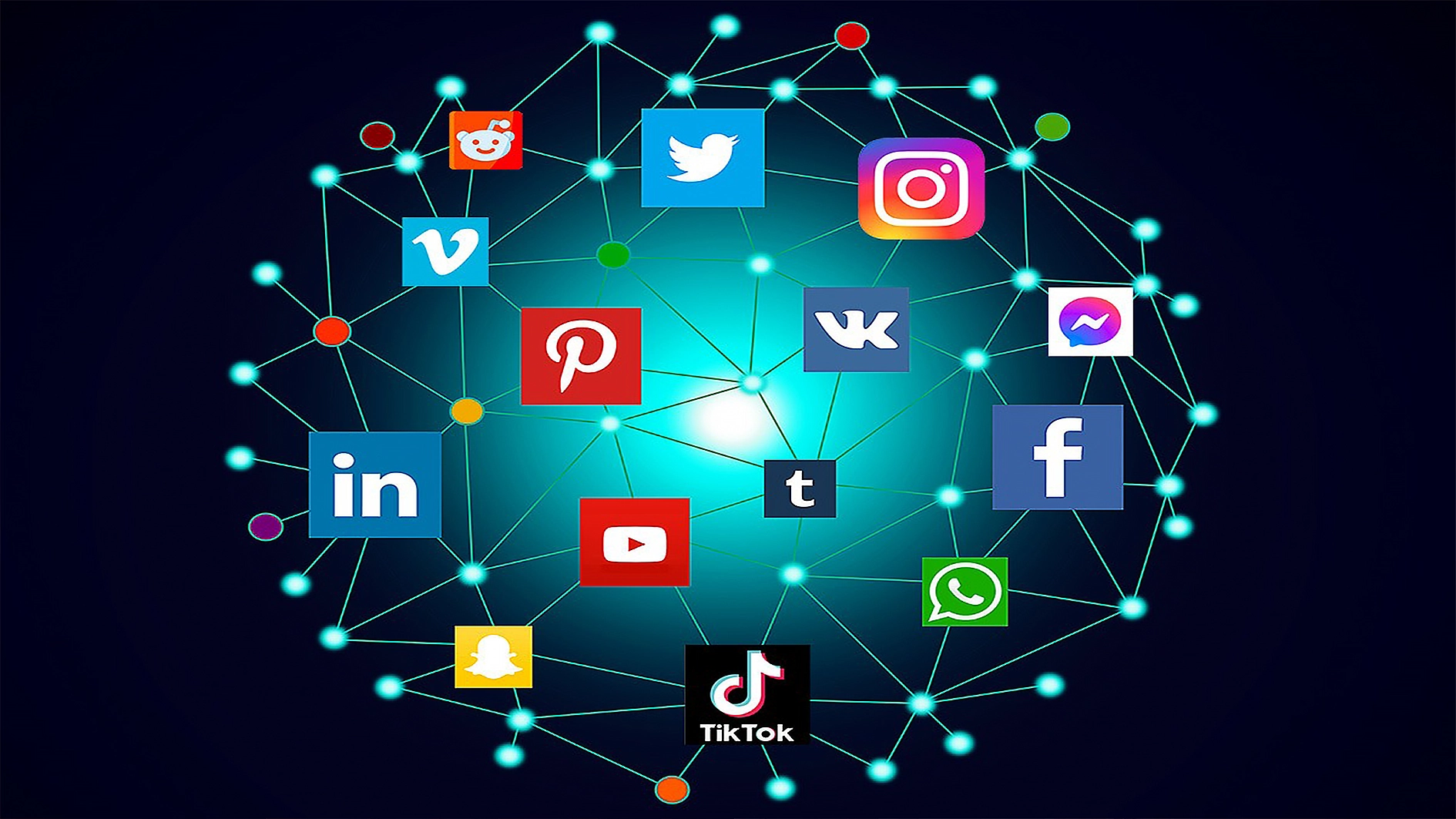
By Akin Olukiran
There is something profoundly sinister about the deliberate transmutation of falsehood into apparent truth and its subsequent dissemination for the purpose of manufacturing collective anxiety. In an era characterised by instantaneous communication and algorithm-driven amplification, the weaponisation of misinformation has emerged as one of the most pernicious threats to social stability and democratic discourse.
What was once the preserve of propagandists and state actors is now accessible to virtually anyone armed with a smartphone, an internet connection and a willingness to subordinate truth to ulterior motives. The modern information ecosystem has created an unprecedented paradox.
Never before in human history has so much information been available to so many people, yet never has society appeared so vulnerable to deception, manipulation and manufactured hysteria. The velocity with which falsehood traverses digital platforms frequently overwhelms the painstaking process of verification. The Yoruba aphorism, “kí’lẹ̀ tó p’òsìkà, ohun rere á ti bàjẹ́”, is particularly apt. By the time the truth emerges, the damage has often been done.
Mark Twain is often credited with the observation that a lie can travel halfway around the world before the truth has had the opportunity to put on its shoes. Whether authentic or apocryphal, the aphorism captures with remarkable precision, the pathology of our digital age.
Nigeria, regrettably, is not immune from this contagion of intellectual indolence. One of the most disquieting features of contemporary public discourse is the growing tendency to consume information uncritically and disseminate it indiscriminately. Verification has become unfashionable. Emotional reaction has become currency.

The result is a society in which rumour masquerades as fact, conjecture is elevated to evidence and speculation acquires the veneer of established truth. In such an environment, fear becomes self-replicating, feeding upon itself in a vicious cycle of misinformation and emotional contagion.
Our Nobel Laureate, Professor Wole Soyinka, has long cautioned against the dangers inherent in the irresponsible deployment of social media. His concerns were not merely technological but civilisational. A society incapable of distinguishing fact from fabrication risks surrendering its capacity for rational self-government. The consequence is not merely confusion but the gradual corrosion of public trust, social cohesion and civic culture.
Yet the psychology of fear is far older than the internet. Long before digital platforms existed, Yoruba cosmology recognised fear as one of humanity’s most formidable adversaries. Traditional narratives surrounding Ọ̀rúnmìlà, the custodian of wisdom and divine knowledge, often required initiates to undertake solitary nocturnal journeys through forests, burial grounds and lonely pathways. The objective was not mysticism but psychological fortification. The initiate learned that many men perish in imagination long before confronting any tangible danger. The greatest battlefield was not external but internal.
This ancient insight remains profoundly relevant. Fear distorts judgement, paralyses reason, magnifies threats beyond their objective dimensions and weakens the social bonds upon which collective resilience depends.
Those who seek to manipulate public sentiment have always understood this reality. The political philosopher Thomas Hobbes identified fear, particularly the fear of violent death, as one of the primary forces shaping human behaviour.
Throughout history, ambitious actors have exploited this vulnerability to acquire power, mobilise constituencies and influence public opinion. The digital revolution has merely furnished them with more sophisticated instruments.
Today, fabricated videos, deceptively edited footage, artificial intelligence-generated imagery and entirely fictitious narratives are relentlessly disseminated to millions of Nigerians. Their potency lies in their emotional resonance. This phenomenon has contributed to what may aptly be described as the age of the educated illiterate – an era in which formal qualifications often coexist with a troubling absence of critical inquiry.
This intellectual passivity extends beyond social media. It is equally troubling to observe how readily, many individuals accept pronouncements from political figures, religious leaders, influencers and commentators without independent examination. The Berean believers, commended in Scripture, adopted a different approach. Having heard the apostles, they returned home to examine the Scriptures and verify the teachings for themselves. They were not passive recipients of information. They tested its veracity. That spirit of inquiry is desperately needed in Nigeria today.
A populace conditioned to consume information through short videos, memes and sensational headlines becomes particularly susceptible to manipulation. What emerges is a citizenry informed in appearance but misinformed in substance. The consequences are not merely intellectual, they are profoundly political.
I was in London during the London bombings of July 7, 2005, the slogan “We Are Not Afraid” became a rallying cry across Britain. Addressing Parliament, Prime Minister Tony Blair declared: “Together, we will ensure that though terrorists can kill, they will never destroy the way of life we share.” That spirit of resilience, courage and national solidarity is precisely what Nigeria requires from leaders and citizens alike.
None of this is to suggest that genuine tragedies should be ignored or minimised. The suffering of innocent citizens, particularly vulnerable children and communities exposed to criminal violence, should never be trivialised. Indifference to human suffering is itself a moral failure.
There is, however, a crucial distinction between responsible awareness and reckless amplification. Not every disturbing video is authentic. Not every viral claim is accurate. Not every alarming narrative deserves immediate acceptance. A mature society learns to distinguish vigilance from hysteria and concern from panic.
Perhaps this explains why Scripture repeatedly admonishes believers to “fear not.” Fear can become a form of bondage. It can incapacitate individuals, destabilise communities and impoverish nations.
Ultimately, the most effective antidote to the weaponisation of fear is neither censorship nor technological regulation, important though, both may be. It is the cultivation of intellectual rigour, civic responsibility and disciplined scepticism. Before forwarding that video, verify it. Before sharing that sensational claim, interrogate it. Before surrendering to alarm, seek evidence.
Even where disturbing events are genuine, we must ask whether the indiscriminate circulation of gory images serves any constructive purpose beyond inflaming public anxiety and diminishing national confidence. Every nation experiences tragedy. What distinguishes resilient societies is not the absence of adversity but their refusal to permit fear to define their collective identity.
We endanger truth when falsehood acquires virality and fear becomes a political commodity. And when truth is imperilled, the very foundations of a free, rational, and democratic society begin to erode.
Let us therefore remain vigilant, reject manipulation, defend the integrity of truth and stand together in common purpose to build a safer and stronger Nigeria of our dreams.
Olukiran is a social and political analyst. He wrote from London. He can be reached on [email protected]

