 Follow Us on Google News
 Follow Us on Google Discover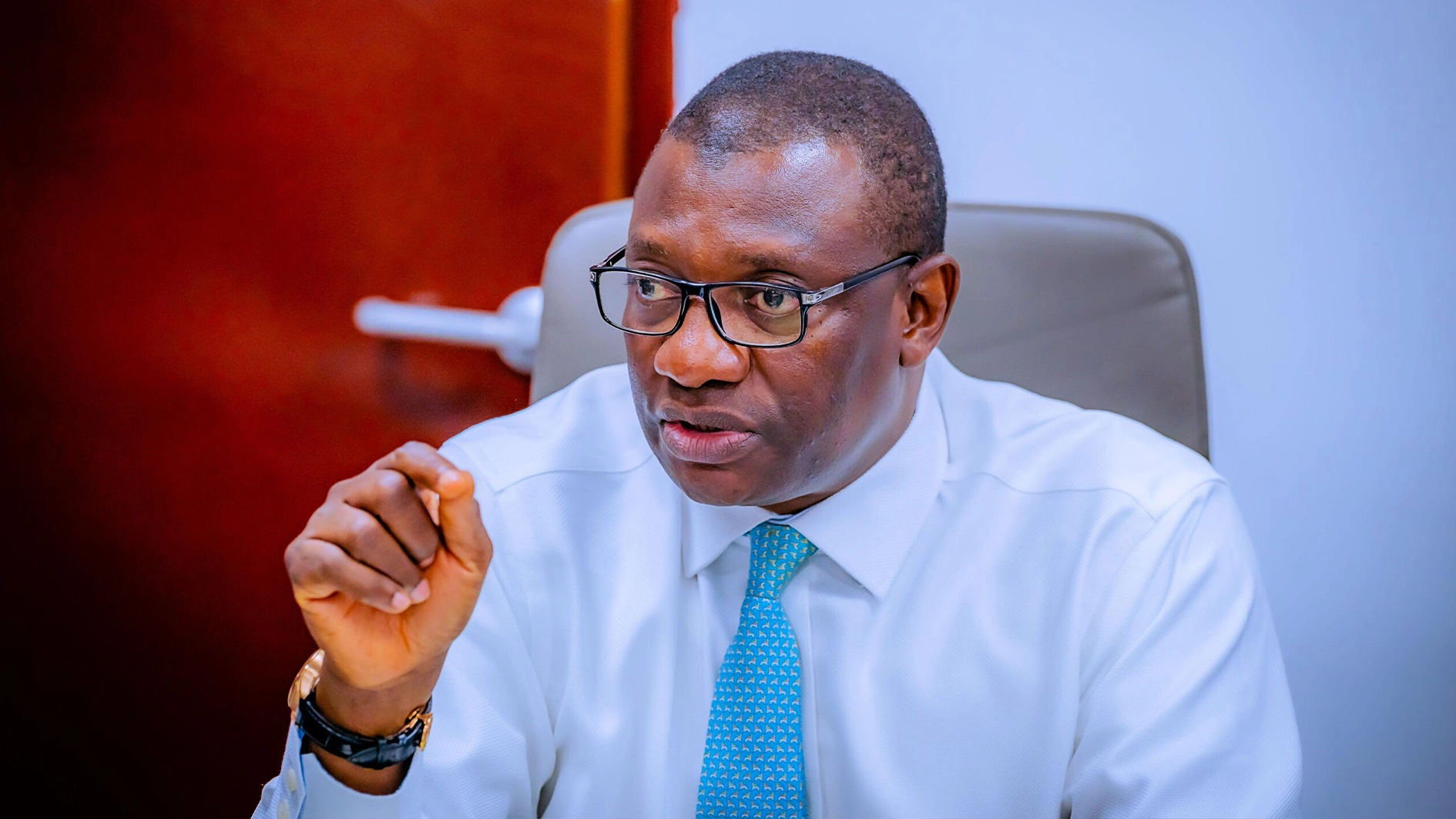
By Adamu Usman
In political contests, candidates are often defined by their affiliations, alliances, and campaign strategies. However, occasionally, a candidate emerges whose profile challenges conventional expectations.
Dr. Bala Maijama’a Wunti represents such a case.
Unlike many political figures, his career has been largely outside the traditional political sphere. Instead, it has been shaped by decades of service within Nigeria’s oil and gas industry. This distinction forms the basis of what can be described as the “Wunti proposition.”
At its core, this proposition is built on the idea that leadership should be grounded in competence and experience rather than solely in political credentials.
Wunti’s background reflects this emphasis. His educational journey, spanning local and international institutions, provided a foundation in both technical and managerial disciplines.

His professional career further reinforced these skills. Positions within NNPC required managing complex operations, overseeing large budgets, and implementing reforms in challenging environments.
One of the defining features of his career is the focus on outcomes. Initiatives such as Operation White demonstrate a commitment to solving problems through structured approaches. Similarly, his involvement in major upstream projects highlights the ability to manage large-scale operations and deliver results.
Beyond his professional achievements, his philanthropic efforts through the Wunti Al-Khair Foundation add another dimension to his profile. These initiatives reflect a commitment to community development and social impact.
However, the transition from technocrat to political candidate raises important questions. Can competence in a corporate environment translate into political effectiveness? Will voters prioritise experience over familiarity? How will such a candidate navigate the complexities of electoral politics?
These questions do not have straightforward answers. They depend on a range of factors, including public perception, political dynamics, and campaign strategies.
What is clear, however, is that the Wunti proposition introduces a different perspective into the political discourse.
It challenges voters to consider new criteria for leadership evaluation. It emphasises performance, accountability, and execution.
As Bauchi approaches 2027, this perspective may gain traction, particularly among those seeking a departure from traditional political patterns. Whether it ultimately succeeds will depend on how effectively it resonates with the electorate.
As Bauchi State looks towards the future, the conversation about leadership must extend beyond individual candidates to broader expectations. The question is not only who should lead, but what citizens should demand from their leaders.
For too long, the gap between potential and performance has defined the state’s development trajectory. Closing this gap requires a shift in both leadership approach and public expectations.
The next governor of Bauchi will inherit a state with significant opportunities and equally significant challenges. Addressing these challenges requires clarity of purpose and a commitment to measurable outcomes.
This begins with economic management. Increasing internally generated revenue is essential for sustainable development. This requires improving tax systems, supporting local businesses, and attracting investment.
Equally important is the delivery of public services. Health care and education systems must be strengthened to meet the needs of a growing population. This involves not only funding but also effective management and accountability.
Infrastructure development is another critical area. Roads, power supply, and water systems are fundamental to economic growth and quality of life. Achieving progress in these areas requires leadership that prioritises execution. This is where the emphasis on competence becomes relevant. Leaders must possess the skills necessary to manage resources, implement policies, and monitor progress.
Dr. Bala Maijama’a Wunti’s profile aligns with these requirements in several respects. His experience in managing complex systems and delivering results provides a reference point for evaluating leadership potential.
However, the responsibility does not rest solely with candidates. Citizens also play a crucial role in shaping governance outcomes. By demanding accountability, evaluating performance, and engaging in informed decision-making, voters can influence the direction of leadership.
As 2027 elections approach, Bauchi has an opportunity to redefine its expectations. The focus can shift from promises to performance, from rhetoric to results.
In doing so, the state can move closer to realising its potential. The choice ahead is not just about leadership. It is about the standards that will define governance in the years to come.
*Usman is an Abuja-based policy analyst and consultant.

