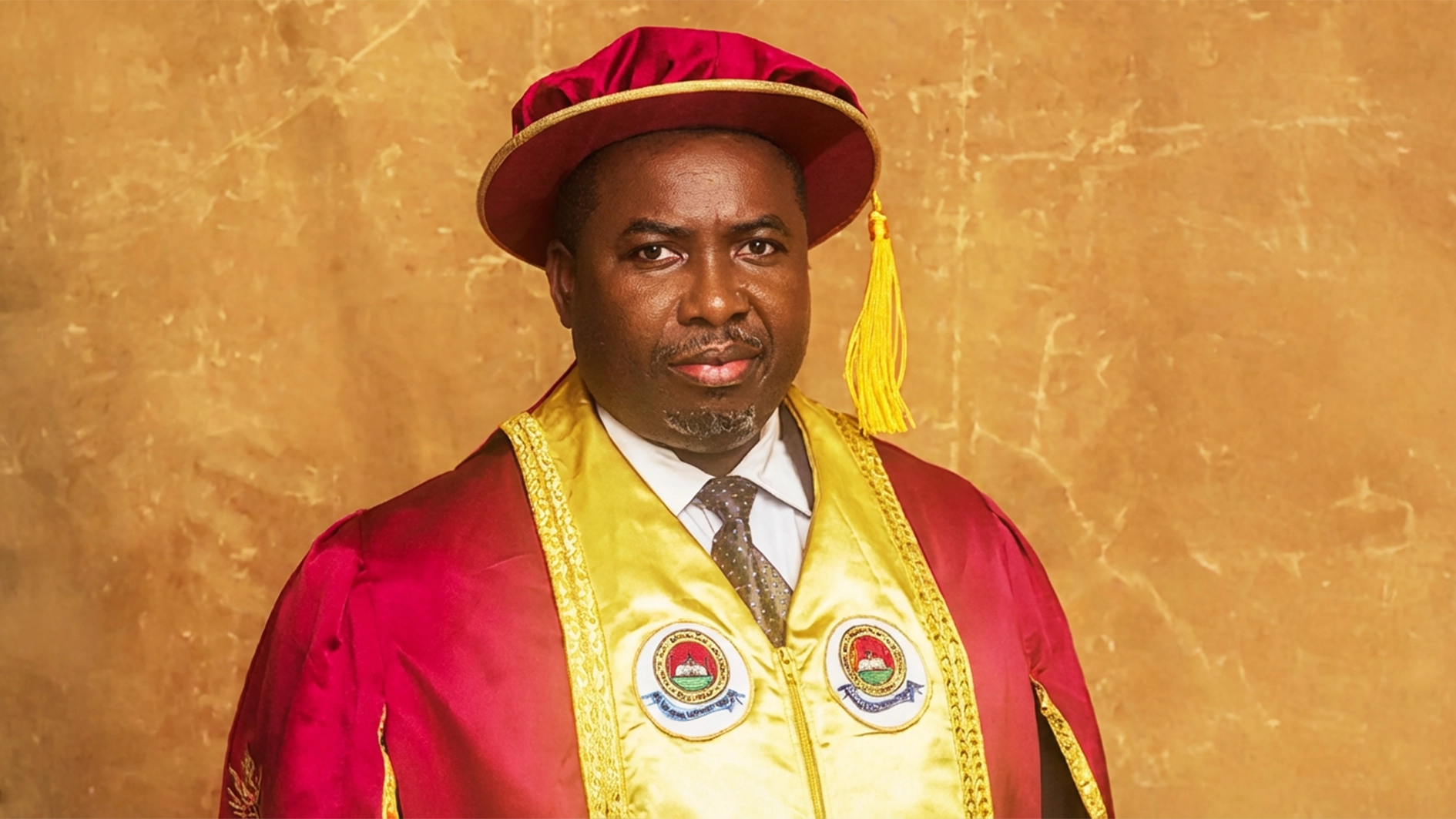
As Governor Ahmed Aliyu marks his 56th birthday, it is fitting to reflect on the remarkable journey of a man who embodies humility, resilience, and a dedicated commitment to public service. Born on January 1, 1970, in Tudun Wada, a modest neighborhood in Sokoto metropolis, Aliyu’s life story stands as a powerful testament to the belief that with hard work, discipline, and unwavering determination, even the most humble beginnings can lead to a true success story. What makes his journey especially compelling is that this success has culminated in a position of leadership through which he continues to positively impact lives and communities across Sokoto State.
Aliyu’s early path was shaped by positions that many would consider beneath them- serving as a cashier, auditor, and accountant in the local government service. But Aliyu understood clearly where he was headed, and more importantly, he understood the value of the journey to his overall career development. There is absolutely no doubt that these formative roles instilled in the governor accountability, early lessons in handling public resources, and exposed him firsthand to the daily struggles of ordinary citizens seeking access to basic services. The experience no doubt shaped his leadership, which is grounded in empathy, accountability, and a practical understanding of governance and the needs of the people at the grassroots.
Aliyu’s professional ascent was also not an accident. From serving as deputy director of finance and supply in Sabon‑Birni Local Government to directing Finance and Supply in Kebbe, and eventually rising to key positions such as an impactful commissioner under the Senator Aliyu Wamakko administration, deputy governor, and Executive Secretary of the Police Trust Fund, his trajectory reflects his competence and preparation for the ultimate job. Alongside this was his commitment to improving himself, which culminated in a Ph.D. in Business Administration.
Completed in May 2023, the doctorate degree stands as a powerful testament to his commitment to personal growth and continuous self-improvement. Over the last two years, education has consistently received the lion’s share of the state budget, surpassing national benchmarks and even the funding levels recommended by the United Nations Educational, Scientific and Cultural Organization. Yet beyond academic achievements and certificates lies the true essence of his story; a leader deeply shaped by an intimate understanding of the everyday realities of the people of Sokoto State- their hopes, struggles, and aspirations.
Since assuming office as Governor in May 2023, Aliyu’s administration has pursued a people-centered agenda that resonates deeply with the people of the state. The Governor has moved with the focused urgency of a man who understands that in governance, time is a commodity that shouldn’t be wasted. Under his “9‑Point Smart Agenda,” critical sectors-from education and healthcare to water supply and infrastructure-have been transformed. Sokoto State has consistently dedicated an unprecedented share of its budget to the renovation of schools, improving learning environments, and the employment of teachers. Teachers’ welfare and pupil needs are equally being addressed with thoughtful policies such as increases in feeding allowances and monthly allowance for school repairs.
In healthcare, dilapidated facilities have been rehabilitated. The water crisis, long a daily burden for the residents of the metropolis, has been met head-on with the revitalization of township water schemes delivering clean, reliable water after years of scarcity. Infrastructure and urban renewal-from township and rural roads to housing initiatives-have not only improved mobility but sparked economic activity and hope across Sokoto State. These efforts have earned the governor several well-deserved recognitions, from the Sun newspaper “Governor of the Year” to awards highlighting excellence in education and urban planning.
Central to the transformation of the economy is a bold reimagining of Sokoto State’s economic backbone: agriculture. Recognizing that the state possesses vast arable land and a hardworking agrarian population, the governor has moved to modernize the sector from the ground up. His administration has shifted the focus from subsistence farming to a commercial value-chain approach. By providing targeted subsidies for fertilizers, improved seed varieties, and modern irrigation equipment, he is ensuring that Sokoto’s farmers can produce year-round. His vision includes the establishment of specialized storage solutions to reduce post-harvest losses and the creation of direct links to regional markets. This “Agro-Revolution” is designed not just to feed the state, but to turn Sokoto State into a primary exporter of agricultural produce, especially onions creating thousands of jobs in processing and logistics along the way.
Perhaps one of the most defining aspects of Aliyu’s leadership is his fiscal discipline and commitment to service delivery. It’s on record that his administration has delivered meaningful development without borrowing from commercial banks-a rare achievement in an era where many states are neck-deep in debt. This commitment to good governance reflects a deep respect for the people.
Aliyu’s fiscal responsibility is matched by a rare political loyalty, evidenced by his steadfast relationship with his mentor, Senator Aliyu Magatakarda Wamakko, who very early recognised Aliyu’s potential and played a pivotal role in his rise. Their bond, forged long before he became the governor, has been marked by loyalty and mutual respect that transcends convenience. It shows Aliyu as a man who is secure enough to remain grateful to those who have helped him to power. Even during some political storms, Aliyu remained stoutly loyal to his mentor, a rare display of gratitude in a climate prone to shifting alliances. Aliyu’s consistency as the northern star is a testament to his character. Aliyu has often publicly acknowledged Wamakko as more than just a political ally-calling him a father, mentor, and leader-and this humility has informed his political style; collaborative, respectful, and purpose-driven.
Governor Aliyu’s leadership is deeply human-centred. Whether it’s ensuring that young mothers have access to family health services, empowering youths with digital and vocational skills, or restoring dignity to retirees by clearing pension backlogs, his governance is marked by care.
Going forward, Governor Aliyu has signaled implementable plans to strengthen the state’s economic base, focusing on agriculture, small businesses, and digital innovation to create jobs for the youths, whom he views as the state’s most valuable asset, and reduce dependency on federal allocations.
Education remains central to his future agenda, with ambitions to make Sokoto a regional hub for quality learning. Beyond infrastructure, there are plans at advanced stage to invest in skills acquisition centers, STEM programmes, and vocational training, ensuring that the youth are prepared for the modern economy. In healthcare, Aliyu envisions a Sokoto State where no citizen is denied basic medical care, with the expansion of primary healthcare centers and strategic partnerships to train medical professionals from the state.
His urban and rural development plans aim to transform Sokoto State into a sustainable state, with modern infrastructure- improved road networks, solar-powered streetlights, the completion of the 38MW Independent Power Plant to drastically improve and support local industries, and clean water
These are only the beginning, as Aliyu’s administration has hinted at long-term investments in renewable energy for water plants, housing, and urban planning to enhance the quality of life for all residents. Most importantly, the governor continues to emphasize inclusive governance, a collaboration with communities, traditional leaders, and various youth organizations. His vision is a Sokoto State where the government works with the people, not just for the people.
As Governor Aliyu celebrates his birthday, the people have every right to celebrate a servant-leader who remembers growing up in the streets of Tudun Wada even as he walks the halls of power. A man who understands that true development is meaningless unless it touches the people, restoring dignity to the elderly, hope to the student, and prosperity to the rural farmer. In Governor Ahmed Aliyu, Sokoto State has a leader who doesn’t just govern but truly serves, and is determined to leave a legacy of progress that will be felt for generations to come. There is no doubt that his journey from humble roots will continue to inspire the youths of the state.