 Follow Us on Google News


 Follow Us on Google Discover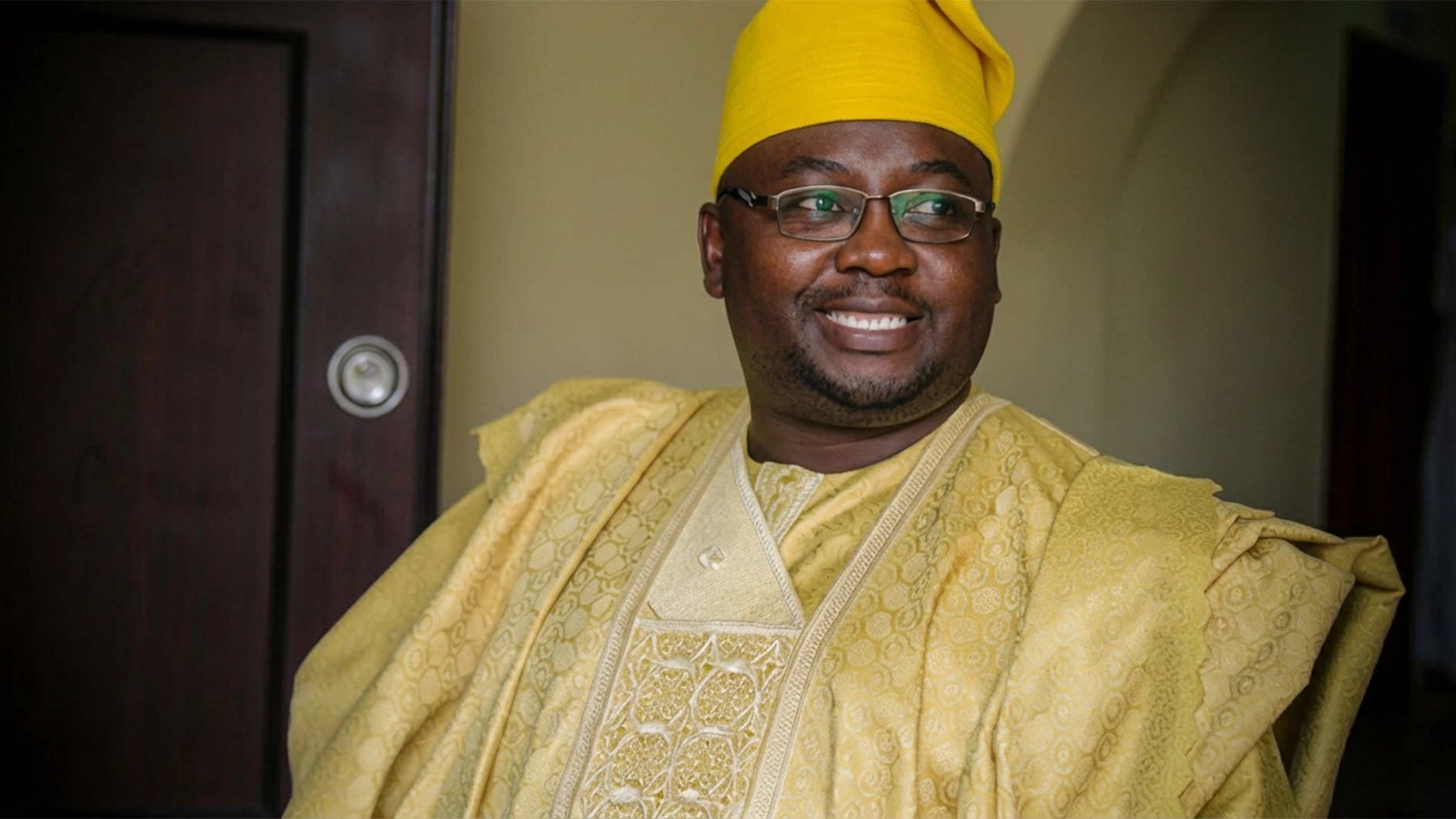
• Adelabu to pursue Oyo guber ambition, proposes coordinating portfolio for energy
• Tinubu seeks Senate confirmation of new housing minister
• Contractors laud Edun’s exit, cite delayed payments
The apprehension that pervaded the Federal Executive Council (FEC) in the days leading to the March 31 deadline for ministers seeking elective office in the 2027 general elections returned yesterday, but this time, the cause of worry for ministers is the shakeup in the federal cabinet the day after the unexpected exit of two of their colleagues.
Creating more lacuna within the cabinet, the Minister of Power, Adebayo Adelabu, yesterday resigned his position in the Federal Government to pursue his governorship ambition in Oyo State. With some more reshuffling to take place due to the critical nature of the ministry, President Bola Tinubu’s ministers appear gripped by fear, especially following Tuesday’s removal of two of their peers.
Specifically, the President relieved the Minister of Finance and Coordinating Minister of the Economy, Wale Edun, and the Minister of Housing and Urban Development, Ahmed Musa Dangiwa, of their duties.
Before their resignations, concerns had been raised in some quarters about the performance of certain cabinet members, with critics alleging that some ministers had contributed little to the administration. Others were described as ill-suited to their roles.
There were also claims that some political appointees lack the capacity to effectively drive the President’s Renewed Hope Agenda across ministries, departments and agencies, while it was widely speculated that the cabinet may be further tinkered to bring in ‘fresh hands with political sagacity’ who would marshal the President’s second term logistics ahead of January’s presidential poll.
Reflecting the mood within government circles, a minister who visited the Presidential Villa on Wednesday remarked humorously to journalists: “There is an earthquake going on; everyone is in panic mode now.”
While the President received commendation for the cabinet reshuffle, some observers argued that further changes may be necessary, suggesting that underperforming ministers should either be relieved of their duties or reassigned to positions where they can be more useful to the government and society to make a greater impact.
A source within the Presidency noted that although the President is committed to national development, some appointees appear to lack clear strategies for translating policy into tangible outcomes.
The power sector remains a major concern, with many Nigerians expressing dissatisfaction over what they describe as a worsening electricity situation.
After skirting with his political ambition and skipping the March 31 deadline, the Minister of Power, Adelabu, resigned from the cabinet, proposing the creation of a Coordinating Minister for Energy to oversee the electricity and gas sectors.
The resignation follows Tuesday’s meeting with the President, which effectively formalised his exit trajectory after months of speculation that first surfaced and was publicly dismissed in March.
In a resignation letter dated April 22 and addressed to the President, Adelabu said his departure will take effect on April 30, to enable him to focus on his governorship ambition in Oyo State.
Confirming the development, the Special Adviser to the Minister on Strategic Communications and Media Relations, Bolaji Tunji, said Adelabu expressed appreciation to the President for the opportunity to serve, describing his tenure as a privilege.
Adelabu said his decision aligns with the Amended Electoral Act 2026, which bars serving political office holders from contesting elections, adding that his governorship ambition dates to 2016 during his tenure as Deputy Governor of the Central Bank of Nigeria.
Beyond confirming his exit, the Minister used his resignation letter to advance a major policy proposal, the establishment of a coordinating minister for energy to harmonise oversight of Nigeria’s fragmented power, gas, water resources and environmental-linked energy systems. He argued that sustaining reforms in the electricity sector requires stronger central coordination to align policy execution across the entire energy value chain.
In the three-page letter, Adelabu outlined key achievements during his tenure, including the implementation of the Electricity Act 2023, which decentralised the electricity market and expanded subnational participation in generation and distribution. He said peak power generation rose above 6,000 megawatts, driven by the integration of the Zungeru Hydropower Plant and rehabilitation of thermal assets, alongside transmission upgrades under the Presidential Power Initiative.
On distribution, he cited improved regulatory oversight, increased revenue recovery and reduction in Aggregate Technical, Commercial and Collection (ATC&C) losses, alongside accelerated metering under the Presidential Metering Initiative and World Bank-supported DISREP programme.
He also stated that sector revenues rose from N1 trillion in 2023 to N2.3 trillion in 2025, driven by tariff reforms and a N4 trillion debt restructuring programme aimed at stabilising the electricity market.
Despite these gains, Adelabu acknowledged persistent structural constraints, including gas supply shortages, infrastructure vandalism and incomplete commercialisation of the electricity value chain. He proposed corrective measures including cost-reflective tariffs with targeted subsidies, recapitalisation of distribution companies, accelerated nationwide metering, sustained transmission investment and stronger regulatory enforcement.
AMID the cloud of uncertainty in the cabinet and to douse fears of a likely tsunami ahead, the Presidency yesterday clarified that Edun and Dangiwa voluntarily resigned their positions and were not removed from office. According to official sources, Edun resigned on health grounds before the announcement of his replacement.
The economist, who turned 70 on Monday, is said to have faced recent health challenges and chose to step down to focus on recovery and private engagements. In a letter submitted on his birthday, Edun expressed gratitude to the President for the opportunity to serve, describing his tenure as both an honour and a privilege.
Before the formal announcement of his exit, Edun paid a valedictory visit to the President at the Presidential Villa, Abuja, where he held a closed-door meeting lasting about an hour.
Similarly, Dangiwa resigned his appointment and thanked the President for the opportunity to serve on the Federal Executive Council. An architect by training, he had previously served as Managing Director of the Federal Mortgage Bank of Nigeria from 2015 to 2022, as well as Secretary to the Katsina State Government, before he was appointed minister in August 2023.
Wednesday’s statement came about 24 hours after the presidency announced the exit of Edun and Dangiwa from the cabinet. The Tuesday statement did not state that the officers resigned but announced their replacements. This is coming after sources in the presidency disclosed that Edun, a long-time associate of President Tinubu, was let go following persistent disagreements on policy matters with the president.
MEANWHILE, members of the Group of Nigerian Contractors (GNC), an association of indigenous contractors, have commended the removal of Edun, describing the decision as long overdue. Speaking in Ilorin, Kwara State, chairman of the group, Jauji Ibrahim, told The Guardian that the action taken by President Tinubu followed what he described as persistent delays in settling debts owed to contractors.
Ibrahim alleged that despite prior approval by the President for the payment of outstanding obligations, the Ministry of Finance under Edun failed to act with urgency. He claimed the delays have placed a significant financial strain on members of the association.
According to him, many contractors resorted to loans with high interest rates and collateral commitments to execute government projects, expecting timely reimbursement. However, he noted that since 2024, a large percentage of members have continued to struggle with mounting debts due to non-payment.
Ibrahim added that the situation has left many contractors in severe financial hardship, with over 90 per cent reportedly servicing loans without receiving payments owed by the Federal Government. The GNC leader canvassed speedy settlements of the said debts owed them under the new Finance Minister, Taiwo Oyedele.
Following his nomination, a ministerial nominee for the Housing Ministry, Muttaqha Rabe Darma, is expected to be confirmed by the Senate in the coming days. President Tinubu’s request was contained in a letter addressed to the Senate President, Godswill Akpabio, and read at plenary on Wednesday.
The president said the request complied with the provisions of section 147, subsection 2, of the Constitution of the Federal Republic of Nigeria 1999, as amended. “While I hope this request will receive expeditious consideration of the Senate, please accept the assurances of my highest regards,” he said.
Akpabio, thereafter, referred the request to the Committee of the Whole for consideration ‘as soon as practicable’. The president, in a separate letter, also sought the confirmation of the Senate for the appointment of Lamido Yuguda as deputy governor of the Central Bank of Nigeria.
The Senate President referred the request to the Committee on Banking, Insurance and Other Financial Institutions for further legislative input and to return to the plenary in one week.

