 Follow Us on Google News


 Follow Us on Google Discover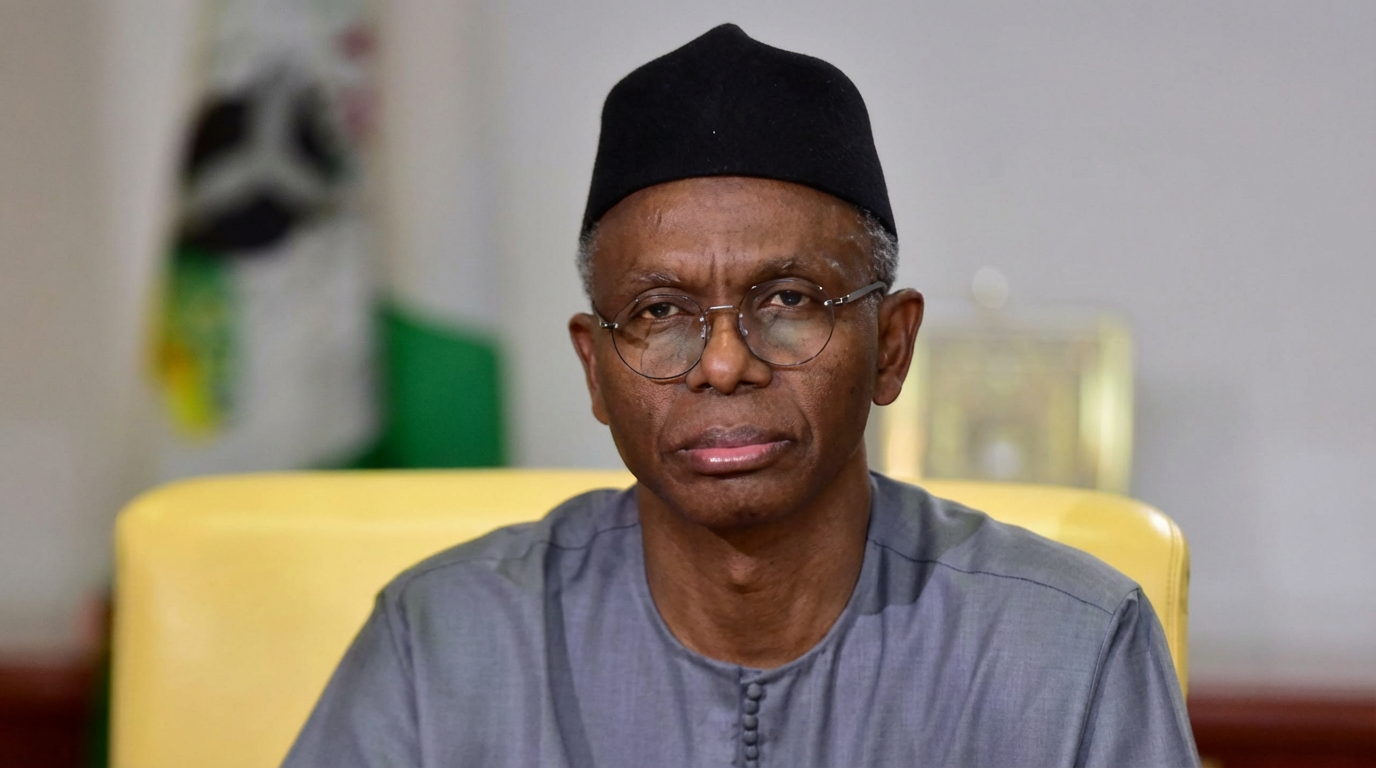
Why we detain ex-gov, by ICPC
The family of detained former governor of Kaduna, Nasir el-Rufai, has faulted the allegation by the Independent Corrupt Practices and Other Related Offences Commission (ICPC) that wiretapping equipment and secret documents were recovered from the Abuja residence of the ex-governor.
Also, in a post shared on X, el-Rufai’s wife, Hadiza Isma, stated: “I was there. No such equipment was found. They lie. But why? An agency with no credibility at all.”
However, the ICPC filed a counter-affidavit explaining why it arrested and detained the former Kaduna helmsman.
According to the family, el-Rufai is entitled to the right of silence and non-cooperation with regards to the search of his residence, until his prosecution before a competent court of law.
A statement issued on behalf of the el-Rufais by his son, who is also a member of the House of Representatives, representing Kaduna North Federal Constituency, Muhammed Bello el-Rufai yesterday, noted: “We noted with a mixture of contempt and amusement the recent litany of allegations, falsehoods and theatrical posturing emanating from the ICPC.
“It is deeply unfortunate that a constitutionally established agency has descended into what can only be described as a circus of chicanery, apparently designed to prosecute a media war rather than adhere to the rule of law. We are compelled to set the record straight and expose the malicious intent behind this orchestrated smear campaign.”
He explained that on the right to silence and non-cooperation, “the ICPC has ludicrously attempted to weaponise the silence of Nasir el-Rufai against him, claiming he refused to cooperate.”
He remarked: “We must educate the Commission on the most basic tenet of Nigerian jurisprudence: The Constitution of the Federal Republic of Nigeria guarantees every citizen the right to remain silent.
This is not an act of non-cooperation; it is a fundamental human right. No law enforcement agency, regardless of its frustration at a failed operation, is entitled to draw any negative inference from a citizen’s decision to exercise this constitutional hermetic seal.
“That the ICPC believes silence implies guilt is a confession of its inquisitorial mindset and disregard for the very laws it swore to uphold. Our father, Nasir el-Rufai, has said in all interactions with law enforcement: ‘charge me, if you have anything against me. You have had more than two years investigating me. Take it to court, please.”
He argued that ICPC’s press statement presented a list of seized equipment designed to conjure images of espionage and criminality. “This list is a work of fiction, for reasons which will soon become known,” he added.
ICPC had earlier claimed that suspected surveillance devices, capable of intercepting confidential communications and accessing classified security materials, were recovered during a raid on el-Rufai’s Abuja home.
Reacting to the allegations, she described the claims as false and politically motivated.
The family’s response underscores rising tensions between political figures and anti-corruption agencies in Nigeria, as legal and procedural disputes continue to dominate public discourse.
MEANWHILE, ICPC told the Federal Capital Territory (FCT) High Court, Abuja, that it was detaining el-Rufai to conclude investigation into alleged corruption during his time in office.
El-Rufai had filed the suit at the court, alleging that his arrest and detention violated his fundamental rights. He asked the court to declare the actions of the anti-graft agencies unlawful and to award him N1 billion in damages.
In an affidavit filed in support of the suit, el-Rufai confirmed his identity and career history but declined to answer questions about the allegations, citing his constitutional right to remain silent.
He described the investigation as politically-motivated and said he would respond to the allegations in court.
The commission said it received a petition accusing el-Rufai and officials of his administration of financial misconduct between 2015 and 2023.
The petition, attached to the court filings dated February 26, raised allegations relating to loans obtained by the Kaduna government, procurement processes, transfers from government accounts and payments to companies and individuals.
ICPC said it began preliminary investigations and obtained documents from banks and government institutions. It then issued an invitation letter dated February 9.
The letter, according to the commission, could not be served earlier because el-Rufai was outside Nigeria. It said he was eventually served on February 12 after his return.

