 Follow Us on Google News


 Follow Us on Google Discover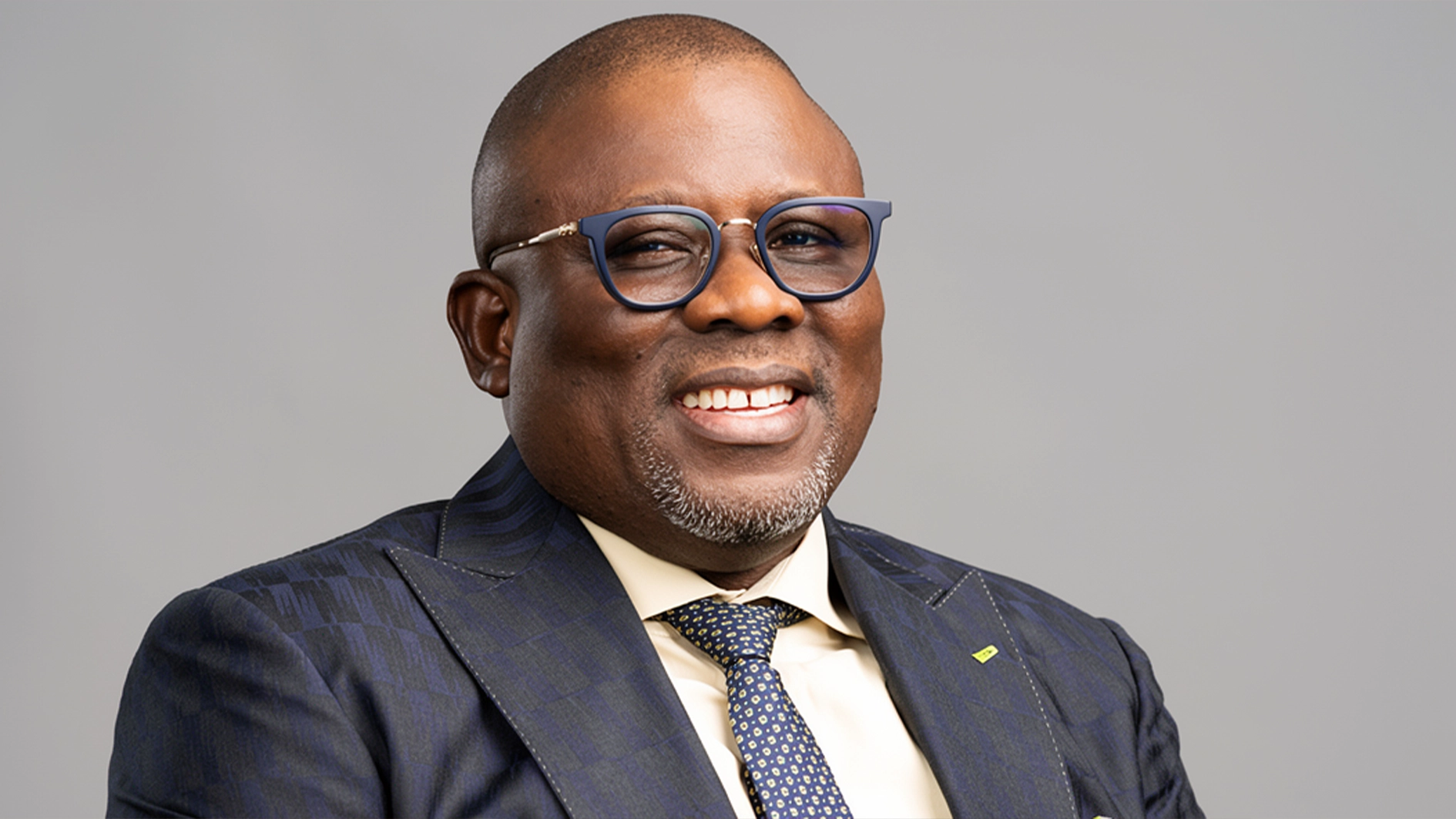
By Festus Ahon
In contemporary governance, the true measure of leadership lies not merely in promises made but in the ability to translate vision into measurable progress. Across Delta State, Governor Sheriff Oborevwori is steadily shaping a governance model anchored on three interrelated pillars of security, servant leadership and strategic infrastructure development. Together, these pillars are driving a transformation that is redefining governance and development across the state.
At a time when many parts of Nigeria continue to grapple with insecurity, economic uncertainty and infrastructural deficits, Delta State is increasingly emerging as a model of stability, inclusiveness and sustainable growth. The Oborevwori administration’s commitment to ensuring peace, promoting people-centred governance and expanding critical infrastructure has become the defining feature of its implementation of the M.O.R.E Agenda.
Recent events across the state have offered a compelling glimpse into this governance philosophy. From convening a landmark maiden security summit in Asaba to celebrating his 63rd birthday with a thanksgiving service and advancing transformative road projects in both upland and riverine communities, Governor Oborevwori has demonstrated how these three pillars work together to drive meaningful development.
The connection between security and development has remained a recurring theme in the governor’s public engagements. This was evident at the Delta State Security Summit 2026, where stakeholders from across the state gathered under the theme, ‘Security: A Collective Responsibility.’
The summit came at a time when security concerns remain a major national issue, with terrorism, kidnapping, cultism, cybercrime and communal conflicts posing threats to communities and economic activities. Rather than treating Oborevwori used the occasion to advocate a broader, community-driven approach. His message was simple but profound: peace and security are everybody’s business.

Addressing traditional rulers, community leaders, security chiefs, local government chairmen, youth groups, women organisations and civil society representatives, the governor stressed that sustainable security can only be achieved through collective vigilance, trust and cooperation.
His position reflects a growing understanding that modern security challenges cannot be solved by government alone. Communities often possess critical information capable of preventing crimes before they occur. By encouraging residents to report suspicious activities and work closely with security agencies, the administration is attempting to build a culture of proactive intelligence gathering.
Beyond rhetoric, the government has backed its commitment with concrete investments. The restructuring of Operation Delta Sweep, the state’s joint security outfit, and plans to establish divisional police headquarters in all 25 local government areas for State Police, demonstrate a deliberate effort to strengthen security infrastructure.
The establishment of the Delta State Security Trust Fund further underscores the administration’s strategy of fostering collaboration between government and the private sector in supporting security operations.
For many observers, the summit highlighted a leadership style that prioritises prevention over reaction. The emphasis on partnership, dialogue and community participation reflects a recognition that security is not merely about deploying personnel but about building resilient communities capable of resisting criminal infiltration.
The significance of peace in Delta State becomes even more apparent when viewed against the backdrop of ongoing development projects across the state. Infrastructure thrives where peace exists and investors are more willing to commit resources where security is assured.
This linkage between security and development has become increasingly visible under the Oborevwori administration. While the governor’s public responsibilities often dominate headlines, another aspect of his leadership emerged during the celebration of his 63rd birthday. Rather than hosting an elaborate social gathering, he chose to mark the occasion with a thanksgiving service at the Government House Chapel in Asaba.
The decision was symbolic. At a time when public office holders are frequently criticised for extravagance, Oborevwori used the opportunity to express gratitude to God for preserving his life and guiding him in leadership. His message focused not on personal achievements but on service, humility and the need for divine wisdom.
The governor’s appeal for continued prayers for leaders revealed an understanding of the complexities of governance. Managing a diverse state like Delta requires balancing competing interests, addressing developmental challenges and maintaining harmony among various ethnic nationalities and communities.
The sermon delivered by Government House Chaplain, Venerable Charles Osemenam, reinforced this theme. Drawing lessons from King Solomon’s request for wisdom, the cleric highlighted the importance of divine guidance in leadership.
Many who attended the service viewed the occasion as more than a birthday celebration. It offered a glimpse into the values that shape the governor’s approach to governance: faith, humility, gratitude, accountability and a commitment to inclusive leadership.
These values are perhaps most visible in the administration’s aggressive pursuit of infrastructure development across both urban and rural communities. Few projects illustrate this commitment better than the recently completed Phase II of the 4.8-kilometre Emevor-Orogun Road in Isoko North Local Government Area.
For residents of Emevor and neighbouring communities, the road represents more than asphalt and concrete. It is a gateway to economic opportunity, improved mobility and social connectivity.
The excitement that greeted the completion of the project reflected years of anticipation and the transformative impact such infrastructure can have on rural communities. Farmers can now transport produce more easily. Traders enjoy better access to markets. Residents spend less time navigating difficult terrain.
During an inspection of the project, Commissioner for Works (Rural Roads) and Public Information, Mr. Charles Aniagwu, described the road as a practical demonstration of the M.O.R.E Agenda in action. Particularly noteworthy was his commendation of the contractor, an indigenous construction company responsible for executing the project.
For decades, there has been a perception that only large foreign or multinational contractors possess the capacity to deliver major infrastructure projects. However, the successful completion of the Emevor-Orogun Road is helping to challenge that notion.
Aniagwu praised the contractor for its professionalism, technical competence and adherence to quality standards. According to him, the project demonstrated that indigenous firms possess the expertise required to execute complex engineering assignments.
The road itself presented significant technical challenges. Swampy terrain required extensive earthworks, drainage construction and specialised equipment. Yet the contractor successfully navigated these obstacles and delivered a project that has earned widespread praise from both government officials and residents.
Perhaps the most touching testimony came from a visually impaired resident who reportedly expressed appreciation for the smoothness of the road and the difference it had already made in transportation. Such stories underscore the human impact of infrastructure investments and explain why road construction remains central to the administration’s development agenda.
The same developmental philosophy is also evident in Delta’s riverine communities, where access and connectivity have historically been major challenges.
In Ijaghala and Kantu communities of Warri South-West Local Government Area, ongoing road construction projects are generating optimism among residents who have long felt isolated from mainstream development.
During an inspection tour, Commissioner for Riverine Infrastructure Development, Chief Ebikeme Clark, reaffirmed the government’s commitment to ensuring that no part of the state is left behind.
For decades, difficult terrain and geographical barriers slowed development in many riverine communities. Transportation challenges limited access to education, healthcare, markets and other essential services.
The ongoing projects are beginning to change that reality. Residents describe the roads as life-changing interventions capable of improving mobility, reducing flooding and erosion, stimulating economic activities and enhancing overall quality of life.
More importantly, they symbolise inclusion. For communities that often felt neglected, the projects send a powerful message that development is not reserved for urban centres alone. Every community, regardless of location, deserves access to basic infrastructure and opportunities for growth.
Taken together, the security summit, the governor’s thanksgiving service and the ongoing infrastructure projects reveal the essence of Oborevwori’s three-pronged governance model.
The first pillar is security, which creates the enabling environment for peace, investment and development. The second is servant leadership, anchored on humility, accountability, faith and a genuine commitment to the welfare of the people. The third is infrastructure development, which expands economic opportunities, improves connectivity and enhances the quality of life of citizens.
These three pillars are not operating in isolation; they reinforce one another. Security protects development. Servant leadership builds public trust and social cohesion. Infrastructure delivers tangible benefits that improve livelihoods and stimulate economic growth.
As the administration continues to implement the M.O.R.E Agenda, the challenge will be sustaining the momentum and ensuring that development reaches every corner of the state. Yet the indicators are already visible; from strengthened security partnerships and growing public confidence to completed roads in rural communities and transformative projects in riverine areas.
Ultimately, the story unfolding in Delta State is more than a collection of projects and policies. It is the story of a governance model that places people at the centre of development, recognises the importance of peace and stability, and invests strategically in infrastructure that creates opportunities for all. Through this three-pronged approach, Governor Sheriff Oborevwori is steadily driving a transformation that is laying the foundation for a more prosperous, inclusive and secure Delta State.

