 Follow Us on Google News


 Follow Us on Google Discover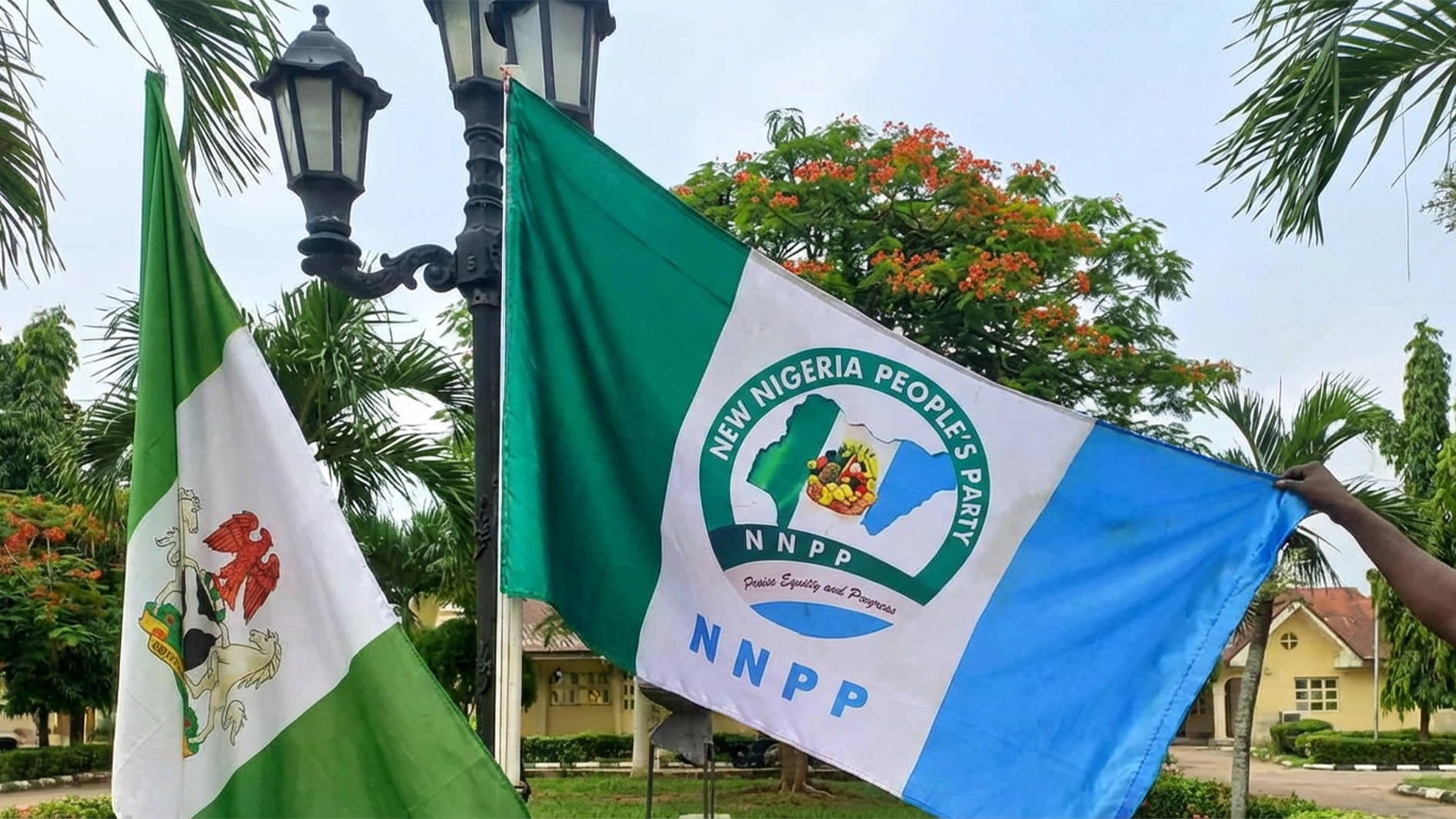
The ruling All Progressives Congress (APC) in Kano State has charged the Kwankwasiyya movement to focus on resolving its internal crisis instead of playing the blame game.
It also dismissed the allegation by the movement over the
political disruption in Ruwan Bago, at the Rogo community, over the weekend.
The movement had alleged that political thugs linked to the ruling party disrupted a peaceful political gathering organised by its members in the area.
In a statement issued in Kano by its spokesperson, Dr Habibu Sale Mohammed, the group alleged that armed political thugs linked to the APC stormed the venue and violently disrupted the meeting.
Muhammad said the gathering was organised to formally receive prominent defectors from the Peoples Democratic Party (PDP) into the New Nigeria People’s Party (NNPP), adding that the security agencies had been duly notified.
He alleged that the ‘disruption’ left more than 11 people injured, including the NNPP chairman in the Rogo council area, a PDP defector, described as a former National Assembly candidate, and several other supporters.

According to him, no fewer than three vehicles and other property belonging to members were also vandalised during the incident.
Muhammad described the attack as a “premeditated act of political intimidation” aimed at discouraging defections and growing support for the Kwankwasiyya movement in the state.
In a swift reaction, APC Publicity Secretary in the state, Auwalu Soja Gwale, in a statement, dismissed the allegation as false, fabricated and deliberately intended to tarnish the image of the ruling party.
Gwale said the APC remains a law-abiding political organisation committed to peaceful democratic engagement and respectful political competition, stressing that the party has never sanctioned or encouraged violence against members of the opposition.
He added that it was surprising that the NNPP chose to accuse the APC rather than address what he described as internal tensions arising from alleged defections and political realignments within its ranks.
Relatedly, the Kwankwasiyya movement has faulted the dissolution of the Ministry of Higher Education and its merger with the Ministry of Education, describing the move as politically-motivated and a sign of declining attention to governance.
In another statement yesterday in Kano, its spokesperson, Mohammed, argued that the government’s explanation that the decision was part of an administrative reform did not sit well.
“The dissolution of the Ministry of Higher Education under the pretext of administrative restructuring raises serious concerns about the government’s priorities and commitment to responsible governance,” he said.
According to him, the decision appears to be connected to the ongoing political situation involving the deputy governor, Aminu Abdussalam Gwarzo, who had been overseeing the ministry.
Mohammed said the ministry had already been weakened over the past year through a series of administrative decisions that moved several agencies and responsibilities away from it.
He added that the eventual dissolution confirmed concerns that political considerations are increasingly shaping governance in the state rather than the public interest.

