 Follow Us on Google News


 Follow Us on Google Discover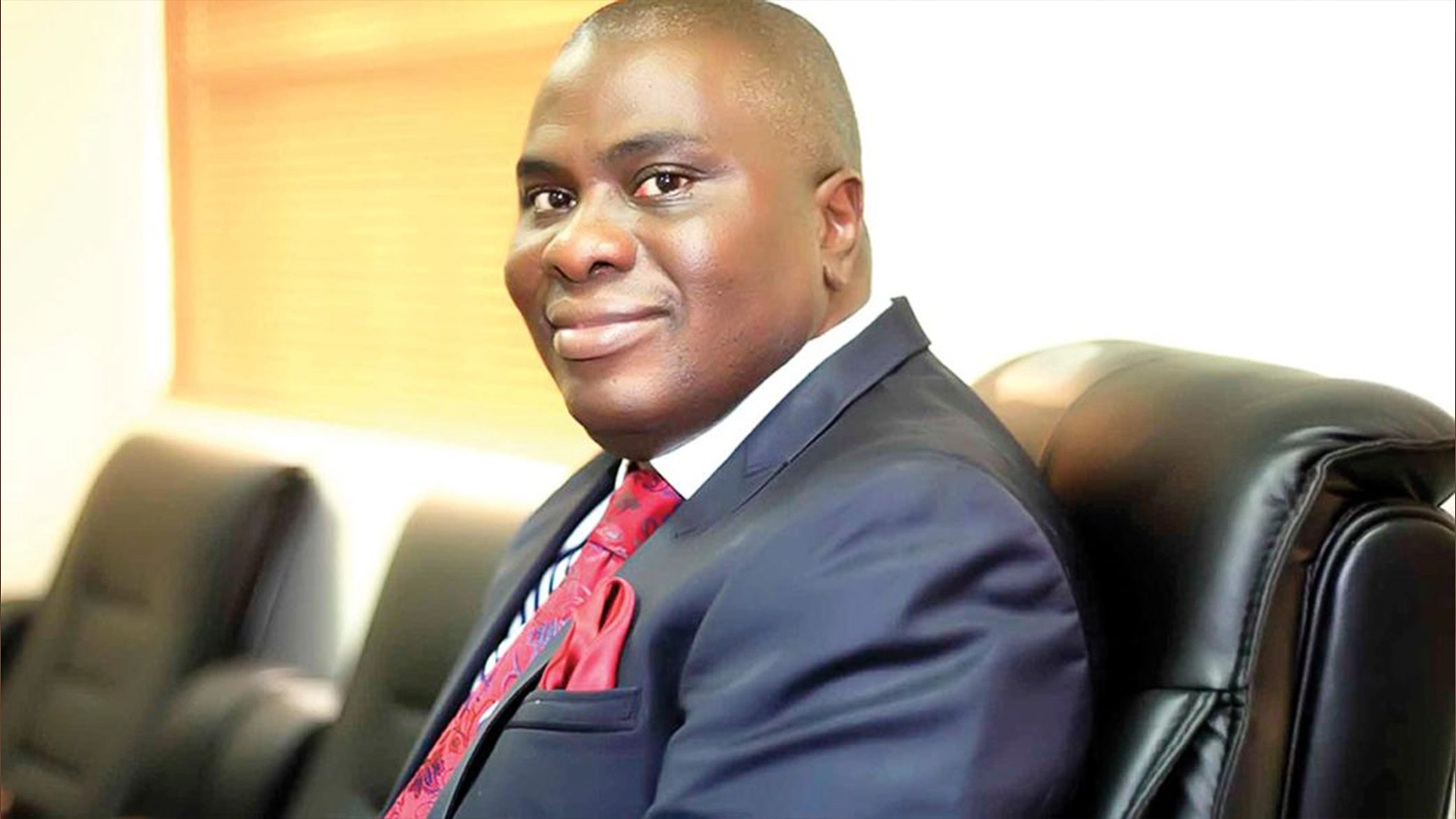
By Banji Alabi
Insecurity is not an act of God or visitation of the wrath of the Almighty as some people want us to believe; it is a choice by a few which the majority must unequivocally resist, reject and turn against the perpetrators, collaborators and sponsors. Insecurity is neither a natural disaster nor a plague in the class of Ebola or any outbreak of disease; it is man-made just as those behind it, like armed robbers, are not spirits. They are fellow beings/countrymen with known family members. They have wives, children, brothers, sisters, landlords/landladies; they operate bank accounts, attend churches/mosques as well as patronise night clubs and such other social outfits. They move on roads and highways flooded by police, military, civil defence and other operatives’ checkpoints without using helicopters or drones. So, they are neither invisible nor invincible. That they keep tormenting us as individuals, states and a nation is our own choice to protect evil. We can and shall defeat them the day we are ready as patriotic citizens; not as saboteurs and conspirators and collaborators.
For too long, we have buried our heads in the sand while our brothers, sisters and children are slaughtered, kidnapped and displaced. We blame the President; we blame the government; we walk away as if security is someone else’s burden. It is not! The truth about insecurity in Nigeria is that it has political fathers.
Insecurity in Nigeria did not start yesterday, and it has never been purely criminal. History shows a pattern: whenever disgruntled political actors lose power or fear losing it, they weaponise violence to destabilise the state and create conditions to “kick out a bad government.”
We saw it in the lead-up to 2015. Boko Haram’s escalation, kidnappings and bombings were amplified and exploited to delegitimise the President Goodluck Jonathan administration. The same actors who could not win at the ballot box sought victory through bloodshed and fear. Communities were infiltrated, local accomplices were paid and intelligence was suppressed because the goal was not peace—it was power. That playbook is still in use. When special interest groups want to topple an administration they dislike, they fan ethnic tensions, fund banditry and ensure that no part of the country feels safe. They know a frightened nation does not ask questions. It only demands change, any change.
This is treason against the Nigerian people. And it succeeds only because we, the people, refuse to own our neighbourhoods. Blaming one man will not save 300 million people. No president, not Tinubu, not Buhari, not Jonathan, can police every village, every highway and every market from Abuja. Criminals live among us. They marry from us, trade in our markets and are protected by our silence. If we intend to stop this, we must stop pretending that security is a federal problem alone. We must become good citizens, not just good critics.
The Roadmap: I call for the immediate formation of a National Committee Against Insecurity, structured from the wards to the centre. The war against insecurity and terrorism cannot be won solely by the regular armed forces; it is a battle that calls for the involvement and contributions of all Nigerians. It is an absolutely wrong mindset to conclude that it is the constitutional responsibility of government to ensure security. It is equally the constitutional calling of every Nigerian to report and expose threats to security and national stability and those behind it. Failure to do so makes a citizen a collaborator or conspirator. Remember that the people the criminal agents of insecurity often get at are helpless, innocent Nigerians who are your brothers, sisters, children or those of your fellow Nigerians; not people in Abuja or in other Government Houses. The Committee system I am advocating will be an organised civil engagement platform to be established in every political ward in the country and all other layers of governance to the central (federal) level.
Ward Security Councils: Every ward must constitute a council of traditional rulers, religious leaders, youth leaders, market leaders and retired security personnel. Their mandate: meet weekly; identify unusual movements, vet local vigilantes and report directly to the local council. No more “we didn’t know.”
State and Regional Policing: Nigeria is too large and too diverse for one police command.
We must implement true federalism and resource control. Let states and regions establish their own police forces to handle community crimes, while federal forces focus on interstate terrorism, borders and transnational crime. This is the spirit of the Aburi Accord.
The Bible asks, “Can two walk together unless they agree?” Nigeria is made up of strange bedfellows. A weak centre and strong regions is the only structure that respects our differences and secures our people.
Cut Off the Oxygen of Crime: Pass a Whistleblower Protection and Reward Act. Pay for actionable intelligence that leads to arrests. Publicly name and prosecute landlords, traditional rulers and officials who harbour criminals. Establish a Bipartisan National Security Caucus. Any politician caught funding or inciting violence must face prosecution, regardless of party.
Fix the Forces: Improve welfare, housing and equipment for police and soldiers. A hungry officer cannot fight corruption. Create an independent body to prosecute rogue officers. Publish a public dashboard of arrests, prosecutions and convictions every 90 days.
My call to every Nigerian from today is to adopt this slogan: “If You See It, You Own It.” If you see an unusual movement, report it. If you know a landlord housing bandits, report it. If you hear a politician funding violence, say it. The Niemöller warning is upon us: “First they came for the Socialists. …Then they came for the Trade Unionists. …Then they came for the Jews. …Then they came for me—and there was no one left to speak out.”
Nigeria must unite to secure Nigeria. The President alone cannot do it. Governors alone cannot do it. Only we, the people, can. We either own our security or we lose our country.
I am ready to serve on any genuine national committee formed for this purpose and volunteer more security and defence strategies that for sensitivity could not be in the general public domain. The time for speeches is over. The time for ownership is now.
•Banji Esq is the National Chairman, Ondo State Eminent Persons Group, as well as the Chairman of Eti Osa chapter of the Nigerian Bar Association Law Week.

