 Follow Us on Google News
 Follow Us on Google Discover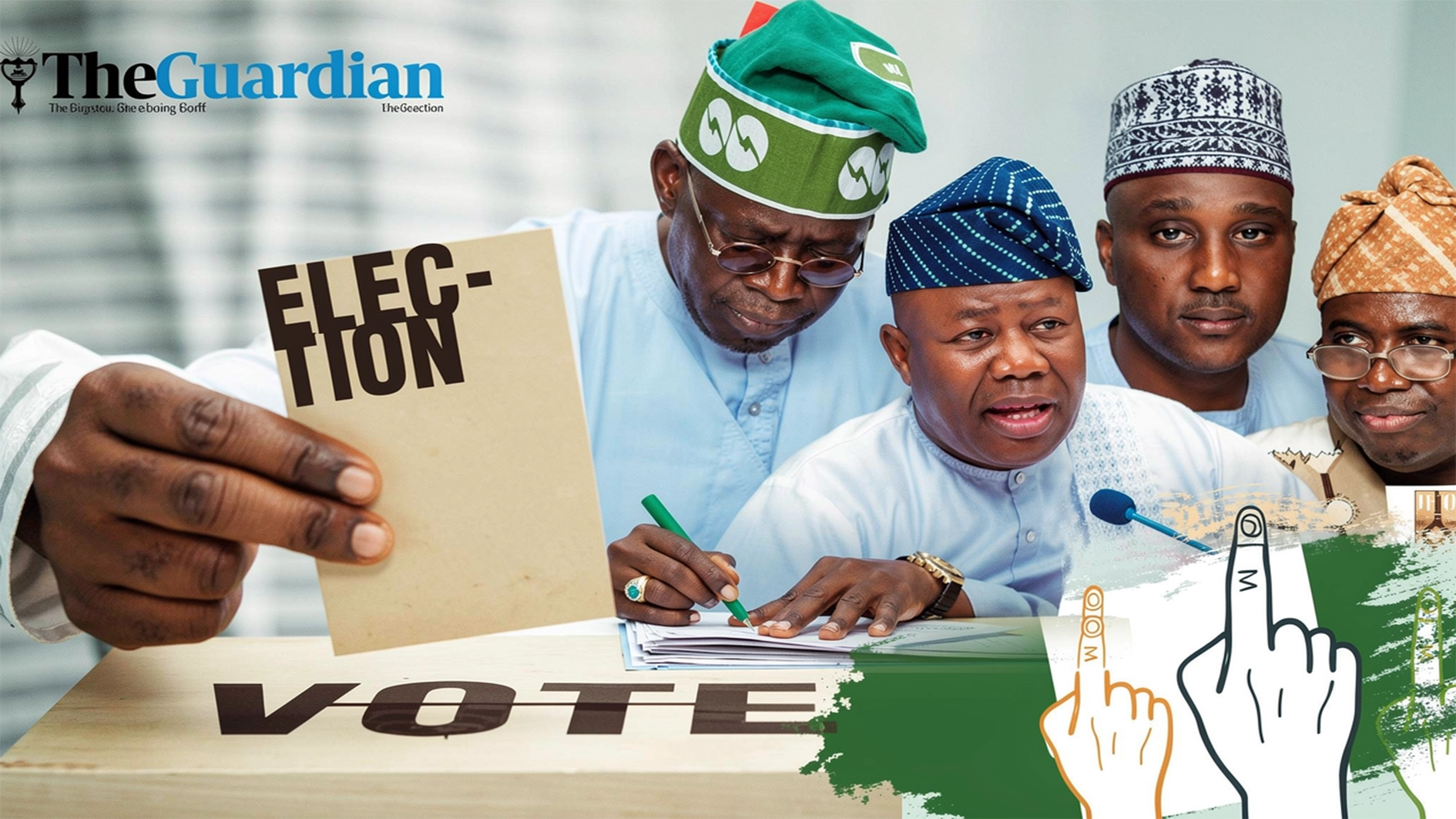
The Pan Niger Delta Forum (PANDEF) and the Ijaw National Congress (INC) have expressed concern about the implications of enforcing the Electoral Act, including the approval of a 400 per cent increase in campaign spending for elections.
The two apex bodies in the Niger Delta region faulted the recent amendment to the Act, arguing that the law failed to address critical issues surrounding the cost of expression of interest and nomination forms, while prioritising a 400 per cent increase in campaign spending.
National Publicity Secretary of PANDEF, Obiuwevbi Ominimini, said the omission has grave implications for Nigeria’s political and economic systems.
This is as the National Publicity Secretary of the INC, Ezonebi Oyakemeagbegha, described the development as worrisome, warning that it could inject excessive liquidity into the political system and deepen corruption in the electoral process.
According to him, the significant rise in campaign expenditure would pose serious economic challenges, including further depreciation of the nation’s exchange rate and increased borrowing. He said the policy could escalate Nigeria’s debt burden, noting that citizens are largely unaware of the country’s current borrowing rate.
On his part, the PANDEF spokesman lamented the high cost of expression of interest. He pointed out that major political parties currently charge exorbitant fees for expression of interest and nomination forms, thereby disenfranchising capable but less privileged aspirants.

He cited the 2020 election cycle, noting that the cost of expression of interest and nomination forms for Senate seats ranged between N10 million and N20 million, while forms for the House of Representatives and state Houses of Assembly were also priced in millions of naira. In some states, he said, assembly forms cost about N2 million.
Ominimini questioned why a country with a minimum wage of N70,000 would allow political parties to fix nomination fees far beyond the reach of ordinary citizens.
“We are saying that the law should make provision for the maximum amount any political party can charge for expression of interest and nomination forms. It should not be more than the nation’s minimum wage,” he said.
On the 400 per cent increase in campaign spending, Ominimini warned that the development could further entrench money politics and strengthen the influence of so-called political “godfathers.”
He expressed concern that the increase could worsen corruption and further pressure the naira, especially given weak enforcement of existing campaign finance regulations.
He also criticised anti-corruption agencies for failing to monitor political donations effectively, noting that the Electoral Act places limits on individual campaign contributions.
“You have seen situations where an individual publicly announces a donation of hundreds of millions of naira on behalf of himself and unnamed associates. Anti-corruption agencies should investigate such claims to determine the true sources of the funds,” he said.
Ominimini maintained that while the rise in campaign spending is troubling, the more pressing issue is the exclusion of ordinary Nigerians from the political process by prohibitive nomination fees.
He added that godfatherism remains a persistent challenge in Nigeria’s politics, alleging that in some cases candidates’ names are decided behind closed doors by powerful political actors.
Such practices, he said, would be further entrenched by higher campaign spending limits unless strict regulatory oversight is enforced.
Further, the INC spokesman accused politicians of insincerity and greed, adding that increased campaign spending would widen the gap between the political class and ordinary Nigerians, particularly poor workers and vulnerable electorates.
He cautioned that unless properly regulated, the policy could undermine transparency and accountability in the electoral process.

