 Follow Us on Google News


 Follow Us on Google Discover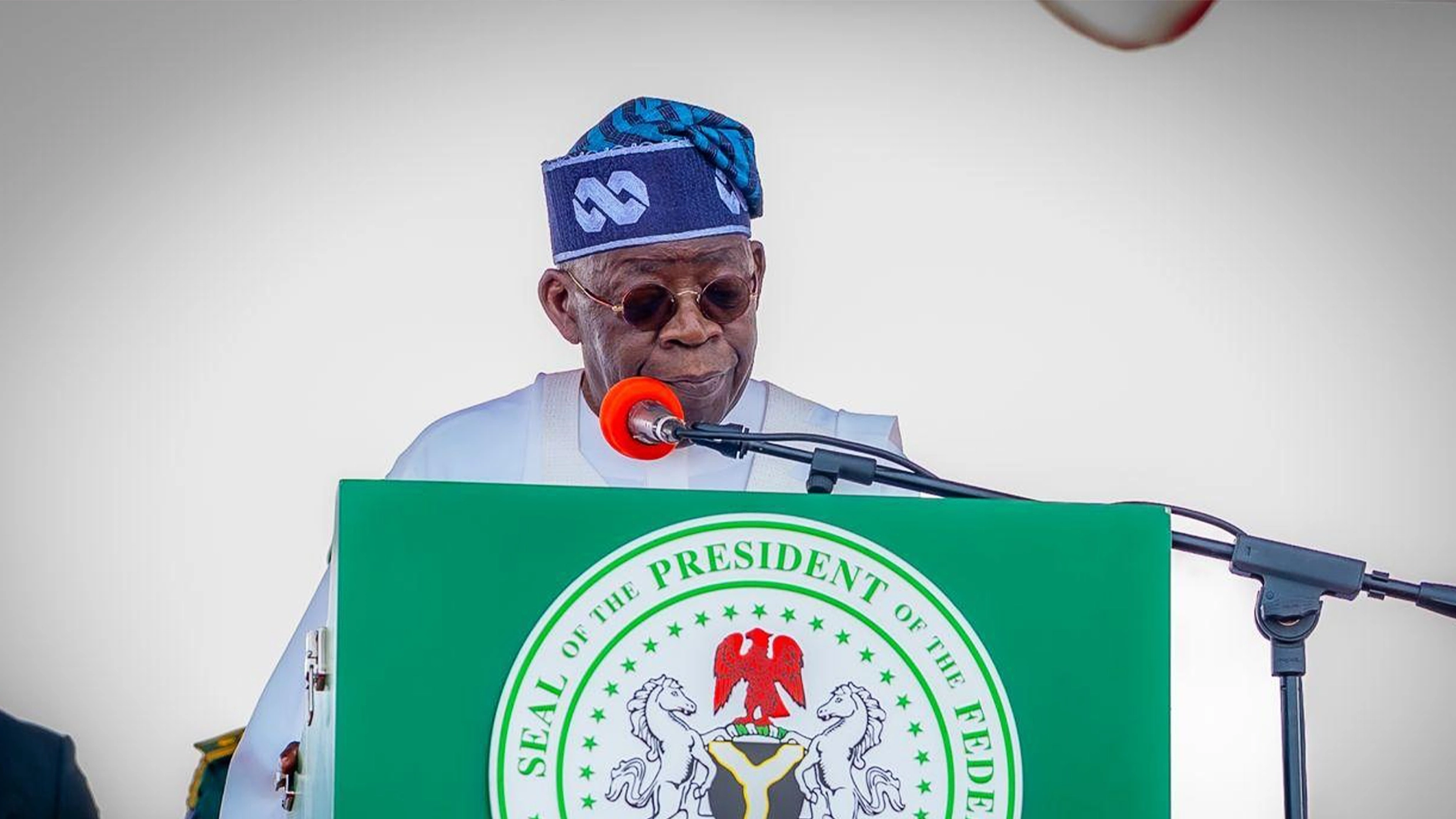
By Banji Alabi
From history comes the hard lesson that change always comes through a hard way. Nothing good comes on a platter of gold. From women’s conception, delivery to individuals’ development through education or skill acquisition and by extension to nation building, it is all about sacrifices, self denials and sometimes, application of the rod (cane). If it were possible and acceptable to acquire certificates and trophies without going through the requisite furnace of life, everybody would have had one without sweat. Or in a plain language if wishes were horses or riches no one will lack one and no one will be poor!
The above simply affirms that there are rules of engagement before individuals or nations breakthrough. Nobody pilots an aircraft without passing through the tutelage of learning or apprenticeship which must be enforced. Where the rule of engagement is compromised what follows is catastrophe of unimaginable proportion for a nation. From China, India even Rwanda to many of the Asian countries, including the Middle East, contemporary history is replete with stories of countries that hit the top only after some hard policies were enforced without discrimination and without sparing individuals or groups no matter how powerful or influential for the reason of the overall collective good and interest. Under the current administration of President Bola Tinubu, we have seen a lot of barking, but with just little bites that frankly speaking are not sufficient to drive the much needed radical change and transformation. We have seen examples in the administration of former President Olusegun Obasanjo who initiated many policy changes and drove them to success through chronic enforcement irrespective of whose ass is gored, bulldozing his way through. The outcome was what sustained Nigeria for a while before gradual decline set in for lack of continuity and further injection of new measures.
The Obasanjo era’s benchmark was defined by an administration that was readily determined to bark, bite and go ahead to damn the consequences. During the administration between 1999 and 2007, Nigeria experienced a period of decisive, often unpopular, executive action that delivered measurable results. The Obasanjo administration secured $18 billion in external debt relief, consolidated the banking sector, drove GSM liberalisation and maintained single-digit inflation for much of its tenure. What defined that era was not just policy direction but enforcement. Public officials were sacked, contracts revoked and entrenched interests challenged directly when they undermined national interest. The message was clear: the state would assert itself over private networks that profited from dysfunction.
Shortly after the Obasanjo administration, steady decline began to set in. Nigeria’s trajectory has been one of regression across core indicators: voters’ turnout fell from 53.7 per cent in 2011 to 26.72 per cent in 2023, reflecting eroding public trust. Insecurity expanded from the Northeast to the Northwest, North Central and parts of the South, with banditry, kidnapping and oil theft operating as parallel economies. Infrastructure and power stagnated despite repeated reform promises, leaving households and businesses to self-provide. Public confidence in elections, institutions and the capacity of the state to protect citizens has weakened cycle after cycle. The pattern is consistent: each administration inherits problems, announces reforms, but fails to break the hold of networks that benefit from a weak, ungovernable state.
President Bola Tinubu’s first three years show clear intent to break deadlocks that previous governments avoided. The removal of fuel subsidy and unification of the foreign exchange market ended two of the largest rent-seeking systems in the economy. These are structural steps that previous administrations discussed but did not execute.

However, policy enablement alone Ωis insufficient. The persistent challenge remains the inability or unwillingness to confront the organised criminal and political networks sponsoring killings, kidnapping and attacks that make large parts of the country ungovernable. The Tinubu administration, for all its economic reform momentum, has not demonstrated the same capacity for ruthless disruption of these interests that characterised the Obasanjo years. Without that biting power, reforms risk being absorbed and neutralised by the same systems they are meant to dismantle.
On the way forward, it is crystal clear that Nigeria does not lack policy papers or reform plans. What it lacks is the political will to apply consequences to actors who profit from insecurity and sabotage governance. If President Tinubu intends to be remembered as more than a reformer on paper, he must match economic reforms with security enforcement targeting financiers and sponsors of violent crime, not just foot soldiers. He must without further delay assert federal authority over sub-national actors and private networks that obstruct policing and justice. He must make visible examples of accountability to restore public belief that the state is stronger than the gangs and cartels operating within it.
Mr. President, I found it irresistible to confess to you that the Nigerian people are tired of explanations without enforcement. If domestic capacity is insufficient, the duty of the state is to secure its citizens by any legitimate means available. The first duty of government is to protect the people, not to run them. According to the famous Thomas Jefferson, “A nation can survive its fools, and even the ambitious. But it cannot survive treason from within.” Marcus Tullius Cicero also has this to say: “When a country is at war, the duty of its leaders is to win that war by whatever lawful means.” If special interest groups sponsoring killings, kidnapping and sabotage cannot be dismantled by current structures, then seeking foreign military and intelligence support is not weakness; it is responsibility. A sovereign state that cannot protect its territory and citizens ceases to be sovereign.
It would be dishonest to ignore what President Tinubu has done right. For decades, past Nigerian leaders spoke about subsidy removal and FX reform but backed down when the political cost became visible. But kudos to Tinubu; in three years, this administration took both steps, stopped the bleeding of public funds and created fiscal space that did not exist before. That takes political courage and it is the first time in a generation that Nigeria has faced its structural distortions head-on. The foundation for a different economy has been laid. The test now is to ensure that that foundation is not undermined by the same criminal networks that have captured the state’s security space.
• Alabi Esq. is a political analyst, tax consultant, the National Chairman of Ondo State Eminent Persons Group and Alternate Chairman, Nigeria Bar Association, Eti Osa chapter.

