 Follow Us on Google News


 Follow Us on Google Discover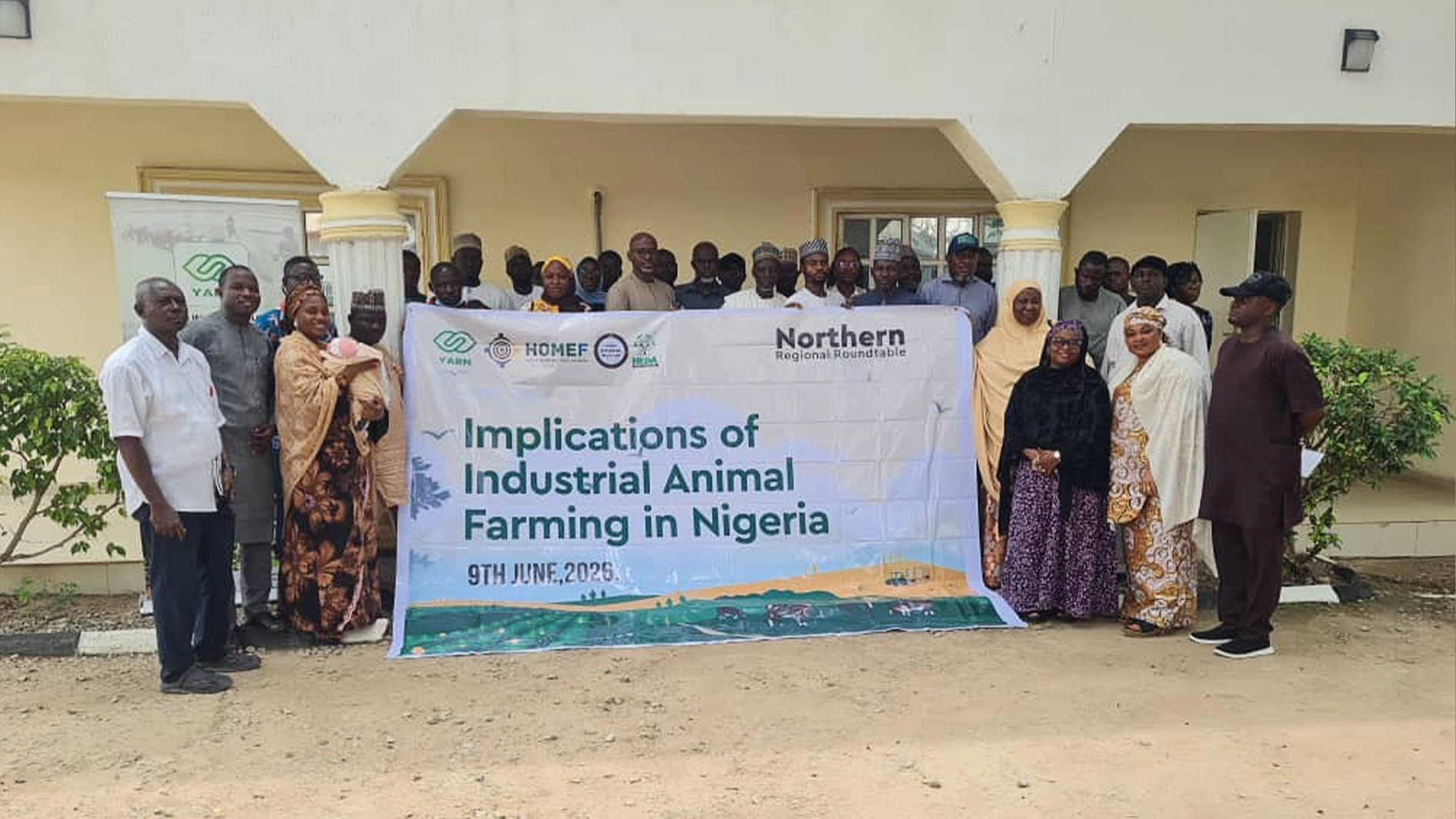
Stakeholders in the agriculture and environmental sectors have raised concerns over the growing environmental and socio-economic risks associated with industrial animal farming, warning that unchecked expansion of the practice could threaten public health, livelihoods, and ecological sustainability.
The concerns were raised during a stakeholders’ engagement on sustainable food systems and environmental protection, where participants called for stricter regulations, improved monitoring, and greater investment in environmentally friendly agricultural practices.
Speakers at the forum noted that large-scale industrial livestock production contributes significantly to environmental degradation through greenhouse gas emissions, water pollution, deforestation, and excessive waste generation.
They warned that poor waste management practices associated with intensive animal farming could contaminate water sources, damage soil quality, and increase the spread of diseases.
According to the stakeholders, rural communities that depend on farming, fishing, and natural resources for survival are among the most vulnerable to the negative impacts of industrial animal production.
They argued that the expansion of large commercial livestock facilities often threatens smallholder farmers and local livelihoods by concentrating resources and market access in the hands of a few operators.
The participants also expressed concern about the increasing use of antibiotics and chemicals in industrial farming, warning that excessive use could contribute to antimicrobial resistance and pose serious public health challenges.
They urged governments at all levels to adopt policies that promote sustainable agriculture, animal welfare, climate resilience, and food security while protecting local communities from environmental hazards.
Some stakeholders advocated stronger support for small-scale farmers, organic farming methods, and climate-smart agricultural practices capable of balancing food production with environmental sustainability.
They further called for increased public awareness on the environmental consequences of unsustainable farming systems and the need for responsible consumption patterns.

The stakeholders stressed that achieving long-term food security must not come at the expense of environmental protection and community wellbeing.
They maintained that sustainable agricultural development requires collaboration among government agencies, private sector operators, researchers, civil society organisations, and local communities to ensure that food production systems remain economically viable, socially inclusive, and environmentally responsible.

